Axolotl Atlas: Tracking the Legendary Lakes and Hidden Habitats
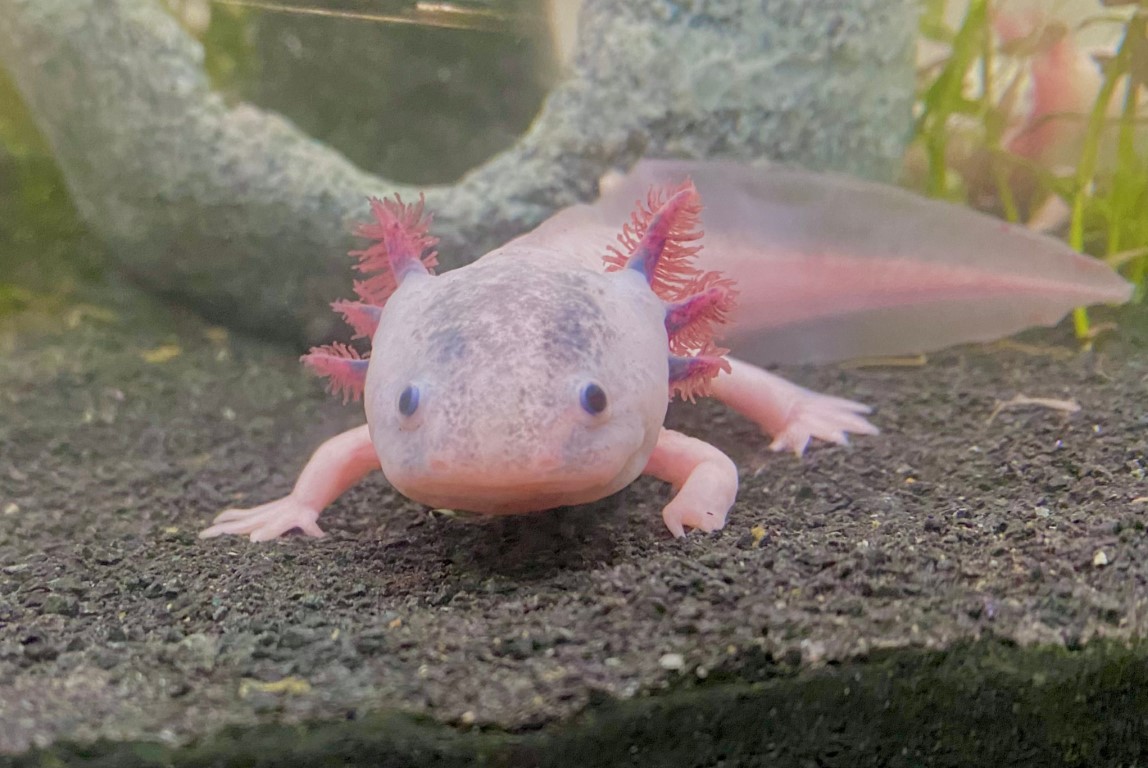
Curiosity tends to spike the moment someone hears that axolotls are real, not just fantasy creatures with feathery gills and permanent smiles. This quiz turns that curiosity into a world tour of the most fascinating axolotl places and landmarks on Earth. From ancient canals in Mexico City to high-tech research labs and quirky museum exhibits, each question uncovers a spot where these amphibious icons have left their mark. Along the way, you will explore conservation hotspots, cultural shrines, and surprising urban corners that all share a connection to the axolotl. Think of it as a travel guide for the most dedicated axolotl fan, with a mix of history, science, and oddball facts. By the final question, you will know exactly where axolotl legends were born, where they are being saved, and where people still celebrate them today.
1
Which landmark is considered the historic stronghold of wild axolotls in Mexico City?

2
Which Mexico City borough is most closely associated with axolotl-themed boat tours and trajinera rides through historic canals?
3
Outside Mexico, which city’s Natural History Museum is particularly known for displaying living axolotls to highlight regenerative biology?

4
The Museo Nacional de las Culturas in Mexico City has featured exhibits connecting axolotls to which ancient civilization’s mythology?

5
Which UNESCO designation highlights the cultural and ecological importance of the Xochimilco area for axolotls?

6
Which university in Mexico is famous for its axolotl research facilities and breeding programs linked to Xochimilco populations?

7
In Japan, which city’s aquarium has gained attention for showcasing axolotls as “Wooper Loopers,” a popular nickname there?

8
In Mexico City, which ecological park is known for its axolotl conservation chinampas and educational tours?

9
In the United States, which city’s zoo is well known for an axolotl exhibit that emphasizes endangered Mexican amphibians?

10
Which European country hosts the Laboratoire International de l’Axolotl, a key research facility dedicated to axolotl regeneration studies?

11
Which Mexico City market area is famous for selling axolotl-themed crafts and souvenirs inspired by the nearby canals?

12
Which conservation project in Xochimilco focuses on creating “axolotl refuges” within traditional chinampa plots to restore wild populations?

0
out of 12
Quiz Complete!
Axolotl Atlas: A World Tour of Legendary Lakes and Hidden Habitats
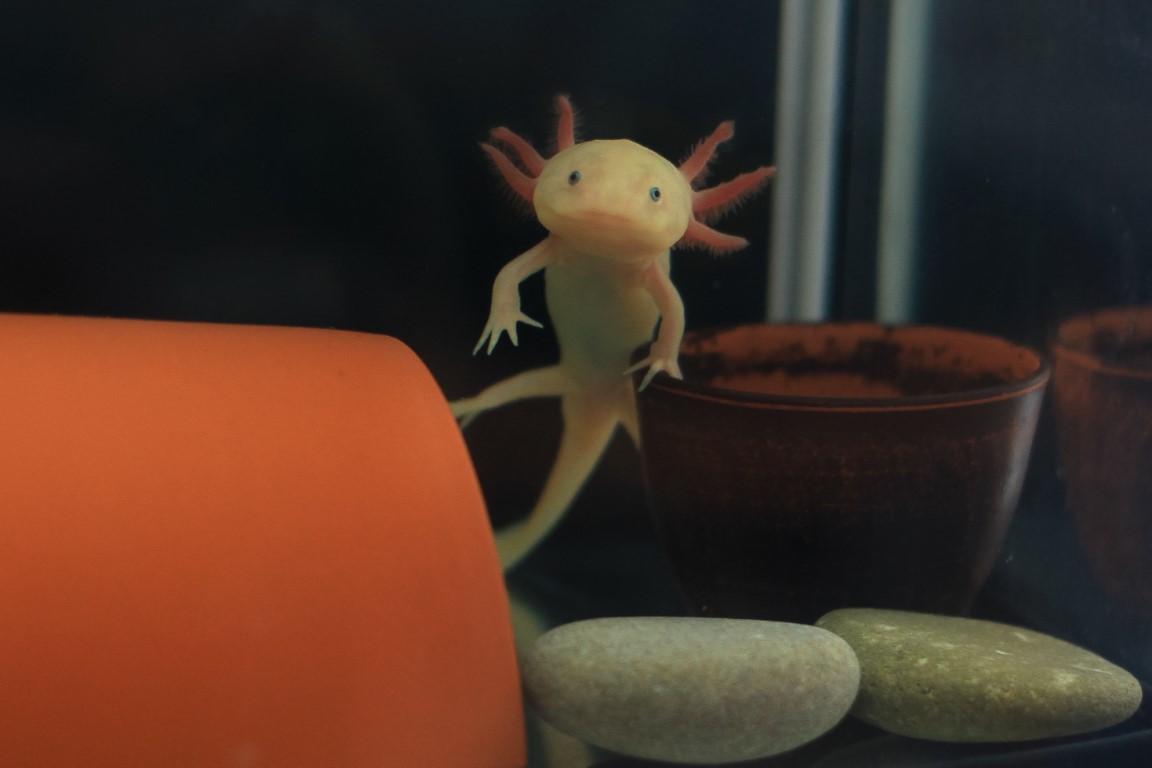
The axolotl may look like a creature from a fantasy novel, with its feathery gills, wide eyes, and permanent half smile, but it is very real and has a remarkable story written across the map of our world. Exploring axolotl places is like opening a travel guide that mixes ancient legends, modern science, and surprising city corners where this unusual amphibian still captures human imagination.
The journey begins in Mexico City, where the axolotl’s true homeland lies. Long before skyscrapers and traffic, the Valley of Mexico was a broad tapestry of lakes and canals. In this watery landscape, the Aztecs built their capital, Tenochtitlan, and shared their world with the axolotl. Today, the best remaining glimpse of that environment is Xochimilco, a network of canals and floating gardens on the southern edge of the city. Hidden among these channels, in carefully protected pockets of water and vegetation, wild axolotls still cling to survival. Conservationists monitor water quality, restore native plants, and create safe refuges known as chinampa refuges, where axolotls can feed and breed away from pollution and invasive fish.
Xochimilco is not just a biological hotspot. It is also a cultural shrine. The axolotl appears in local artwork, festival decorations, and community projects that blend environmental education with neighborhood pride. Visitors may ride colorful boats called trajineras through the canals, passing signs and murals that celebrate the axolotl as both a symbol of Mexico’s past and a hope for its ecological future.
Beyond the canals, axolotls have found new homes in laboratories and research centers around the world. Their extraordinary ability to regenerate lost limbs, repair spinal cords, and even regrow parts of their hearts has turned them into scientific superstars. In universities from North America to Europe and Asia, specialized axolotl colonies live in carefully controlled aquariums. These research labs are not tourist attractions, but they are crucial landmarks in the global story of axolotls, because discoveries made there may one day influence human medicine and tissue repair.
Museums and aquariums offer more public friendly axolotl destinations. Many natural history museums feature axolotls in exhibits about evolution, amphibians, or Mexican ecosystems. Public aquariums often highlight them in sections devoted to freshwater life, where visitors can watch them hover in the water, gills fluttering like delicate fronds. These displays usually include information about their endangered status and the efforts to protect the last wild populations.
In recent years, some cities have embraced the axolotl as a quirky mascot. You might find them on posters for science festivals, in children’s books, or as characters in video games and animations. Cafes and small museums in Mexico and beyond sometimes host axolotl themed events, combining art, storytelling, and conservation talks. These urban corners may not be natural habitats, but they are important cultural habitats, keeping public interest alive.
By tracing these lakes, canals, labs, and exhibits, you can see how the axolotl’s story stretches far beyond one species of amphibian. It is a tale of ancient waterways, modern environmental challenges, cutting edge science, and human creativity. Following the axolotl atlas, you learn not only where these animals once thrived, but also where people are working to ensure that their legendary smile remains part of our world for generations to come.