Mythbusting Minute Everyday Beliefs Under Pressure










Quiz Complete!
Mythbusting Minute: Why Everyday Beliefs Feel True and What Evidence Says

Some ideas stick in our minds not because they are correct, but because they are easy to repeat. A catchy phrase, a confident adult, or a half remembered lesson can turn a shaky claim into a personal truth. Everyday myths thrive because they often contain a small seed of reality, and because our brains love simple explanations. Once a belief feels familiar, we stop checking it. That is why mythbusting can be surprisingly hard: you are not just learning a fact, you are unlearning a story.
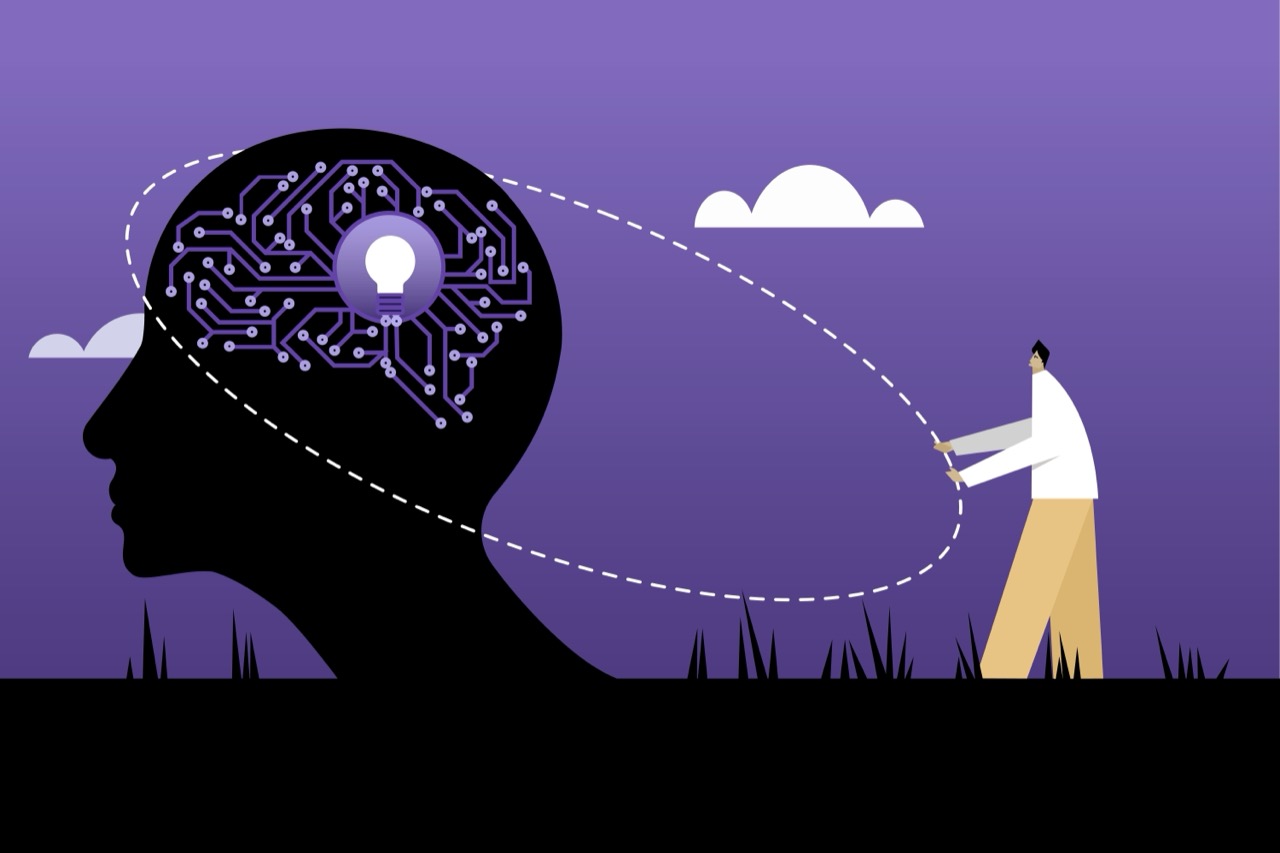
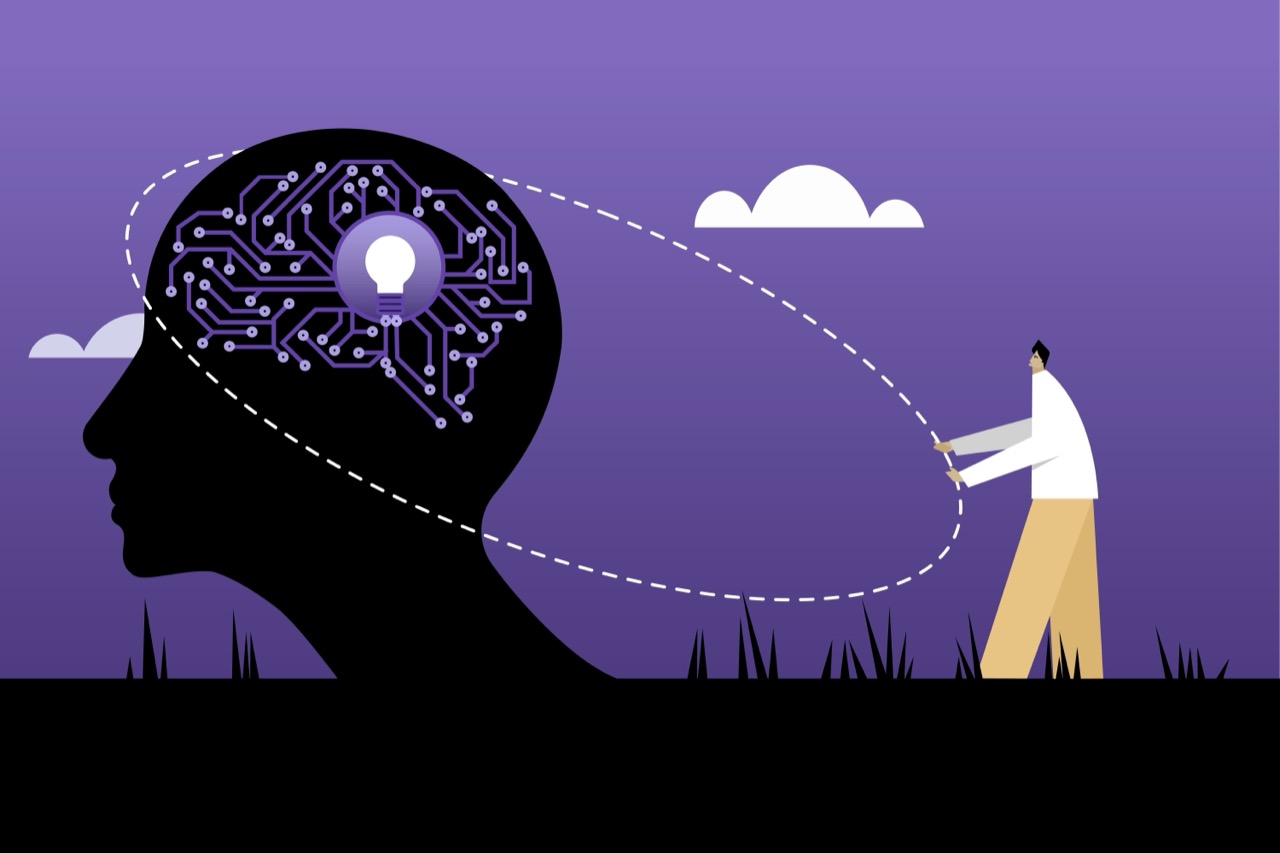
Take the classic claim that we only use 10 percent of our brains. It sounds inspiring, as if hidden potential is waiting to be unlocked. Brain scans tell a different story. Different tasks light up different networks, and even when you are resting, the brain is busy managing memory, attention, and internal planning. The real wonder is not unused brain space, but how efficiently the brain reorganizes after learning or injury.
Health myths are especially sticky because they mix advice with anxiety. You may have heard that cracking your knuckles causes arthritis. Research has not found a clear link; the popping sound comes from changes in pressure in joint fluid, not bones grinding together. Another common belief is that going outside with wet hair causes you to catch a cold. Colds are caused by viruses, not temperature. Being chilled might make you feel uncomfortable and could slightly affect how your body responds, but it does not magically create a virus. The practical takeaway is simple: wash hands, avoid close contact with sick people, and get enough sleep.
Food and fitness myths spread fast because everyone eats and everyone has an opinion. Many people think sugar causes kids to become hyperactive. Studies suggest the effect is more about expectations and exciting situations than sugar itself, though too much added sugar can still harm health over time. You might also hear that fat automatically makes you fat. In reality, body weight is influenced by overall calorie balance, diet quality, activity, sleep, stress, and genetics. Some fats are essential for hormones and brain function, and foods like nuts, olive oil, and fish can be part of a healthy diet.
History and space are full of memorable misconceptions. The idea that people in the Middle Ages believed the Earth was flat is often repeated, but many educated people in ancient Greece and later periods understood it was spherical. And in space, the dark side of the Moon is not a permanently unlit half; it is simply the side facing away from Earth, and it receives sunlight just like the near side. Another space myth is that the Great Wall of China is visible from space with the naked eye. From low Earth orbit, many human structures are difficult to spot without help, and visibility depends on lighting, weather, and what you are looking for.
Animals get mythologized too. Bats are not blind; most have functional vision and also use echolocation. Goldfish do not have a three second memory; they can learn patterns and remember them for longer than most people expect. And bulls are not enraged by the color red. They react to movement, while the cloth color is mainly for the audience.
The most useful skill in a myth versus fact showdown is not memorizing trivia. It is noticing how a claim is framed. Words like always, never, and everyone are warning signs. So are explanations that rely on a single cause for a complex outcome. When you hear a familiar saying, pause and ask: what would count as evidence, who tested it, and could there be another explanation? Mythbusting is not about feeling foolish for believing something. It is about upgrading your mental toolkit so the next sticky myth has a harder time taking hold.