Passport Stamps, Power Adapters, and Pretend Accents: A Quiz for Eurobound Explorers










Quiz Complete!
Practical Know How for a Smooth European Adventure

Planning a multi country trip across Europe is exciting, but the small practical details can make the difference between a smooth journey and a stressful one. Beyond choosing cities and booking hotels, it helps to understand how trains work, what kind of power adapter you need, and how to handle everyday situations like paying the bill or crossing borders.
Transportation is often the backbone of a European trip. High speed trains connect major cities quickly, while regional trains and buses reach smaller towns and villages. Rail passes can be a good value if you are taking many long distance trips in a short time, but individual tickets bought in advance are sometimes cheaper. Some countries require reservations for high speed trains even if you have a pass, so you cannot just hop on and sit anywhere. It is worth checking whether you need a seat reservation, which trains are included, and how far in advance tickets go on sale.
Budget airlines can be tempting with very low base fares, but they come with quirks and extra rules. Strict baggage limits, separate charges for seat selection, and tough check in deadlines are common. Before you book, look at total costs including luggage, airport transfers, and possible fees for printing boarding passes or changing flights. Many budget airports are far from the city center, so factor in time and money for buses or trains into town.
Power adapters are another detail that is easy to overlook. Much of continental Europe uses the same two round pin plug type, while the United Kingdom and some other places use a three rectangular pin style. A universal adapter is usually the simplest solution. Many modern electronics, like phone chargers and laptops, can handle different voltages, but it is still wise to read the fine print on your devices. A simple adapter changes the plug shape, not the voltage.
Money habits also vary across Europe. Card payments are widely accepted in most cities, but it is still smart to carry some cash for small purchases, markets, public toilets, or rural areas. Tipping customs are often more modest than in North America. In many places, service is included in restaurant bills, and leaving a small amount or rounding up is enough. It helps to know whether service charge is listed on the bill so you do not double tip.
Roaming charges can surprise travelers who rely on their phones for maps and messaging. Check with your mobile provider before you leave to see if they offer an affordable international plan. Another option is buying a local or regional SIM card with data once you arrive. Downloading offline maps and key translation phrases in advance can also reduce your data use.
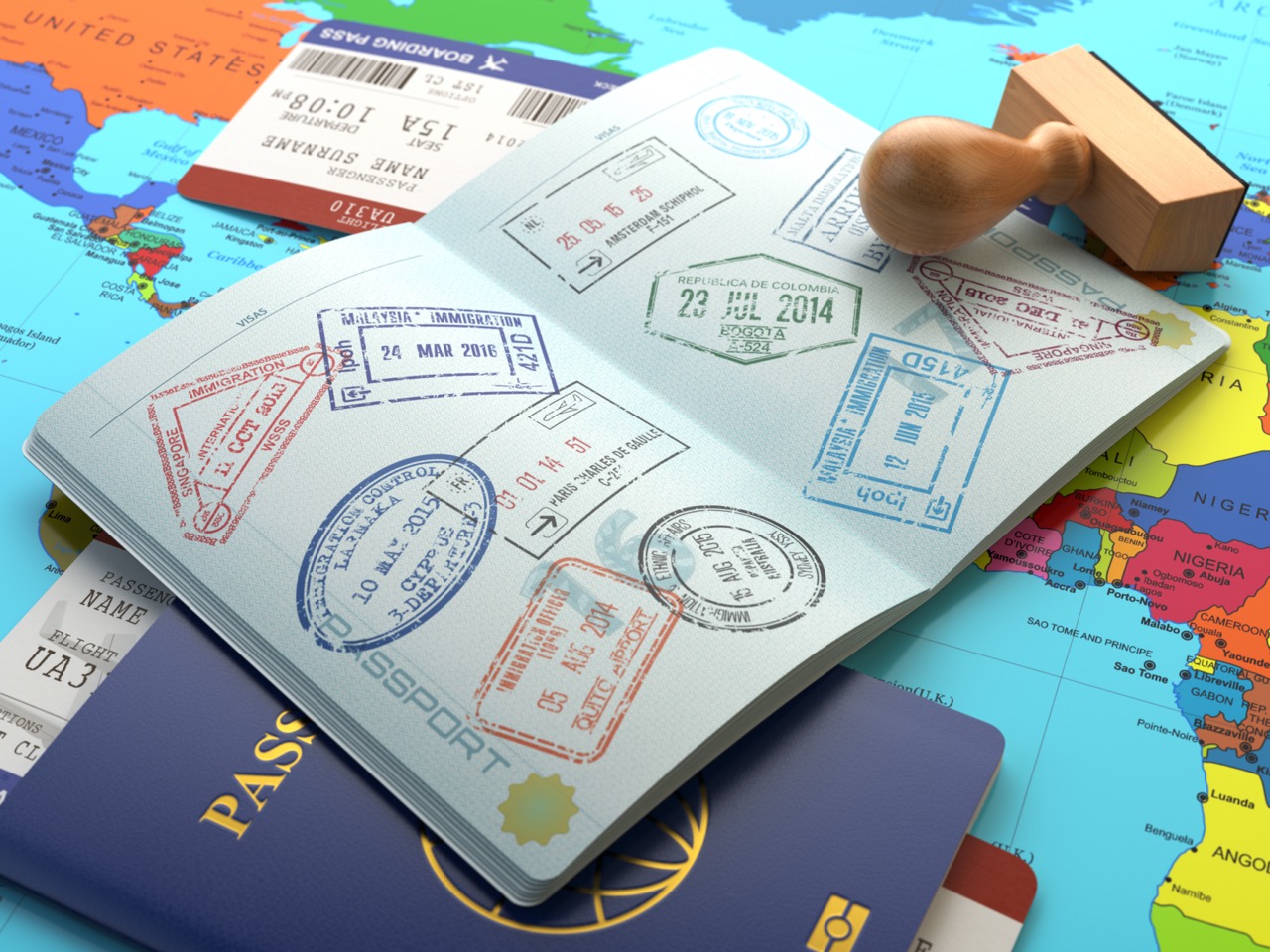
Finally, remember that many European countries are part of the Schengen Area, which allows passport free travel across internal borders. However, you still need to check entry rules, visa requirements, and how long you can stay. Some countries are in the European Union but not in Schengen, and others use different currencies even if they are nearby. Knowing these details ahead of time helps you move easily from place to place.
By paying attention to these practical aspects, you can spend less time worrying about logistics and more time enjoying café terraces, museums, and scenic train rides. With a bit of preparation, you will feel more like a confident traveler than a confused tourist.