Passport to Spice Routes and Sky Lanterns








Quiz Complete!
Exploring the Spice Routes and Sky Lanterns of Asia

Between the Bosphorus and the Pacific stretches one of the most diverse and fascinating regions on Earth. It is a place where ancient caravan routes once carried silk, spices, and stories, and where today bullet trains, budget airlines, and busy highways connect glittering megacities with quiet mountain villages. This vast area, often loosely grouped under the idea of Asia, offers an incredible mix of landscapes, cultures, and traditions that can surprise even experienced travelers.
Imagine starting in Istanbul, where the Bosphorus divides Europe and Asia. Here, old markets still echo the spirit of the Silk Road, with piles of saffron, sumac, and dried fruits recalling centuries of trade. Move eastward and you trace the paths of merchants who once crossed deserts and mountain passes, stopping at caravanserais that offered safety, tea, and a place to rest. These routes linked empires, spread religions and ideas, and shaped the food and customs of countless communities.
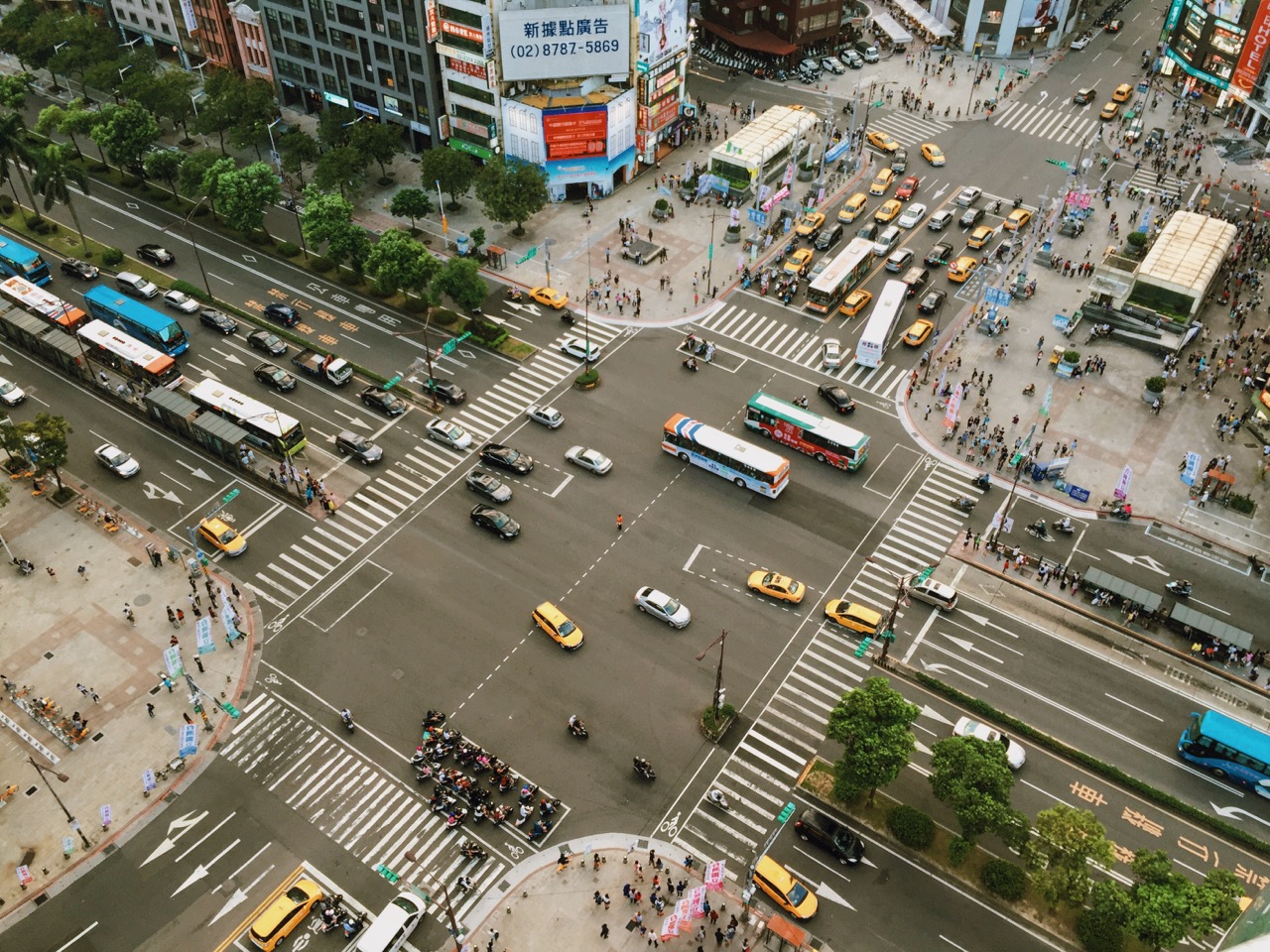
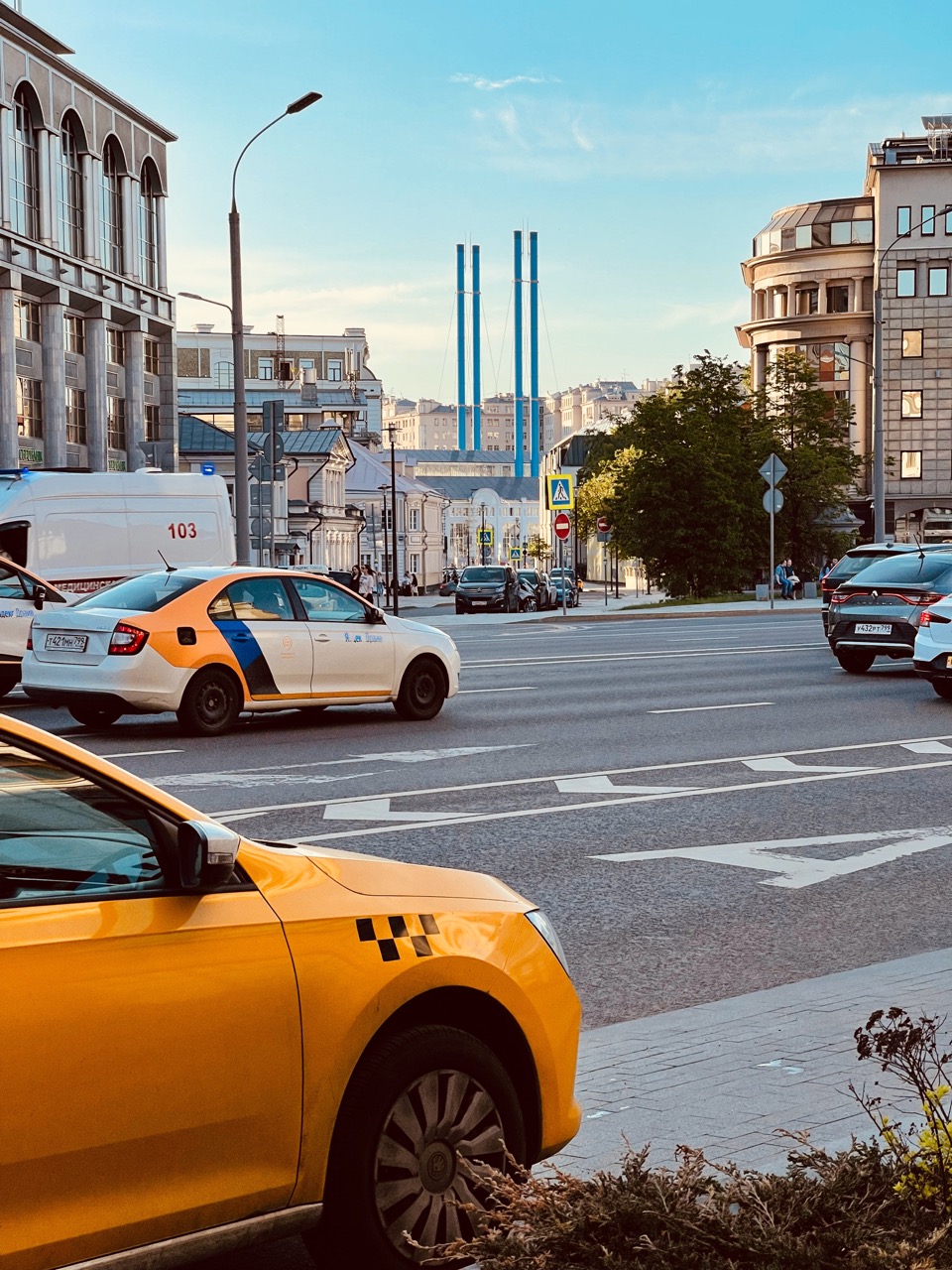
Today, many visitors first encounter this region through its cities. Think of the soaring skylines of places like Dubai, Shanghai, or Tokyo, where glass towers catch the light and neon signs glow late into the night. Night markets buzz with life, serving everything from skewers sizzling over charcoal to delicate dumplings and steaming bowls of noodles. Street food can be fiery and bold, while just around the corner a quiet tea house might invite you to slow down, watch the steam curl from your cup, and appreciate a ceremony refined over centuries.
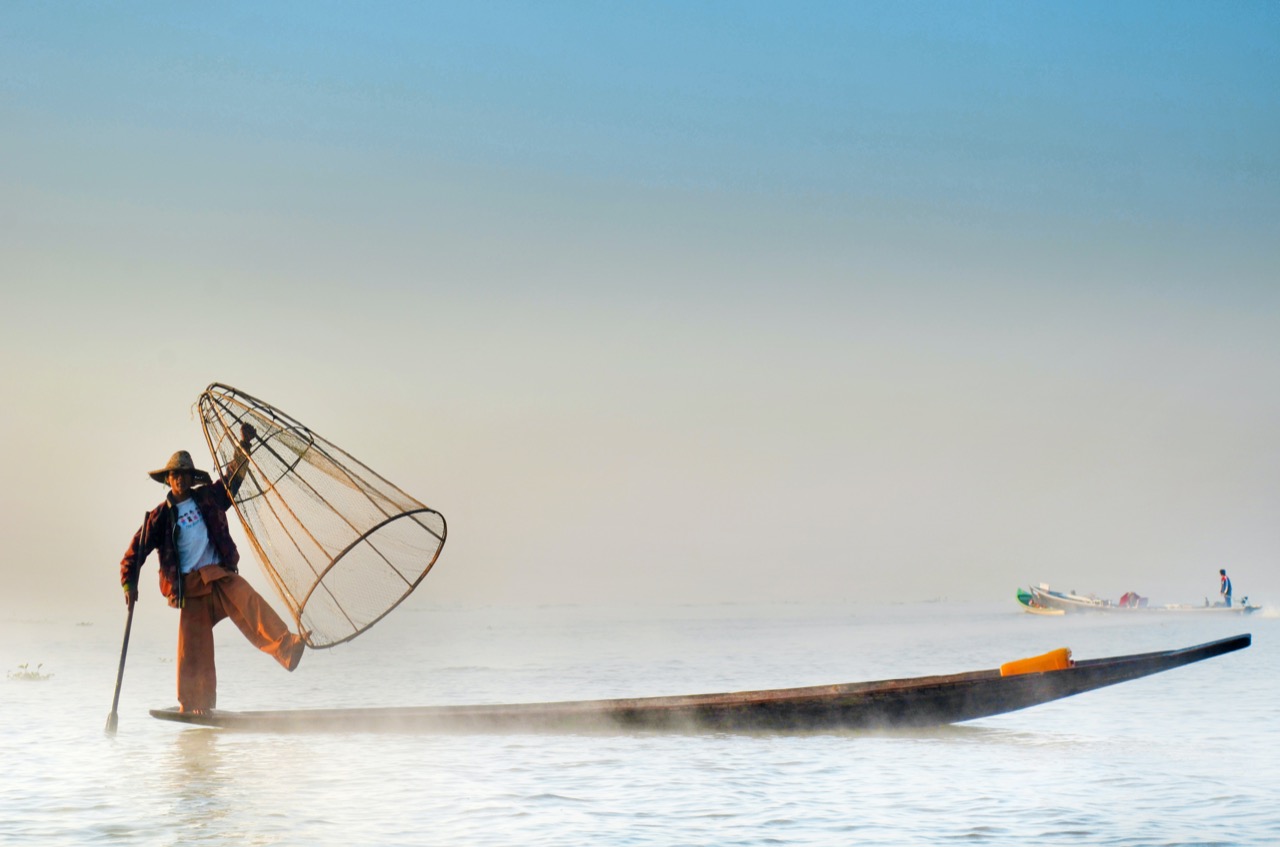
But the region is far more than its cities. Misty rice terraces step down green hillsides in countries such as Vietnam, China, and the Philippines, showing how people have shaped the land to grow food in challenging terrain. In other places, like the Himalayan foothills or the highlands of Central Asia, villages cling to mountain slopes, offering views of snow peaks and valleys where yaks or sheep graze. These landscapes are not only beautiful; they tell stories about how communities adapted to climate, altitude, and trade.
Temples and shrines add another layer of richness. From gilded stupas in Myanmar and Thailand to wooden Shinto shrines in Japan and intricately carved mosques and madrasas in Central and Western Asia, religious sites reflect a long history of spiritual exchange. Many are still active places of worship, where incense drifts through courtyards and visitors remove their shoes in respect. Others sit partly in ruins, reminders of empires that rose and fell along the trade routes.
Modern technology adds a striking contrast. Bullet trains speed between cities in Japan and China, shrinking distances that once took weeks to cross. Low cost airlines make it possible to hop from tropical beaches to mountain capitals in a single day. Yet amid all this speed, traditional festivals remain important. Sky lanterns floating into the night, dragon dances in crowded streets, and New Year fireworks over rivers and bays show how communities blend old and new.
Whether you have explored this region in person or only through books, films, and online videos, learning about it is like taking a mental journey. Every landmark, dish, or festival connects to a wider web of history and culture. Understanding these connections deepens appreciation for how people live, trade, celebrate, and adapt across such a vast and varied part of the world.