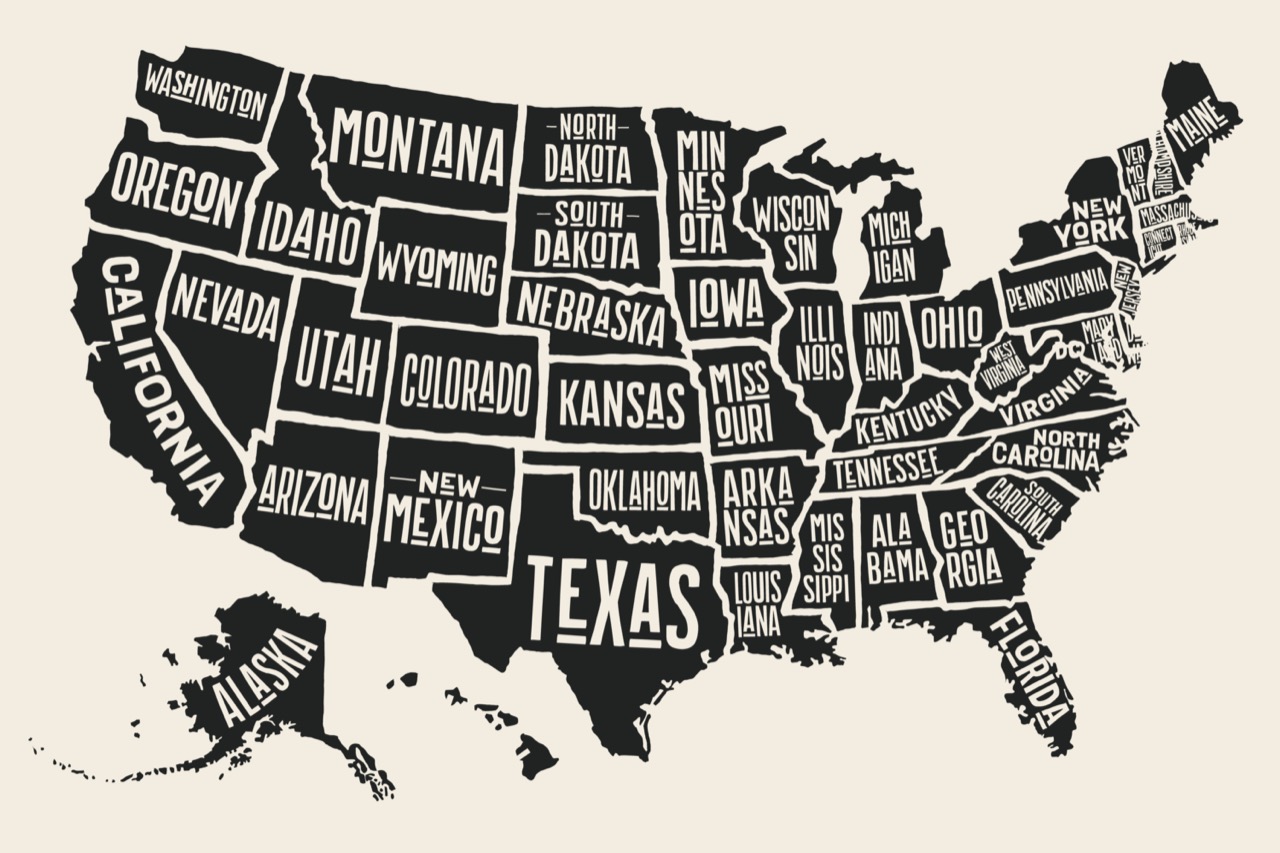
Pitbull Passports: Mapping the World of Blocky-Headed Globetrotters
Pitbulls might not carry suitcases, but their history is stamped with more geographic twists than most frequent fliers. This quiz tracks how tough-looking, big-hearted dogs journeyed from old European bull-baiting arenas to modern city apartments, farmsteads, and rescue shelters across the globe. From the back alleys of 19th‑century port towns to headline-making laws in today’s capitals, pitbull geography is packed with surprising locations, cultural shifts, and political debates. Explore where the “pit” in pitbull really came from, which countries celebrate them, and which restrict them, plus how regional names, climates, and housing rules shape their daily lives. Along the way, you will bump into working dogs on ranches, mascots in wartime, and misunderstood pets in urban neighborhoods. Sharpen your map skills, tap into some canine history, and see how much you really know about where pitbulls have been, where they are, and where they are allowed to go.
1
Which South American country is known for both strong pitbull fandom and ongoing debates about local regulations, especially in large cities like São Paulo and Rio de Janeiro?
2
Which U.S. region has produced many famous pitbull rescue organizations due to high shelter intake and historical overbreeding?

3
In dog history, the word “pit” in pitbull originally referred to which type of location?

4
The modern American Pit Bull Terrier’s earliest roots trace back primarily to which region?
5
In which country are American Pit Bull Terriers and similar types generally prohibited from import, making it very difficult to relocate there with a pitbull?

6
Pitbull‑type dogs have historically served as farm and ranch helpers in which kind of landscape, thanks to their strength and agility?

7
In the United States, pitbull‑type dogs are statistically most common in which kind of geographic setting?
8
In many European cities where housing is compact, what is a common requirement for legally keeping a pitbull‑type dog in an apartment?

9
Which North American city became a high‑profile example by repealing a long‑standing pitbull ban in 2021, shifting to behavior‑based rules instead?

10
Breed‑specific legislation (BSL) targeting pitbull‑type dogs has been especially common in which European country, where several cities once enforced strict bans?

11
Which climate consideration is especially important for pitbulls when living in very hot regions?

12
Which U.S. city is often cited as an early stronghold for pitbulls used as all‑purpose working and family dogs in the 19th and early 20th centuries?

0
out of 12
Quiz Complete!
Pitbull Passports: Mapping the World of Blocky-Headed Globetrotters
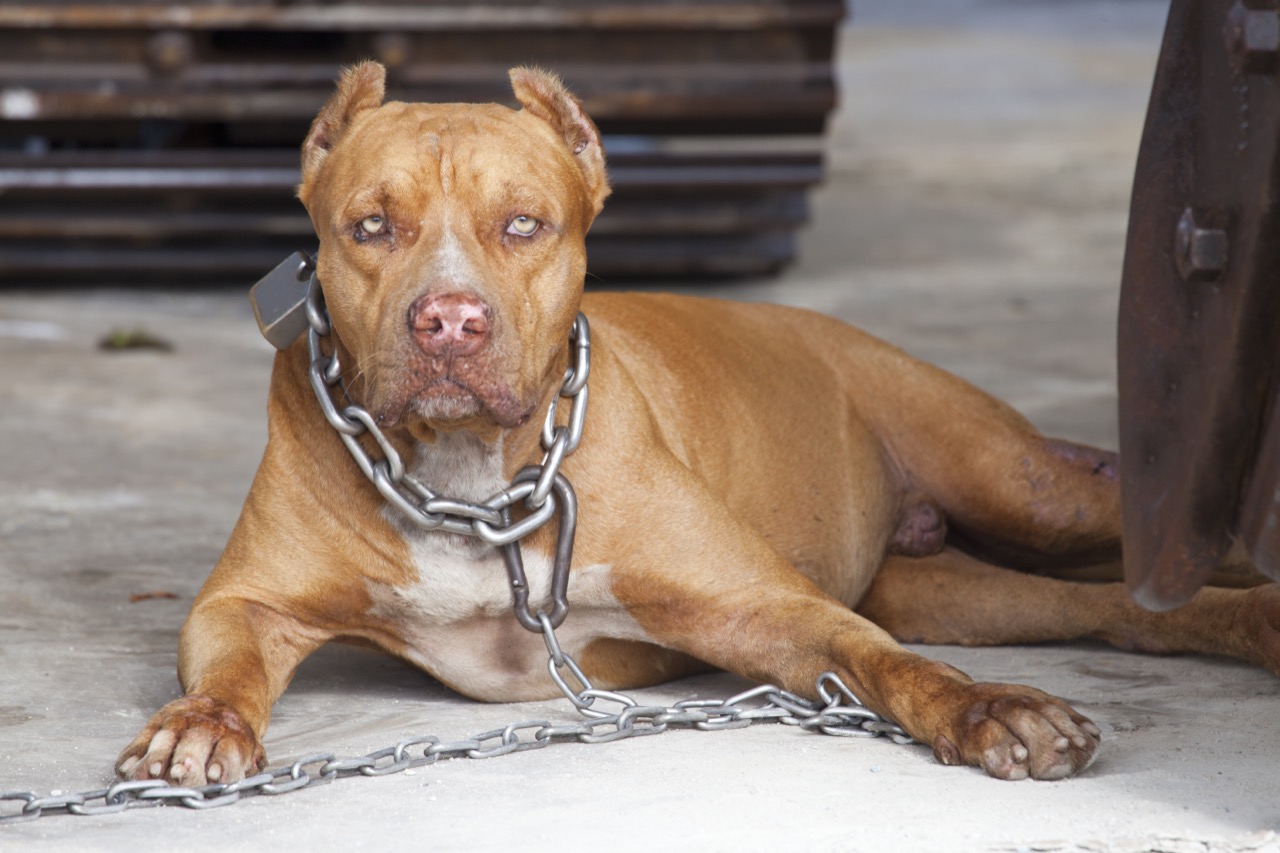
Pitbulls may not board airplanes with passports in paw, but their story stretches across continents and centuries. To understand these blocky-headed globetrotters, you have to follow a trail that begins in old Europe, winds through bustling port cities, and arrives in modern apartments, farms, and shelters around the world.
The roots of pitbulls lie in Britain and parts of Western Europe, where early bulldogs and terriers were bred for blood sports like bull-baiting and ratting. When those cruel practices were banned in the 19th century, people turned to dog-on-dog fighting in hidden pits. That is where the “pit” in pitbull comes from: the fighting pit, not a specific place on a map. Over time, these dogs were also valued for their strength, courage, and surprising gentleness with trusted humans.
As people migrated, they took their dogs with them. Sailors, workers, and families leaving Europe for North America brought bull-and-terrier type dogs to new shores. In the United States, these dogs became farm helpers, guardians, and family companions. They went by many names, including pit bull terrier, Yankee terrier, and eventually American Pit Bull Terrier and American Staffordshire Terrier, depending on which kennel club or registry described them.
By the early 20th century, pitbull-type dogs had become part of national identity in some places. In the United States, they appeared on posters as symbols of loyalty and bravery during wartime. One famous pitbull, Sergeant Stubby, served alongside soldiers in World War I, warning of gas attacks and boosting morale. Their image at that time was closer to beloved mascot than feared fighter.
As cities grew, pitbulls adapted to new environments. In dense urban neighborhoods, they were kept as family pets, watchdogs, and companions. In rural regions and on ranches, similar dogs worked as all-purpose farm dogs, helping manage livestock or protect property. Climate and housing played a big role in their daily lives. In colder areas, responsible owners provided coats and indoor shelter. In hotter regions, shade, water, and limited exertion during peak heat were essential.
Around the world, local culture shaped how people saw these dogs. In some Latin American and Eastern European countries, pitbulls gained popularity as status symbols or working dogs. In other places, they remained relatively rare. At the same time, sensational news stories and illegal dog fighting operations fueled fear and controversy. This led to breed-specific legislation in several countries, including restrictions or bans on pitbull-type dogs in parts of Europe, Australia, and some cities in North America and Asia.
These laws affect where pitbulls can live, how they travel, and even whether they are allowed in certain apartment buildings or public spaces. In contrast, many regions focus on responsible ownership laws that apply to all breeds, emphasizing training, socialization, and accountability.
Today, pitbulls can be found in rescue shelters, suburban homes, rural properties, and city high-rises. Their global journey reflects changing human values about animals, safety, and responsibility. Understanding where pitbulls came from and how they are treated in different places helps us see them not just as headlines or stereotypes, but as complex companions whose fate is closely tied to human culture and policy.