Planet Crunch: Extreme Earth Facts and Rock-Solid Records
Earth keeps secret scorecards in stone, ice, and magma, and this quiz cracks them open. From mountains that scrape the edge of the sky to rocks older than many stars you see at night, geology is basically the planet’s epic highlight reel. This challenge races across the hottest, deepest, tallest, and strangest records locked inside Earth’s crust and beyond. Expect questions that jump from supervolcanoes to supersonic wind-carved canyons, and from microscopic minerals to slabs of continent on the move. You will meet rivers that cut deeper than skyscrapers are tall, diamonds that formed before complex life, and plates that collide with the power of thousands of nuclear bombs. Think of it as a front-row seat to four and a half billion years of planetary drama, compressed into a single quiz about Science Geology Records and Superlatives Trivia.
1
Which location is home to the thickest known continental crust on Earth, exceeding 70 kilometers in thickness?
2
What is the deepest known point in Earth’s oceans, located in the western Pacific?
3
What is the oldest known mineral found on Earth, with crystals dated to about 4.4 billion years old?
4
Which region is recognized as the largest continuous expanse of exposed Precambrian shield rock on Earth?
5
Which canyon holds the record as the deepest land canyon formed by a river, reaching depths of over 5,000 meters in places?
6
Which location currently holds the record for the highest natural ground temperature ever reliably measured at Earth’s surface?
7
Which volcano is often cited as Earth’s most voluminous active volcano by total bulk volume?
8
Which lake holds the record as the deepest freshwater lake on Earth?
9
Which impact structure is widely regarded as the largest confirmed impact crater on Earth by diameter, though heavily eroded?
10
Which desert holds the record as the largest hot desert on Earth by area?
11
Which mountain holds the record for the greatest base-to-peak height on Earth, measured from the seafloor to its summit?
12
Which tectonic plate is currently the fastest moving major plate, shifting several centimeters per year?
0
out of 12
Quiz Complete!
Planet Crunch: Extreme Earth Facts and Rock-Solid Records
Earth may feel familiar under your feet, but it is filled with extreme records that rival any science fiction story. Geology is the science that reads those records in rocks, ice, and even deep inside the mantle. When we look at our planet through the lens of superlatives, we discover an Earth that is hotter, deeper, older, and more dramatic than everyday life suggests.
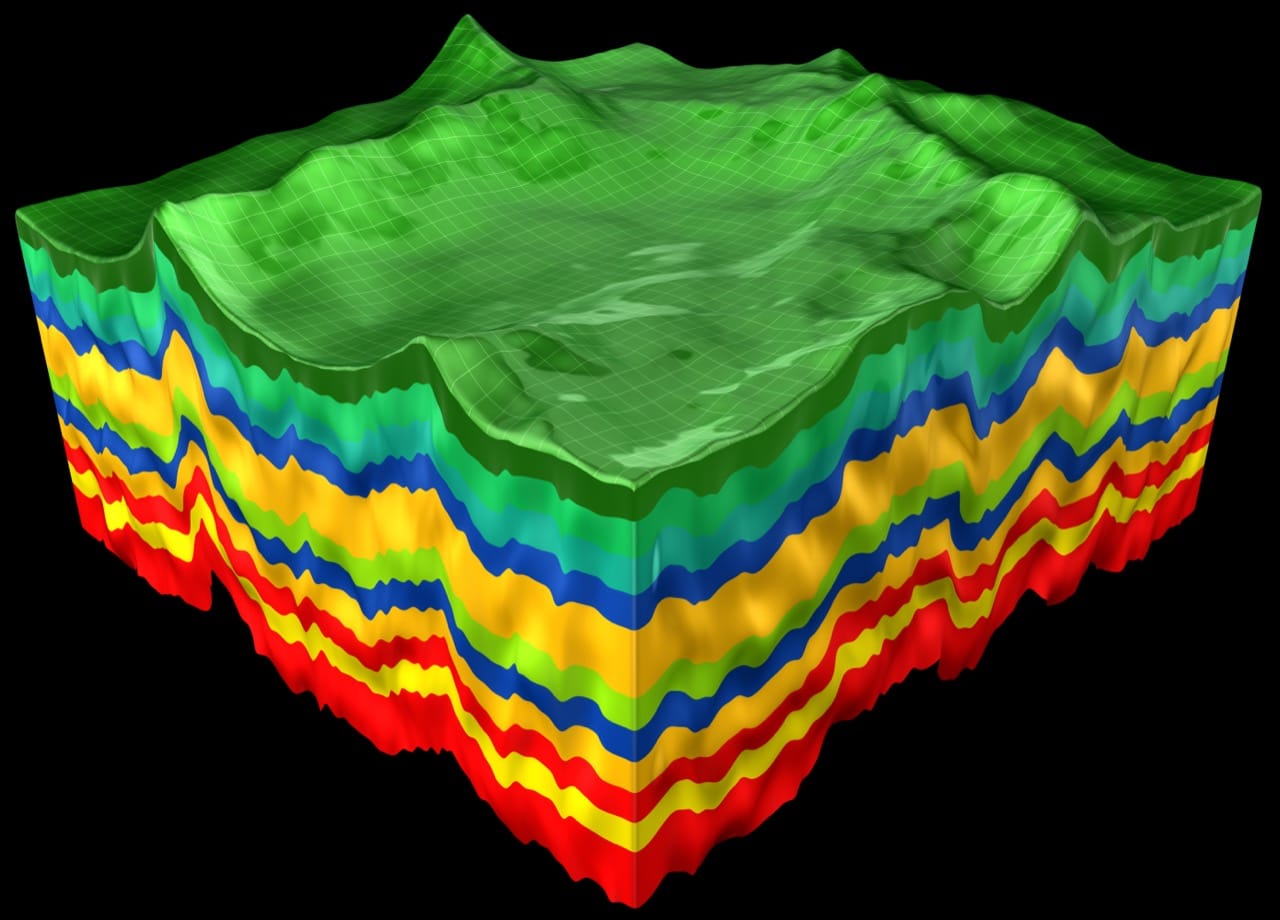
Start with mountains, the most obvious giants. Mount Everest is the tallest point above sea level, rising almost nine kilometers into the sky. Yet if you measure from base to peak, the Hawaiian volcano Mauna Kea is even taller, because most of it hides beneath the Pacific Ocean. These towering structures form where tectonic plates collide or where hot plumes of magma rise from deep within the mantle.
Tectonic plates are huge slabs of crust and upper mantle that float on a softer, partially molten layer below. They move only a few centimeters per year, about as fast as your fingernails grow, but the energy involved is enormous. When plates crash together, they can build mountain ranges like the Himalayas. When they pull apart, they open rift valleys and new ocean basins. The energy released in a major earthquake can match the power of thousands of nuclear bombs.
Some of Earths most dramatic records come from volcanoes. The largest active volcano on land is Mauna Loa in Hawaii, but supervolcanoes such as Yellowstone in the United States or Toba in Indonesia hold even more explosive potential. Their eruptions can eject thousands of cubic kilometers of ash and lava, reshaping landscapes and affecting global climate for years.
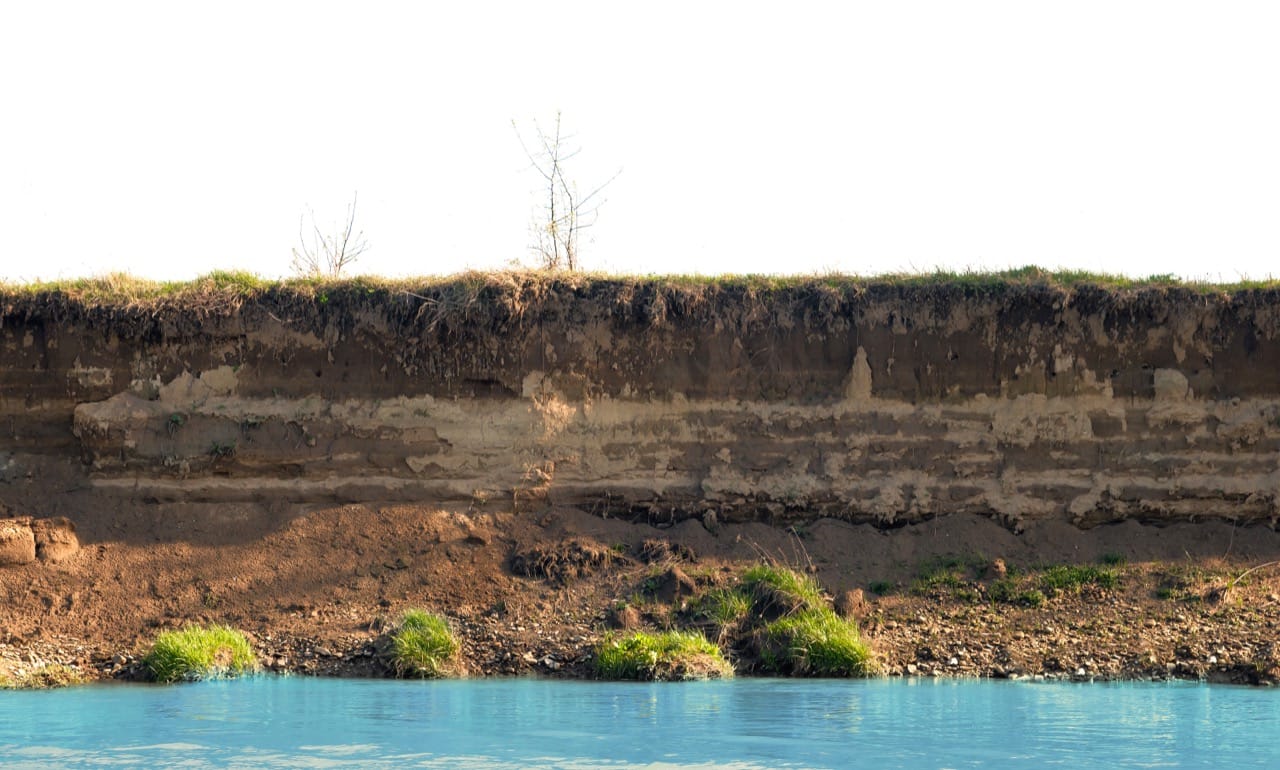
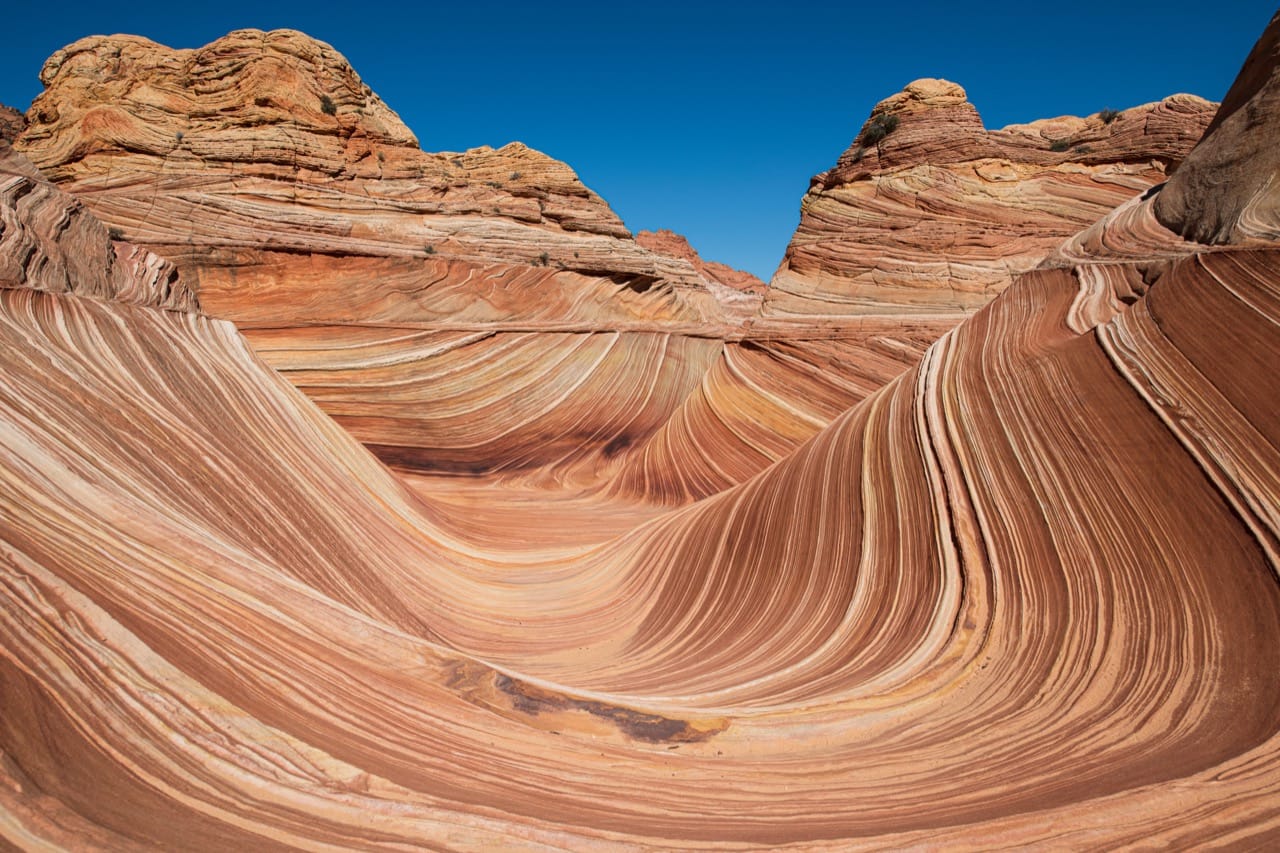
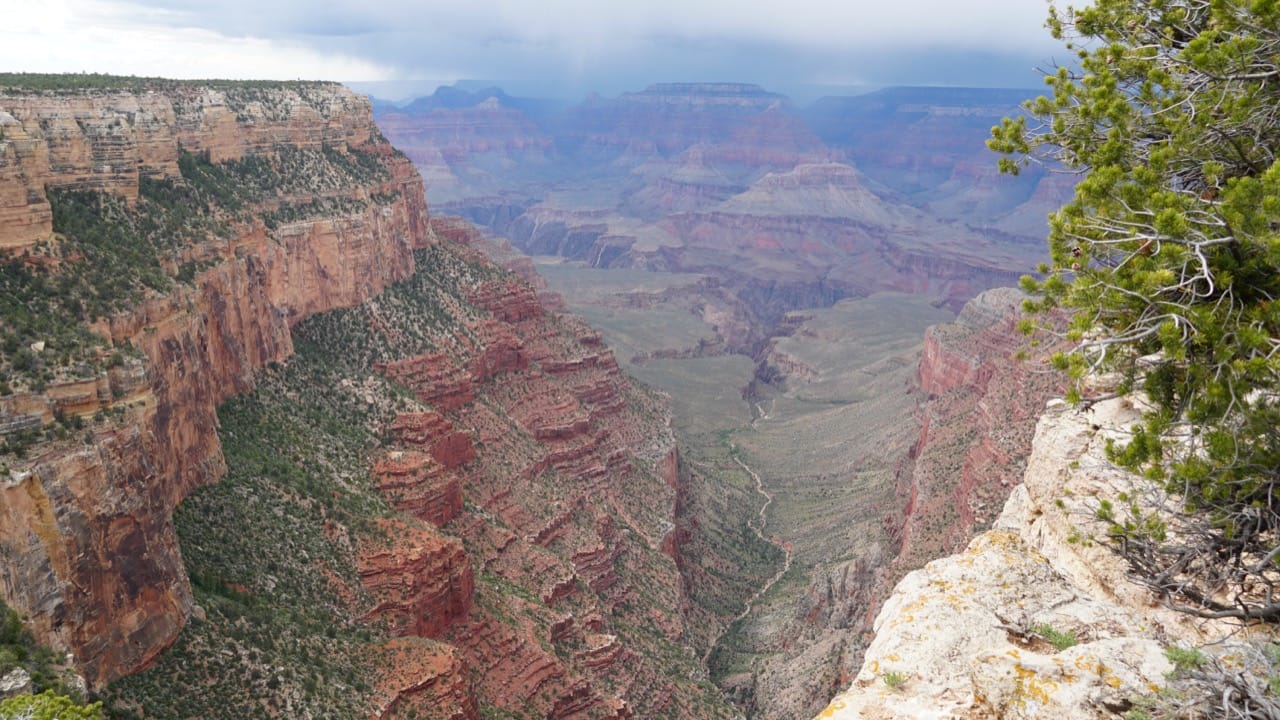
Rivers carve their own extremes. The Grand Canyon in the United States is one of the deepest and most famous canyons on Earth, cut by the Colorado River over millions of years. In some places its walls rise more than a mile above the river. Other canyons, like Yarlung Tsangpo in Tibet, may be even deeper when measured from rim to riverbed. These gashes in the crust are time machines, exposing rock layers that record hundreds of millions of years of Earths history.
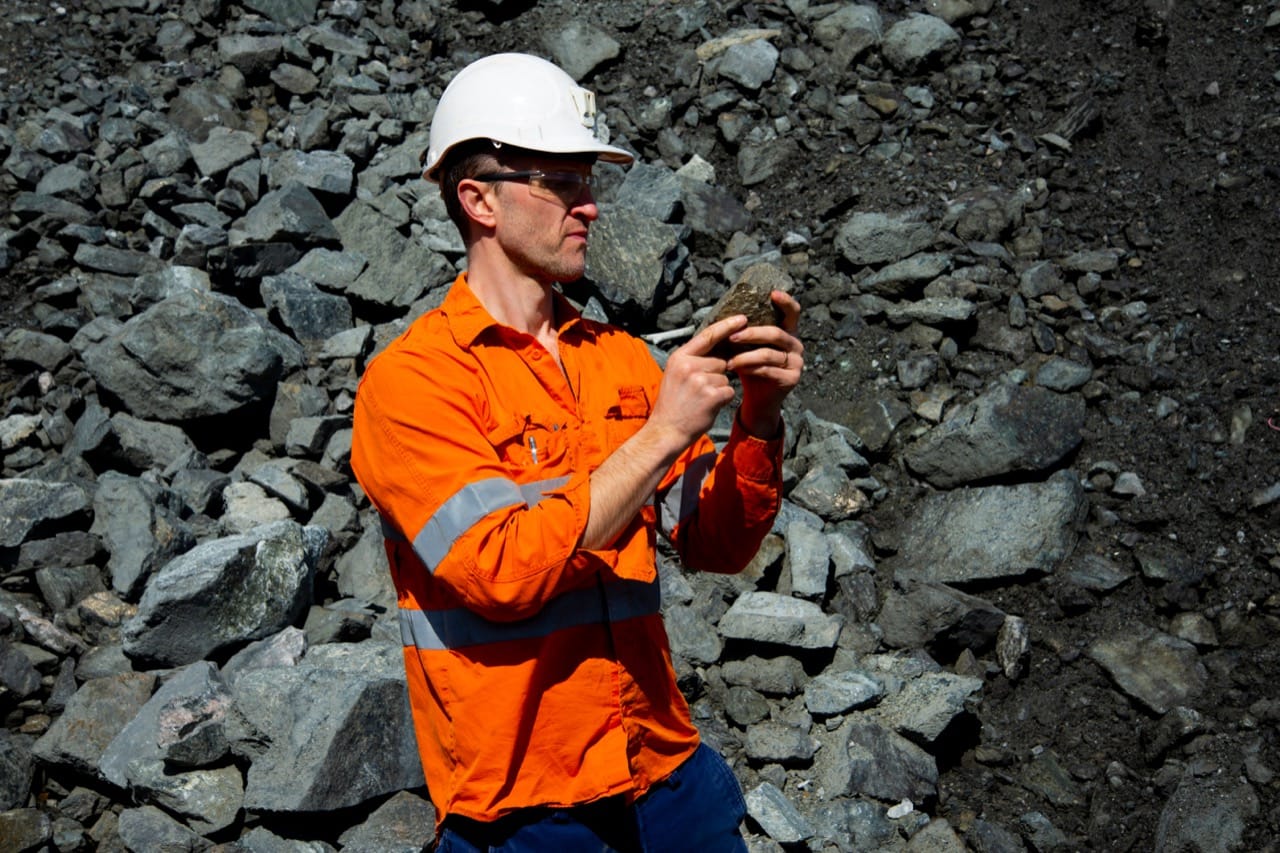
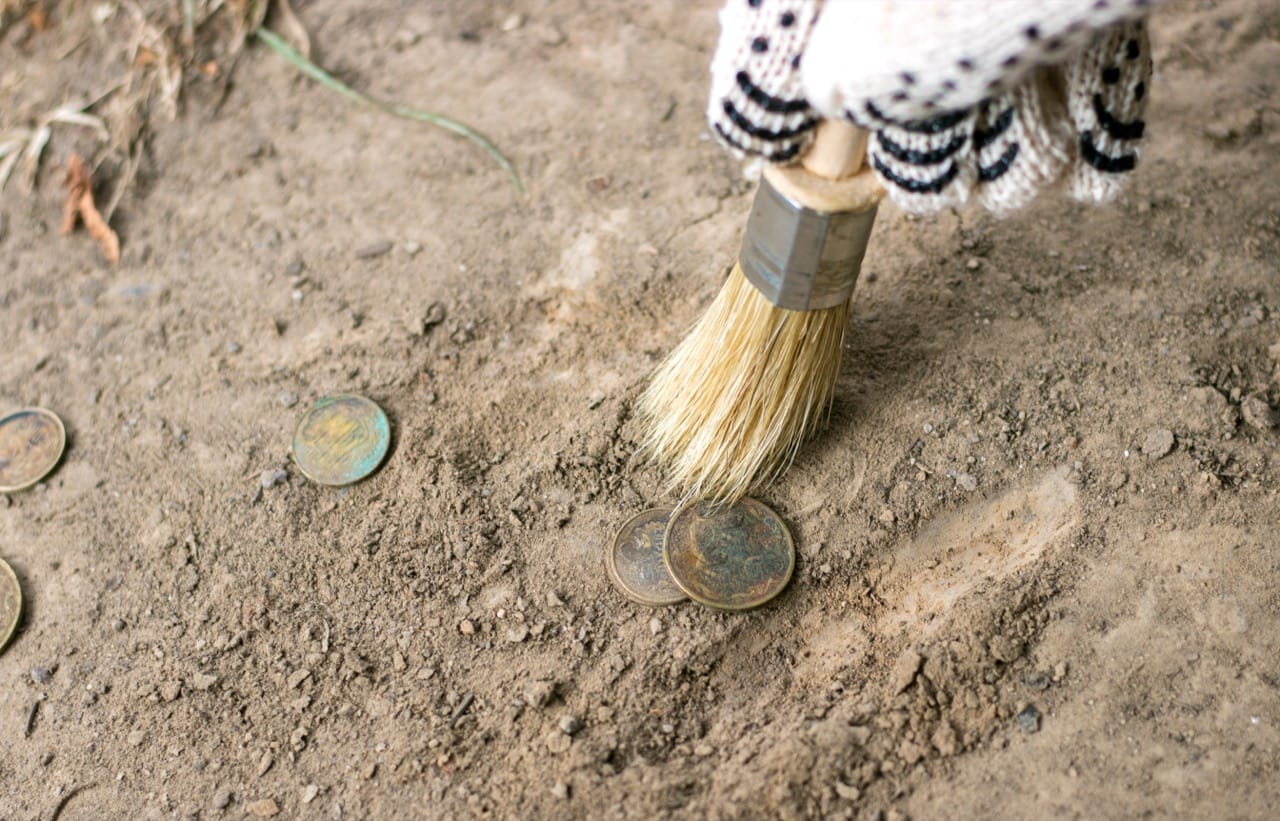
Rocks themselves can set astonishing records. Some minerals, like tiny zircon crystals found in Australia, are over four billion years old, formed when Earth was still a young, hostile world. Many diamonds began their journey more than 100 kilometers below the surface, under pressures and temperatures so intense that carbon atoms locked into a crystal lattice. Some of these diamonds formed long before complex life evolved in the oceans.
Even temperature and pressure push the limits. The deepest mines on Earth reach more than three kilometers down, where rock temperatures can exceed 50 degrees Celsius and air must be cooled for humans to work. Far below that, near the core, temperatures rival the surface of the sun and pressures crush matter into exotic forms.
When you explore Earths extremes, you see our planet as an active, restless system. Every mountain peak, deep canyon, ancient crystal, and roaring volcano is a chapter in a story that spans four and a half billion years. A quiz on geology records and superlatives is really an invitation to read that story, one rock at a time.