Shoreside Curiosities: A Globe-Trotter’s Sand and Sea Challenge









Quiz Complete!
Exploring Shoreside Curiosities Around the World
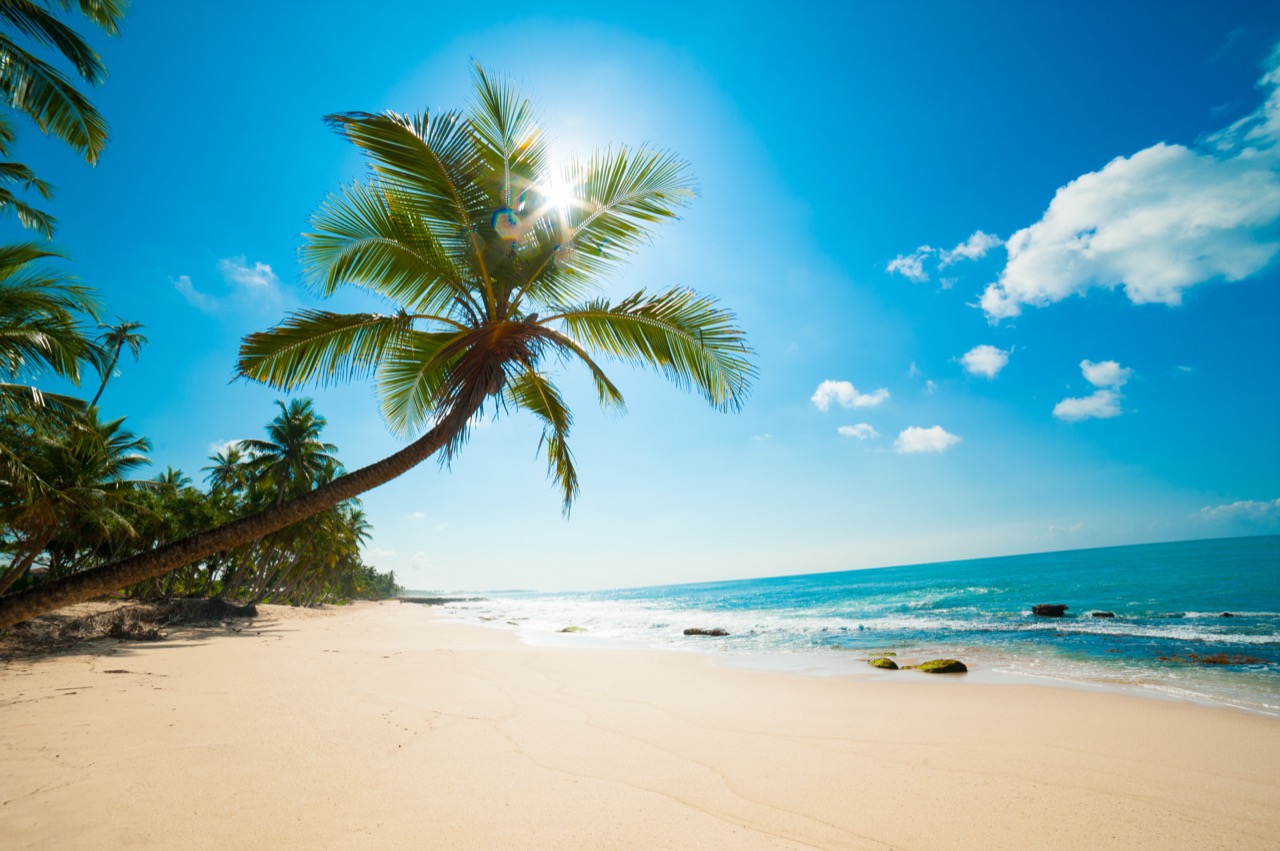
Coastlines have always captured human imagination. Where land meets sea, we find not only beautiful scenery but also rich stories of nature, culture, and history. From famous beaches to remote rocky shores, these places reveal how deeply the ocean shapes our lives and our planet.
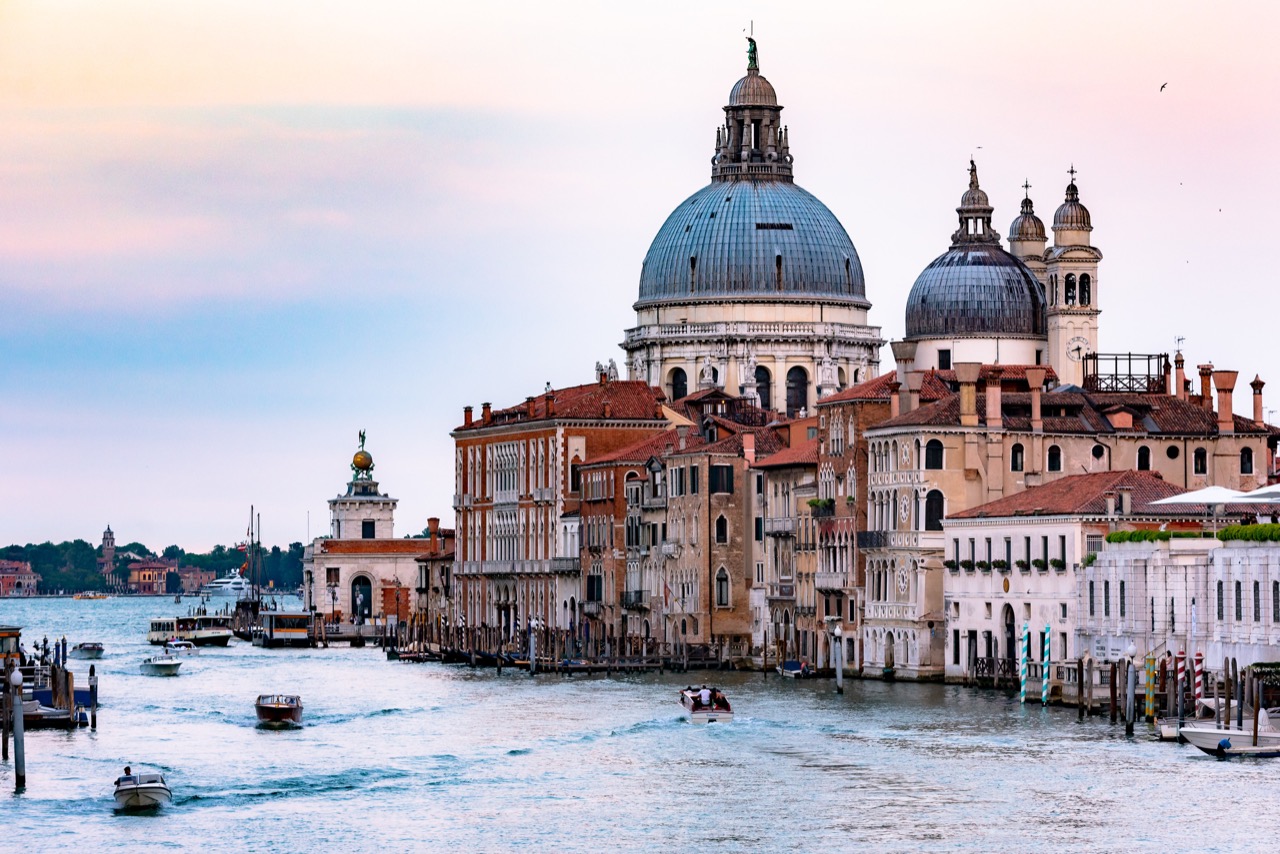
Many of the world’s most iconic cities grew up along coasts. Harbors made it easier for ships to trade goods, ideas, and traditions. Over time, these ports became cultural crossroads, where languages mixed and food, music, and customs blended. Today, walking along a busy waterfront can feel like traveling through many countries at once, as you see fishing boats, cargo ships, and cruise liners sharing the same waters.
Coastal landscapes themselves are incredibly varied. Some shores are lined with soft white sand made from tiny pieces of coral and shells. Others are formed from black volcanic sand, created when hot lava meets cold seawater and shatters into grains. There are also pebbled beaches that sing or whistle when waves roll over them, and towering cliffs carved by centuries of crashing surf. Every coastline tells a geological story written by wind, waves, and time.
Life at the water’s edge is just as diverse. Tide pools, for example, are like miniature worlds. When the tide goes out, small pools of seawater get trapped among rocks, home to starfish, crabs, anemones, and colorful algae. These creatures have adapted to a tough lifestyle, surviving both underwater and exposed to the air, as well as changing temperatures and salinity. Seabirds patrol the shorelines too, diving for fish or probing the sand for hidden meals.
Some coastal phenomena seem almost magical. Bioluminescent bays and beaches can glow blue at night when waves disturb tiny organisms that produce light. Certain coasts experience extreme tides, where the water level can rise and fall by many meters in a single day. Elsewhere, long stretches of sand appear and disappear with the seasons as currents move sediment along the shore.
Human cultures have always looked to the sea for both survival and inspiration. Fishing traditions, boat-building skills, and navigation techniques have been passed down through generations in coastal communities. Many festivals celebrate the ocean, from blessing fishing fleets to honoring sea gods and goddesses. Beachside markets sell fresh seafood, handmade crafts, and snacks flavored with sea salt and coastal herbs.
Travelers are often drawn to coasts for relaxation, but there is much more than sunbathing to enjoy. You can explore historic lighthouses that once guided ships away from dangerous rocks. You can learn about coral reefs and mangrove forests that protect shorelines from storms. In some places, you can even see how rising sea levels and erosion are changing coastlines today, reminding us that these environments are fragile.
Whether you are standing on a world famous beach or a quiet hidden cove, the shore is full of curiosities. The more you learn about coastal geography, wildlife, and traditions, the more you realize that every grain of sand and every breaking wave has a story to tell.