Slow-Motion Safari: The Ultimate Sloth Species Showdown
Few animals are as instantly charming as sloths, but there is far more to these slow-motion tree dwellers than sleepy faces and lazy reputations. This quiz uncovers the surprising world of sloth varieties and types, from their two-toed and three-toed clans to the quirky details that separate one species from another. Along the way, you will explore how different sloth species move, eat, and survive in the rainforest canopy, and why their unusual lifestyles make them such successful specialists. Expect questions about fur, toes, habitats, and even their upside-down bathroom breaks. Whether you are a casual animal fan or a serious wildlife nerd, this trivia challenge will test how well you can tell a Hoffmann’s from a brown-throated sloth and a pygmy from a pale-throated. Get ready to rethink everything you thought you knew about these wonderfully odd mammals.
1
Which sloth species is famous for being a tiny, island-dwelling three-toed sloth?
2
Compared to three-toed sloths, two-toed sloths typically show which key difference in activity patterns?
3
Which extinct group includes the enormous ground-dwelling relatives of modern sloths?
4
Which three-toed sloth species is known for its pale, almost yellowish throat and chest fur?
5
Which major group of sloths includes species with two claws on their front limbs?
6
Which feature helps algae and tiny organisms grow more easily on a sloth’s fur, especially in some three-toed species?
7
Which of these is a real living species of three-toed sloth?
8
In general, which group of sloths has a slightly more varied diet that can include fruits and occasional animal matter?
9
Which of these body features is especially well developed in three-toed sloths compared to two-toed sloths?
10
Linnaeus’s two-toed sloth belongs to which scientific genus?
11
Which sloth species is distinguished by a dark, mane-like fur around its neck and shoulders?
12
Hoffmann’s two-toed sloth is naturally found in which general region?
0
out of 12
Quiz Complete!
Slow-Motion Safari: Discovering the Different Species of Sloths
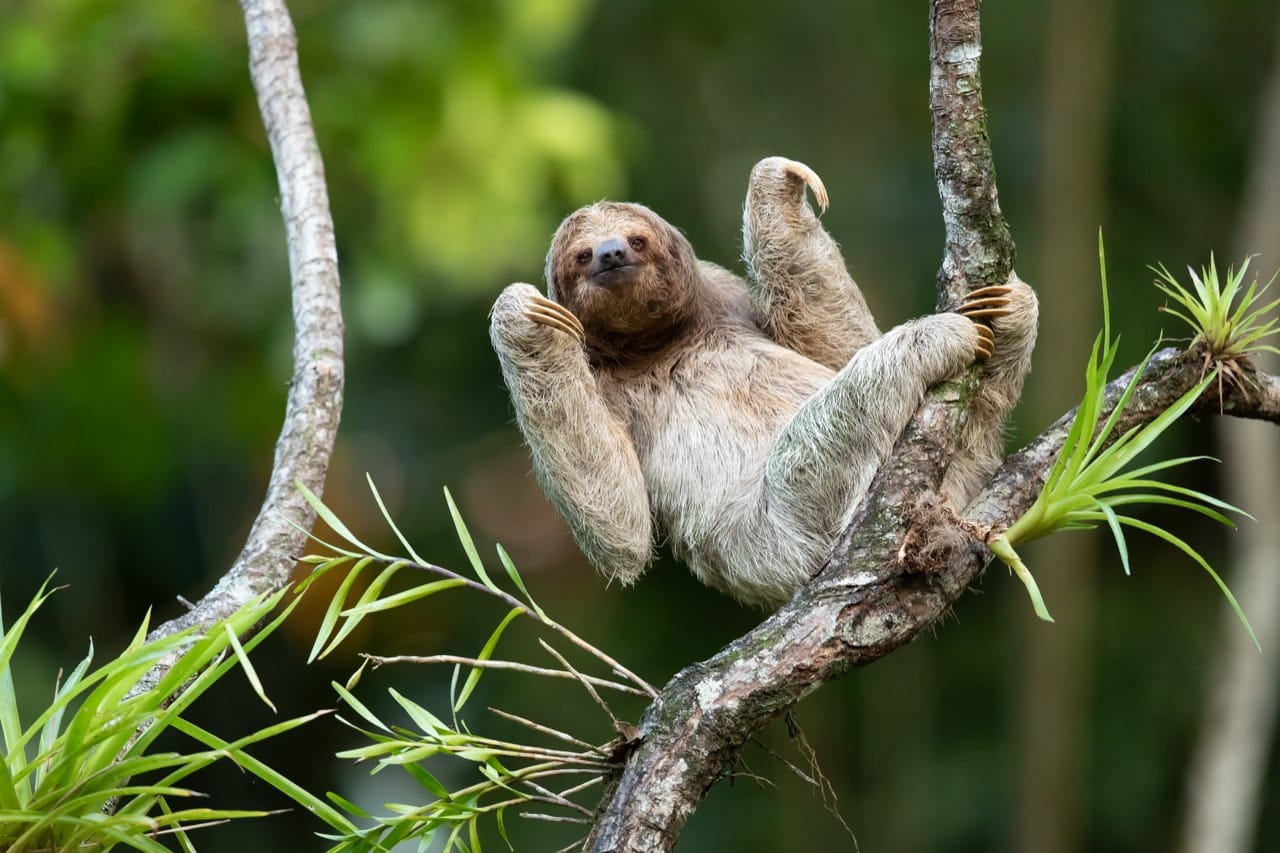
Sloths may be famous for moving slowly, but their world is far more dynamic and varied than it first appears. Hidden high in the rainforests of Central and South America, several different sloth species live very different lives, even if they all share that relaxed, unhurried style.
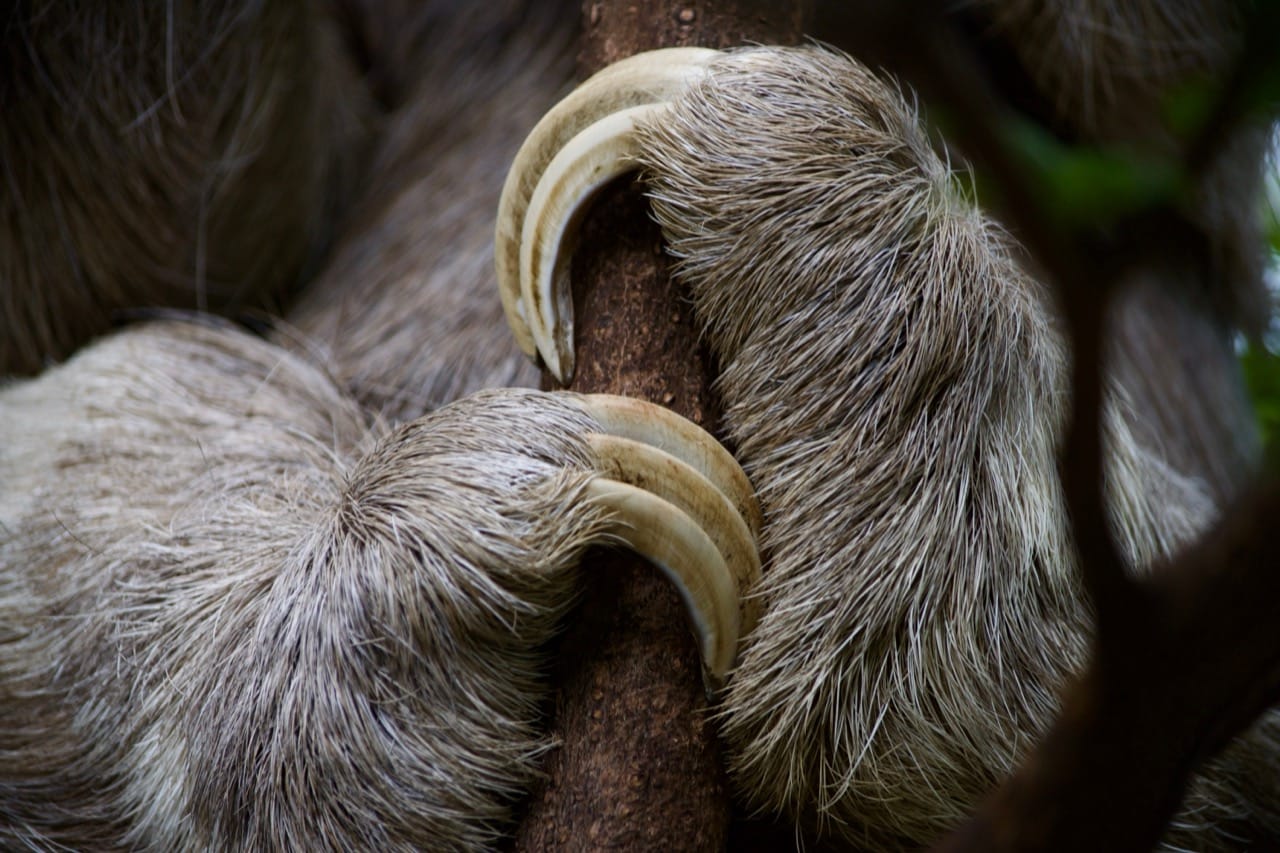
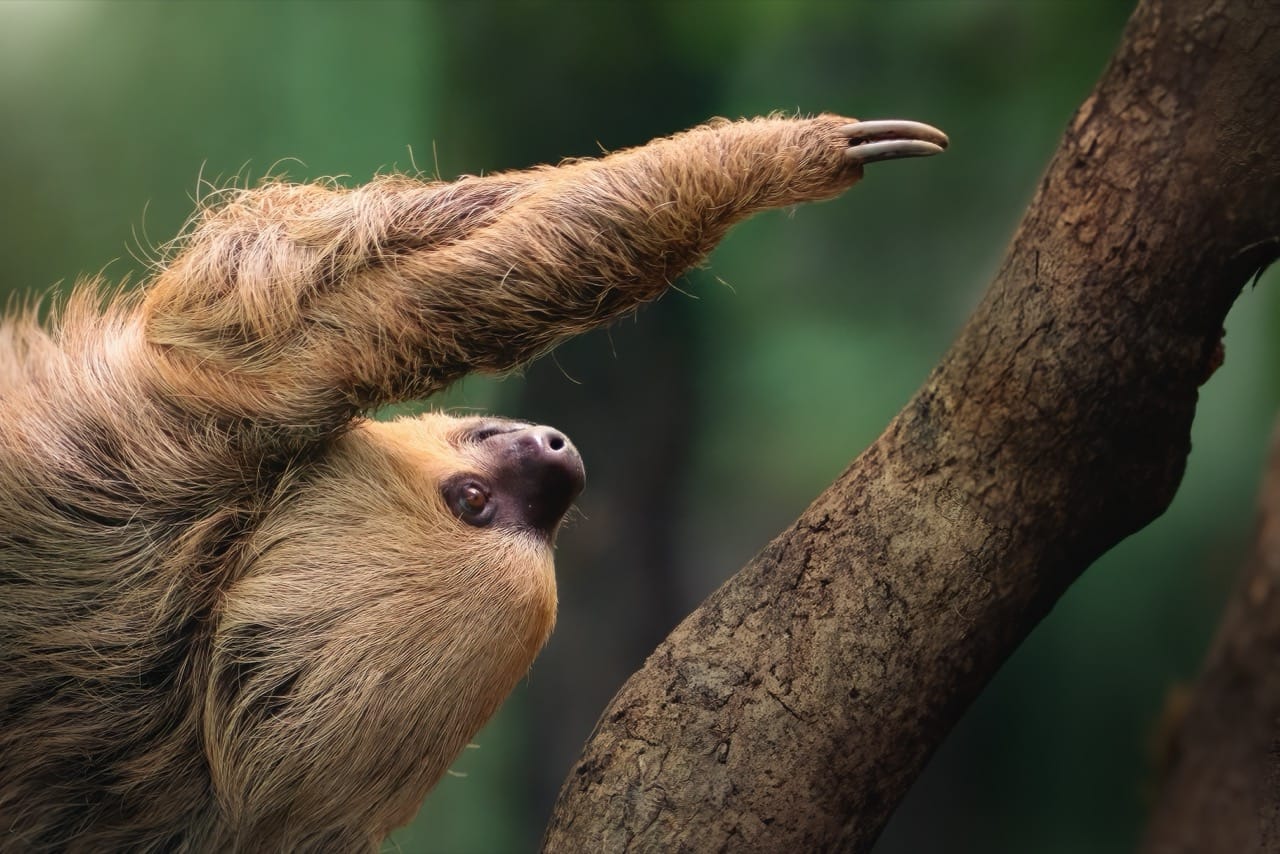
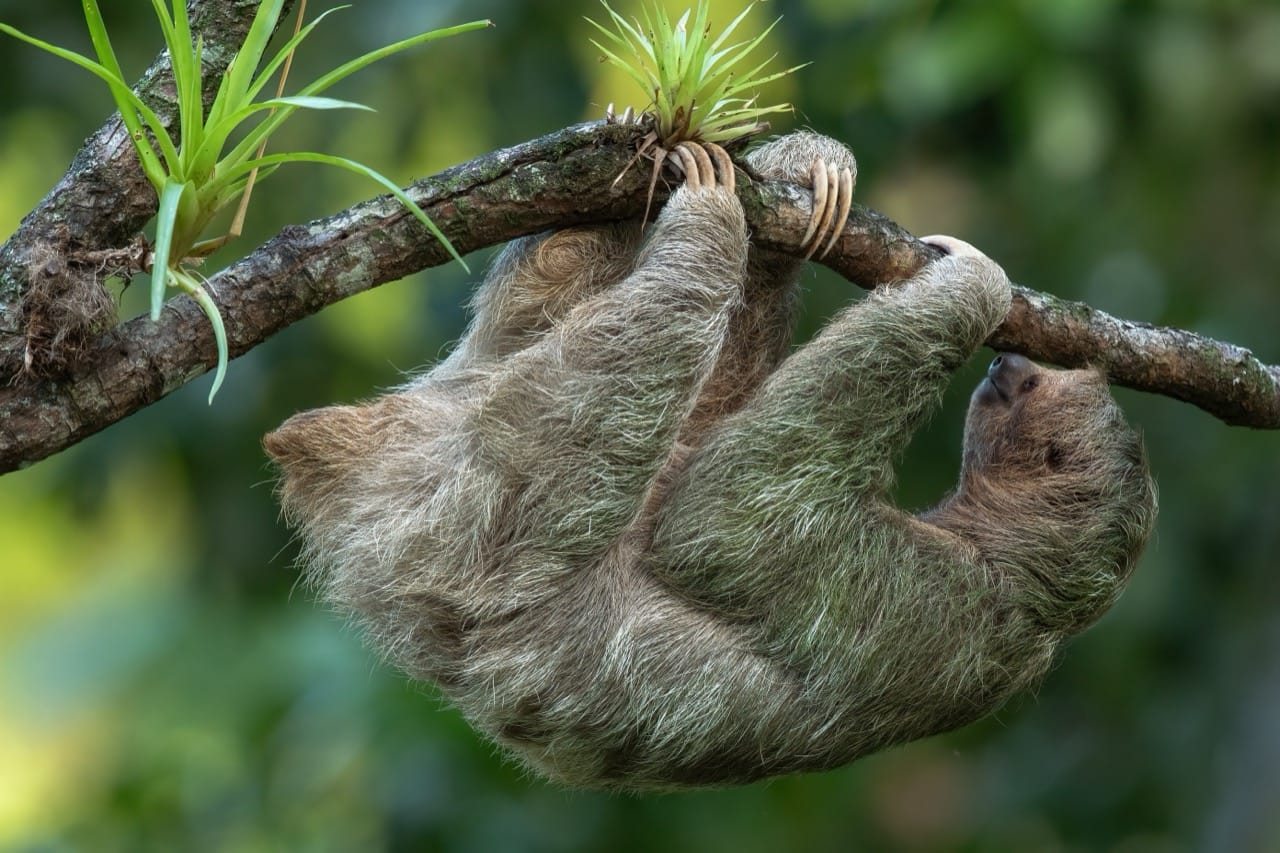
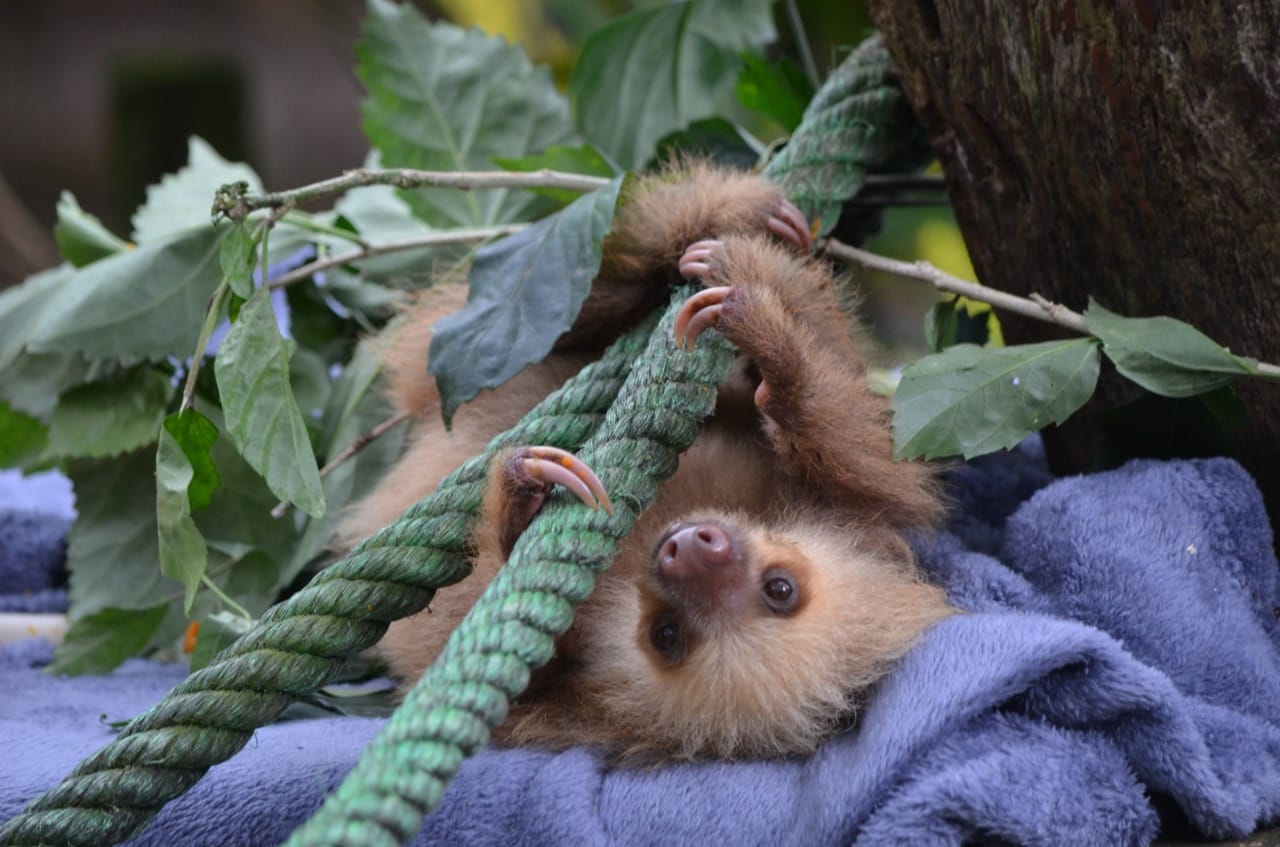
The first big divide in the sloth family is between two-toed and three-toed sloths. The names refer to the number of toes on their front feet, which you would see if they reached out along a branch. Two-toed sloths actually have two long claws on their front limbs and three on their back limbs. Three-toed sloths have three claws on both front and back limbs. These claws are essential for hanging upside down, climbing, and gripping branches, and they are one reason sloths are such successful tree dwellers.
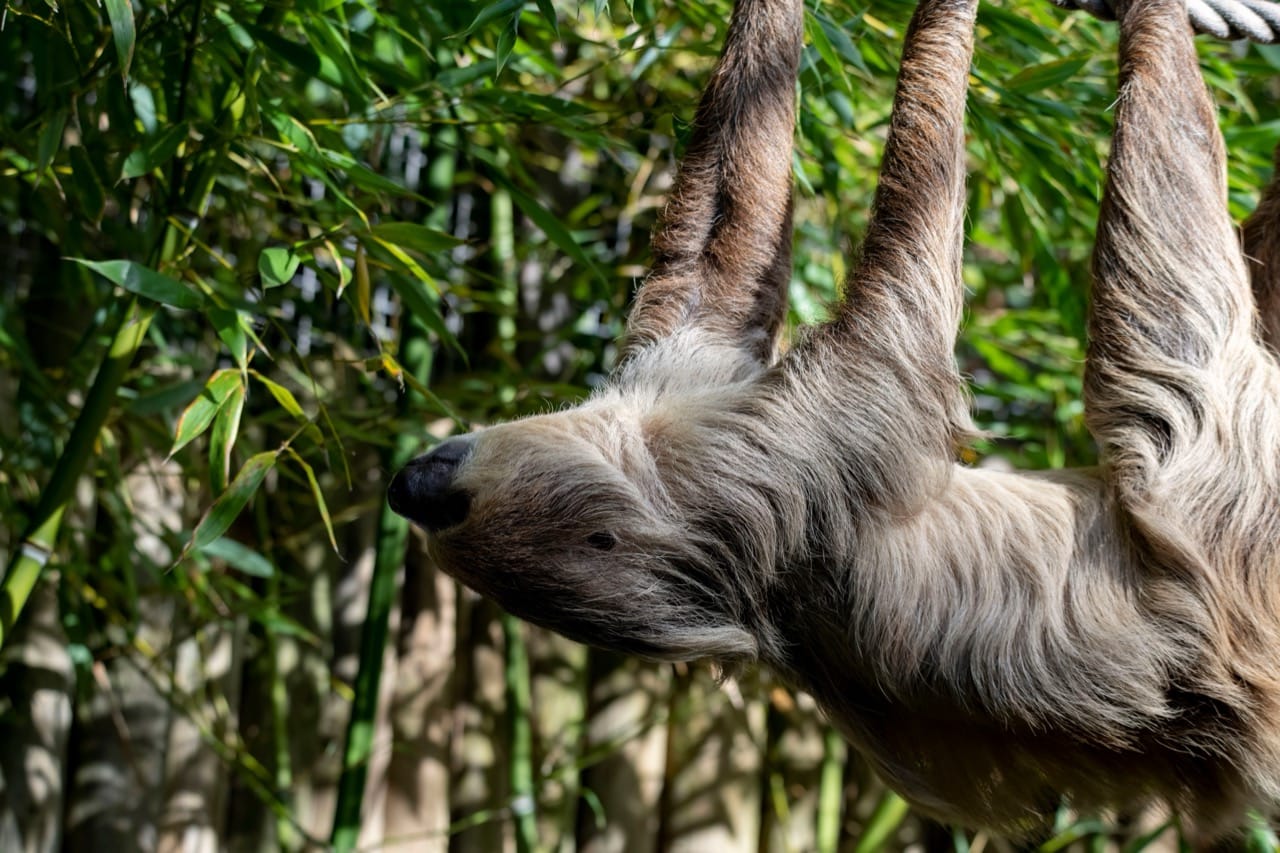
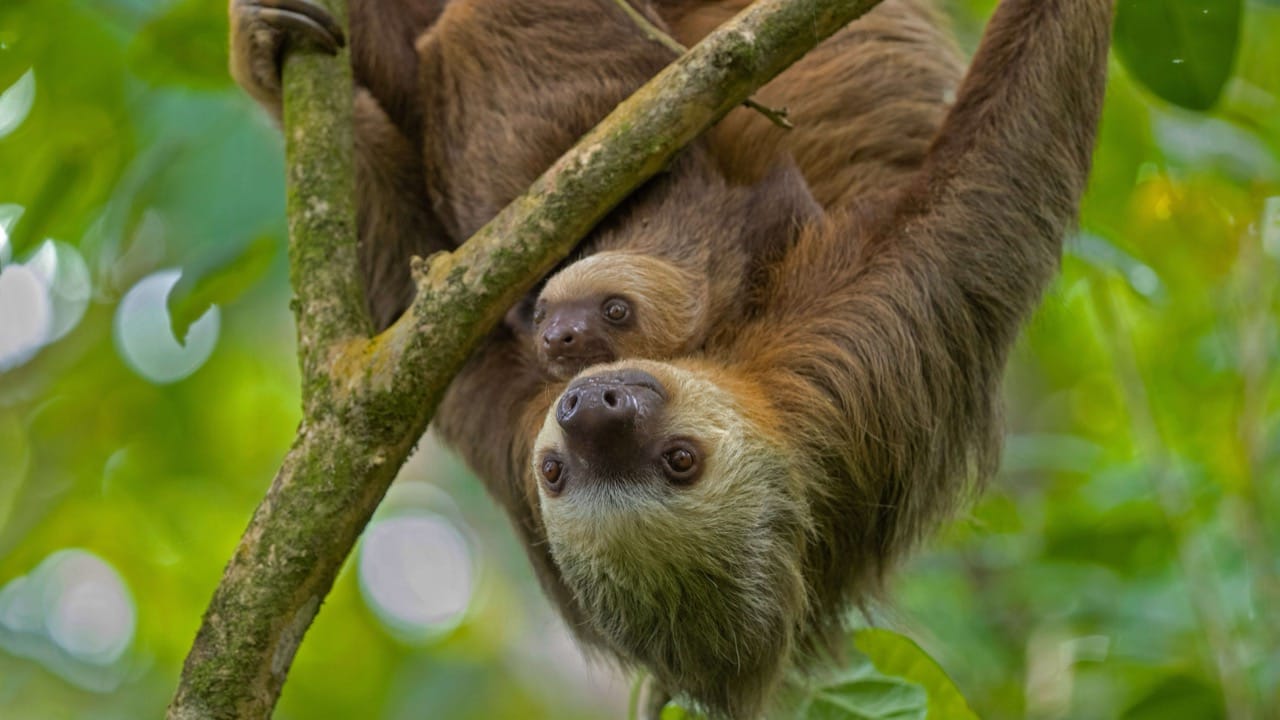
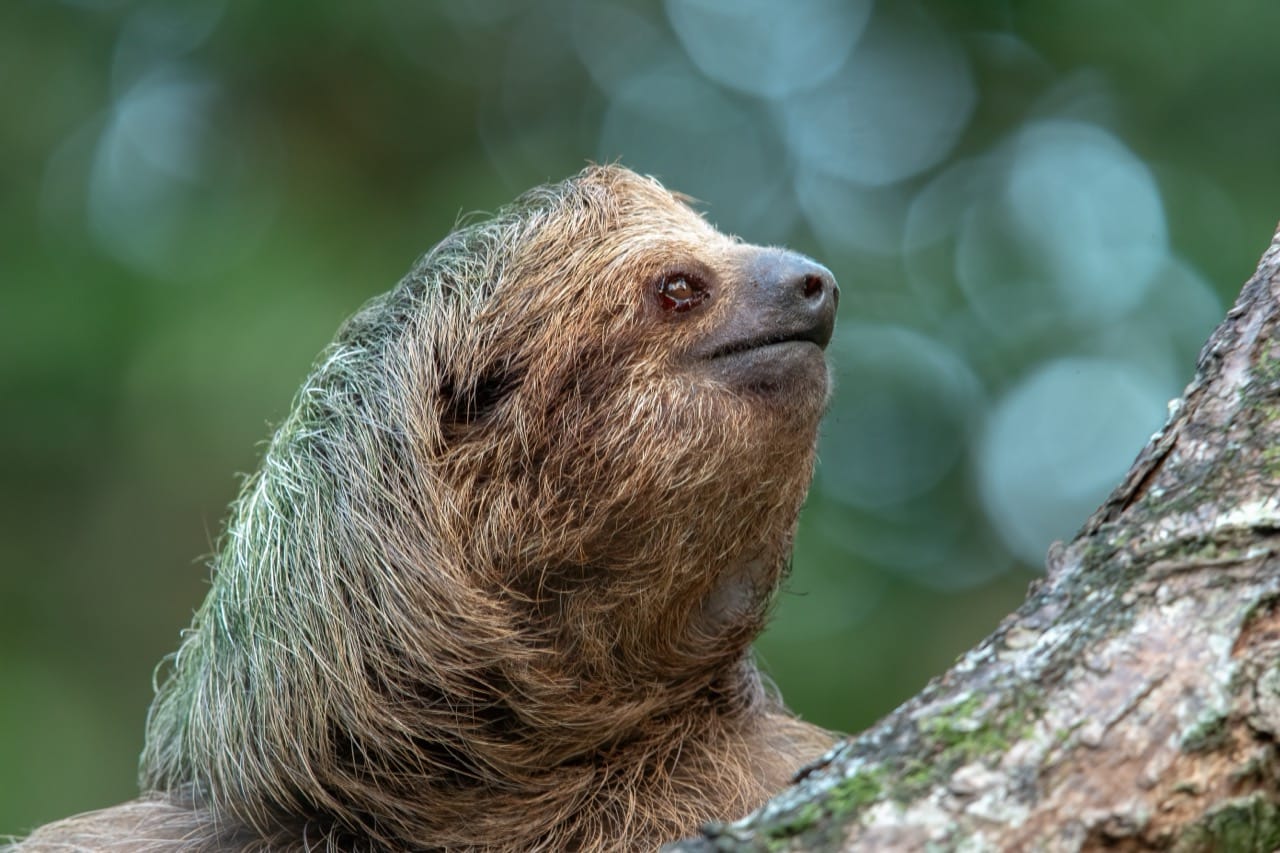
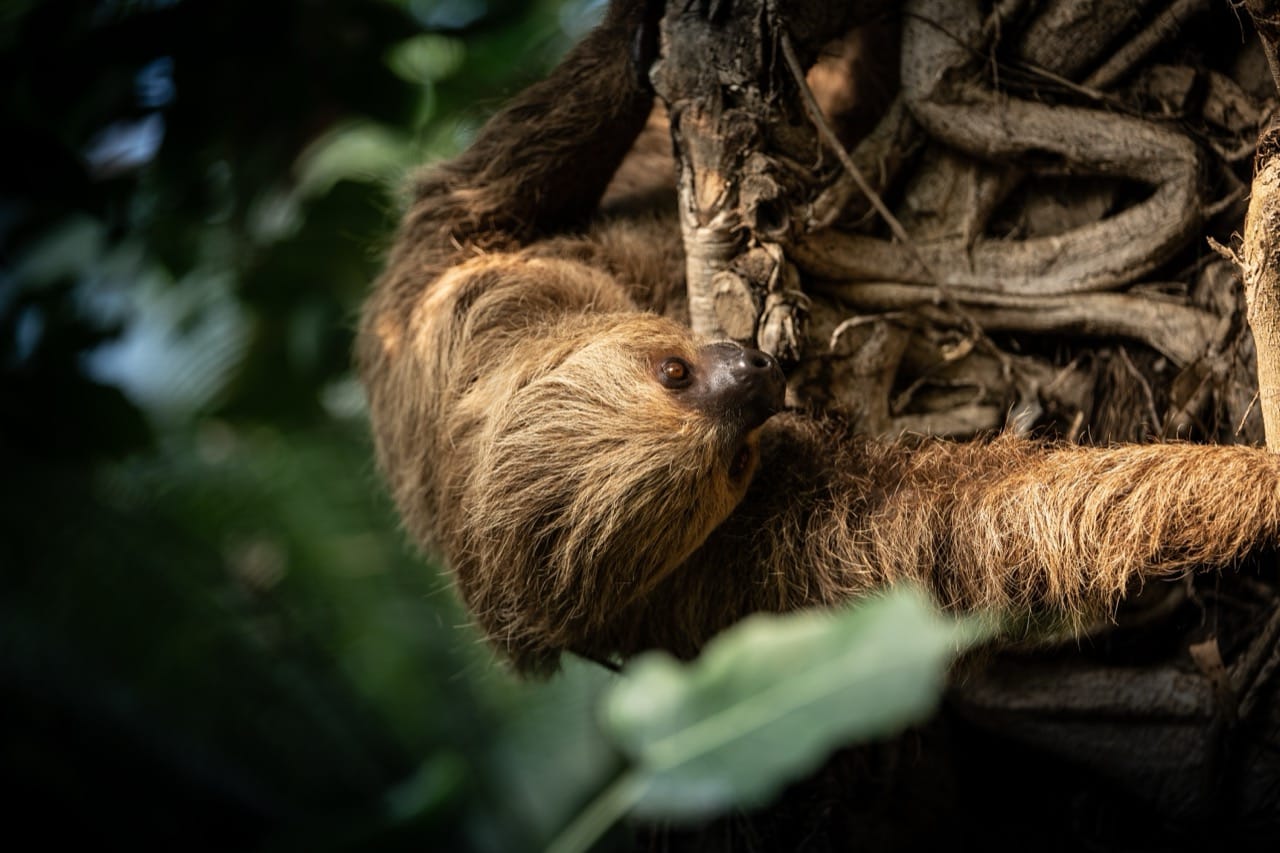
Two-toed sloths, such as Hoffmanns two-toed sloth, tend to be slightly larger and more muscular than their three-toed cousins. They have a more varied diet, eating leaves, fruits, and sometimes even small animals or bird eggs. This flexibility helps them adapt to different parts of the forest. Hoffmanns two-toed sloth ranges from Central America into parts of South America, living in both lowland rainforests and cooler mountain forests. Their shaggy fur, often tinted green by algae, helps them blend into the canopy and avoid predators like jaguars and harpy eagles.
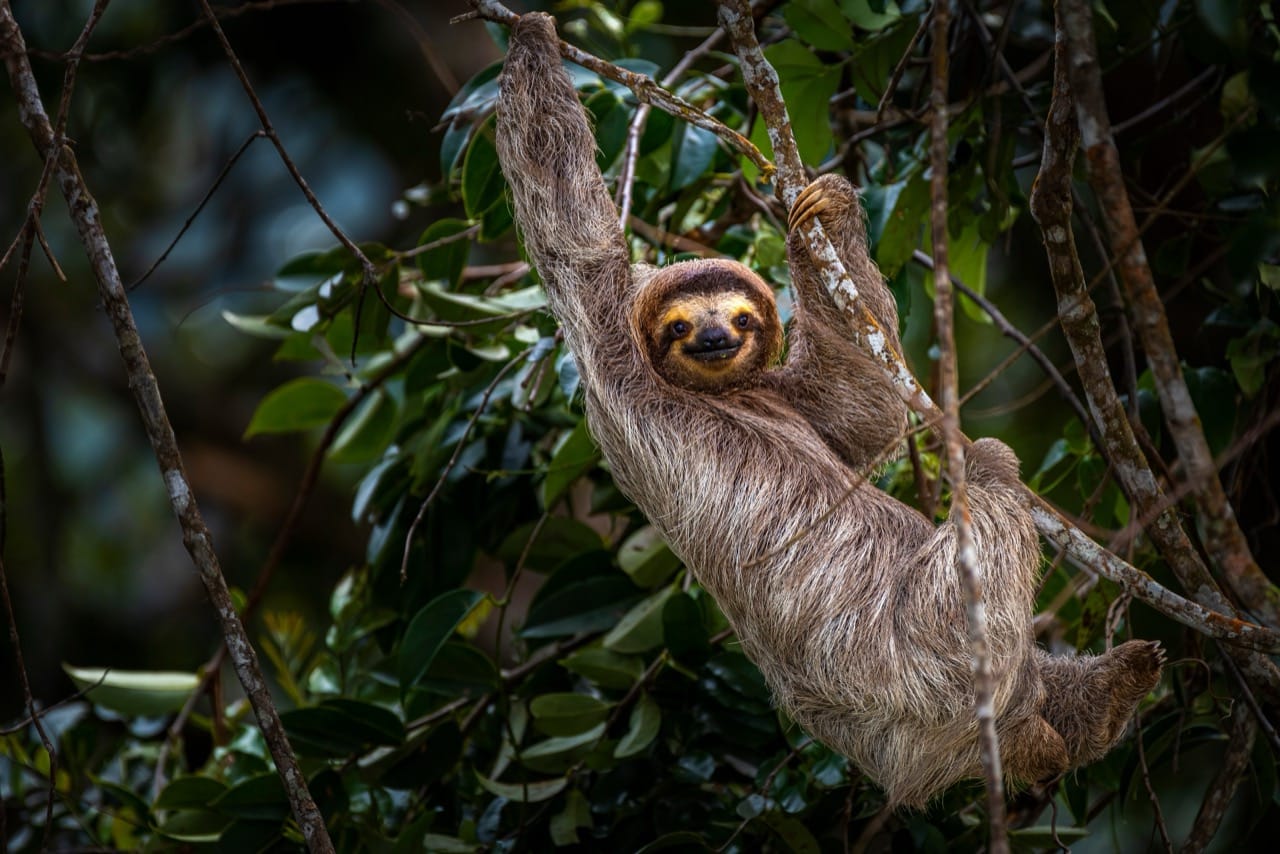
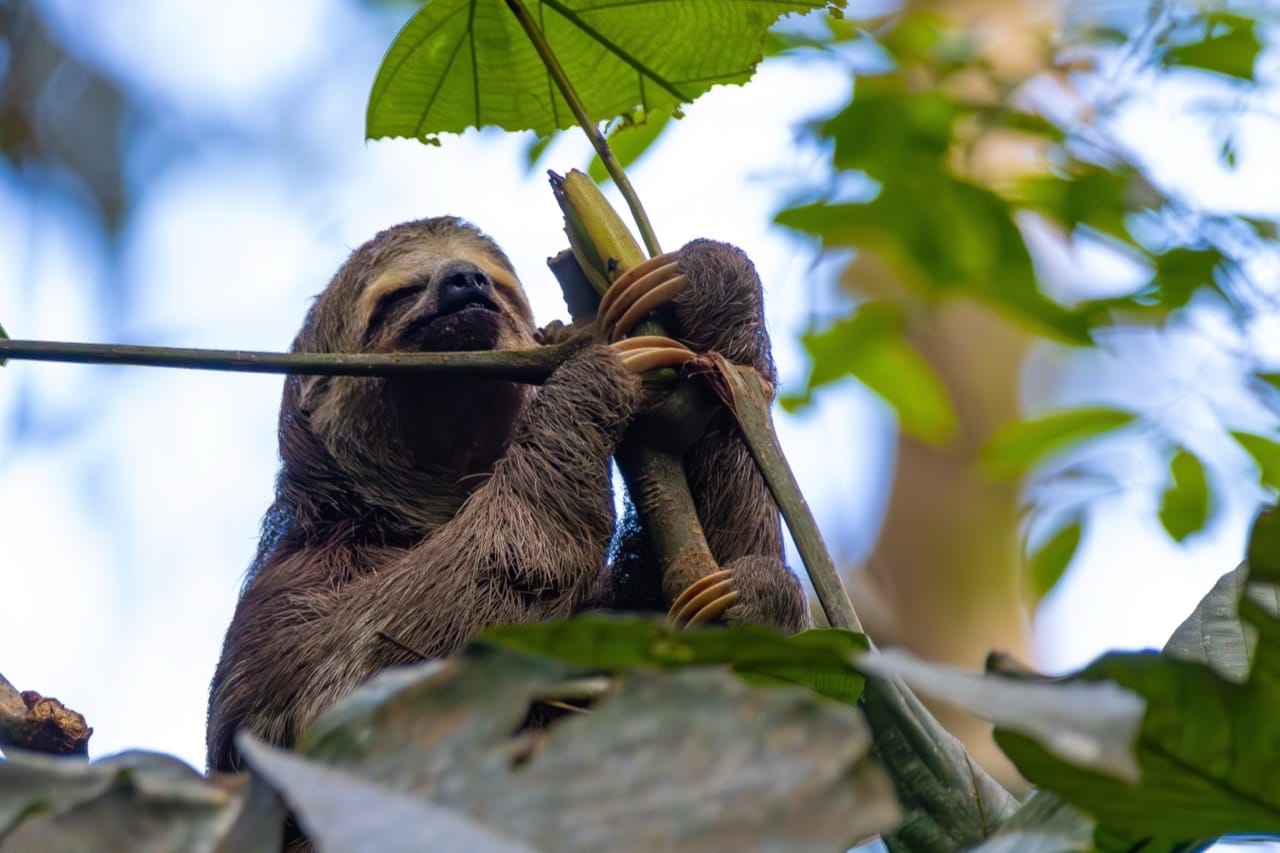
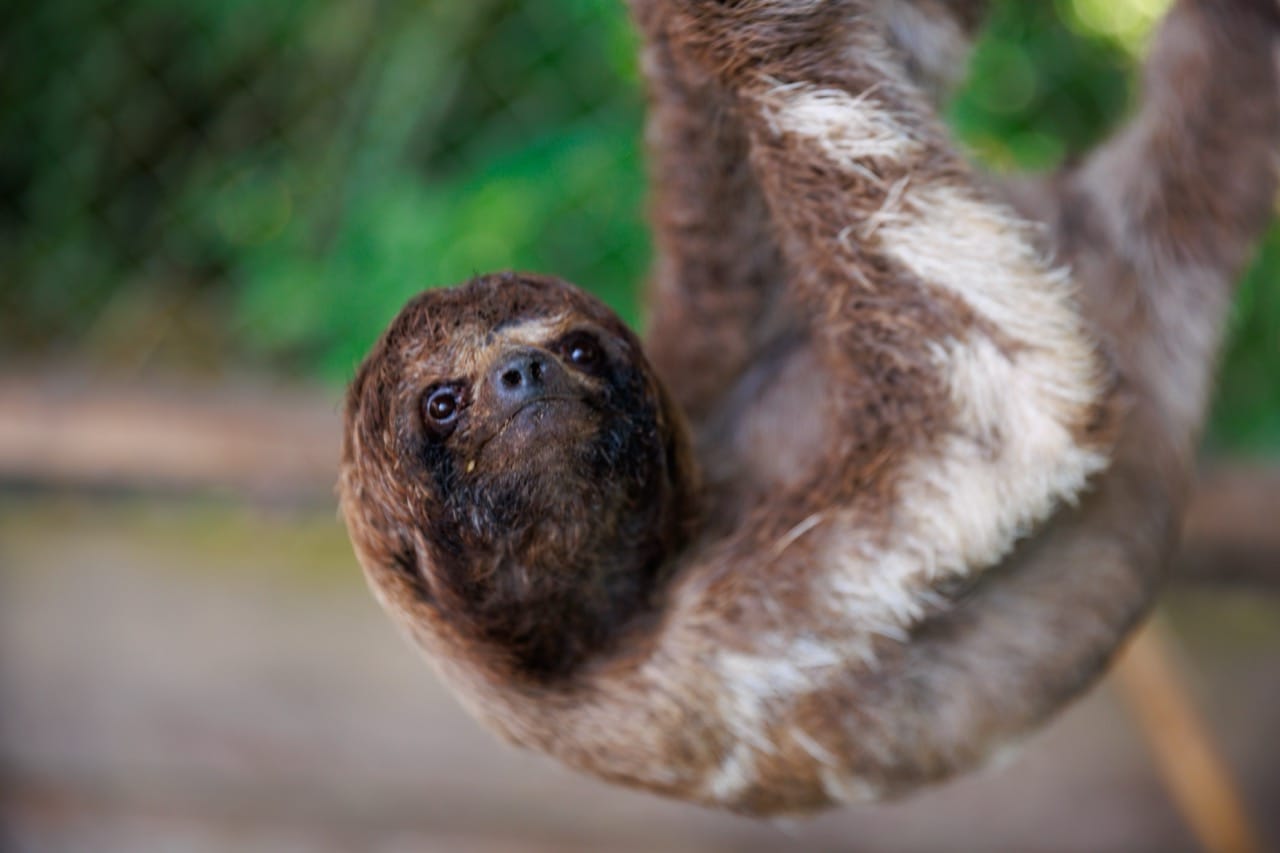
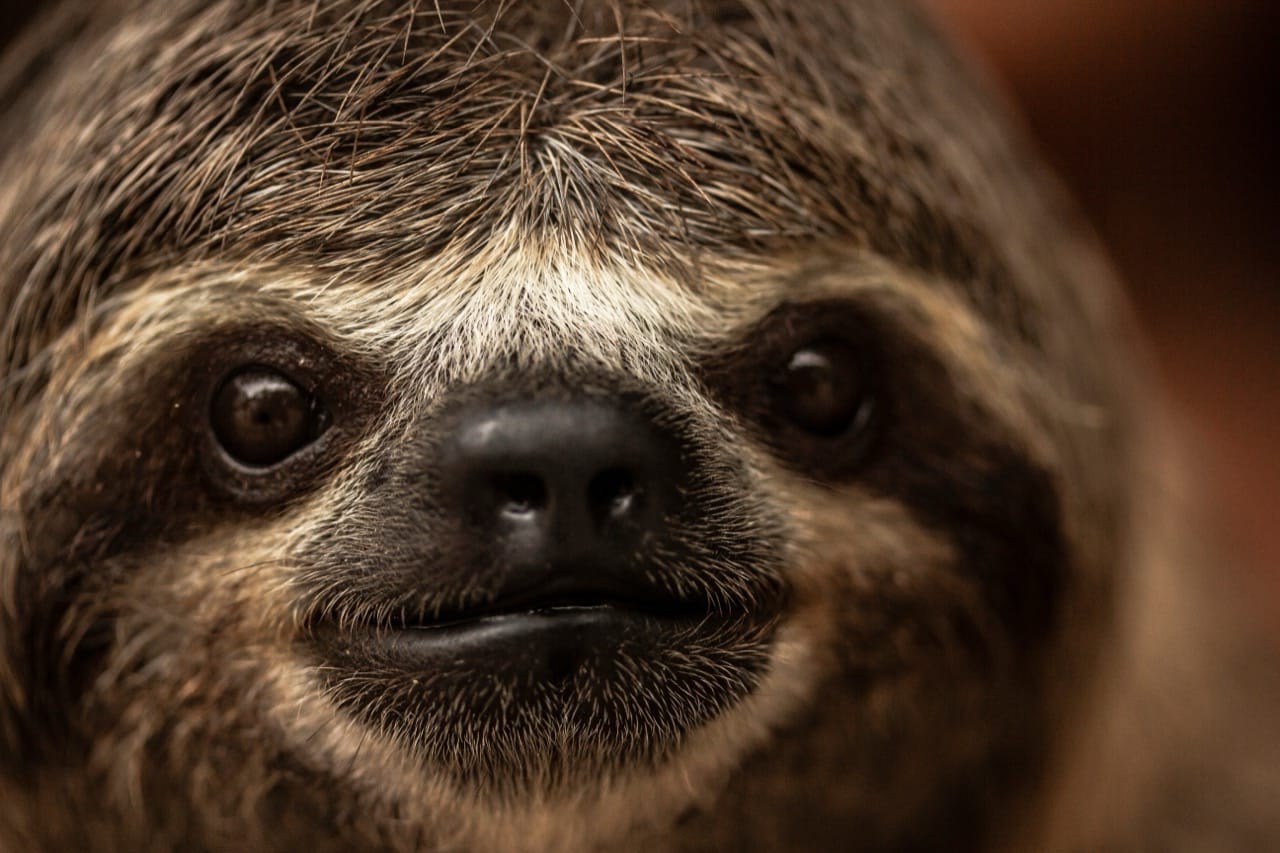
Three-toed sloths include several species, such as the brown-throated, pale-throated, maned, and pygmy three-toed sloths. The brown-throated sloth is the most widespread and commonly seen species. It has a distinctive brown patch on its throat and a gentle, mask-like pattern on its face. Brown-throated sloths are strict leaf-eaters, relying on a slow metabolism and a specialized stomach to digest tough foliage. This leaf-based diet provides little energy, which helps explain their famously slow movements and long rest periods.
The pale-throated sloth, found in parts of northern South America, looks similar but has a lighter throat and slightly different facial markings. The maned sloth, native to the Atlantic Forest of Brazil, has a dark mane of fur around its neck and shoulders. This species is more restricted in range and considered vulnerable due to habitat loss.
Perhaps the most unusual is the pygmy three-toed sloth, which lives only on a small island off the coast of Panama. As its name suggests, it is smaller than its mainland relatives. Its isolated habitat and limited population make it one of the rarest mammals in the world. Learning to tell these species apart involves paying attention to details like fur color, face patterns, throat patches, and where they live.
Despite their slow speed, sloths are well adapted to survival. Their upside down lifestyle reduces competition with ground animals, and their slow, quiet movements make them hard to spot. Even their bathroom habits are specialized. Most sloths descend from the trees only about once a week to relieve themselves at the base of a tree, a risky trip that still puzzles scientists.
Exploring the differences between sloth species reveals a group of animals finely tuned to life in the treetops. From toe counts and fur patterns to diets and habitats, each species has its own story. The more you learn, the more you realize that these sleepy looking mammals are anything but simple.