Starlight, Soundtracks, and Spacecraft: A Pop-Culture Cosmos Quiz
Galaxies explode on movie screens, astronauts trade one-liners in TV shows, and chart-topping songs borrow their magic from the night sky. This quiz orbits that wild intersection where real astronomy collides with the imagination of storytellers, filmmakers, game designers, and musicians. From black holes on the big screen to iconic starships and cosmic catchphrases, each question tests how well you know the universe as reimagined in popular culture. Expect nods to cult classics, blockbuster franchises, retro sci-fi, and even a few deep cuts that only true space buffs will recognize. Along the way, you might spot where Hollywood bent the laws of physics, where it got the science surprisingly right, and how real discoveries inspired fictional worlds. Buckle up, ignite your curiosity boosters, and see if your pop-culture knowledge is truly out of this world.
1
Which 2013 film starring Sandra Bullock and George Clooney focuses on astronauts stranded after debris destroys their space shuttle?
2
In the original 1977 Star Wars film, which celestial body is destroyed by the first Death Star’s superlaser?
3
In the film Apollo 13, astronaut Jim Lovell famously says, "Houston, we have a problem." Which real NASA mission is the movie based on?
4
In the Star Trek universe, what is the name of the faster-than-light propulsion system that allows starships to travel between star systems?
5
In Christopher Nolan’s film Interstellar, which real astronomical phenomenon is central to the plot and visualized using advanced physics simulations?
6
Which Marvel Cinematic Universe character is a talking, spacefaring raccoon who pilots ships and fights across the galaxy?
7
In the video game series Mass Effect, what is the name of the ancient race of starship-sized synthetic beings that cyclically wipe out advanced civilizations?
8
The TV series The Expanse is primarily set within which region of our Solar System?
9
In the animated film WALL·E, what is the name of the massive spaceship where humans live after abandoning Earth?
10
In the film The Martian, astronaut Mark Watney survives being stranded on Mars by growing which crop in Martian soil?
11
Which musician released the song "Space Oddity," inspired by space travel and featuring the fictional astronaut Major Tom?
12
Which classic TV series popularized the phrase "Space: the final frontier" in its opening narration?
0
out of 12
Quiz Complete!
Exploring the Pop-Culture Cosmos: Where Space Meets Storytelling
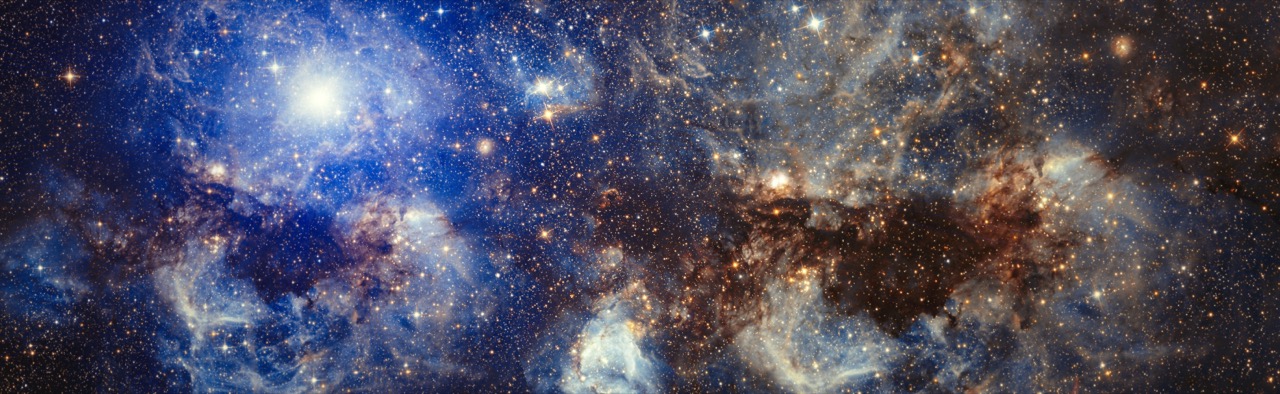
Space has always been more than a backdrop. In movies, TV shows, games, and music, the universe becomes a stage where human hopes, fears, and wildest ideas play out among the stars. A quiz about pop culture and the cosmos taps into this shared fascination, asking how well we recognize the constellations of references that fill our favorite stories.
On the big screen, filmmakers use real astronomy as both inspiration and challenge. Some movies lean into scientific accuracy, showing silent spacewalks, harsh radiation, or the strange pull of black holes. Others happily bend the rules of physics for the sake of drama, giving us noisy space battles, impossible maneuvers, and starships that jump across the galaxy in seconds. Part of the fun is spotting which details are grounded in real science and which are pure imagination.
Iconic starships are a perfect example. They often reflect the era and culture that created them. Sleek, idealistic designs suggest optimism about the future and cooperation among planets. Dark, jagged vessels hint at war, empire, or technology gone wrong. While no real spacecraft yet looks quite like these fictional giants, many design elements echo real engineering questions: how to power long journeys, protect crews from vacuum and debris, and navigate the vast distances between stars.
Television has also turned astronauts and explorers into memorable characters. They crack jokes in zero gravity, debate ethics on alien worlds, and confront cosmic mysteries that mirror everyday dilemmas on Earth. Even when the science is loose, these stories invite viewers to think about what it would feel like to leave home, to be truly isolated, or to encounter something completely unknown. The best space shows balance wonder with a sense of reality, hinting at the loneliness, danger, and teamwork that real space missions require.
Video games add another layer by letting players pilot their own ships, manage crews, or build colonies on distant planets. Many games borrow terms from astronomy, such as nebulae, quasars, or event horizons, even if they do not depict them perfectly. This playful use of science vocabulary can spark curiosity, sending players to look up what these phenomena are really like.
Music reaches for the stars in a different way. Songwriters use the night sky as a symbol for love, loss, and possibility. Lyrics mention planets, comets, or black holes to capture feelings that are too big for ordinary words. Sometimes artists draw directly from real events, such as moon landings or robotic missions, turning scientific milestones into emotional experiences for listeners.
Underlying all of this is a feedback loop between reality and imagination. Real discoveries, like the first images of a black hole or the detection of exoplanets, inspire new stories and visuals. In turn, those stories motivate young viewers to study astronomy or engineering, hoping to turn fiction into fact. A quiz that explores this pop-culture cosmos is not just about trivia. It is a way to trace the paths between science and storytelling, and to see how deeply the universe has woven itself into our collective imagination.