Tinsel, Tech & Tidings: The Curious Science of Christmas Innovations

Ever wondered who first wired Christmas trees with electric lights instead of balancing dripping candles on branches? Or how a wartime lab experiment helped shape the modern artificial tree? This quiz unwraps the inventive side of the holidays, spotlighting the breakthroughs, oddball experiments, and clever ideas that transformed Christmas from simple celebration to high-tech spectacle. From the chemistry of glittering ornaments to the engineering behind NORAD’s famous Santa tracker, each question peeks behind the curtain of tradition to reveal the surprising minds and moments that changed how the season looks, sounds, and even smells. Perfect for trivia lovers, science fans, and anyone who enjoys a good story with their hot chocolate, this challenge will test what you really know about Christmas innovations and discoveries. Ready to see how bright your festive brainpower truly shines?
1
The modern Advent calendar with small doors revealing pictures or treats was first commercially produced in which country?

2
The modern image of Santa in a bright red suit was strongly reinforced by which company’s advertising campaigns in the 1930s?

3
The first commercially successful fiber-optic Christmas trees relied on what key advantage of fiber optics?

4
The synthetic “Christmas tree smell” used in many candles and air fresheners is most often built around which primary aroma compound?

5
Which innovation helped make Christmas cards affordable for ordinary people in the 19th century?

6
Which World War II–era material innovation helped lead to the popularity of aluminum and later PVC artificial Christmas trees?

7
Which inventor is credited with creating the first electrically lit Christmas tree in his home in 1882?
8
Which scientist’s work on freezing and food preservation indirectly influenced the rise of frozen, ready-to-bake Christmas desserts?

9
Which innovation most directly enabled synchronized outdoor Christmas light shows set to music at private homes?

10
Which company popularized mass-produced, clip-on electric Christmas tree lights for home use in the early 20th century?
11
The NORAD Tracks Santa program, now a digital holiday tradition, began in 1955 because of what unusual event?

12
Which European country is often credited with pioneering the glass-blown Christmas ornament industry in the 19th century?

0
out of 12
Quiz Complete!
The Curious Science Behind Christmas Innovations

Christmas may feel timeless, but many of its most familiar sights and sounds are surprisingly modern inventions shaped by science, engineering, and a bit of daring creativity. The cozy glow of electric lights, the shine of ornaments, and even the idea of tracking Santa across the sky all grew out of experiments and innovations that changed how we celebrate.
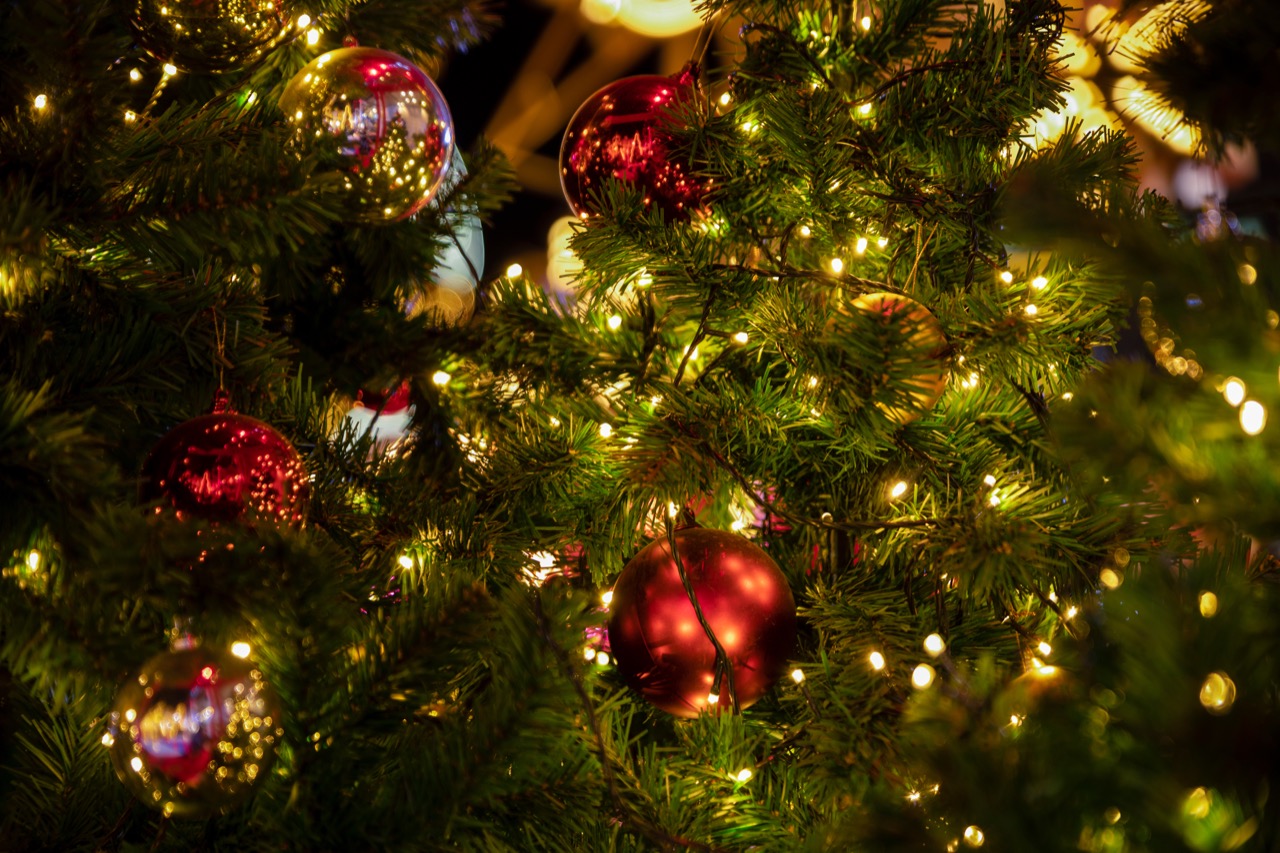
In the 19th century, Christmas trees were lit with real candles, a practice that was beautiful but dangerous. House fires were common, and families had to watch their trees closely. The turning point came when inventors began to experiment with electric light. One of the earliest pioneers was Edward H. Johnson, an associate of Thomas Edison, who in the 1880s hand wired small electric bulbs and placed them on a tree in his home. It was a bold demonstration at a time when electricity itself still felt mysterious and risky. Over time, improvements in wiring, bulb design, and safety standards turned Christmas lights into an accessible decoration. Mass production, cheaper materials, and standardized sockets helped strings of lights spread from city storefronts to homes around the world.
Artificial Christmas trees also have a scientific backstory. Early versions were made from feathers or brush bristles, but the 20th century brought new materials developed for completely different reasons. During wartime research, chemists and engineers refined plastics and synthetic fibers for military and industrial uses. These same materials later found their way into consumer products, including artificial trees. Strong, lightweight plastics could be molded into branches, while metallic foils and colored PVC gave trees a uniform look and a long life. What began as practical material science became a way to create reusable, fire resistant holiday centerpieces.
The sparkle of ornaments and tinsel is another product of chemistry and physics. Traditional glass ornaments rely on techniques like silvering, in which a reflective coating forms on the inside of a glass sphere. This effect depends on controlled chemical reactions that deposit a thin mirror like layer. Glitter and metallic tinsel, once made with real metal, now often use plastic films coated with reflective metals or dyes. These materials are engineered to catch and scatter light, turning even a small bulb into a burst of color.
Even the modern mythmaking around Christmas has a technological twist. NORADs famous Santa tracker began in the 1950s after a misprinted phone number led children to call a military command center. Rather than turn them away, staff used their radar and tracking systems to play along. Over time, advances in satellites, mapping software, and the internet turned a simple gesture into an annual global event. Today, real time maps, animations, and data visualizations bring a sense of space age wonder to an old story.
From glowing trees to shimmering ornaments and digital Santa sightings, the holidays are filled with inventions that blend science with tradition. Each new material, device, or experiment has added another layer to the way we see, hear, and experience the season, proving that Christmas is as much about human curiosity and creativity as it is about nostalgia.