Campfires to Corn Dogs American Travel Traditions









Quiz Complete!
Campfires to Corn Dogs: How American Travel Traditions Shaped Culture
American culture has long been built on the idea of going somewhere, even if that somewhere is just two towns over for the weekend. As people moved across a huge landscape, travel turned into a set of rituals that still shape how Americans eat, talk, celebrate, and remember the past. The classic road trip is the most familiar example. When highways expanded in the early and mid twentieth century, families began planning vacations around the drive itself. Motels with bold neon signs, diners open late, and roadside attractions designed to be photographed all grew from the same need: to catch the attention of travelers passing through. Giant statues, mystery houses, and themed restaurants were not just quirky; they were early forms of experience marketing, built for people who wanted a story to tell when they got home.
Food may be the clearest travel souvenir of all. Many snacks became famous because they were easy to eat on the move or were tied to places people visited repeatedly. State fairs helped standardize the idea of treat foods as part of a trip, turning local specialties into must try items. Corn dogs, funnel cakes, and deep fried experiments are less about daily meals and more about the shared excitement of being away from routine. Regional foods also gained national followings as travelers carried cravings home. Barbecue styles, lobster rolls, and Tex Mex spread through tourism, roadside stops, and later through travel shows and social media check ins.
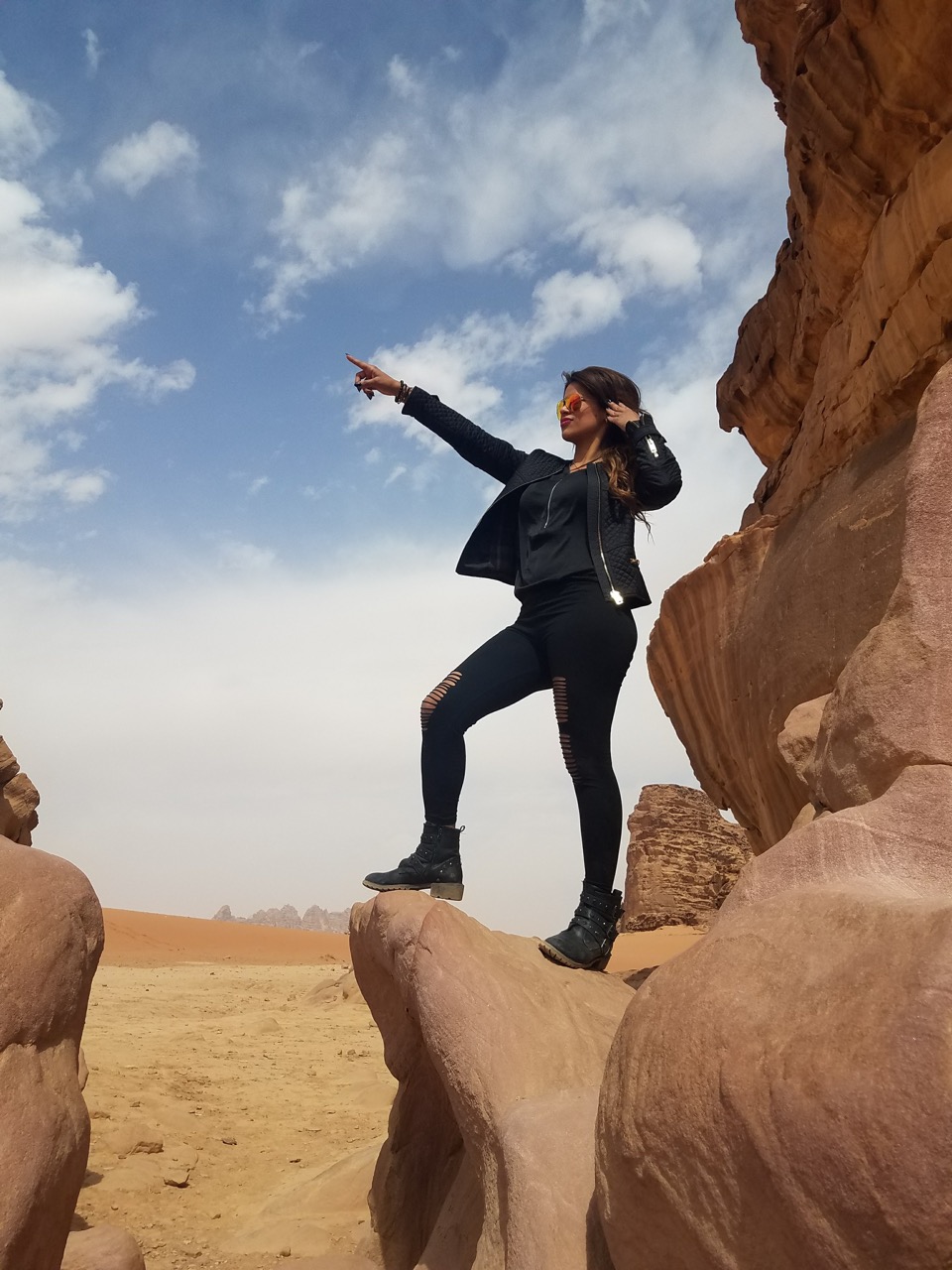
National parks created a different kind of tradition, one rooted in scenery and shared rules of behavior. Campfires, ranger talks, and the ritual of buying a patch or sticker for a cooler or car window are ways visitors mark belonging. The parks also shaped how Americans imagine wilderness. Iconic images of geysers, red rock arches, and giant sequoias became part of national identity because millions made pilgrimages to see them. Even the simple act of taking a family photo at a park entrance sign is a cultural habit, a proof of presence that turns geography into memory.
Not all travel happens by car. Rail travel helped define earlier eras of tourism, from grand station architecture to resort towns that grew up around train routes. Trains made it easier for city residents to reach beaches, mountains, and fairs, and they influenced everything from hotel design to the timing of festivals. Later, air travel changed expectations again. Airports became their own mini cities, and the idea of the quick getaway became more common. Yet even as speed increased, the desire for tangible mementos stayed the same. Souvenir culture, whether it is a snow globe, a postcard, or a novelty T shirt, is less about the object and more about claiming a story.
Tourism also leaves fingerprints on music and local identity. Cities known for live scenes, from Nashville to New Orleans, built reputations partly because visitors kept arriving to hear something authentic. Festivals amplify that effect, turning local traditions into annual events that attract outsiders and create economic lifelines. Sometimes the influence cuts both ways: communities may preserve certain customs because tourists expect them, while also using tourism revenue to sustain arts and historic neighborhoods.
Theme parks and modern attractions continue the pattern, packaging travel into immersive worlds. They borrow from older roadside logic, offering spectacle and photo moments, but with larger budgets and tighter storytelling. Whether the trip involves a tent, a train ticket, or a boarding pass, American travel traditions reveal a simple truth: people do not just move through places. They collect experiences, repeat rituals, and pass them along, turning ordinary journeys into a shared cultural map.