From Stagecoaches to TSA Travel Milestones











Quiz Complete!
From Stagecoaches to TSA: The Milestones That Remade American Travel

American travel has never been just about getting from one place to another. It is a story of technology, ambition, and rules that changed what people expected from a journey. In the early United States, long distance trips were slow, uncomfortable, and often risky. Stagecoaches and riverboats linked pockets of settlement, but schedules depended on weather, road conditions, and sheer luck. Travel was something you planned around, not something you fit into a weekend.
Everything accelerated when rails began stitching the country together. The most famous turning point came in 1869, when the first transcontinental railroad was completed at Promontory Summit, Utah. For the first time, a person could cross the continent in days rather than months. Beyond speed, the railroad created a new kind of national timetable. Standard time zones were later adopted largely because trains needed consistent scheduling, and that decision still structures daily life.
As rail made the nation feel smaller, roads did something different: they made travel feel personal. Early automobile trips were adventures in improvisation, with inconsistent signage and wildly varying road quality. Named highways helped. The Lincoln Highway, promoted in the 1910s, and later the legendary Route 66, established in 1926, turned driving into a cultural ritual. Route 66 was not the longest or fastest way across the country, but it became iconic because it tied together small towns, diners, motels, and roadside attractions into a shared experience. When the Interstate Highway System began in the 1950s, it transformed that experience again. Interstates made trips quicker and safer, but they also bypassed many communities that had once depended on passing traffic.
Travel milestones are not only about pavement and steel. They are also about places Americans decided were worth the trip. Yellowstone became the first national park in 1872, setting a precedent that landscapes could be protected for public enjoyment. Later park expansions, scenic parkways, and the growth of roadside services helped turn leisure travel into a mainstream expectation rather than a luxury.
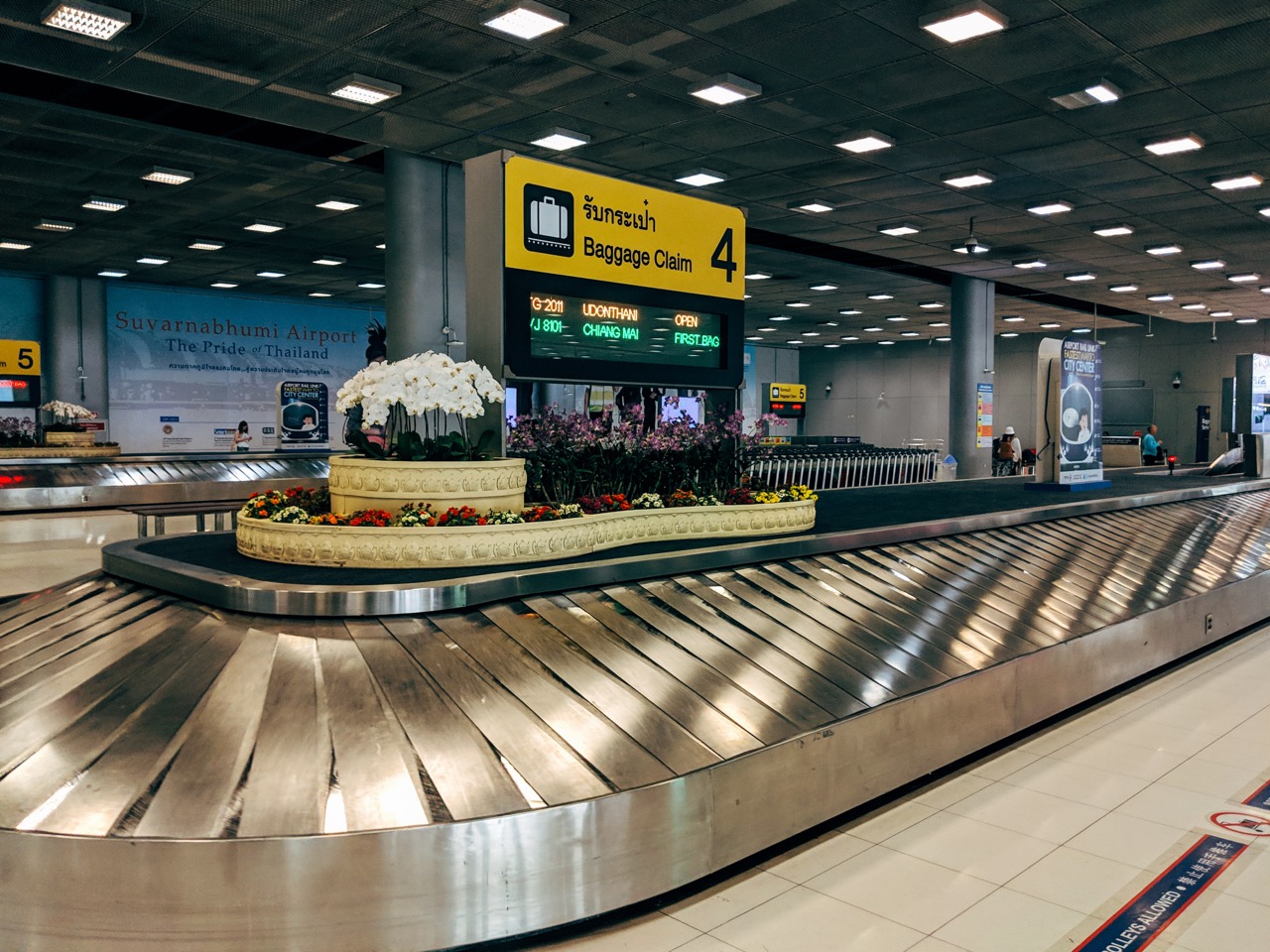
The biggest leap in speed came with commercial aviation. Air travel existed earlier, but it truly entered everyday life after World War II as aircraft improved and airlines expanded routes. The Jet Age of the late 1950s shrank coast to coast travel to a single day, altering business, tourism, and even family life. Airports became modern gateways, and flying gained its own rituals: timetables, boarding passes, and the strange mix of glamour and stress that still defines terminals.
Rules and rights reshaped travel as much as machines did. Passport policies shifted over time, especially as international travel became common and governments placed greater emphasis on identification and border control. In the United States, a major regulatory change arrived in 1978 with airline deregulation. Before that, fares and routes were tightly controlled, which often meant higher prices but more predictable service. Deregulation unleashed competition, expanded route networks, and helped make flying affordable for many more people, though it also contributed to hub and spoke systems and the crowded flights people now accept as normal.
Then came the security era. The attacks of September 11, 2001, triggered the creation of the Transportation Security Administration and a new baseline for airport screening. Shoes off, liquids limited, and identity checks became part of the trip, and the airport experience lengthened even as planes grew faster. The modern traveler navigates not only distance but procedures, from digital tickets and real time updates to passenger protections that continue to evolve.
From the first coast to coast rail run to the moment you step into a security line, American travel milestones reveal a simple truth: every new route and every new rule changes how the country feels. The timeline is not just history. It is the reason a journey can be a hardship, a rite of passage, or an ordinary commute, depending on when you live and how the nation chooses to move.