Euro Trip Truths and Tall Tales Pro Mode

-385997.jpg)








Quiz Complete!
Euro Trip Truths and Tall Tales: Smarter Travel by Ditching the Myths
Europe is famous for being easy to travel, but a lot of the advice people repeat is half-true at best. One common myth is that everywhere takes euros. In reality, the euro is used by many countries, but not all of Europe. The United Kingdom uses pounds, Switzerland uses Swiss francs, and popular destinations like Denmark, Sweden, Norway, Poland, Hungary, and the Czech Republic use their own currencies. Even within euro countries, small shops and rural cafés may prefer cash, and some places are surprisingly card-only. The practical move is to carry a small amount of local cash, keep a fee-friendly card, and know your bank’s foreign transaction policy before you go.
Transport is another area where confident claims go wrong. Trains are wonderful, but they are not automatically cheaper than flights. On some routes, budget airlines can undercut rail fares, especially if you book early and travel light. On others, trains win because they drop you in the city center, avoid long security lines, and let you see the landscape. The real comparison is total travel time and total cost, including getting to airports, baggage fees, seat selection, and the value of your time. Also remember that rail pricing can be dynamic. A high-speed ticket bought last minute can cost far more than the same seat booked weeks ahead.
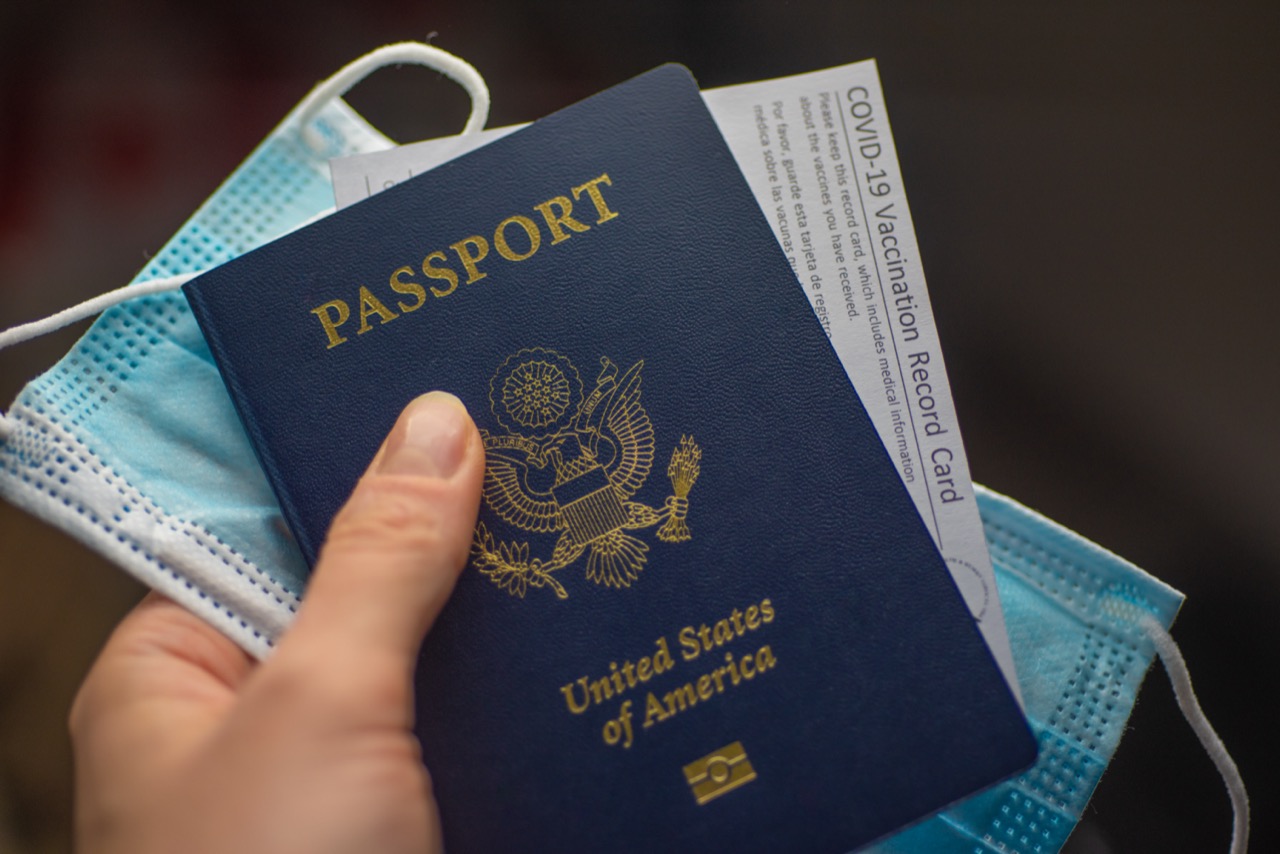
People also assume border crossings are always effortless. Within the Schengen Area, routine passport checks are often absent, but that does not mean borders do not exist. Countries can reintroduce temporary controls, and you still need a valid passport or approved ID depending on nationality. If you are crossing from Schengen to non-Schengen countries, expect checks and allow time. For travelers from outside Europe, the 90 days in any 180-day period rule in Schengen catches many people off guard, especially those planning long multi-country trips.
Tipping is a classic source of confusion. Europe is not one tipping culture; it is dozens. In some places service is included, in others rounding up is normal, and in a few tourist-heavy areas tips are expected but not mandatory. A good rule is to check the bill for a service charge, then tip modestly for good service rather than trying to match American percentages. In taxis, rounding up is common. In bars, leaving small change can be fine. What matters most is reading the local norm and not turning a simple payment into an awkward negotiation.
Safety myths swing between two extremes: either Europe is perfectly safe or it is full of scams. The truth is more ordinary. Violent crime rates in many cities are low compared to global averages, but petty theft in crowded areas is real. Pickpockets thrive in transit hubs and tourist clusters, and distraction tactics still work on tired travelers. Keep valuables secure, use a crossbody bag or zipped pocket, and avoid storing everything in one place. If something feels like a setup, it probably is.
Finally, schedules and daily rhythms can surprise you. Shops may close earlier than you expect, Sundays can be quiet, and meal times vary widely. A restaurant that looks closed at 6 pm might simply be between services. Even the idea that everyone speaks English depends on where you are; learning a few polite phrases goes a long way. The best Europe travel hack is not a secret train pass or a perfect packing list. It is staying curious, checking details, and letting go of the myths that make trips harder than they need to be.