Everyday Worlds: A Quiz on How People Live, Work, and Connect











Quiz Complete!
Everyday Worlds: How Daily Life Reveals Human Diversity

At first glance, daily life can seem ordinary and predictable. We wake up, get ready, work or study, eat meals, talk to people, and eventually go to sleep. Yet when you look more closely, the ways people organize these routines around the world are incredibly diverse. Everyday choices about housing, work, food, and social connection reveal deeper values about what matters in a community.
Take commuting, for example. In some cities, millions ride crowded subways or trains every morning, surrounded by strangers yet following an unspoken code of silence and personal space. In other places, people travel on bicycles, motorbikes, or shared minibuses, turning the commute into a noisy, social experience. Some people walk through narrow village paths, while others work from home and skip the commute entirely. These different patterns are not just about transportation; they reflect how cities are designed, how time is valued, and how people balance efficiency with social contact.
Homes and living arrangements also vary widely. In some cultures, several generations live under one roof, sharing childcare, cooking, and household responsibilities. Elsewhere, young adults move out early to live alone or with roommates, valuing independence and privacy. Housing can range from high-rise apartments and suburban houses to courtyard homes and informal settlements. The layout of a home, such as whether there is a separate dining room or a shared outdoor space, influences how often people gather, how they celebrate, and how they solve conflicts.
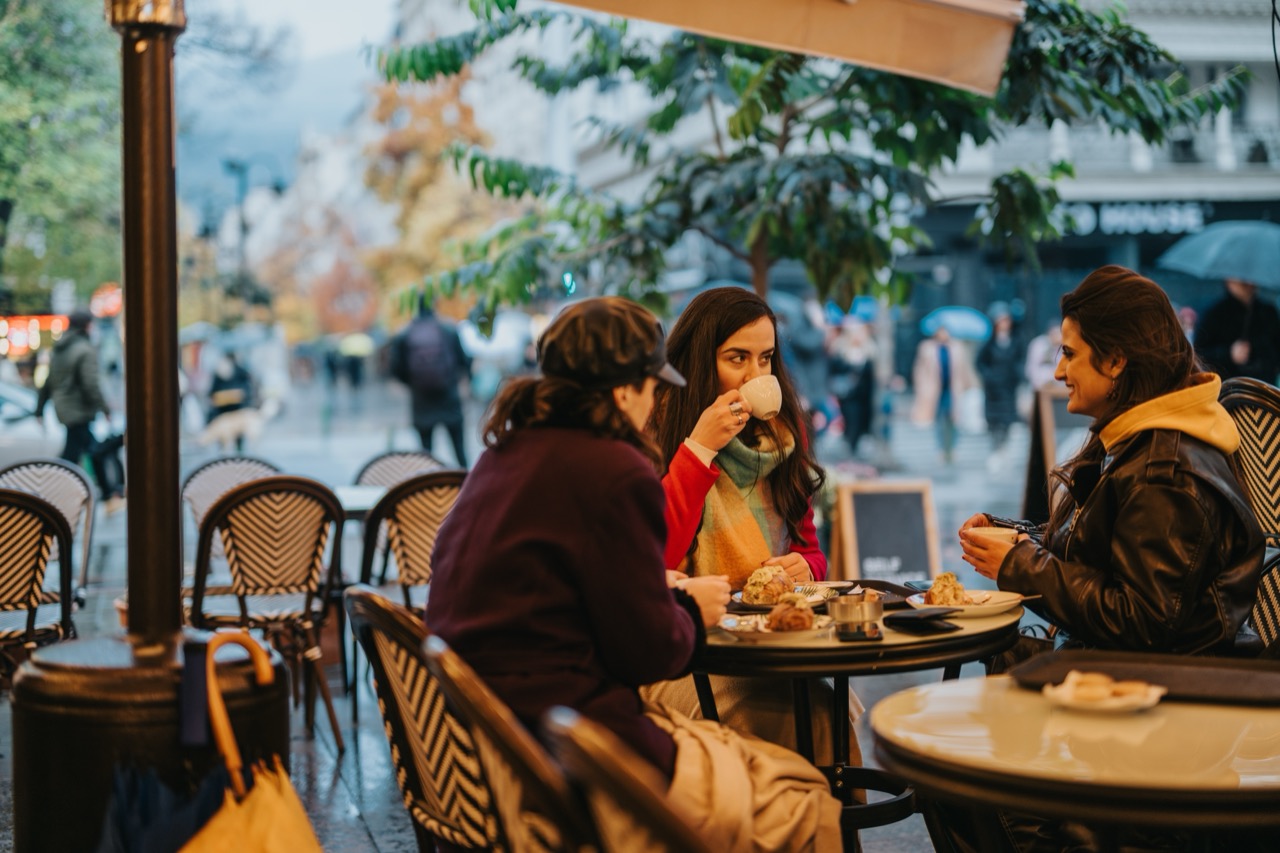
Food routines are another window into everyday worlds. In some places, lunch is the main meal of the day, followed by a rest period, while in others, dinner is the central social event. Street food stalls, family kitchens, office cafeterias, and delivery apps all shape how people eat and interact. Shared dishes, eating with hands, using chopsticks, or relying on fast food all carry social meanings. Religious traditions, economic conditions, and migration patterns influence what is considered normal, festive, or forbidden at the table.
Digital life now weaves through many of these routines. Messaging apps, social media, and video calls have changed how people maintain relationships, organize events, and even work. Some communities rely heavily on group chats to coordinate daily tasks and family news. Others use digital platforms to find jobs, learn new skills, or participate in activism. At the same time, there are big differences in access to technology and in attitudes toward screen time, privacy, and online identity.
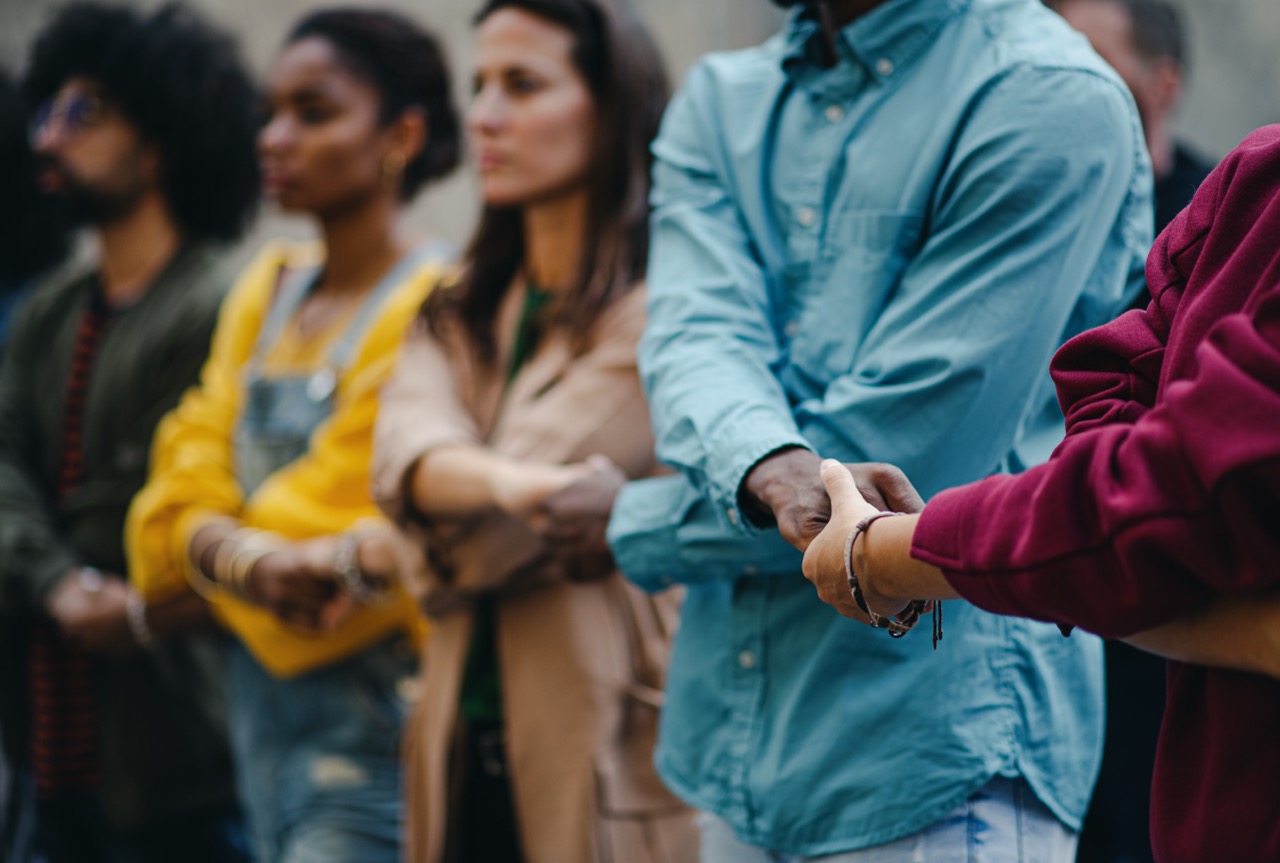
Community life and social rituals give structure and meaning to these everyday patterns. Weekly markets, religious services, sports events, and neighborhood gatherings create regular points of contact. Celebrations such as weddings, festivals, and coming-of-age ceremonies blend old customs with new influences. Generational shifts are especially visible here: younger people may reinterpret traditions, mix styles from different cultures, or challenge older gender roles and expectations.
When you compare these everyday worlds across cultures and time periods, what seems normal in one context can look surprising in another. By paying attention to how people live, work, and connect, you begin to see that ordinary routines are not boring details. They are the rhythms that express shared values, reveal social changes, and shape how we understand ourselves and each other.