Everyday Worlds: Curious Customs and Modern Habits











Quiz Complete!
Everyday Worlds: Curious Customs and Modern Habits

Everyday life may seem ordinary, but when you look closely, it is full of hidden rules, quiet rituals, and curious habits that shape how people live around the world. From the way we drink our morning coffee to the way we say goodbye at night, small routines carry stories about culture, history, and identity.
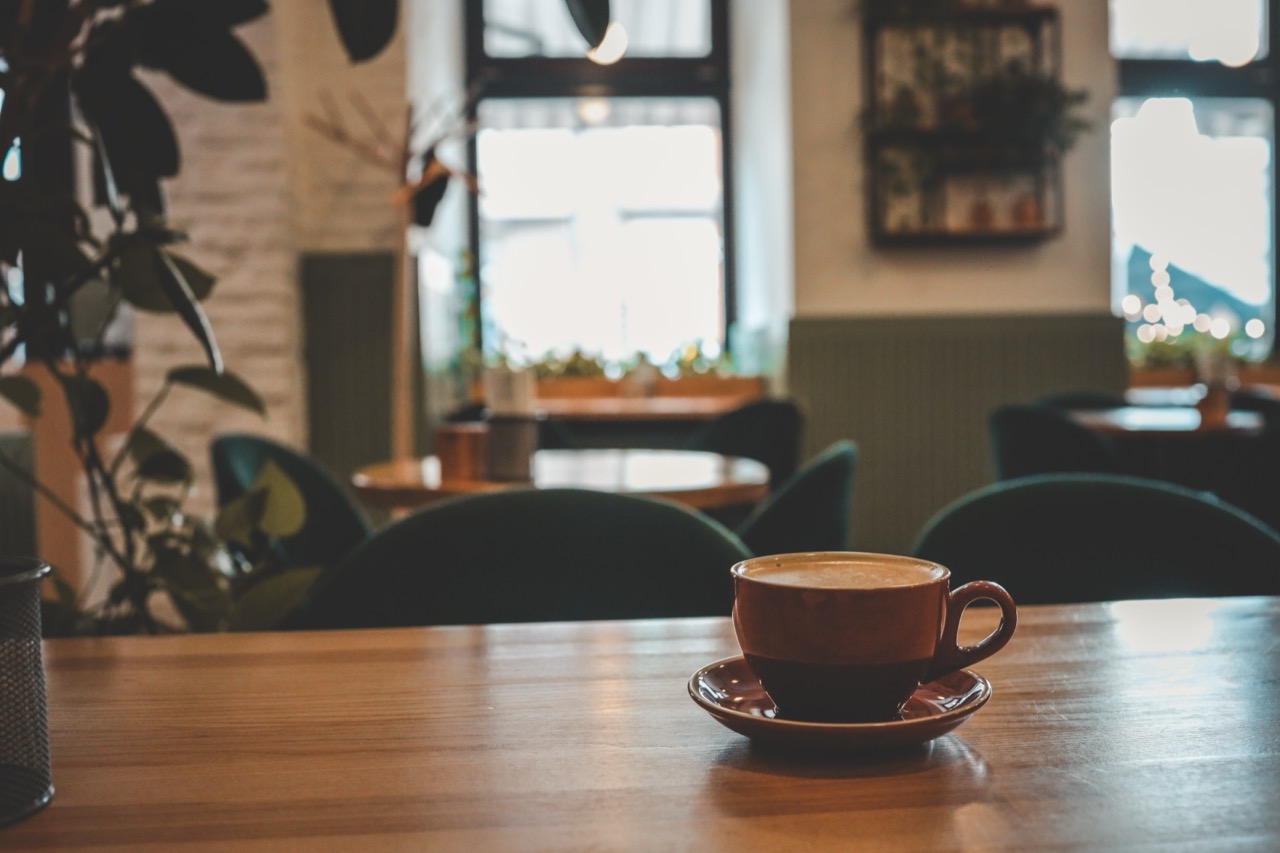
Consider something as simple as coffee. In Italy, many people stand at a bar for a quick espresso, treating it as a brief pause rather than a long break. In Sweden, there is fika, a daily coffee and cake ritual that is as much about slowing down and connecting with others as it is about the drink itself. Meanwhile, in some parts of the United States, coffee is often taken to go, carried in large cups during a commute or between meetings. The same drink becomes three very different experiences, each with its own unspoken rules.
Commuting patterns reveal similar contrasts. In some cities, trains are silent spaces where people avoid eye contact and keep to themselves. In others, public transport can be lively, filled with conversation, music, and street vendors. Even the idea of what counts as a normal commute changes from place to place. Some people ride bicycles through crowded streets, others drive for hours on highways, and many now work from home, commuting only from the bedroom to the kitchen table.
Digital habits have created a new layer of customs. Many people check their phones before they even get out of bed, scroll through messages while eating, and share photos of meals, pets, and holidays. Online, there are new kinds of etiquette: when to reply to a message, whether to use voice notes or text, and how many pictures to post from a vacation. These behaviors might feel spontaneous, but over time they become patterns that whole groups share and recognize.
Social norms also guide how people celebrate and connect. In some cultures, it is common to remove your shoes before entering a home, showing respect for the space. In others, guests may be expected to bring a small gift or help with the dishes after a meal. Holidays can involve elaborate family gatherings, quiet reflection, noisy street festivals, or all of these at once. Even weekends vary: some people fill them with sports and social events, while others treat them as a time for rest and solitude.
What makes these habits so fascinating is that they feel natural to the people who practice them. We rarely question why we eat dinner at a certain time, stand in line a certain way, or greet friends with a handshake, kiss, or bow. Yet when we compare our routines with those of people in other places, we start to see how culture shapes what we think of as normal.
By paying attention to these everyday worlds, we discover that ordinary moments are not so ordinary after all. They are part of a larger story about how humans create meaning, build community, and express who they are through the smallest choices of daily life.