Unexpected Threads Across Asian Journeys











Quiz Complete!
Unexpected Threads Across Asian Journeys
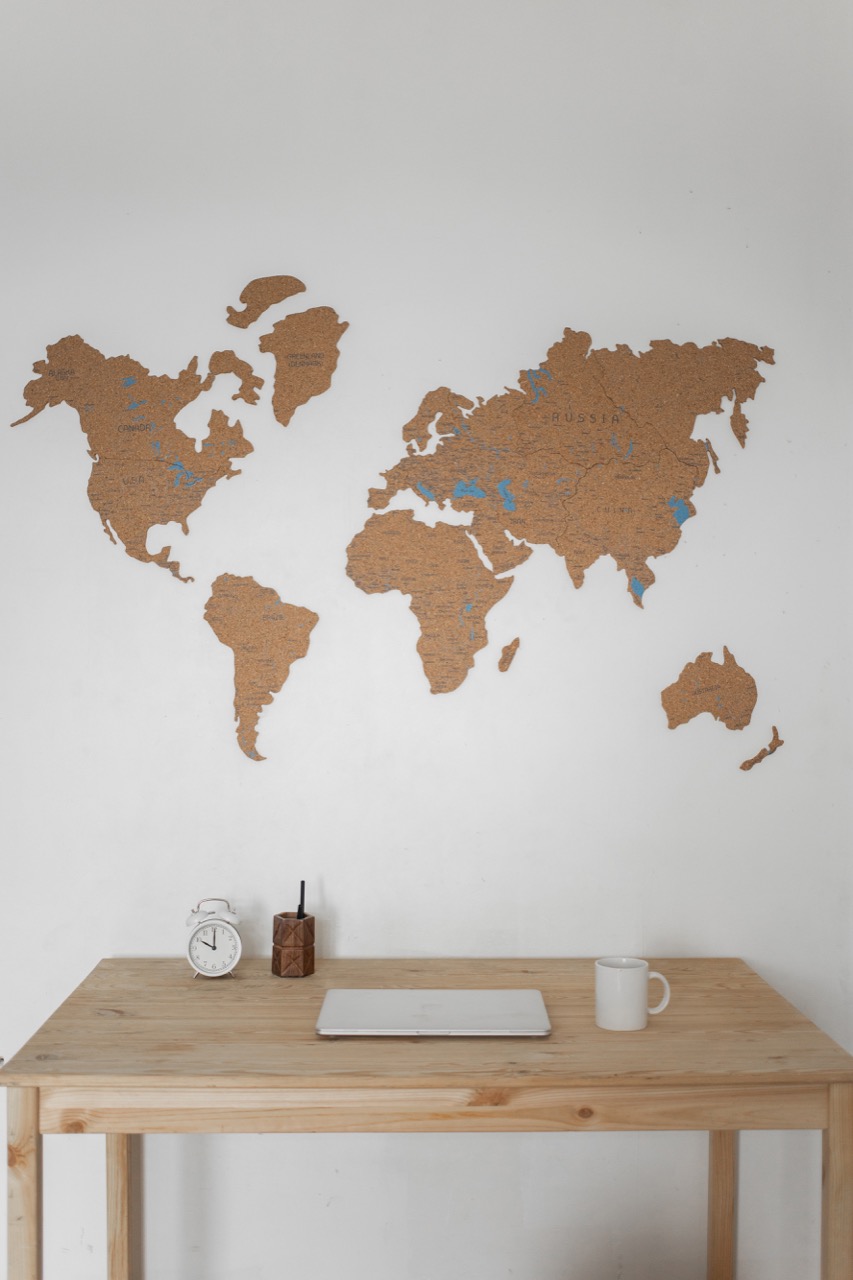
Traveling in Asia can feel like flipping through a photo album of icons, from famous temples to neon skylines. Yet the stories that linger are often the ones that reveal how closely places are stitched together. A single journey can show you that borders are recent inventions compared with the older networks of rivers, trade routes, religions, and languages that have been connecting communities for centuries.
Rivers are some of the most visible threads. The Mekong begins high on the Tibetan Plateau and then flows past or through China, Myanmar, Laos, Thailand, Cambodia, and Vietnam, feeding rice fields, floating markets, and whole cuisines built around freshwater fish. The Ganges and Brahmaputra shape life across northern India and Bangladesh, while the Irrawaddy defines Myanmar’s heartland. These waterways are not just scenery; they are shared lifelines that explain why music styles, textiles, and even boat-building techniques can resemble each other across national lines.
Trade routes created equally powerful connections. The Silk Road was never a single road but a web of paths that carried silk, horses, spices, and ideas. Buddhism traveled from India through Central Asia into China, then onward to Korea and Japan, leaving behind a trail of cave temples, carved Buddhas, and pilgrim stories. Islam spread along maritime routes across the Indian Ocean, linking ports from Gujarat and the Malabar Coast to Sri Lanka, the Maldives, Malaysia, and Indonesia. Even today, you can taste these routes in food: the use of cloves and nutmeg in savory dishes in parts of South Asia echoes the spice islands of eastern Indonesia, while noodle traditions across East and Southeast Asia reflect centuries of migration and exchange.
Languages preserve hidden maps of contact. Many Asian languages borrowed words from one another through trade, religion, and administration. Sanskrit and Pali terms appear in Thai, Khmer, Burmese, and Indonesian, especially in royal, religious, and formal vocabulary. Chinese characters influenced writing systems in Japan and Korea, and while Korea now uses Hangul, older texts and many words still show that historical relationship. In Central Asia, Turkic and Persian influences blend in everyday speech, mirroring the region’s role as a crossroads.
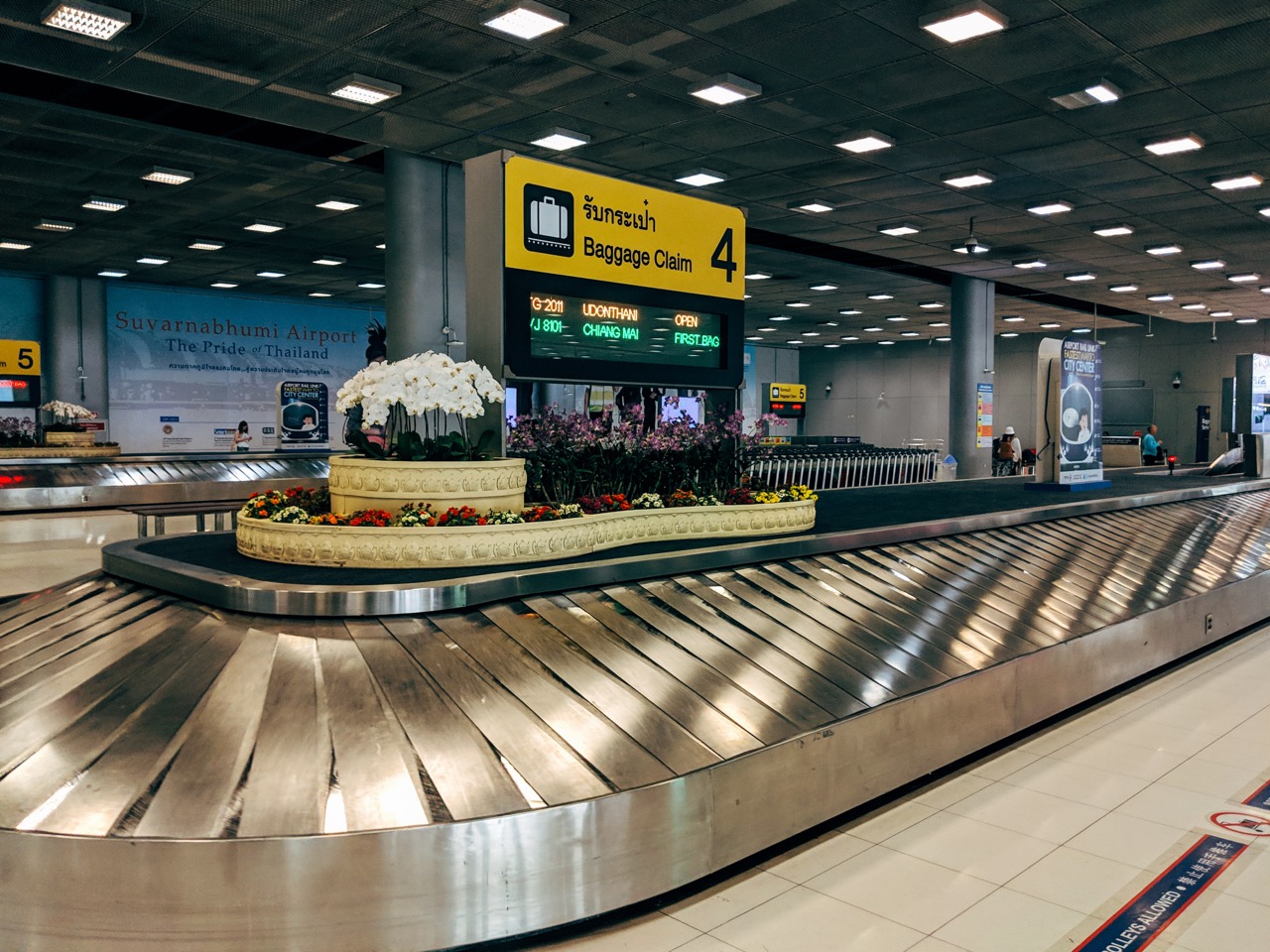
Infrastructure adds modern links to the older ones. Cross-border rail lines and highways make it possible to trace historic corridors in real time, such as routes connecting southern China with Laos and Thailand, or rail networks tying Malaysia and Singapore. Airports also carry the fingerprints of history: colonial-era administrative choices helped elevate certain cities into long-term transport hubs, while postwar development and geography shaped where major international gateways emerged.
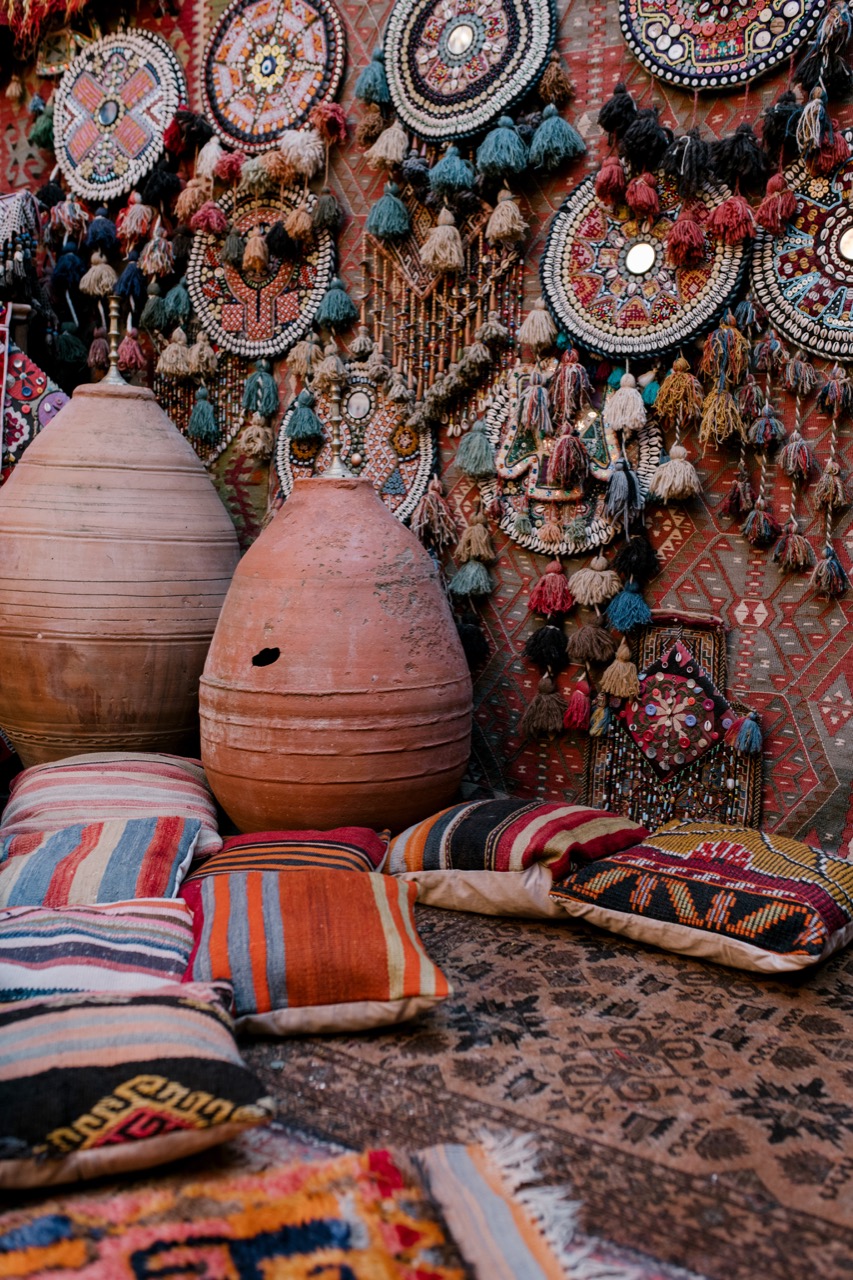
Cultural mashups can be the most delightful evidence of connection. Consider how Indian, Chinese, Arab, and European influences mingle in the food of port cities, where dishes evolve to suit local ingredients and tastes. Or look at architecture: a mosque with Chinese-style rooflines, a Buddhist temple with Central Asian artistic motifs, or a colonial district where local craftsmen adapted imported styles into something new. Festivals, too, travel and transform, with shared lunar calendars, harvest celebrations, and religious observances taking on distinct local flavors.
Seeing Asia as a living map of influences turns ordinary sightseeing into pattern-spotting. Each borrowed word on a menu, each familiar spice in a distant market, and each shared river current hints at the same idea: the region’s diversity is real, but so are the connections that make a journey through Asia feel like following threads in a vast, interwoven tapestry.