Human Habits: Customs, Comforts, and Curious Codes









Quiz Complete!
Human Habits: Customs, Comforts, and Curious Codes

Human life is stitched together from habits so familiar that we rarely stop to notice them. We greet, wait in line, dress for certain occasions, and scroll through our phones on the way to work. These routines might seem ordinary, but they are guided by powerful social rules and cultural expectations. When you look closely, everyday life becomes a kind of living puzzle, full of clues about what people value and how they understand the world.
Take greetings, for example. A handshake, a bow, a kiss on the cheek, or a simple nod can all serve the same purpose: to show respect and signal peaceful intentions. Yet each culture has its preferred style, and the meaning can shift depending on context. A firm handshake might be seen as confident in one country and overly aggressive in another. Even eye contact follows different rules. In some places, looking directly at someone shows honesty and attention. Elsewhere, it can be taken as rude or confrontational, especially toward elders.
Time is another invisible code that shapes daily life. Some societies place a high value on punctuality. Arriving even a few minutes late to a meeting or a dinner can be viewed as disrespectful or disorganized. In other cultures, time is treated more flexibly, and relationships matter more than strict schedules. A gathering might begin once enough people arrive, not at the exact hour printed on the invitation. These differences can cause confusion when people from different backgrounds work together, but they also highlight how habits reflect deeper ideas about respect, efficiency, and community.
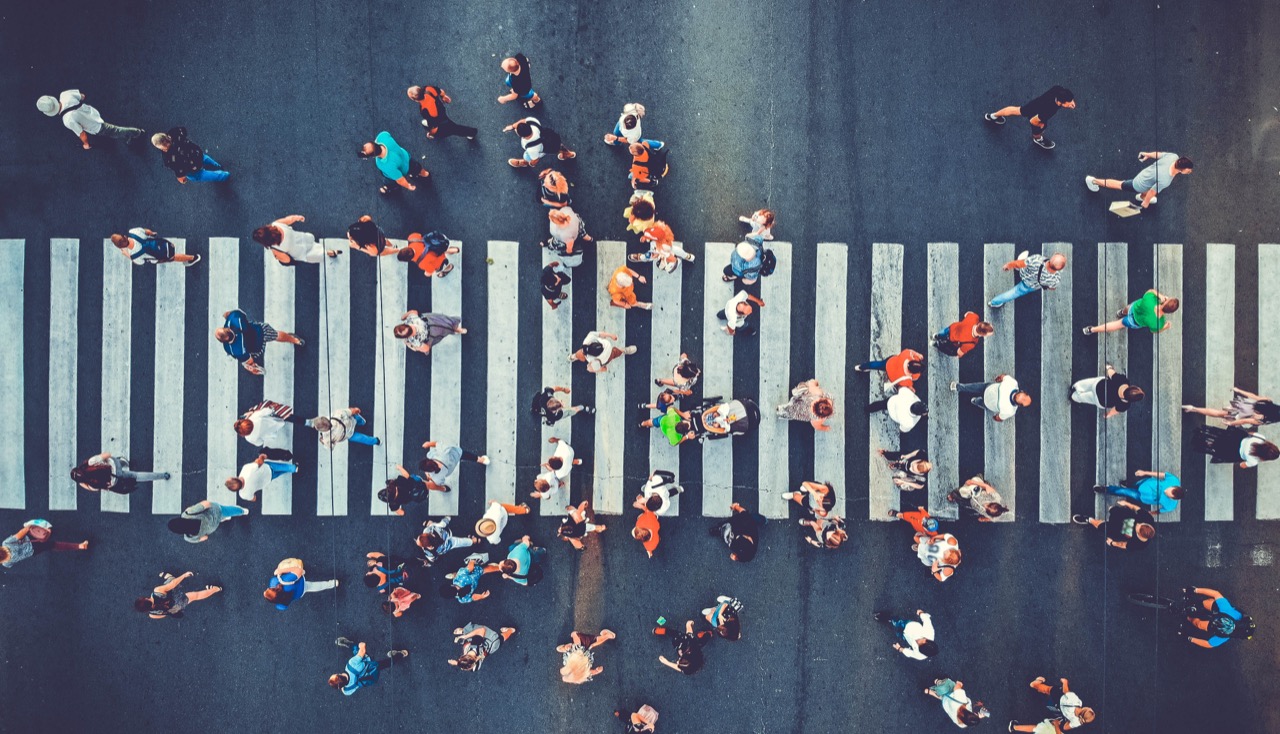
Cities add another layer of unwritten rules. Urban life often requires people to share tight spaces with strangers, from crowded trains to apartment buildings. To keep things running smoothly, people follow quiet agreements: standing to one side of an escalator, lowering their voice on public transportation, or giving others a bit of privacy in public. These small behaviors help millions of people move through the same streets each day with surprisingly few conflicts.
Fashion and food habits also tell stories about identity and belonging. The clothes people wear can signal profession, religion, social group, or personal taste. A school uniform or a business suit sends a different message than streetwear or traditional dress. Similarly, what people eat, when they eat, and how they share food reflect family traditions, religious rules, and climate. A simple cup of tea or coffee can be a symbol of hospitality, a quick burst of energy, or a quiet daily ritual.
Modern technology has rewritten many social scripts. Social media changes how people present themselves, maintain friendships, and even argue. There are new etiquette questions: Is it rude to check your phone at dinner? How quickly should you reply to a message? Online spaces have their own customs, from the way people use emojis to the unwritten rules of commenting.
If you enjoy watching people and noticing small details, you already have the main tool needed to understand human habits: curiosity. By paying attention to these customs, comforts, and curious codes, you can better navigate new places, avoid misunderstandings, and appreciate the rich variety of ways humans share their world.