Maple Leaf Misconceptions Canada Travel Trivia






Quiz Complete!
Maple Leaf Misconceptions: What Canada Travel Myths Get Wrong
Canada inspires confident travel advice, and a surprising amount of it is only partly true. One of the biggest misconceptions is scale. Visitors glance at a map, see a few major cities, and assume hopping between them is like a quick European rail trip. In reality, Canada is vast. Vancouver to Toronto is not a day trip, it is a cross-continental journey. Even within a single province, distances can be deceptive. Driving from Calgary to Banff is easy, but pushing onward to Jasper adds hours, and winter conditions can stretch travel times further. Planning with realistic driving limits and buffer time is one of the simplest ways to avoid stress.
Weather myths are close behind. Yes, Canada can be brutally cold, but not everywhere and not all the time. Coastal British Columbia often has mild winters with more rain than snow, while the Prairies can swing from deep cold to surprisingly warm spells. Summer can be hot and humid in parts of Ontario and Quebec, and heat waves do happen. The better rule is not that Canada is always freezing, but that weather changes quickly and varies by region. Layering beats packing one giant parka, and checking local forecasts matters more than trusting a national stereotype.
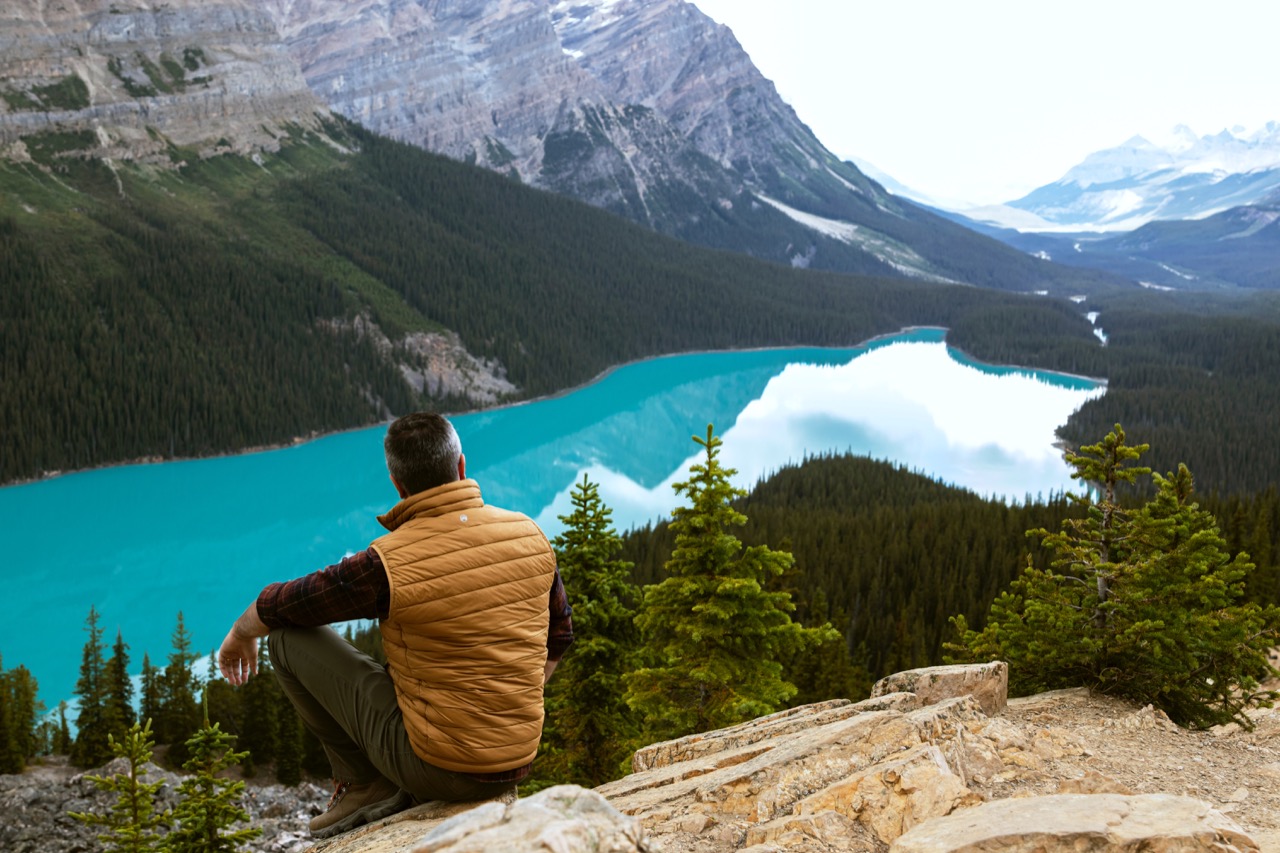
Wildlife expectations also need calibration. Some travelers imagine moose on every roadside and bears wandering through downtown. Wildlife exists, but it is not guaranteed, and it is not a theme park. In national and provincial parks, animals are more likely, yet safety rules are serious: keep distance, store food properly, and never treat a wild animal like a photo prop. In cities, the most common encounters might be squirrels, geese, and raccoons, with the occasional coyote in some urban green spaces.
Language assumptions can trip people up. Canada is officially bilingual at the federal level, but daily life depends on where you are. In Montreal, you will hear plenty of French and a lot of English, while in many parts of Quebec smaller towns may lean strongly francophone. Outside Quebec, French services vary, though you will see bilingual packaging and federal signage. A few polite phrases in French are appreciated in Quebec, but most travelers can get by with English in major tourist areas.
Money and payments bring their own surprises. Canada uses dollars, but not the same dollars as the United States, and exchange rates can make prices feel higher or lower than expected. Credit and debit cards are widely accepted, and tap payments are common, yet some small businesses, remote lodges, and tips for guides may be easier with a bit of cash. Taxes are another gotcha: listed prices often do not include sales tax, which varies by province, so the total at the register can be higher than the sticker.
Tipping is not a myth, it is a reality. In restaurants with table service, tipping is customary, and many travelers follow similar habits to the US. Service charges are not automatically included in most places, and tips may be expected for taxis, haircuts, and guided tours. On the etiquette front, Canadians are often described as universally polite, but the more practical truth is that social norms are similar to other North American destinations: wait your turn, respect personal space, and be considerate in shared areas like transit and trails.
Finally, seasonal planning is where myths become expensive. Some assume summer is the only good time to visit, but shoulder seasons can be beautiful and less crowded. Others assume winter travel is only for hardcore adventurers, yet cities like Quebec City, Ottawa, and Winnipeg embrace winter festivals, and mountain resorts are built for snow. The real trick is matching your itinerary to daylight hours, road conditions, and what is actually open. When you trade assumptions for specifics, Canada becomes easier to navigate, and far more rewarding to explore.