Silicon Sleuths: The Curious Computer Facts Challenge
Computers are everywhere, but most of us only scratch the surface of what makes them tick. This quiz turns everyday machines into a playground of surprising facts, quirky history, and behind-the-scenes tech magic. From room-sized calculators that hummed through punch cards to pocket devices that outpower old supercomputers, the digital world is packed with oddities worth bragging about. You will bump into record‑breaking hardware, sneaky software milestones, and the strange origins of words we use online without a second thought. Expect a mix of classic knowledge, fun curveballs, and a few questions that might make you look twice at the device in front of you. Whether you are a casual user, a code tinkerer, or the resident family tech helper, this challenge is built to test what you really know about computers and the stories hiding inside them.
1
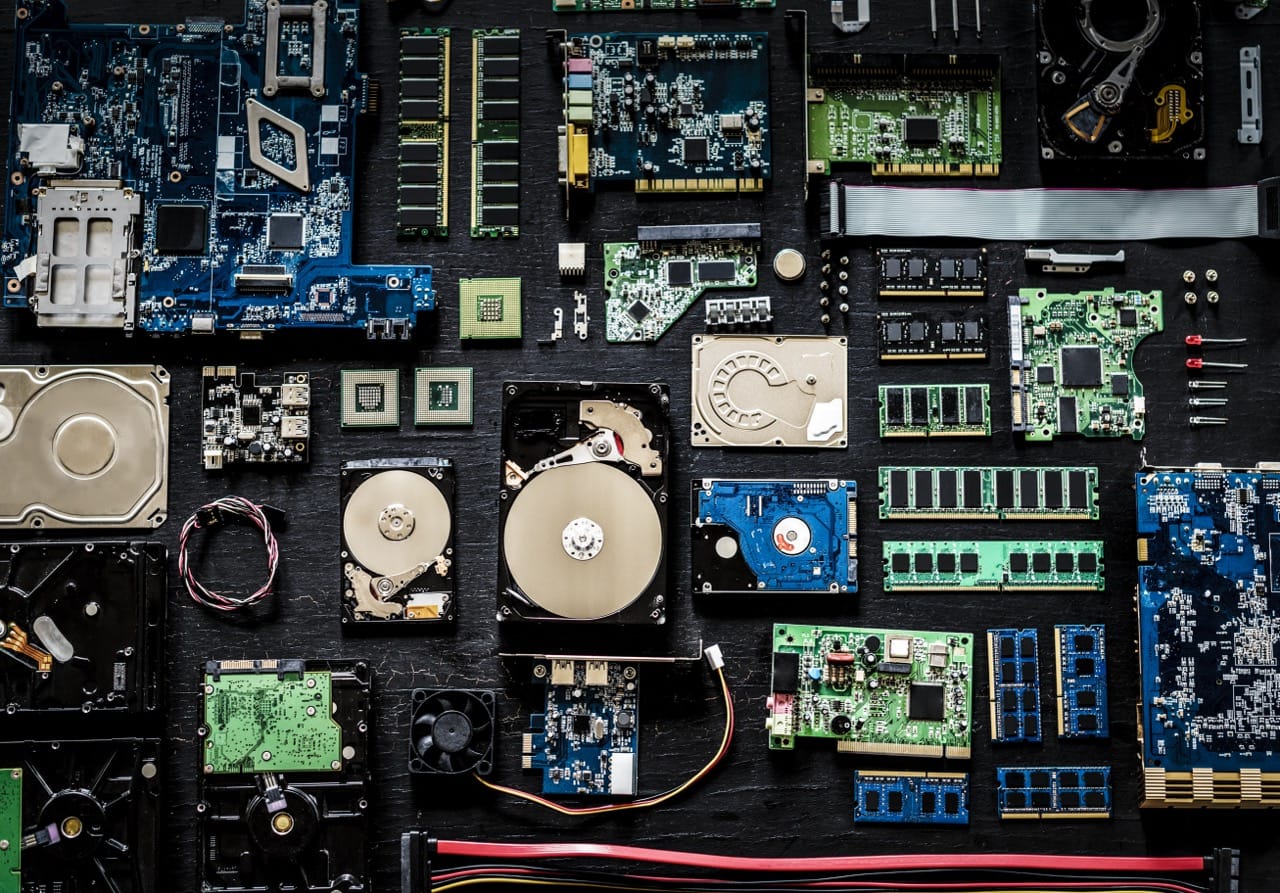
What does the term “open source” primarily describe in computing?
2
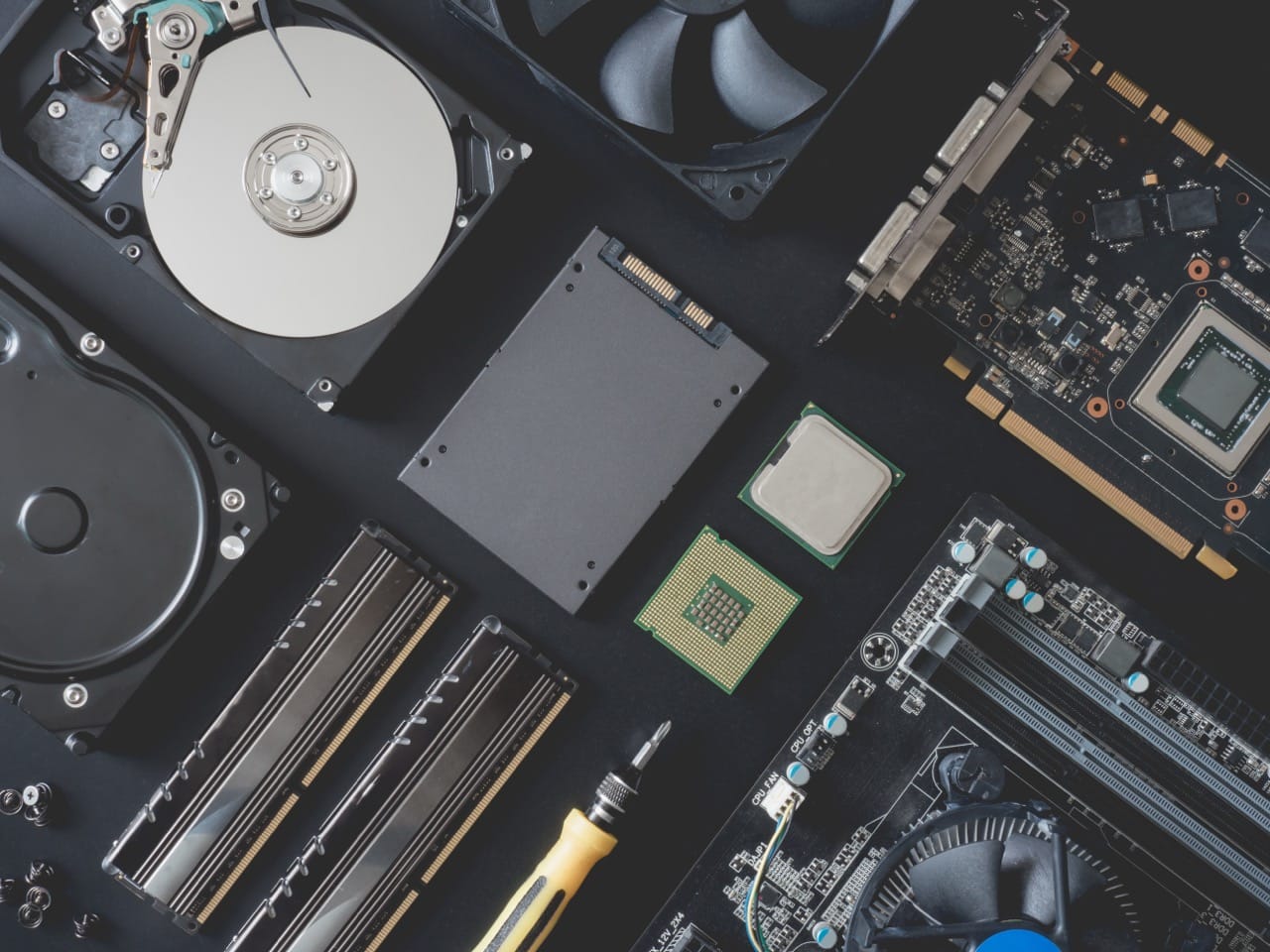
In computer networking, what does “LAN” stand for?
3
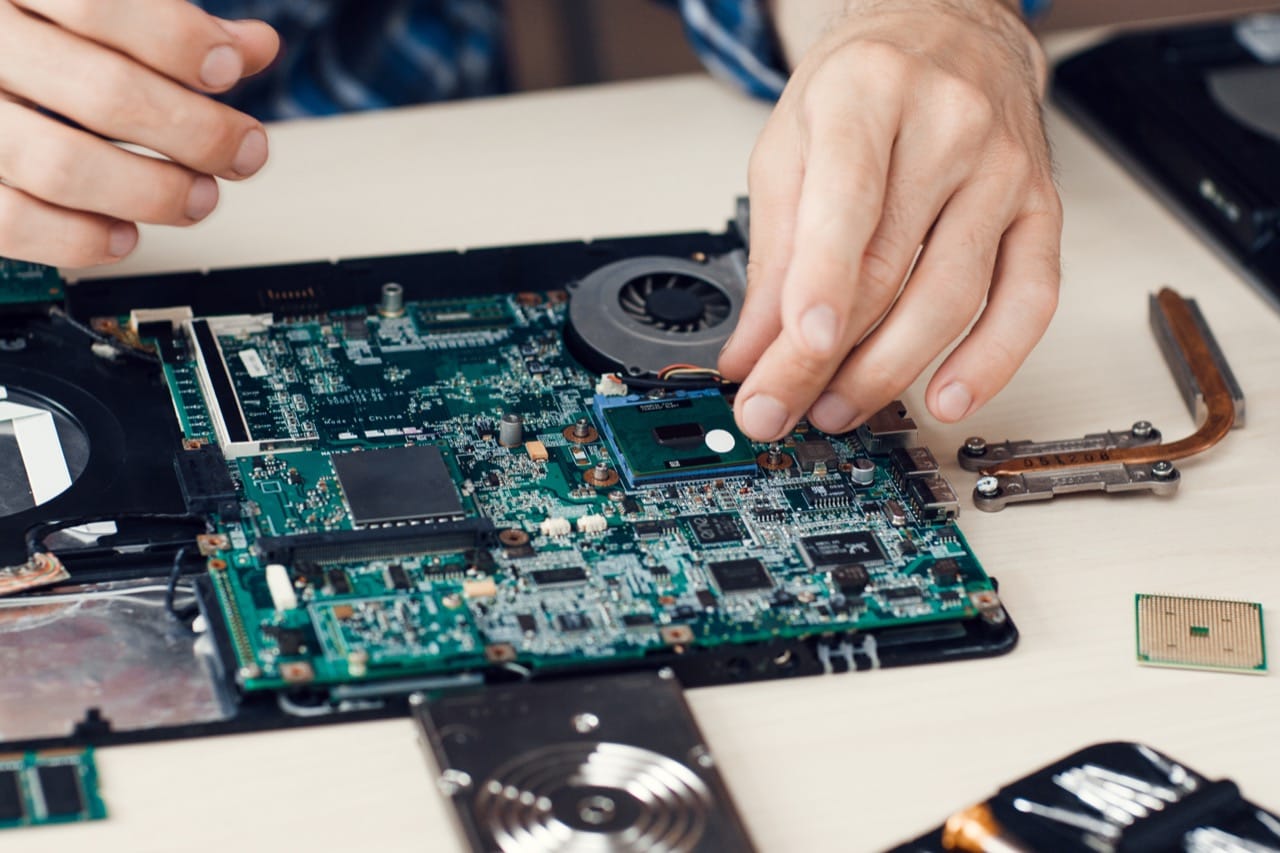
In computer storage, what does the term “SSD” refer to?
4
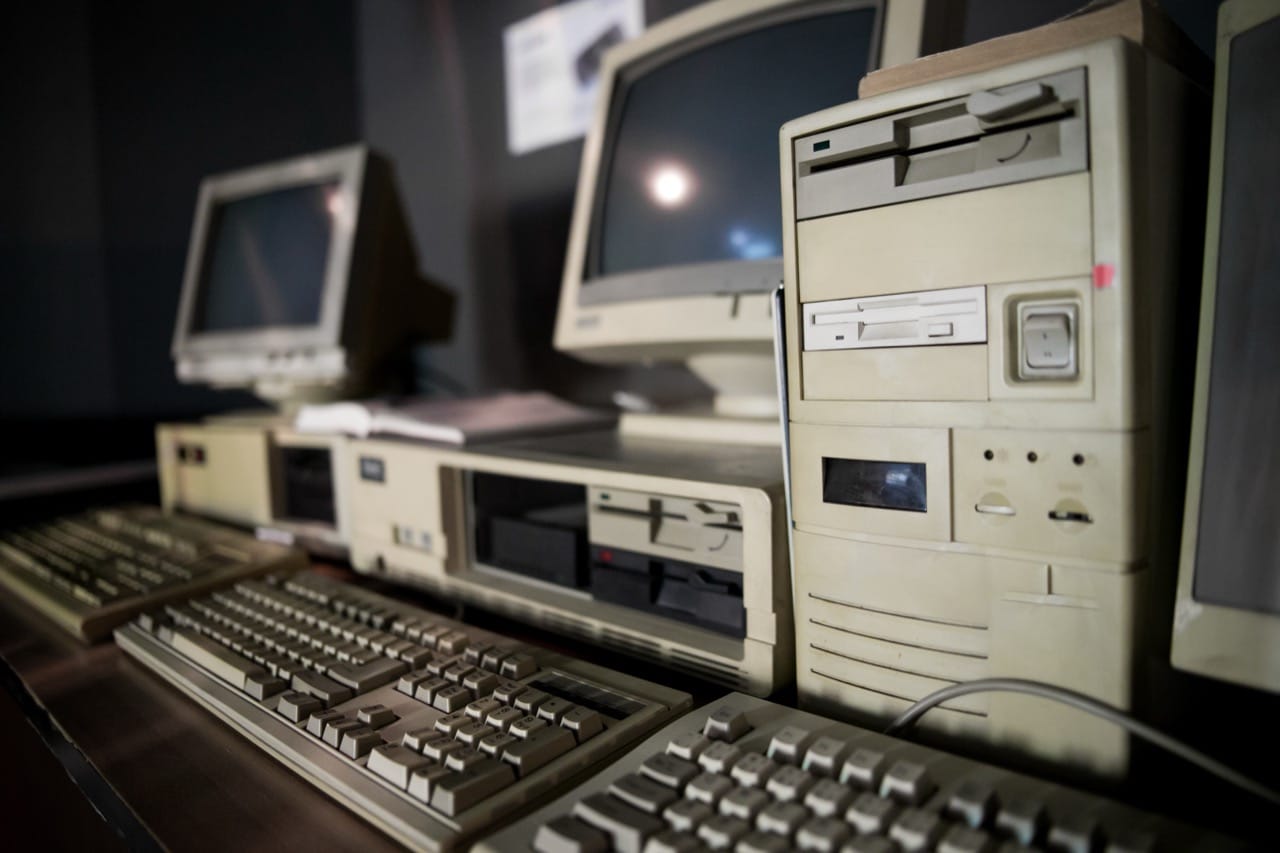
Which company created the first widely used graphical user interface for personal computers?
5
Which type of memory is typically used to store data that remains even when the computer is powered off?
6
Which early computer is famous for helping break the German Enigma code during World War II?
7
What does the acronym “GPU” stand for in computer hardware?
8
Which component is considered the “brain” of a modern computer?
9
Which operating system is known for its mascot, a penguin named Tux?

10
Which unit is typically used to measure a CPU’s clock speed?
0
out of 10
Quiz Complete!
Silicon Sleuths: Exploring Curious Computer Facts
Computers may feel ordinary today, but their story is anything but boring. The device you use to browse the web or stream a movie is part of a long, surprising history that stretches from room sized machines to tiny chips hiding in everyday objects.
Early electronic computers were enormous, noisy, and hungry for electricity. ENIAC, one of the first famous machines built in the 1940s, filled a large room and relied on thousands of vacuum tubes that burned out regularly. It could perform calculations much faster than humans, yet its total power is easily beaten by even a cheap smartphone today. What once required a team of operators and a dedicated building now fits in your pocket.
Before keyboards and touchscreens, data was fed into computers using punch cards or paper tape. Holes in the paper represented information, and machines literally read the pattern of those holes. This slow, physical method shaped early programming and even influenced the phrase bug in computing. A famous story tells of an actual moth found stuck in a relay of an early computer, causing errors. The logbook entry describing the incident helped popularize the term debugging for fixing problems in code.
Computer words we use every day often come from unexpected places. The word byte, for example, was coined to describe a small chunk of data, big enough to hold a single character like a letter or number. Terms like mouse, desktop, and window were chosen to make strange new technology feel more familiar. Even the at symbol in email addresses has a long history in accounting and trade before it became a digital icon.
Hardware records can be just as quirky. The first hard drives were the size of washing machines and stored only a few megabytes of data. Today, tiny solid state drives can hold terabytes, quietly tucked inside laptops and game consoles. Supercomputers that once filled entire facilities have been outpaced by modern consumer devices. A mid range phone can perform calculations at speeds that would have seemed like science fiction to early computer pioneers.
Software has its own milestones. Early operating systems were text based and unforgiving. If you mistyped a command, nothing happened or you got a cryptic error. The arrival of graphical user interfaces, icons, and menus opened computers to a much wider audience. Later, the web turned individual machines into doors to a global network, and browsers became some of the most important programs on any device.
Today, computers hide in plain sight. Cars, watches, kitchen appliances, and even light bulbs often contain microcontrollers, tiny specialized computers that quietly handle tasks behind the scenes. The device in front of you is part of this huge, invisible ecosystem.
Exploring curious computer facts is a reminder that technology is built from human ideas, experiments, and plenty of happy accidents. Knowing a bit of this history can make every click, tap, and swipe feel a little more magical.