Suitcase Legalities European Travel Rules Quiz












Quiz Complete!
Suitcase Legalities for Europe: The Rules That Catch Travelers Off Guard
European travel can feel wonderfully seamless: fast trains, open borders, and a dozen countries within a short flight. But the ease comes with fine print, and a few basic legal and practical rules can make the difference between a smooth trip and an expensive surprise.
Many non European visitors first encounter the Schengen rule. In most cases, short stays are limited to 90 days in any 180 day period across the Schengen Area as a whole, not per country. That means time in France, Spain, and Italy all counts toward the same allowance. People often miscalculate by thinking the clock resets at each border. It does not. Some European countries are outside Schengen, and time there may not count the same way, but the details vary depending on your nationality and the country. When in doubt, track your entry and exit dates carefully.
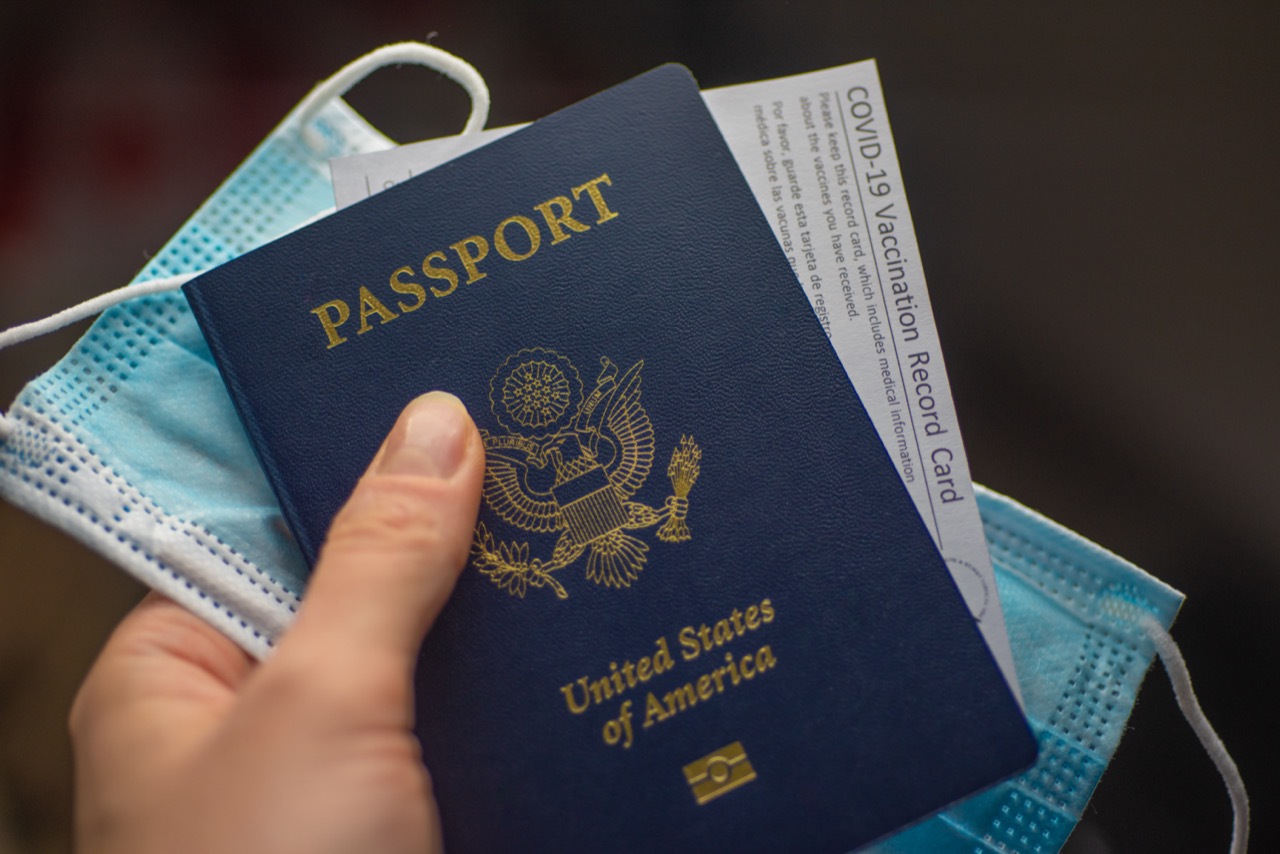
Passport rules are another common tripwire. Several countries require that your passport be issued within the last 10 years and remain valid for a minimum period beyond your planned departure, often three months or more. Airlines can refuse boarding if you do not meet the destination requirements, even if immigration might have been lenient. The safest approach is to renew early and double check the rules for each stop on your itinerary, especially if you are connecting through another country.
Border checks can still happen even when you are moving within Europe. Many places require you to carry identification, and police may ask for it on trains, at stations, or during roadside stops. If you are driving, the expectations increase: you may need your license, registration, proof of insurance, and sometimes specific safety items. Alcohol limits for drivers are often stricter than in parts of the world where a single drink is considered normal. Some countries set very low blood alcohol thresholds, and penalties can include on the spot fines, license issues, or even vehicle impoundment.
Cities add their own layer of rules. Low emission zones are spreading, and they are enforced with cameras as much as with police. You might need to register your car in advance or display a sticker, and rental cars are not always automatically compliant. Even if you never drive, scooters and e bikes can have local restrictions on where you can ride, park, or wear a helmet.
Travel insurance is not always legally required, but it is often practically expected. Some visas demand proof of coverage, and even without a visa, medical care, mountain rescue, or trip disruption can become costly. Read the policy for exclusions, because activities like skiing, hiking off marked trails, or renting a moped can fall into gray areas.
Then there is the world of passenger rights. In Europe, flight delay and cancellation compensation can apply in many situations, but it depends on distance, delay length, and the cause. Extraordinary circumstances may exempt the airline from paying compensation, yet they still often owe you care such as meals, communication, and accommodation when appropriate. Train passengers can also have refund and assistance rights, though the rules differ by operator and country.
Finally, a few vacation habits are more regulated than people expect. Wild camping is not universally allowed, and the difference between a quiet overnight stop and an illegal camp can be a fine, a forced move, or trouble with landowners. Beach drinking rules, public behavior laws, and even what you can carry for self defense vary widely. The best travel skill is not memorizing every regulation, but knowing that the rules change quickly at borders and city limits. A quick check before you go can save your trip.