Suitcase Switcheroos Travel Connections Quiz Bonus Round









Quiz Complete!
Suitcase Switcheroos: How Travel Ideas Leap Between Ships, Trains, Roads, and Planes

Modern travel feels like a set of separate worlds: airports with their gates and security lines, rail stations with platforms and timetables, ports with docks and cargo cranes, and highways stretching toward distant cities. Yet many of the things we treat as “airplane stuff” or “train stuff” are actually hand me downs, borrowed terms, and recycled systems that have hopped between travel modes for centuries. The fun part is noticing how often the same core problems appear everywhere: moving people efficiently, keeping them safe, tracking identity, and coordinating departures.
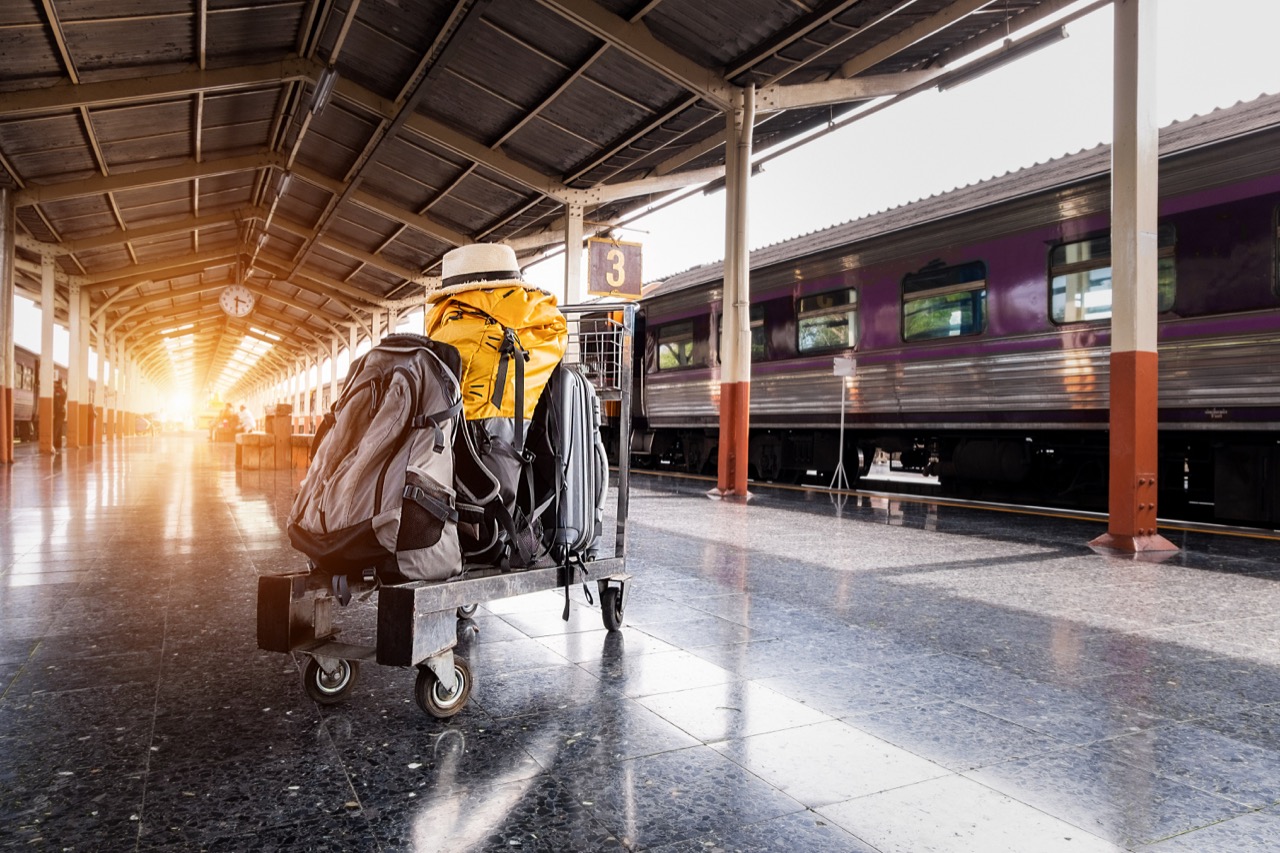
Take the word terminal. It sounds perfectly aviation flavored, but the idea of a terminal as an endpoint and interchange existed long before commercial flight. Railways popularized grand terminals as city gateways, and ports had passenger terminals where ocean liners processed crowds. Airports adopted the term because the building serves the same purpose: a controlled threshold between the city and a vehicle network.
Even boarding has a nautical feel. People boarded ships long before they boarded planes, and many airport routines echo port procedures: check in, baggage handling, and controlled access to the vessel. The phrase “port” itself shows up in aviation as an airport of entry, and the left side of a ship, port, shares space in our minds with airports and seaports as places of arrival. Meanwhile, the word cockpit started with small boats. Early aviators borrowed it because pilots sat in a cramped control space similar to the steering area in certain vessels.
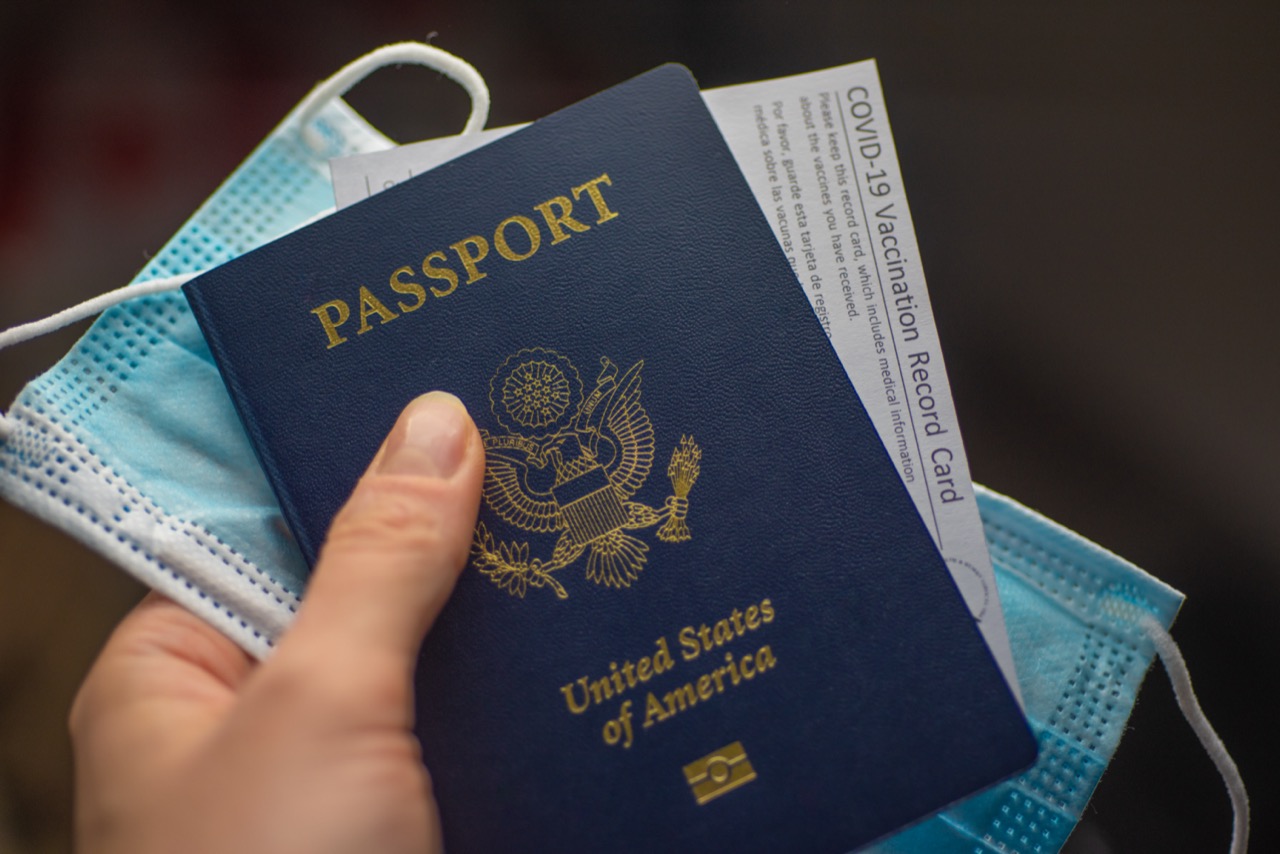
Passports also have deep maritime roots. The basic concept is permission to pass through a gate or port, and for centuries authorities cared most about who entered by sea or crossed strategic borders. As rail travel expanded in the 1800s, countries experimented with identity checks on trains and at stations. Aviation later intensified the need for standardized documents, leading to the modern passport as a globally recognized tool. The little machine readable lines at the bottom are a modern twist on an old goal: letting officials quickly verify you are who you claim to be.
Design borrowings are everywhere. The jet bridge, that enclosed walkway to the aircraft door, looks new but solves the same problem as covered gangways at docks and sheltered ramps at train stations. Luggage carousels feel like an airport invention, yet conveyor systems were common in industrial ports and rail freight depots. Even the rolling suitcase is a kind of personal cargo container, a miniaturized version of the standardized shipping container that transformed global trade in the 20th century.
Subways and aviation share more than crowds. Many metro systems use a hub and spoke pattern similar to airline networks, focusing traffic into central interchanges. Conversely, airports have adopted transit thinking: moving sidewalks, people movers, and signage designed for fast wayfinding in complex underground stations. The language overlaps too. Platforms, gates, concourses, and departures boards are variations on a shared theme: managing flows of people so that many vehicles can leave on time.
If you zoom further back, ancient roads and caravan routes still shape today’s tourism. Long distance trade paths such as the Silk Road were never a single road but a web of routes, much like modern airline alliances and shipping lanes. Inns, caravanserais, and way stations were early versions of the service hubs we now call rest areas, truck stops, and airport hotels. Pilgrimage routes created predictable seasonal surges, similar to holiday travel peaks, and they encouraged the development of maps, guides, and standardized measures of distance.
These crossovers are not just trivia. They explain why travel feels familiar even when the vehicle changes. Whether you are stepping onto a ferry, a train, or a plane, you are participating in a long tradition of shared solutions, shared words, and shared stories that keep getting remixed. The next time you hear a final call at a gate or wheel your bag across a terminal floor, you are seeing centuries of travel ideas switching suitcases and changing modes without missing a connection.