Capybara Confidential: How Much Do You Really Know About The World’s Chillest Rodent?

Capybaras have quietly become the unofficial mascots of calm, friendship, and pure laid‑back energy. This quiz uncovers the wild truth behind those internet‑famous photos of capybaras soaking in hot springs, hanging out with ducks, and napping like they have zero worries in the world. From their surprising superpowers in the water to their unusual social lives and quirky habits, each question reveals something new about these gentle giants of the rodent world. Expect fun facts, a few curveballs, and plenty of chances to brag about your capybara expertise by the end. Whether you are a casual fan or fully capy‑obsessed, this trivia run will test how closely you have been paying attention to the world’s most relaxed animal celebrity. Get ready to uncover what makes capybaras so irresistibly cool, weird, and wonderfully unique.
1
Capybaras are highly social animals. How do they usually organize themselves in the wild?
2
Which continent do wild capybaras naturally call home?
3
Which type of diet best describes a capybara’s eating habits?
4
Which of these behaviors helps capybaras digest tough plant material more efficiently?
5
Why are capybaras often seen calmly sharing space with birds and other animals?

6
How do capybaras primarily use their partially webbed feet?
7
In which type of habitat would you be most likely to find wild capybaras?

8
What is the capybara’s claim to fame in the animal kingdom?
9
What special adaptation allows capybaras to keep watch while mostly submerged in water?
10
How do capybaras typically respond when threatened by a predator such as a jaguar or caiman?
0
out of 10
Quiz Complete!
Capybara Confidential: Inside the Life of the World’s Chillest Rodent
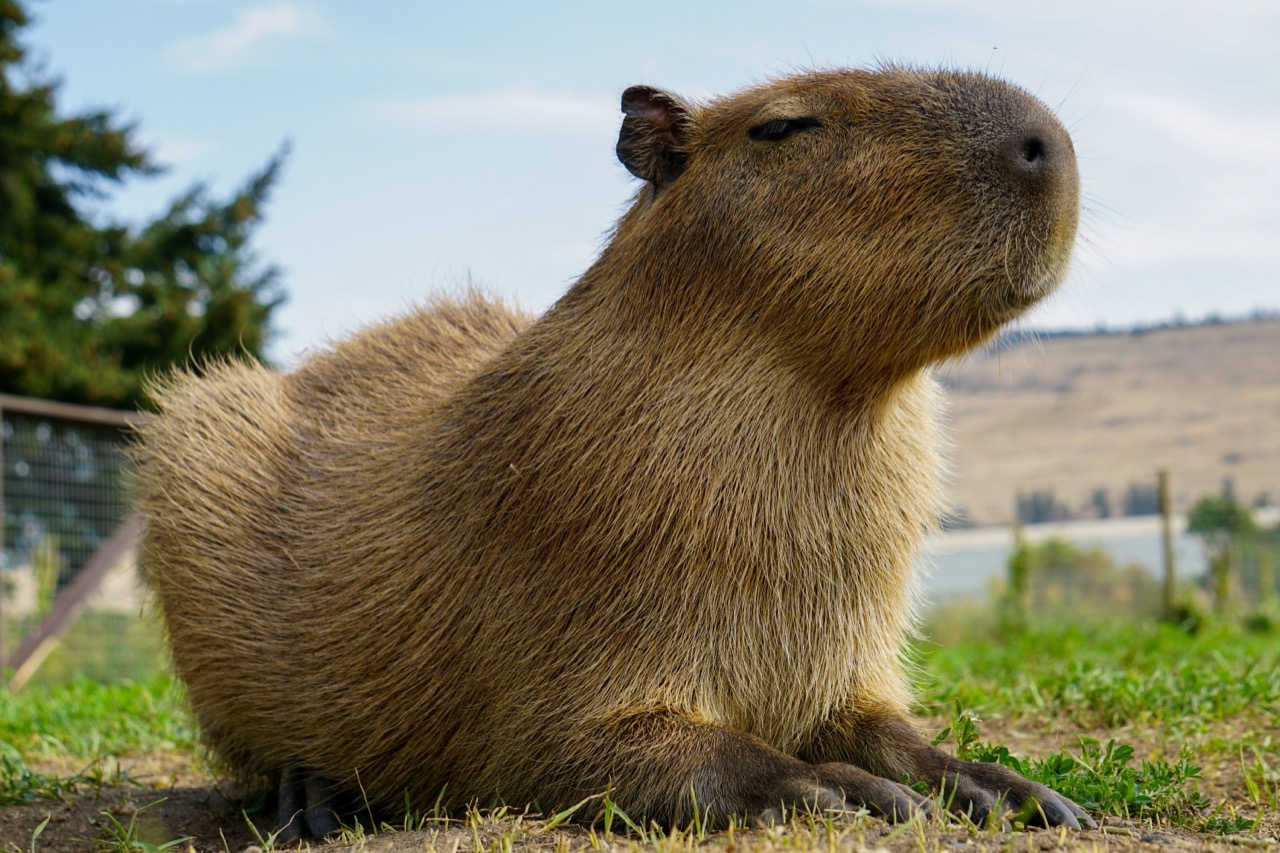
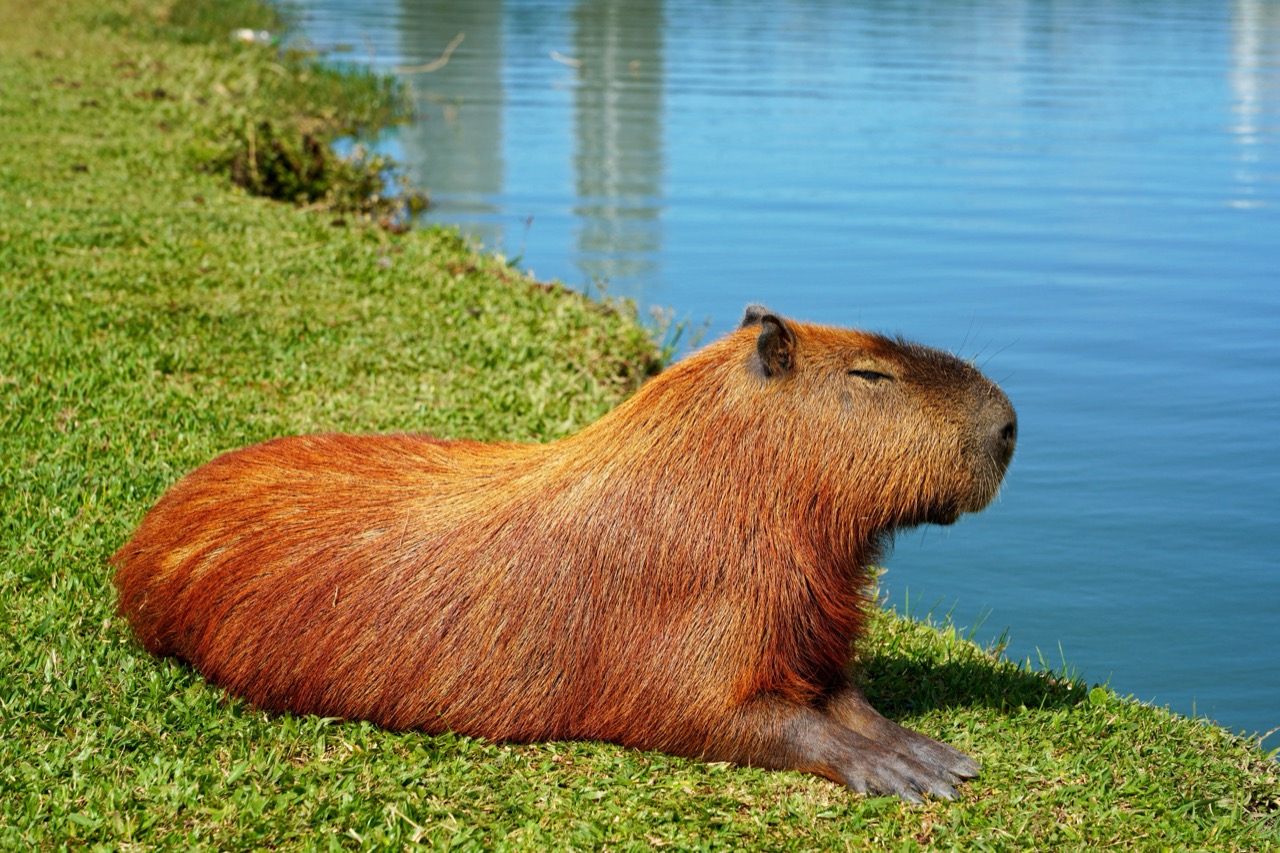
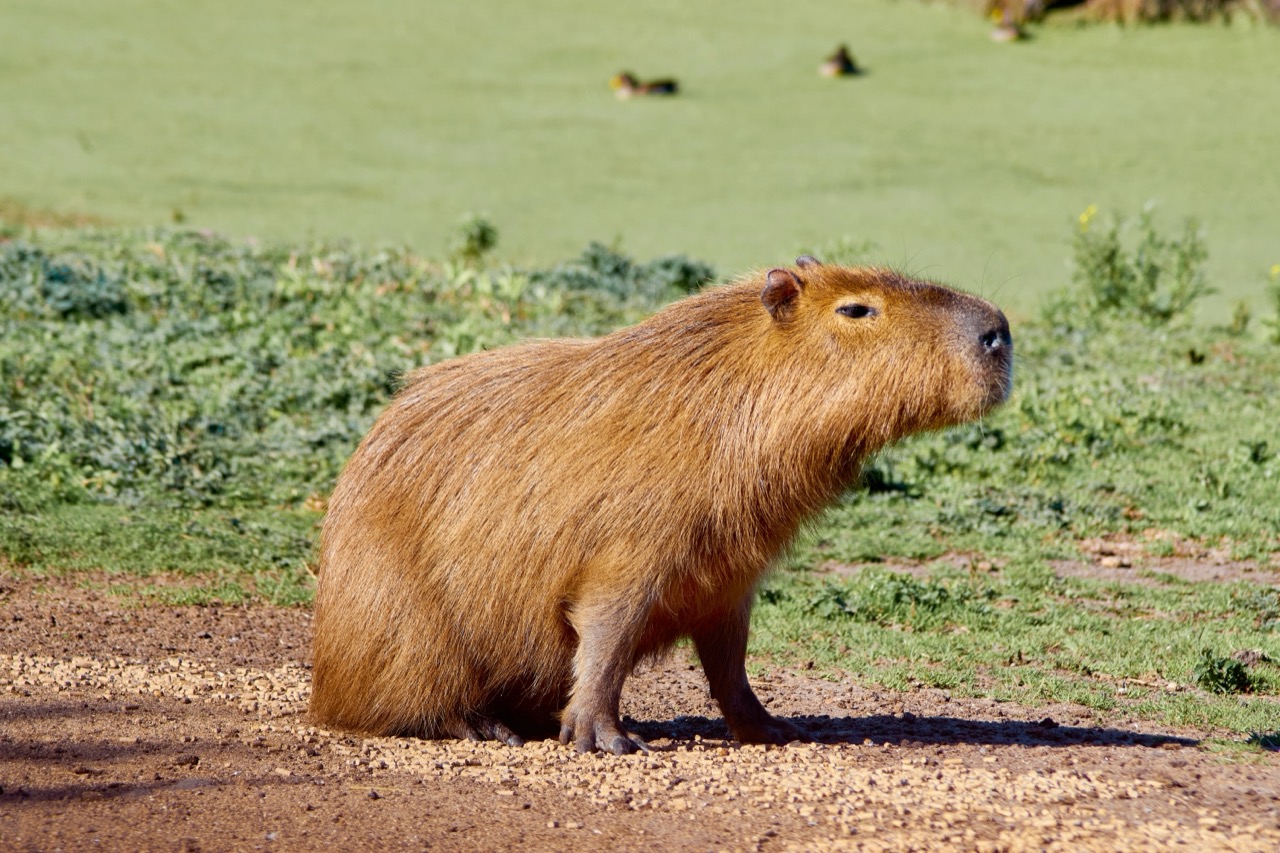
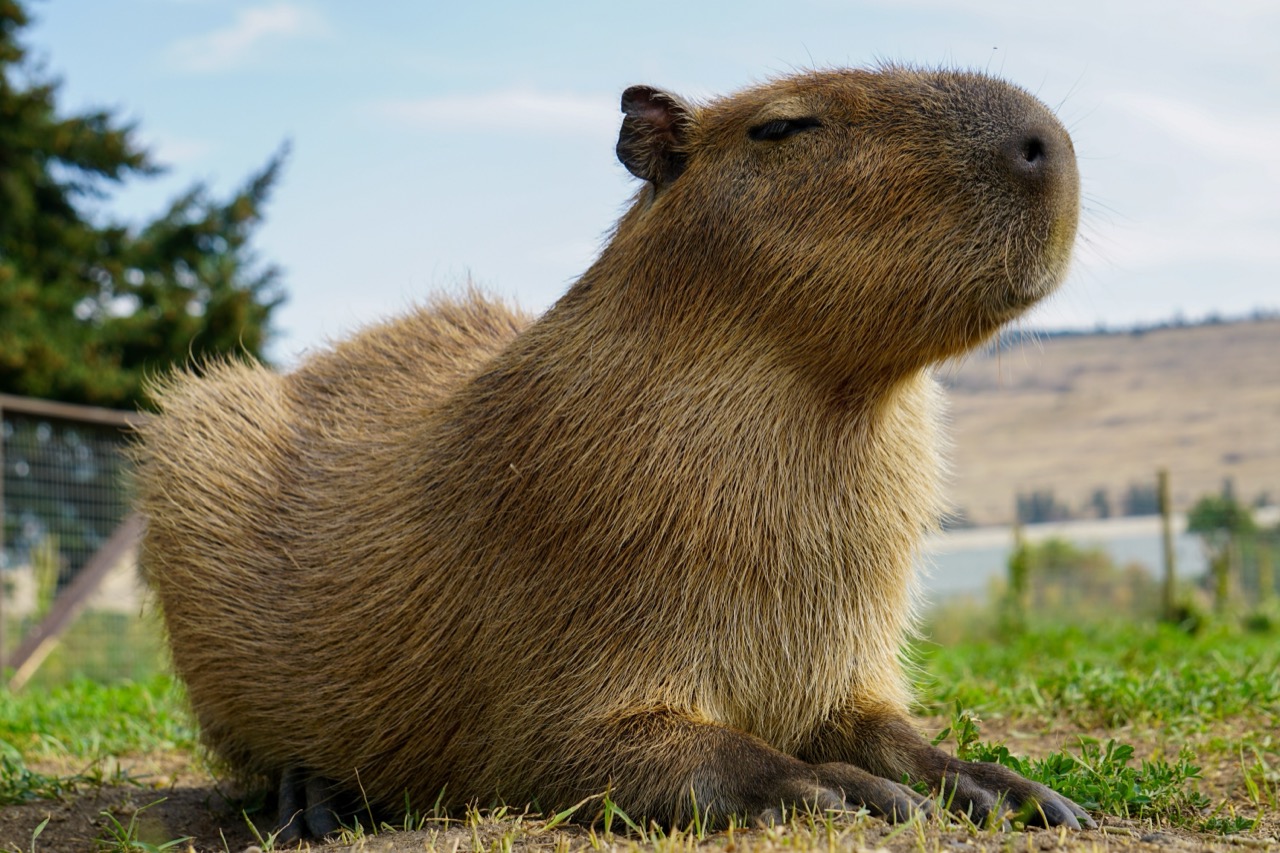
Capybaras might look like oversized guinea pigs living their best spa day, but there is much more to them than hot springs and sleepy smiles. Known as the world’s largest rodents, capybaras are native to South America and thrive in wetlands, riversides, and grassy floodplains. Their relaxed reputation is well earned, yet behind that calm expression is an animal perfectly adapted to a semi aquatic, highly social lifestyle.
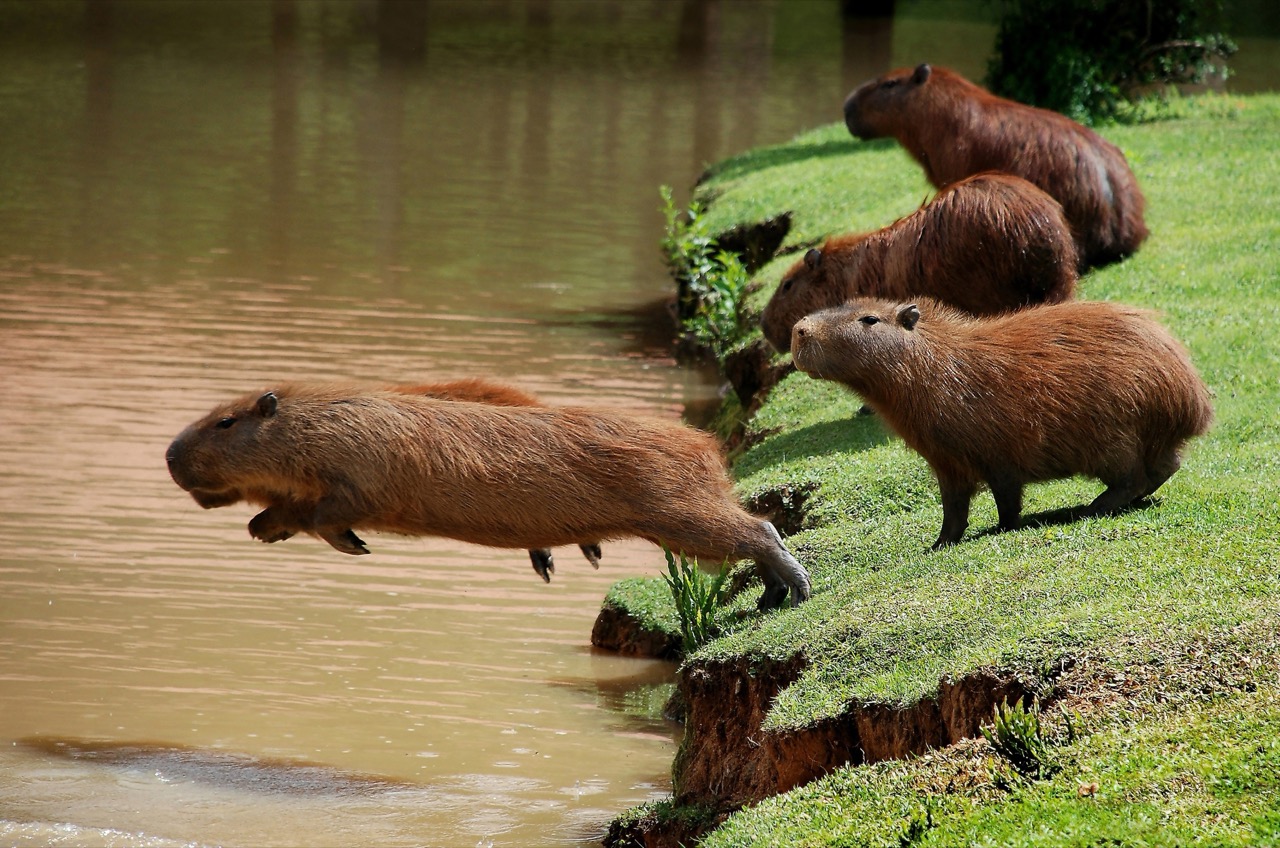
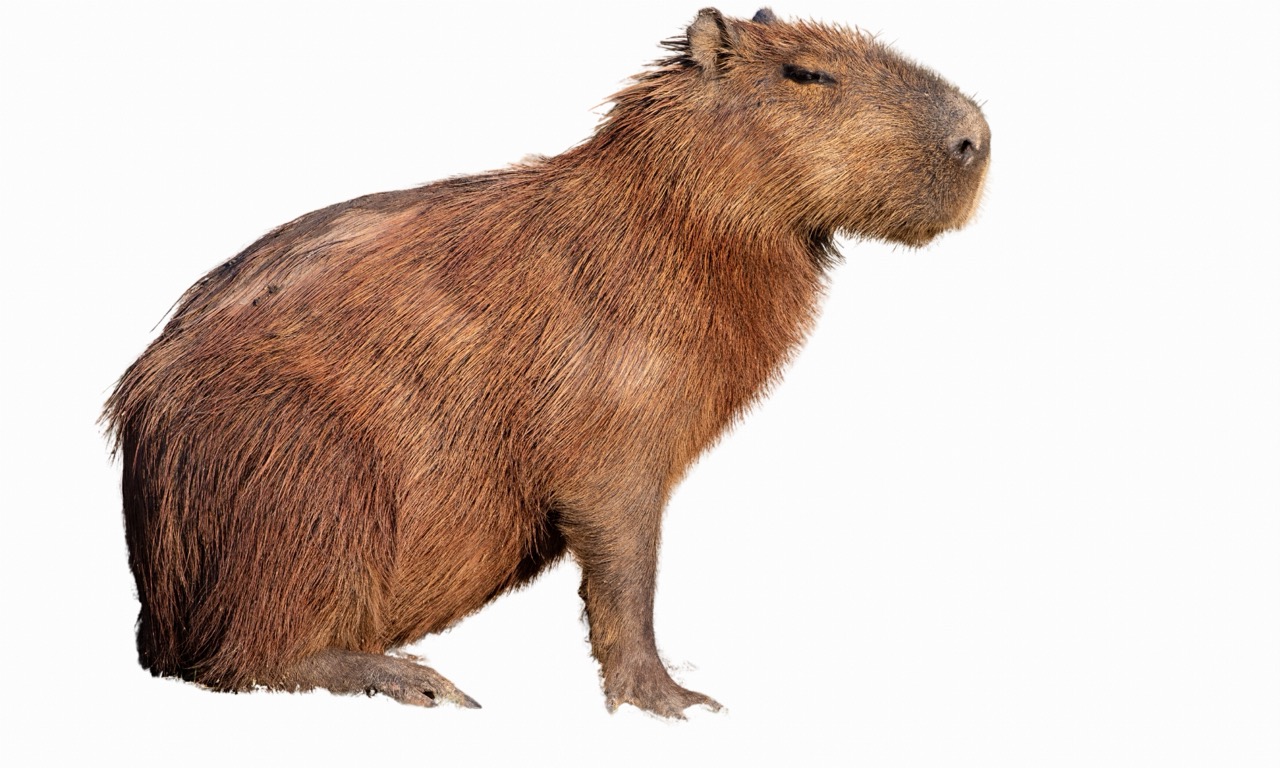
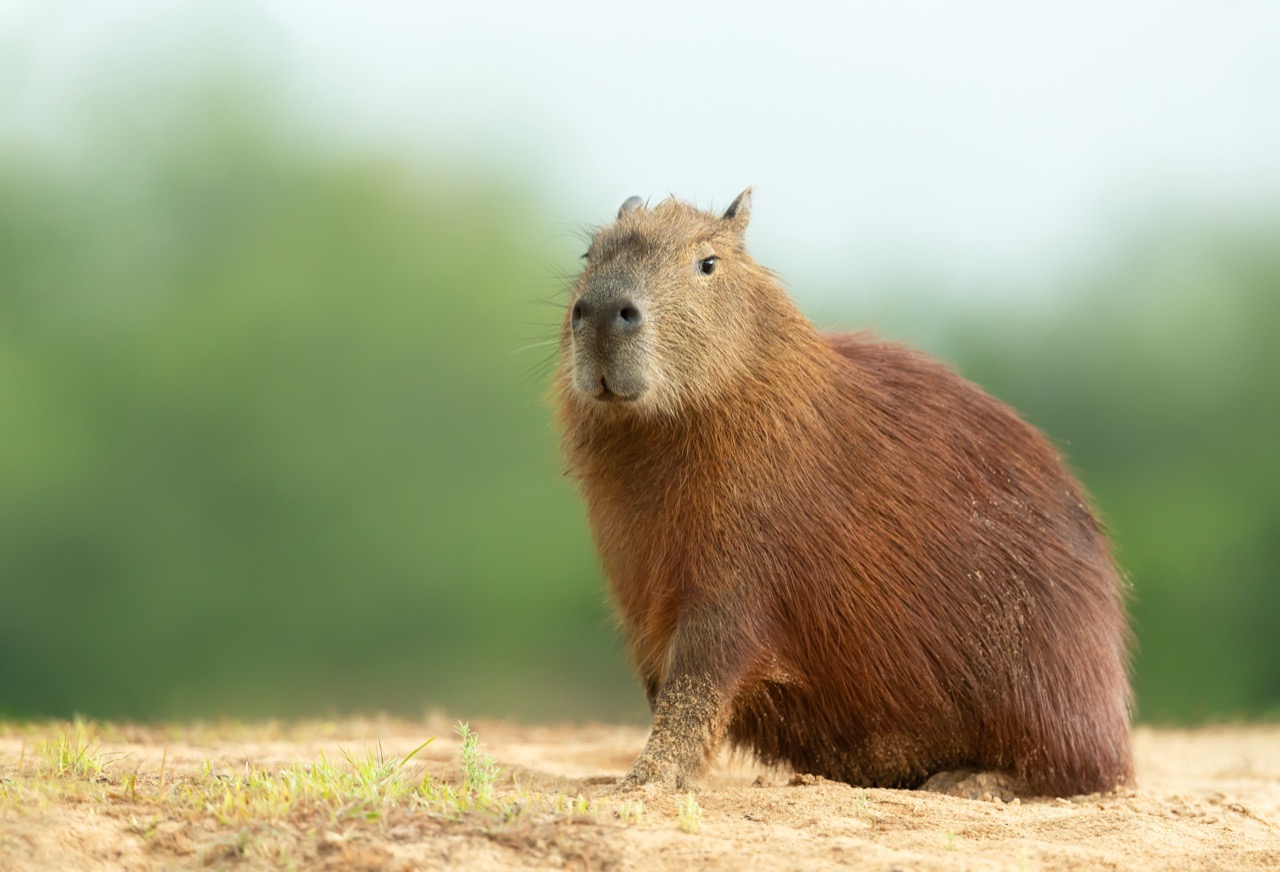
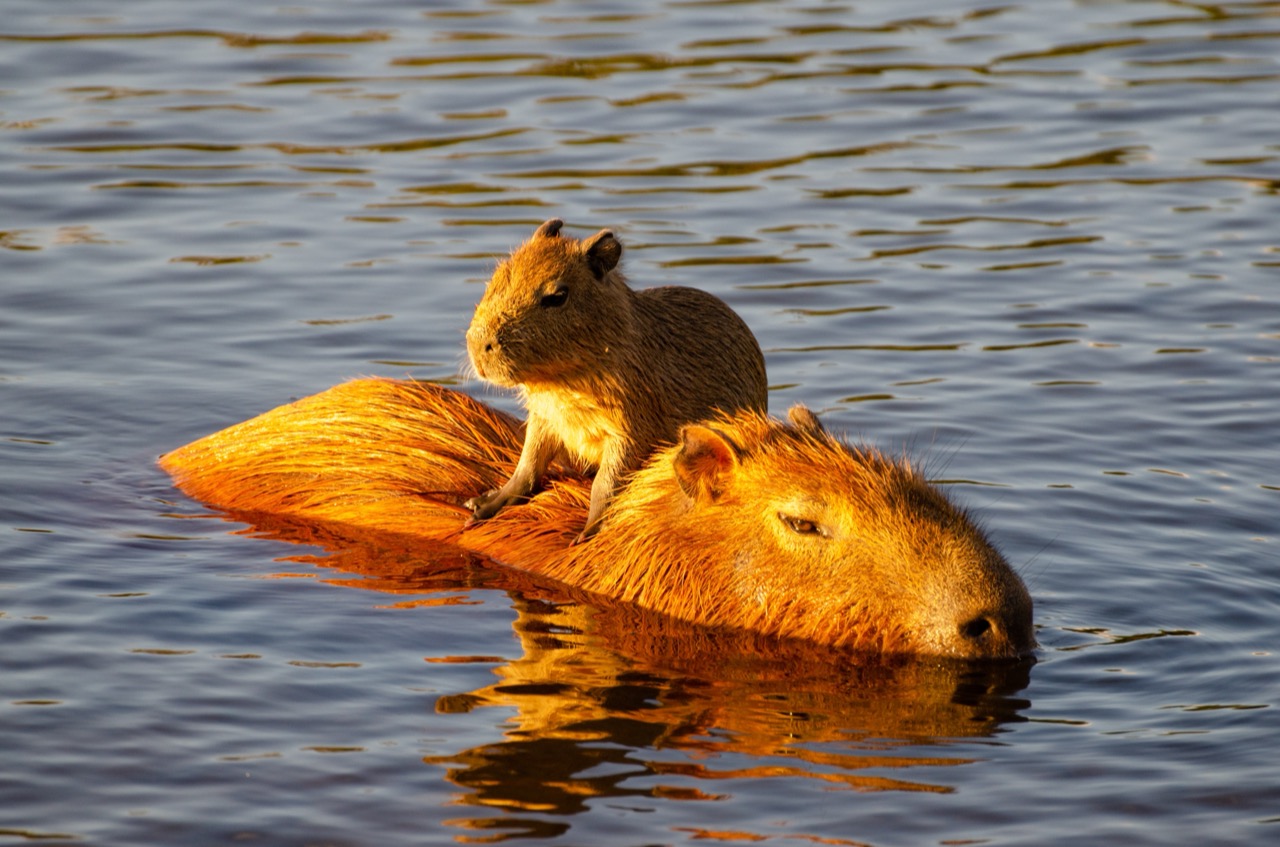
A full grown capybara can weigh as much as a large dog, with a sturdy, barrel shaped body and short legs built for both land and water. Their eyes, ears, and nostrils sit high on their heads, allowing them to see, hear, and breathe while the rest of their body stays underwater. This clever design helps them stay alert for predators while remaining mostly hidden. They are strong swimmers and can stay submerged for several minutes at a time, using webbed feet to glide quietly through ponds and rivers.
Water is central to capybara life. They use it to cool off in hot weather, escape danger, and even rest. On particularly warm days, you might find an entire group partially submerged, looking like a row of floating potatoes. In some places, especially in Japan, capybaras in zoos and parks have become famous for soaking peacefully in hot spring baths, often with citrus fruits bobbing around them during seasonal festivals. Those viral photos capture their natural love of water and their remarkable tolerance for human presence.
Capybaras are also known for their unusual social skills. They live in groups that can range from a handful of individuals to dozens, depending on food, space, and season. Within these groups, they communicate using soft barks, whistles, purr like sounds, and even teeth chattering. These noises help them warn of danger, keep track of one another, and maintain social bonds. Their calm, cooperative nature reduces conflict and keeps the group stable.
One of the most charming things about capybaras is how easily they seem to get along with other species. Photos and videos often show them resting beside ducks, monkeys, cats, turtles, and even alligators. While not every wild interaction is as peaceful as the internet suggests, capybaras are generally tolerant and unbothered, especially when they feel safe and have plenty of food and space. Their easygoing attitude has turned them into symbols of friendship and harmony online.
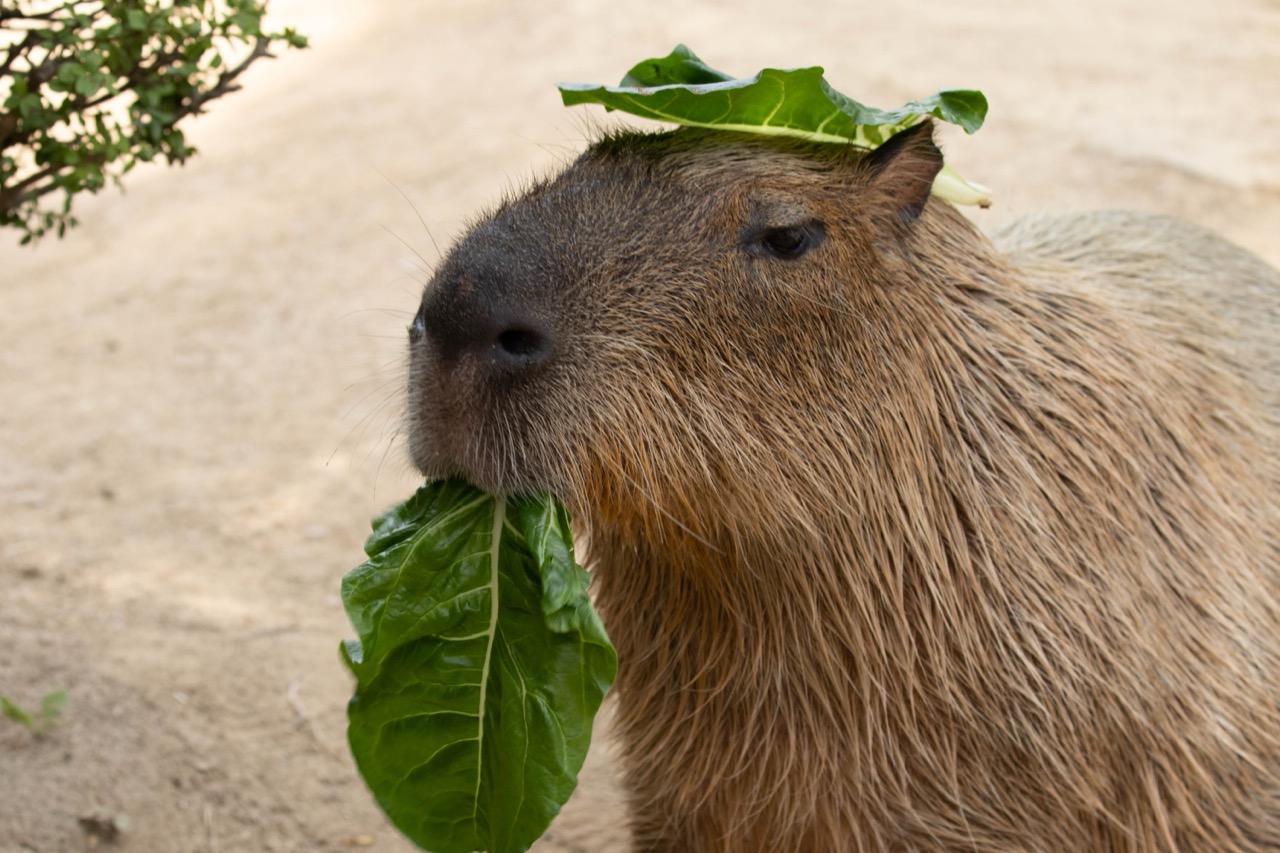
Diet plays a big role in their daily rhythm. Capybaras are herbivores, feeding mainly on grasses and aquatic plants. They spend hours grazing and have a specialized digestive system that helps them get the most nutrients from tough, fibrous food. Like some other rodents, they practice coprophagy, meaning they eat certain types of their own droppings to digest their food more completely. It sounds strange, but it is an important part of their health.
Behind every cute capybara meme is a complex, well adapted animal whose survival depends on water, community, and calm cooperation. Understanding their real lives makes those serene hot spring photos even more impressive. They are not just internet celebrities; they are gentle giants perfectly designed for a laid back, water loving world.