Low-Rider Legends: A Long-Eared Lineup Challenge
Long ears, soulful eyes, and noses that never seem to clock out set the stage for this hound-focused challenge. This trivia game explores the many faces, functions, and histories of short-legged scent trackers, from hunting fields to family couches. Expect questions that separate casual dog admirers from true hound aficionados as you compare regional strains, working lines, and companion-focused bloodlines. Along the way, you will uncover how different breeding priorities shaped body structure, temperament, and even coat details. Whether you are obsessed with their deep voices, fascinated by their tracking skills, or just charmed by their comical proportions, this quiz turns curiosity into a full-on sniffing expedition for knowledge. Sharpen your instincts, trust your nose for facts, and see if you can distinguish subtle differences among these long-backed specialists of the scent world.
1
Across the various regional and purpose-bred strains of these long-eared hounds, which shared characteristic best reflects their original design?
2
When comparing heavier show-ring types to lighter field types of these hounds, what difference in movement is often noted by judges and breeders?
3
Among field trial enthusiasts, which ability is most prized when evaluating different working strains of these low-slung hounds?
4
Which coat pattern is most traditionally associated with classic hunting-style representatives of this long-backed hound group?

5
In terms of temperament, which trait is most consistently emphasized across companion-focused lines of these hounds?
6
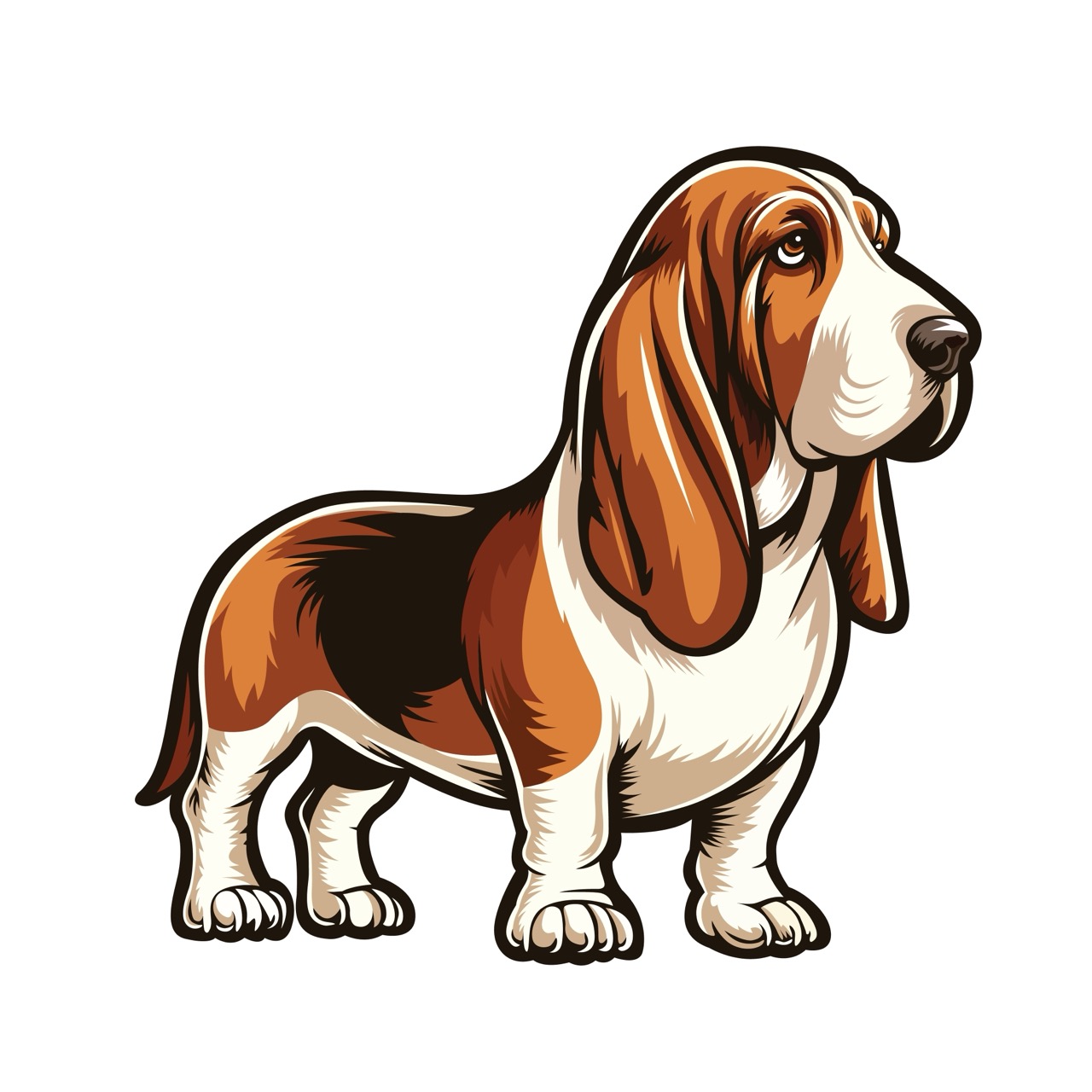
When enthusiasts speak of American-bred versus European-bred versions of these hounds, what distinction is most often highlighted?
7
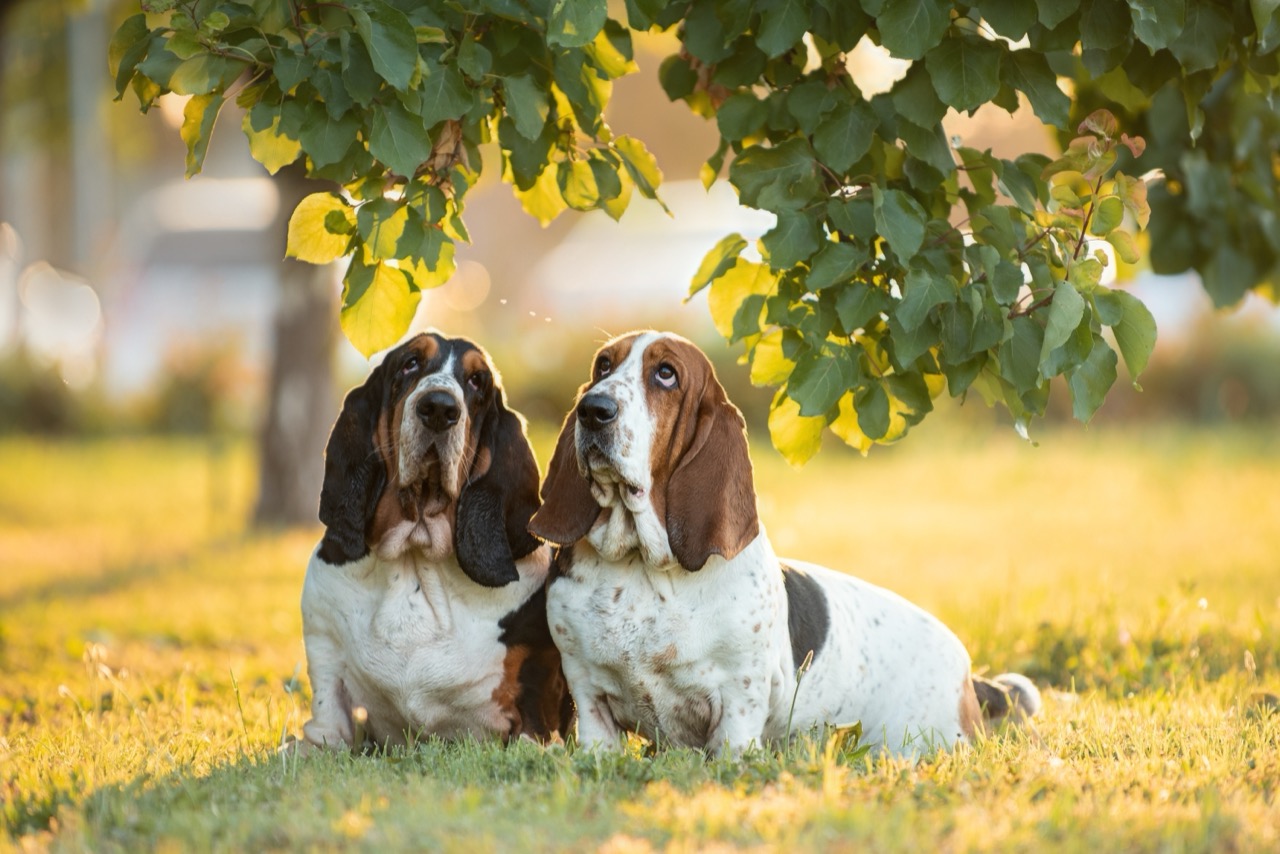
Which health concern is particularly monitored in long-backed, short-legged scent hounds, regardless of specific line or region?
8
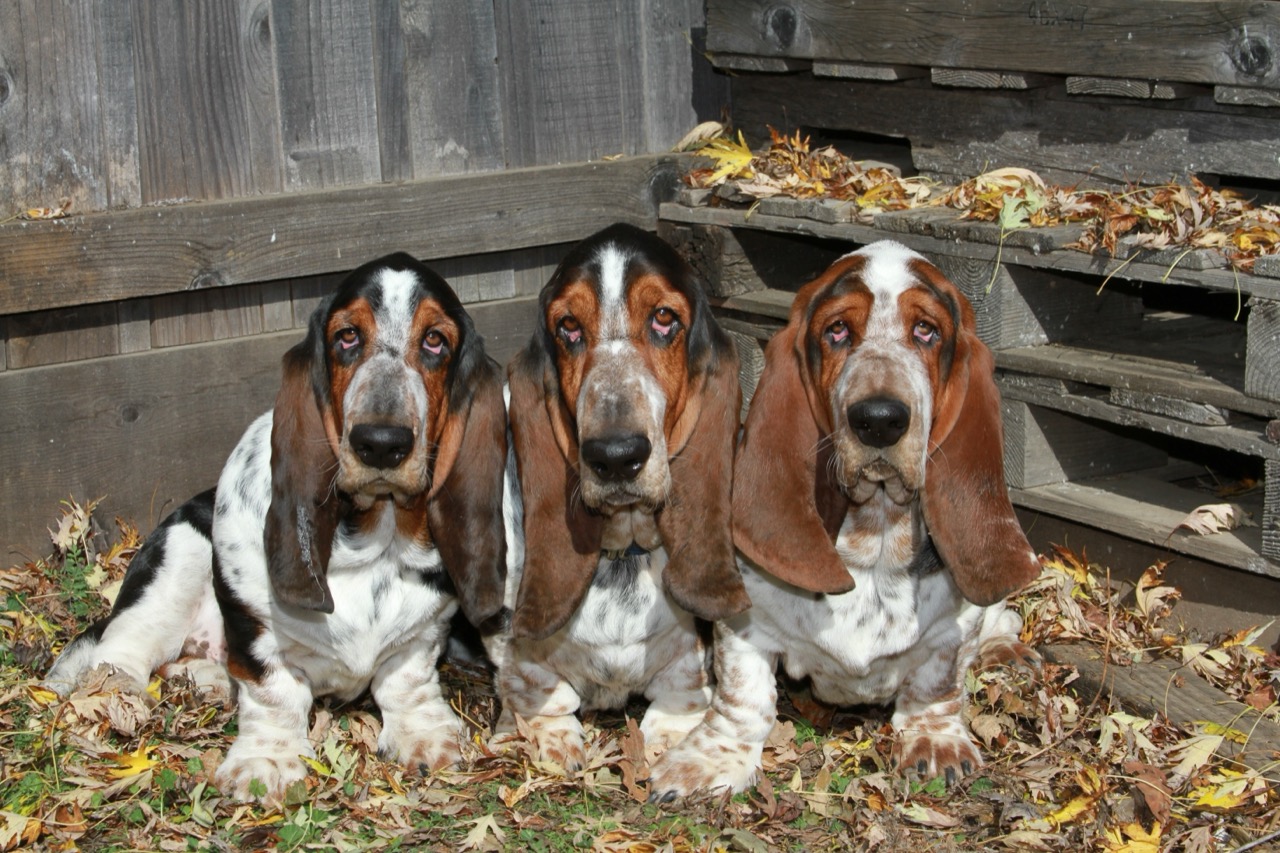
Which key physical trait most strongly links all classic short-legged scent hounds often grouped under the same name, regardless of regional variety?
9
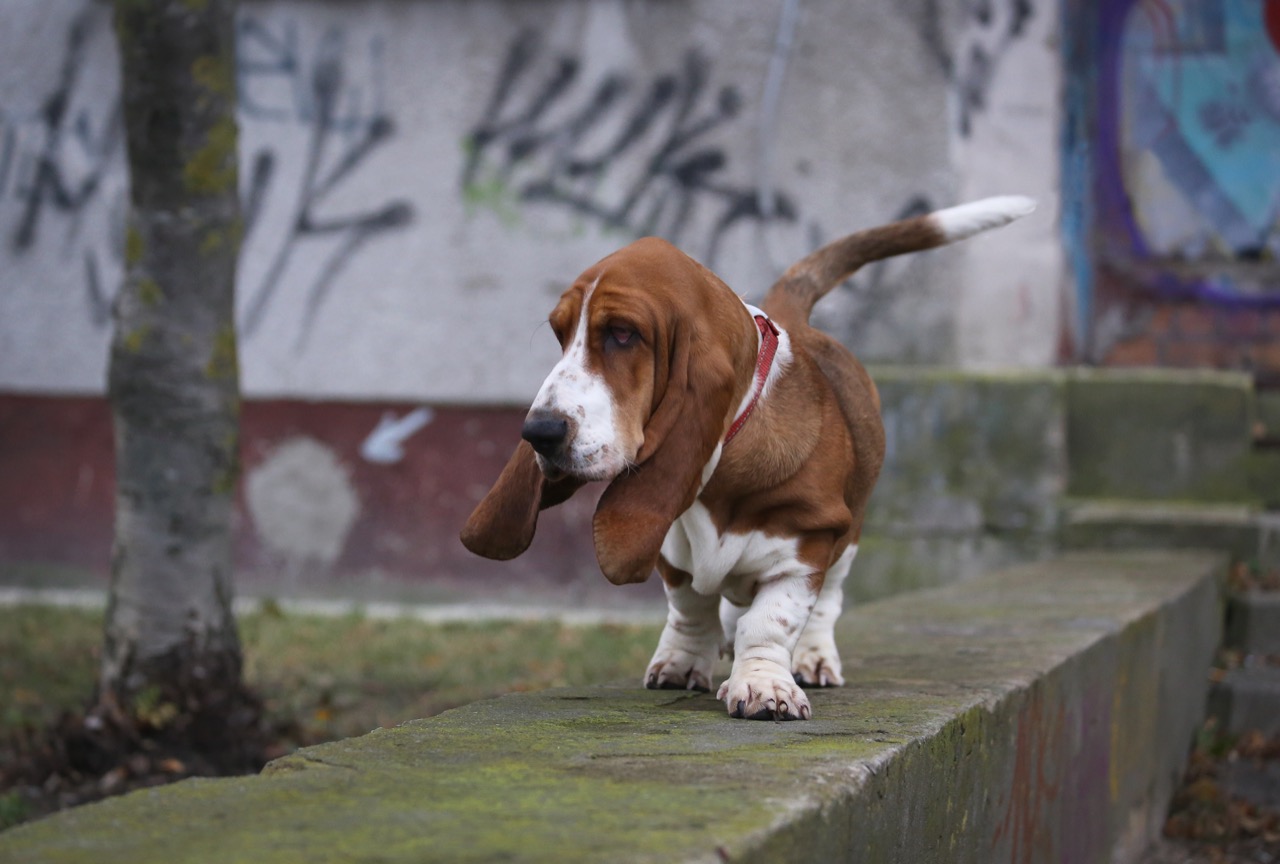
In European hunting traditions, which working purpose historically distinguished field-bred low-slung hounds from their show-ring cousins?

10
Compared with heavier-boned show strains, what is a common structural difference seen in performance-focused lines of these long-backed hounds?

0
out of 10