Feathered Riddles: The Secret Lives of Talking Wings


Quiz Complete!
Feathered Riddles: Inside the Secret Lives of Talking Parrots
Parrots have fascinated people for centuries, and not just because of their bright feathers. These birds combine striking looks with sharp intelligence, unusual diets, and personalities big enough to fill a rainforest. When you picture a parrot, you might think of a pirate’s shoulder companion or a cheerful pet saying hello. In reality, the world of parrots is far more complex, surprising, and sometimes downright strange.
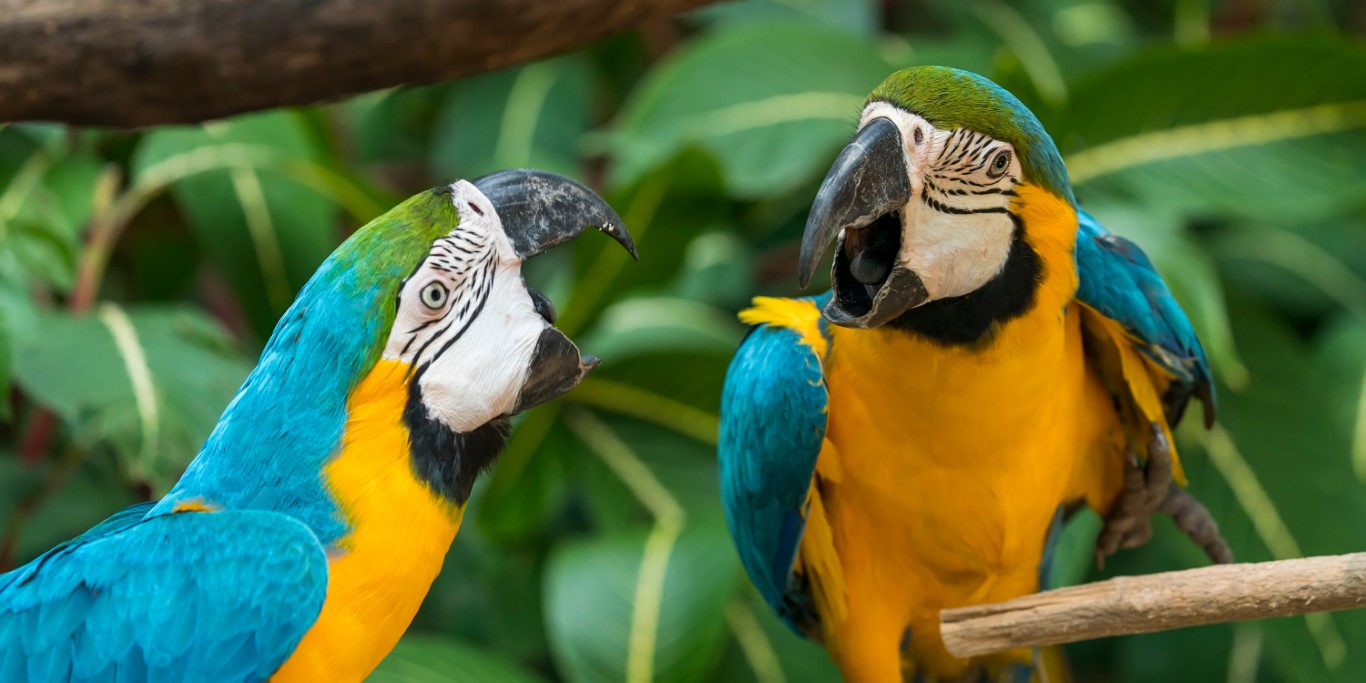
One of the most remarkable things about parrots is their ability to mimic sounds. They do not talk in the human sense, but they are excellent impressionists. In the wild, many parrots live in large, noisy flocks. Being able to copy calls helps them recognize each other and stay connected. In our homes, that same talent turns into repeating words, copying laughter, or even imitating phone ringtones and microwave beeps. Some parrots learn entire phrases and use them in ways that seem perfectly timed, making it easy to believe they truly understand what they are saying.
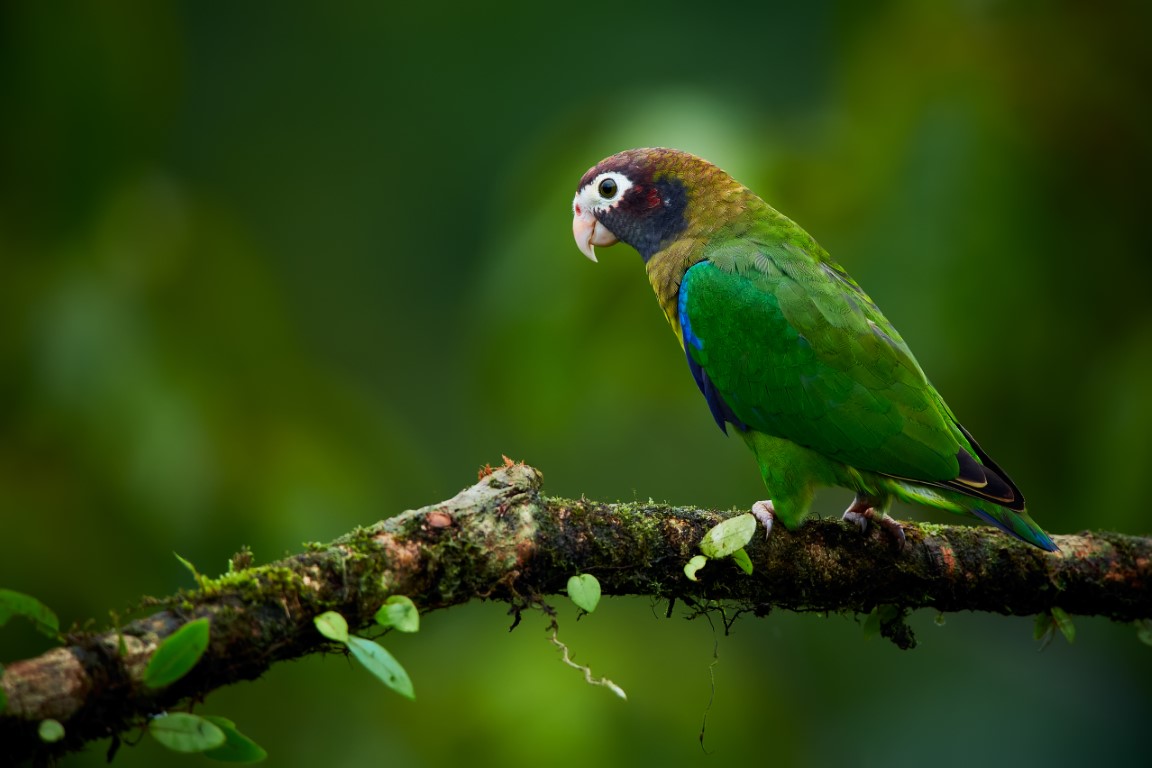
Their intelligence goes beyond mimicry. Certain species, such as African grey parrots and some cockatoos, have shown impressive memory and problem solving skills in studies. They can learn to match shapes, colors, and numbers, and remember solutions to puzzles for long periods. In the wild, this brain power helps them find food, avoid predators, and navigate complex social relationships inside the flock.
Parrot diets can be just as unusual as their voices. Many eat seeds, fruits, and nuts, and some have incredibly strong beaks that can crack hard shells with the force of a hammer. A few species, like the kea of New Zealand, are famous for their curiosity and boldness, poking at backpacks, cars, and anything else that might hide a snack. Others, such as certain lories, sip nectar with brush tipped tongues. These eating habits shape their bodies, from the curve of their beaks to the strength of their jaws.
Another surprising fact is how long parrots can live. Some larger species, like macaws and cockatoos, can live as long as or even longer than humans. It is not unusual for a well cared for parrot to outlive its original owner. This long life allows them to build deep bonds and develop complex personalities, but it also means that caring for one is a serious, long term responsibility.
Parrots are also champions of color and sound in their natural homes. In rainforests and woodlands, their bright feathers help them recognize each other among the leaves and branches. Loud calls carry over long distances, helping flock members stay in touch. These same traits make them stand out in human environments, where their voices and colors turn them into natural entertainers.
Behind every joke, whistle, and copied ringtone is a bird shaped by evolution to be social, adaptable, and clever. As you explore questions about memory feats, strange diets, and record setting birds, you will discover that parrots are far more than decorative chatterboxes. By the end, you may find yourself listening a little more closely the next time a bird seems to answer back.