Factory Floor Secrets of Pop Art










Quiz Complete!
Factory Floor Secrets Behind the Iconic Look of Pop Art

Pop Art can feel like it arrived fully formed: bright colors, sharp outlines, familiar faces, and images that look as if they were peeled straight from a magazine rack. But much of its power comes from practical decisions made in studios that often ran more like small businesses than romantic garrets. The movement’s famous “look” is tied to the tools of commercial printing, the realities of delegation, and the logic of making images that could travel, be repeated, and still feel punchy.
One of the biggest behind-the-scenes drivers was the embrace of screenprinting. Unlike traditional painting, screenprinting rewards flat color, clean edges, and bold shapes, and it can be repeated with consistent results. The process borrows from advertising and garment printing: a mesh screen is blocked out so ink passes only where the image should appear. If an artist wants a different color, they use another screen. That method makes it easier to build images in layers and to produce editions, but it also invites happy accidents like smudges, slight misregistrations, or uneven ink that make each version subtly different. Those imperfections became part of the aesthetic, a reminder that “mass produced” in art does not always mean identical.
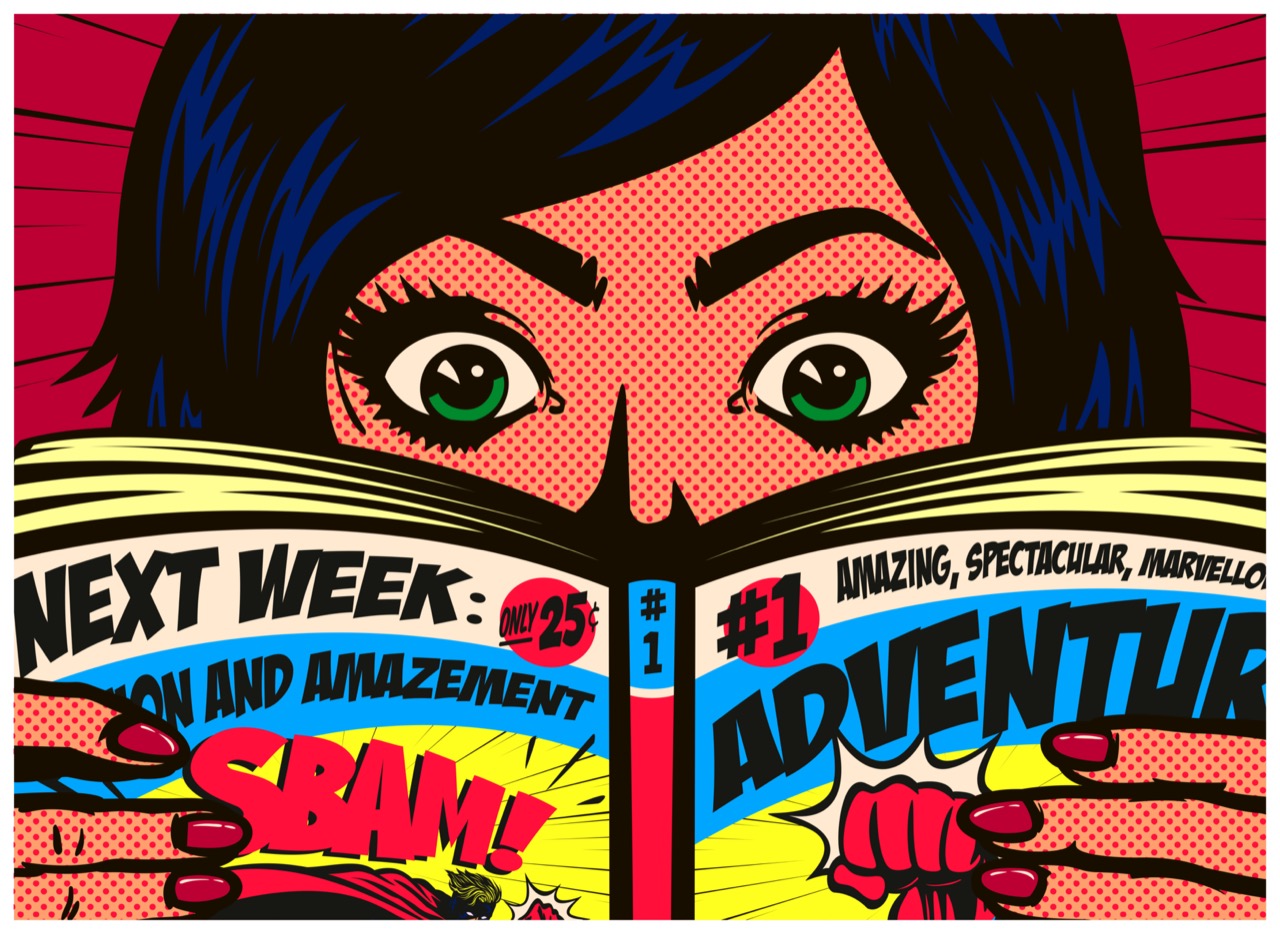
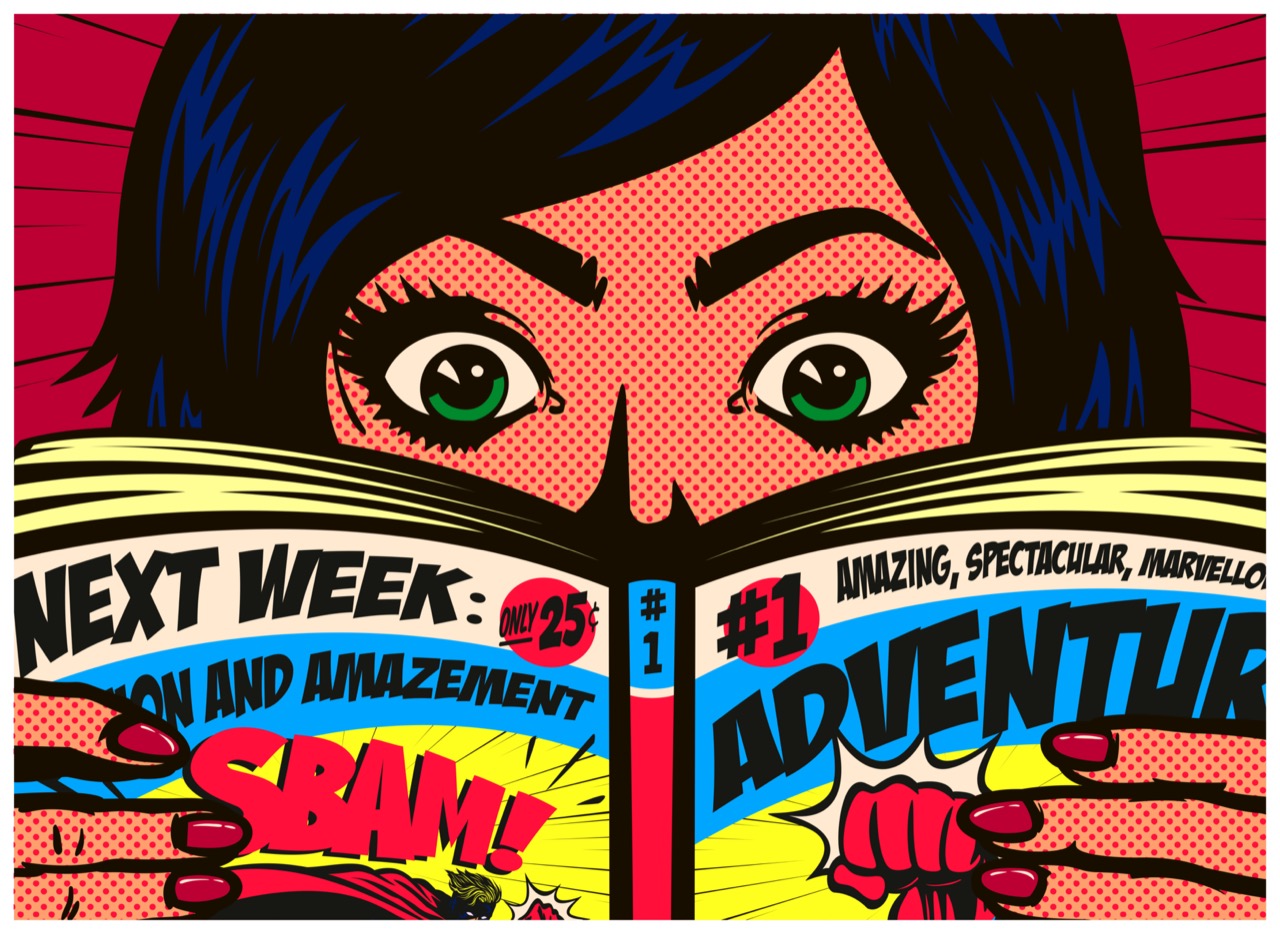
Roy Lichtenstein’s signature Ben Day dots point to another workshop reality: Pop artists were fascinated by the shortcuts of cheap reproduction. In mid-century printing, dots and halftones were a way to suggest shading using limited inks. Lichtenstein didn’t simply copy comic panels; he amplified their printing language, sometimes painting dots by hand or using stencils to mimic mechanical screens. The result looks industrial, yet it is often painstakingly planned. The irony is that an image that appears machine-made may be the product of careful human labor.
Photography was another key ingredient, not just as subject matter but as a workflow tool. Artists could project photos, trace them, crop them, and translate them into high-contrast designs suitable for printing. Appropriation, a term often used for Pop, was also a practical strategy: existing images already had strong compositions and instant recognition. Using them allowed artists to focus on shifts in scale, color, and context. It also raised questions about authorship that still echo today, because the “source” could be a newspaper, an ad agency, or an anonymous photographer.
The factory model became famous through Andy Warhol’s studio, nicknamed the Factory, where assistants helped with everything from stretching canvases to pulling prints. This wasn’t merely laziness or spectacle; it mirrored commercial art production, where teams execute a look under a creative director. Delegation made it possible to produce series, variations, and multiple formats. It also changed what it meant to be the artist. Was the art the handwork, the idea, the selection of imagery, or the management of a process? Pop Art pushed the answer toward concept and system.
Fabrication shops expanded the toolbox even further. Sculptural Pop often relied on industrial materials and specialized labor: vacuum-formed plastics, painted fiberglass, metal fabrication, and sign-painting techniques. Artists could design an object and have it built by skilled fabricators, much like architects do. That approach allowed for crisp surfaces and commercial finishes that would be hard to achieve alone.
Even shipping logistics shaped the work. Large canvases, repeated panels, and boxed sculptures had to be transported, stored, and displayed. Modular formats and editions were not only aesthetic choices; they were practical. A set of repeated images could be sold, moved, and installed with predictable results, reinforcing the sense that Pop Art belonged to the modern world of products, packaging, and distribution.
Seen this way, Pop Art is less a sudden burst of loud imagery and more a set of clever decisions about how pictures are made and circulated. Its secrets live in screens, dots, photo-crops, assistants’ hands, and the supply chains of modern culture. The iconic look is not just a style; it is the visible trace of a workshop reality.