Neon Echoes Pop Art Connection Quiz Lightning Round

Quiz Complete!
Neon Echoes: The Hidden Connections That Made Pop Art Explode
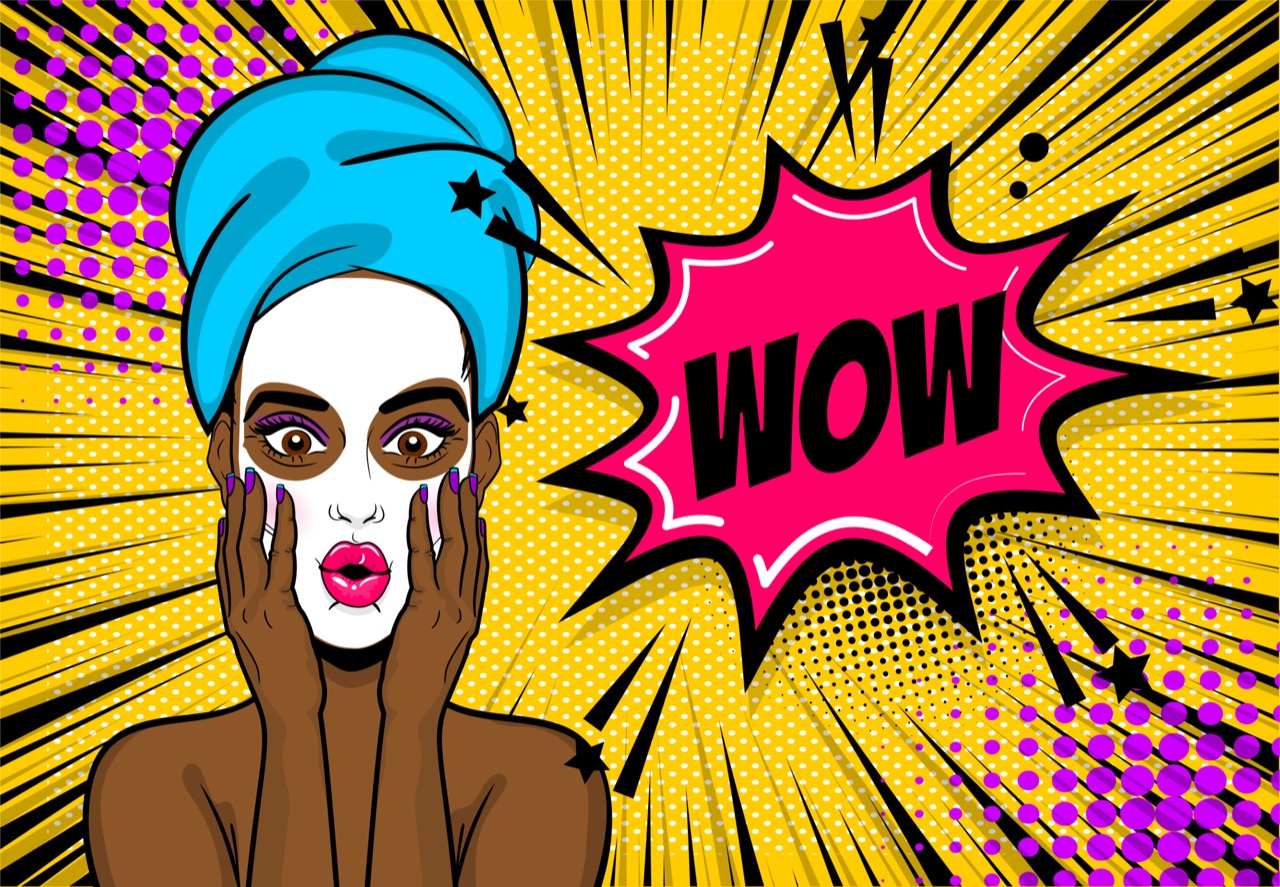
Pop Art is often remembered as bright, blunt, and instantly readable, but its real power comes from the web of connections behind those punchy images. It emerged in the mid twentieth century when everyday life was increasingly shaped by advertising, television, glossy magazines, and supermarket shelves. Artists began treating this flood of mass imagery not as background noise but as a shared language. The result looked simple on the surface, yet it was packed with commentary about desire, fame, and how modern identity gets manufactured.
One of the key surprises is that Pop Art did not begin as a purely American phenomenon. In Britain, artists and writers associated with the Independent Group were already dissecting consumer culture in the early 1950s. Richard Hamilton’s famous collage asking what makes today’s homes so different, so appealing assembled brand-name products, body ideals, and media imagery into a single living room scene. It was less a celebration than a diagnosis: the home had become a showroom for modern wants. Across the Atlantic, American artists pushed the idea further by using the visual intensity of advertising and the repetition of industrial production.
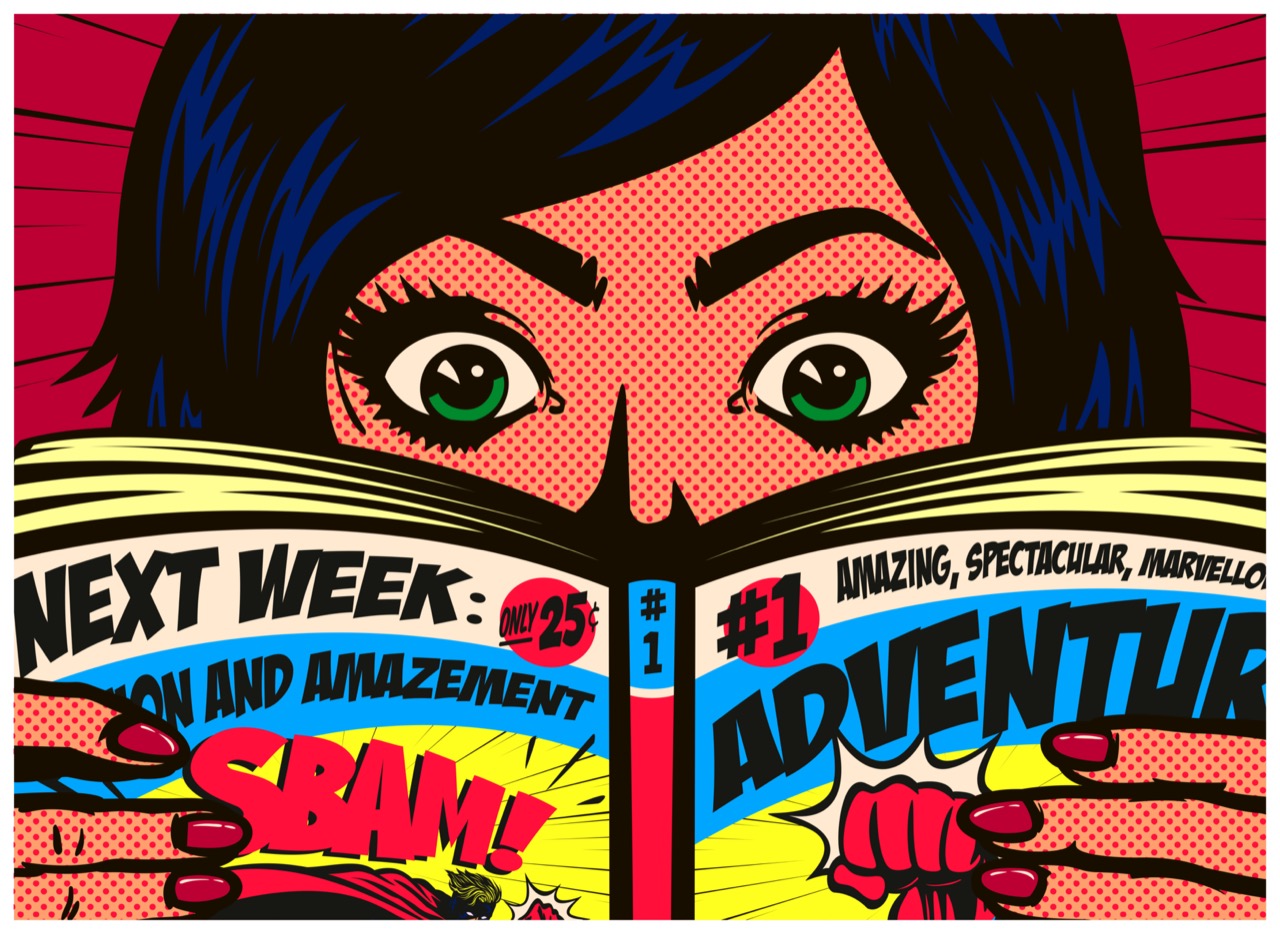
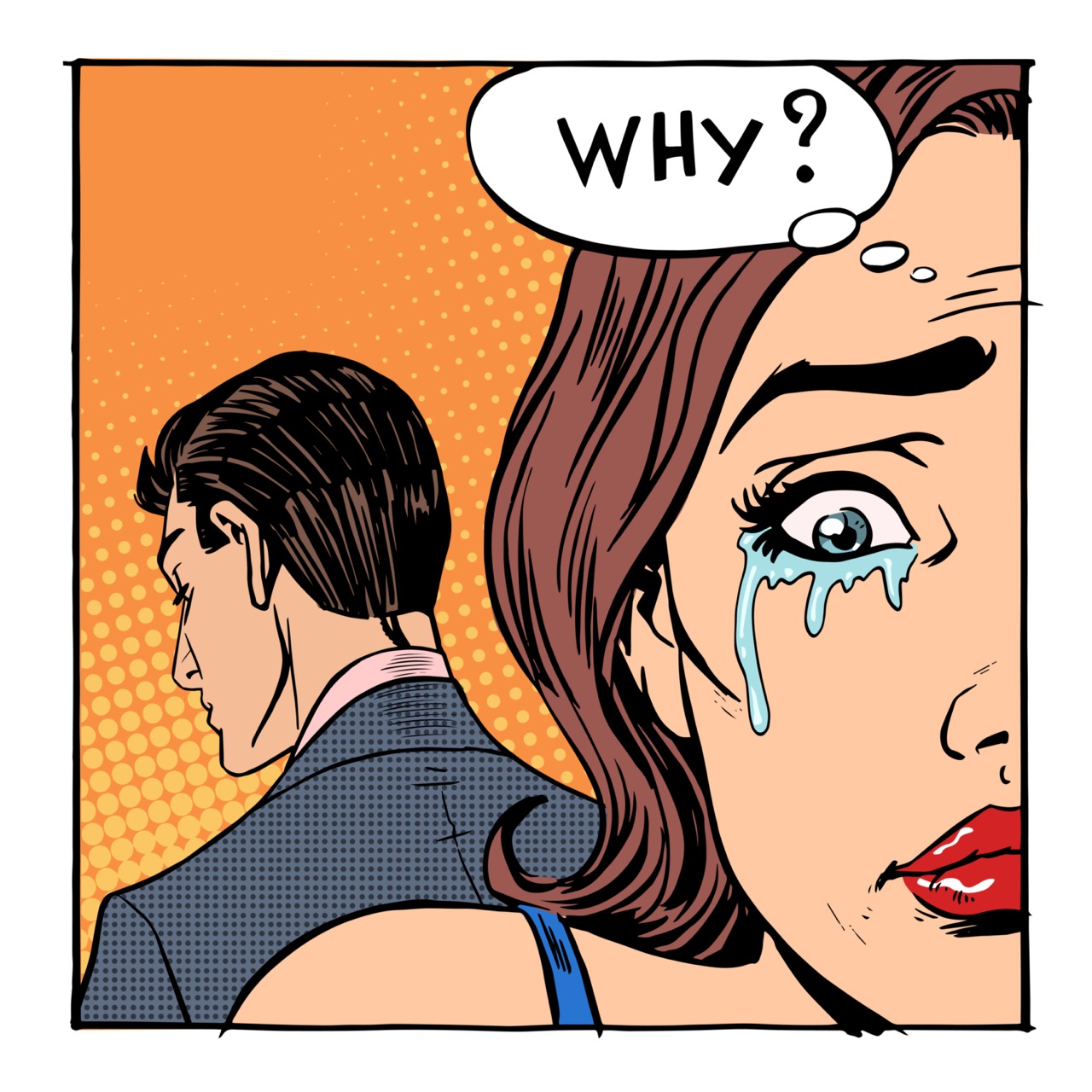
Comic strips and commercial printing techniques were crucial bridges between the street and the gallery. Roy Lichtenstein translated comic panels into large-scale paintings using Ben-Day dots, thick outlines, and cropped frames that mimic the camera-like cuts of mass media. The drama in his images often comes from how familiar they feel: they are not private emotions but standardized emotions, ready for reproduction. That sense of reproduction was also central to Andy Warhol, who made silkscreen printing a signature method. Silkscreen allowed him to repeat the same image with slight shifts in color and alignment, echoing the way celebrity faces and product logos circulate endlessly.
Warhol’s studio, the Factory, turned art making into something closer to a production line. Assistants helped pull screens, mix inks, and assemble works, challenging the romantic idea of a lone genius. This factory-like approach was not just a gimmick; it mirrored the era’s manufacturing systems and the way culture itself was being produced and distributed. The same logic can be seen in Warhol’s soup cans and Brillo boxes, which blur the line between a painted image of a product and the product’s own packaging design. That blur raised a provocative question: if the object and its image are nearly indistinguishable, what exactly is the museum celebrating?
Pop Art also kept borrowing across oceans and between art movements. Its crisp edges and everyday subject matter can feel like a break from earlier styles, yet it shares DNA with Dada’s irreverence and Marcel Duchamp’s readymades, which treated ordinary objects as art by shifting context. It also inherits lessons from Surrealism about how images can be uncanny when removed from their usual setting. Even Abstract Expressionism, often framed as Pop’s opposite, played a role by setting up a dramatic contrast. Pop artists reacted against the heroic brushwork and private symbolism of abstraction by turning outward to public images, but they kept the ambition to define an era.
The movement’s icons often came directly from real-world commerce and celebrity culture. Warhol’s Marilyn Monroe images show how a film star can become a logo, while his repeated portraits underscore how fame can flatten a person into a surface. Meanwhile, artists like Claes Oldenburg made soft sculptures and oversized replicas of everyday items, transforming the trivial into the monumental. In a different register, James Rosenquist brought billboard-scale techniques into painting, slicing and recombining fragments of advertising into dreamlike, sometimes unsettling montages.
Pop Art’s afterlife may be its most striking connection of all. Images that once moved from a supermarket shelf to a museum didn’t stop there; they flowed into album covers, fashion prints, music videos, and film set design. The movement helped establish the modern loop in which culture constantly remixes itself, and where recognizing a reference can be as thrilling as seeing something new. Pop Art looks loud and simple because it speaks in the language of the crowd, but its best stories are about how that language was built, copied, and turned back on itself.