Pocket-Sized Smiles: The Curious World of Quokkas
Quiz Complete!
Pocket-Sized Smiles: Inside the Curious World of Quokkas
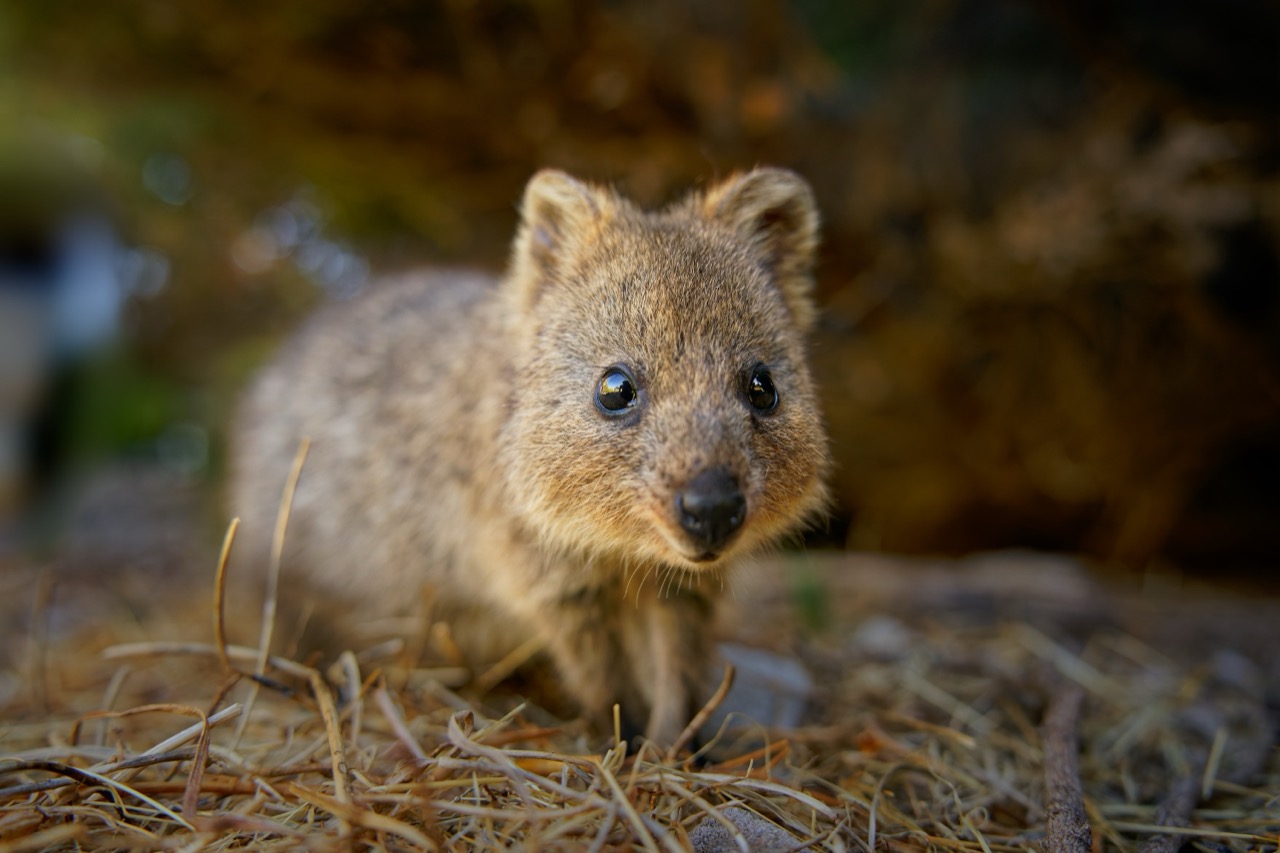
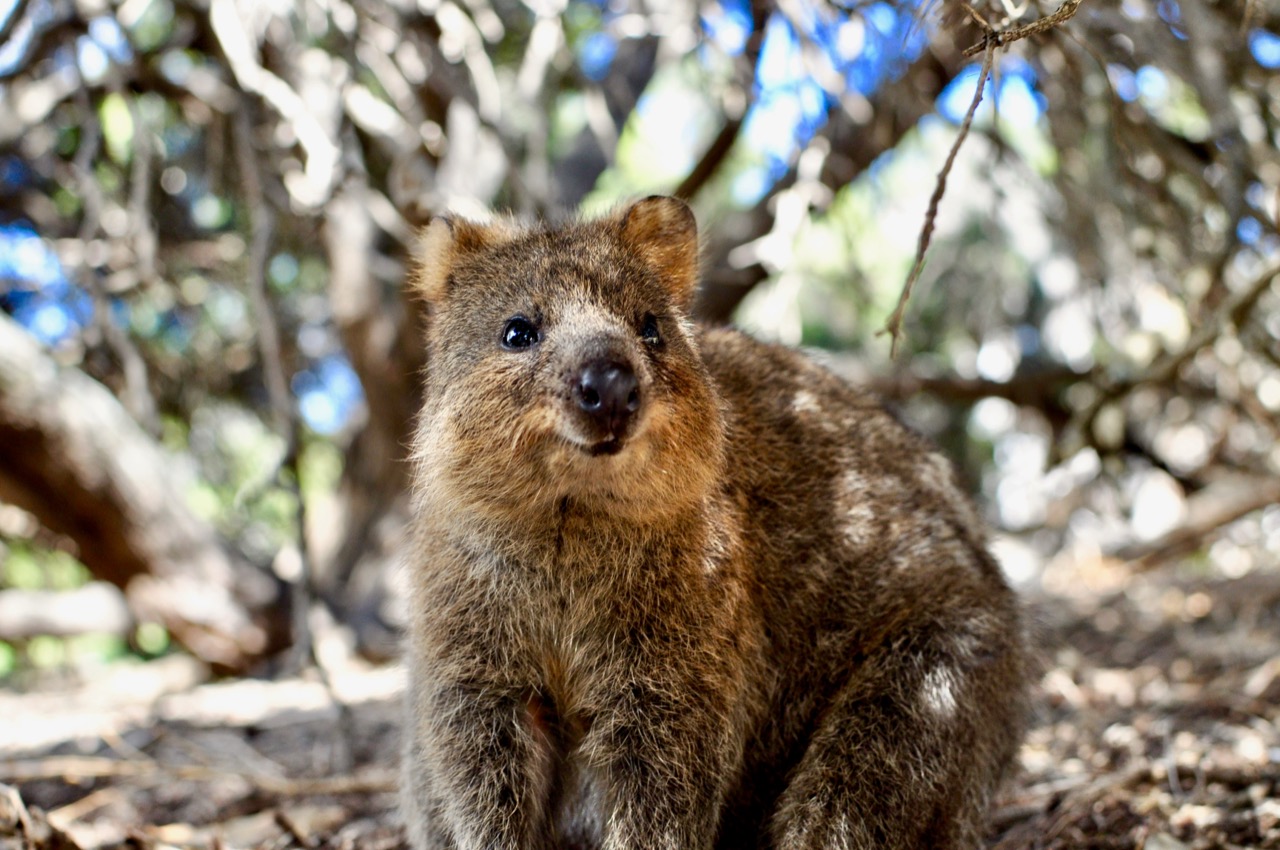
Quokkas may be small, but they have a huge reputation. Often called the worlds happiest animal, these compact marsupials are famous for their seemingly smiling faces and their surprising willingness to pose in photos with humans. Behind the cute images, though, is a tough and adaptable animal with a fascinating life story.
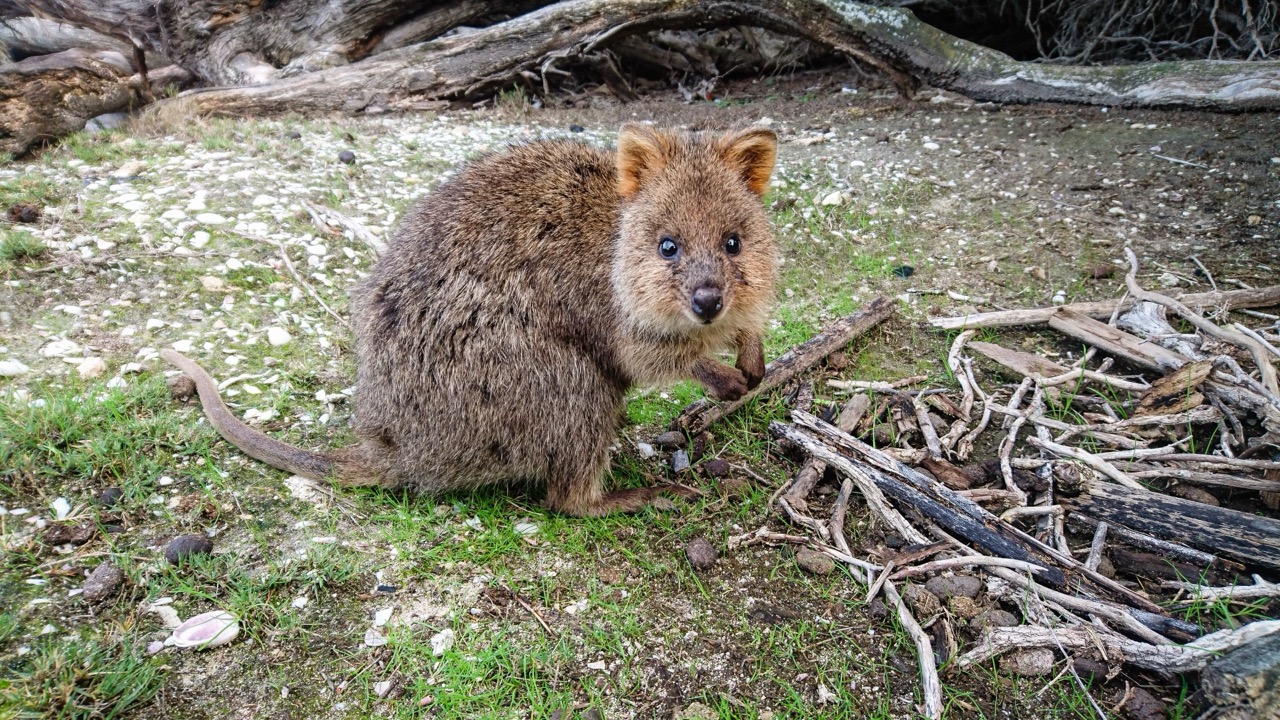
Quokkas are native to Western Australia, with their most famous stronghold on Rottnest Island, just off the coast of Perth. Early European explorers actually mistook them for giant rats, which is how Rottnest got its name, meaning rats nest. In reality, quokkas are members of the macropod family, which also includes kangaroos and wallabies. They have strong hind legs, a sturdy tail, and a round, compact body that helps them move through dense vegetation.
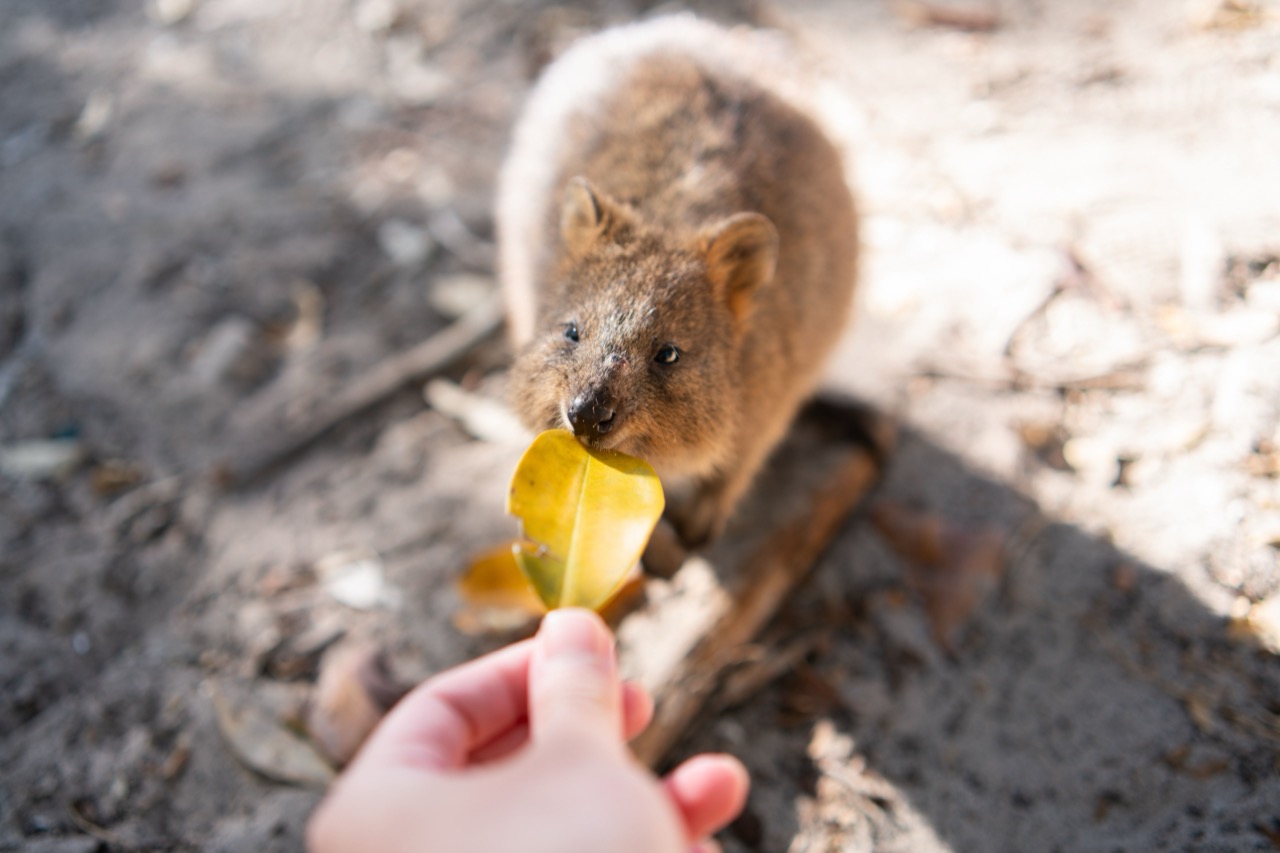
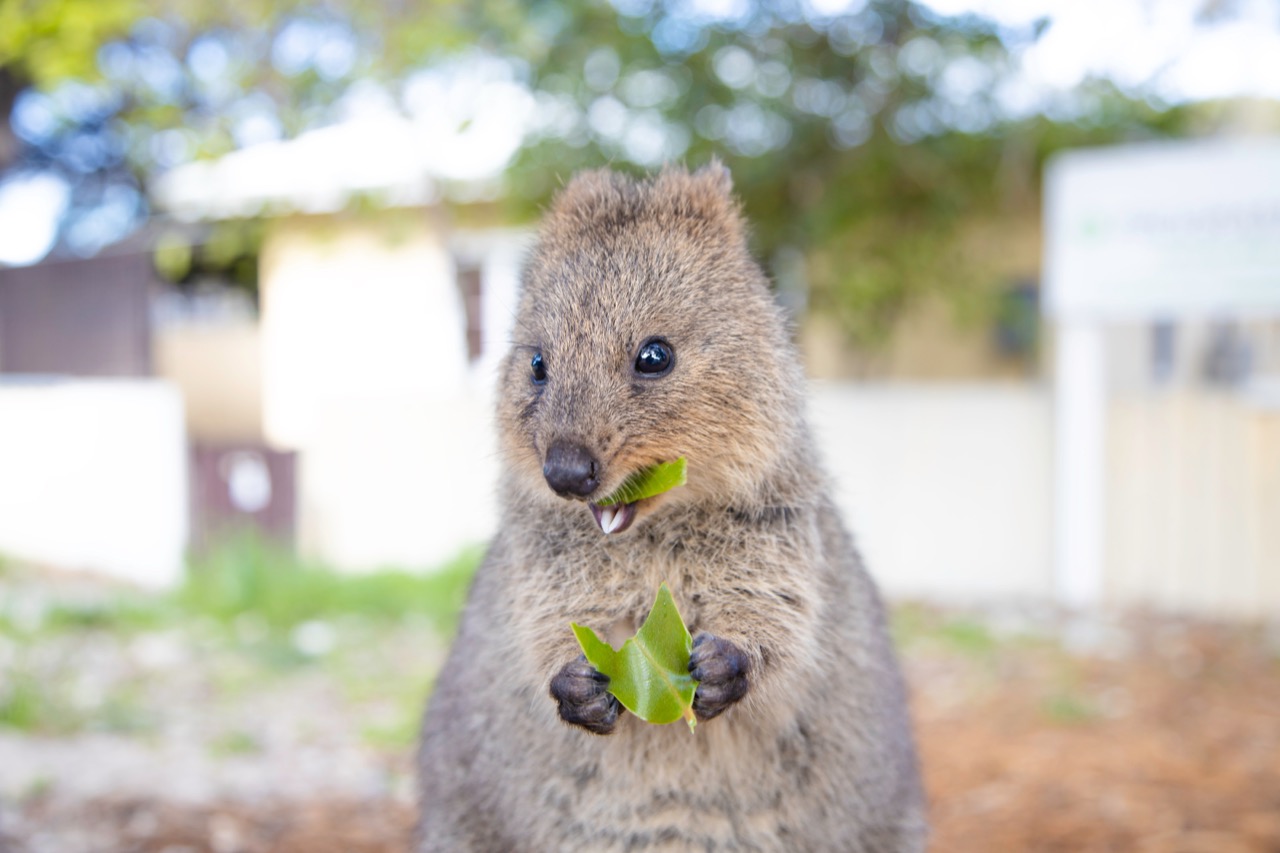
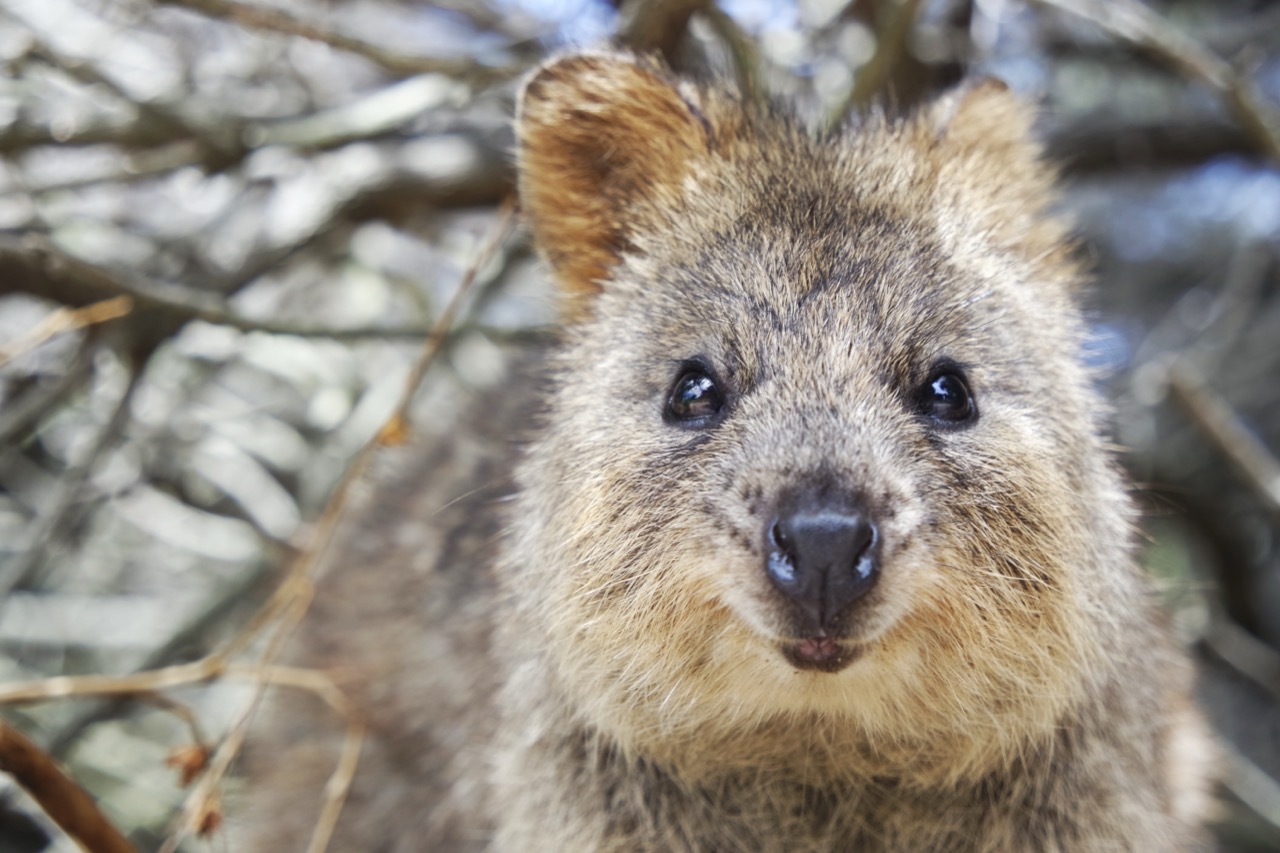
Their trademark smile is not a sign that they are posing for the camera. Instead, it is a mix of their facial structure and behavior. Quokkas often open their mouths to pant in the heat, and their cheeks and eyes naturally shape into what humans interpret as a cheerful grin. This expression, combined with their curious nature, makes them look friendly and photogenic, which has fueled their rise to internet fame.
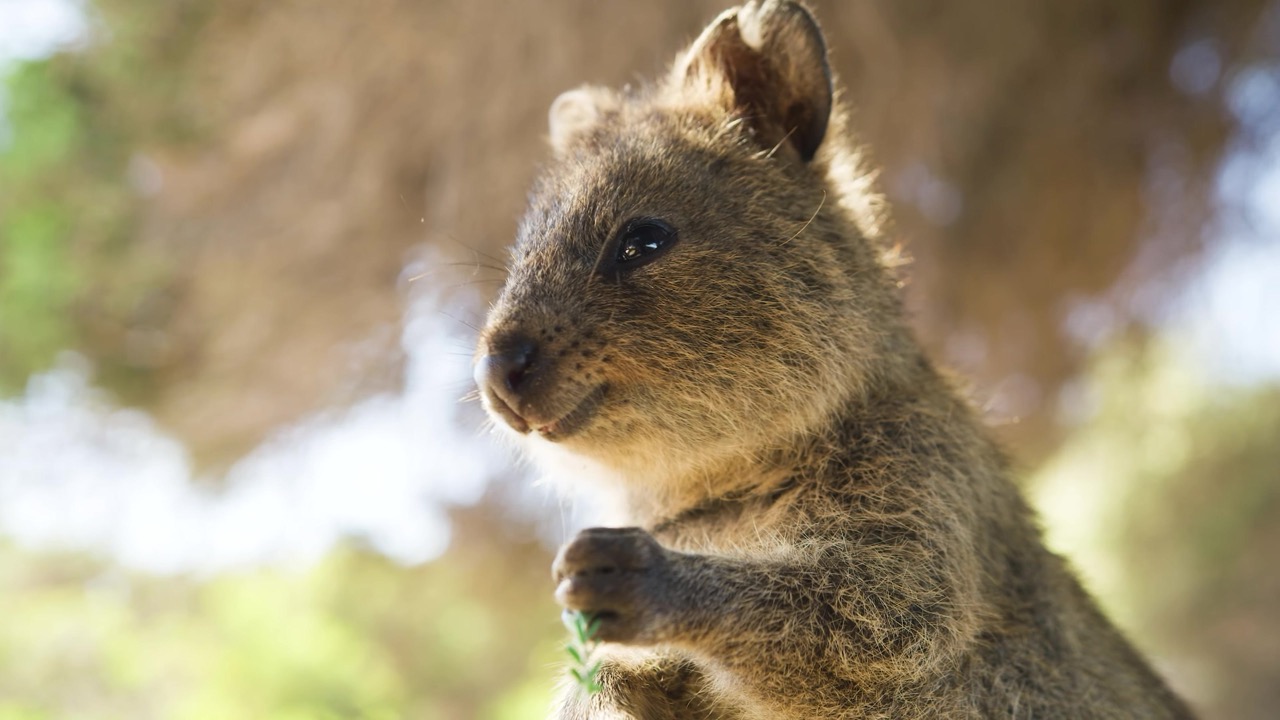
In the wild, quokkas are mostly nocturnal. They rest in shady, sheltered spots during the day and become active at night when temperatures are cooler. Their diet is mainly made up of leaves, grasses, and other plant material. On islands like Rottnest, they have adapted to survive with limited fresh water. Much of the moisture they need comes from the plants they eat, and their bodies are efficient at conserving water. This ability helps them cope with dry, harsh conditions that would challenge many other animals.
Quokkas live in small groups and often share overlapping home ranges. They are not as strictly territorial as some mammals, but they do rely on familiar paths and shelter sites. Dense vegetation gives them cover from predators and protection from the sun. On the mainland, where foxes and other introduced predators are present, quokkas are far more cautious and less visible than their island relatives.
Their breeding strategy is another interesting part of their story. Female quokkas give birth to tiny, underdeveloped young that crawl into the mothers pouch, where they continue to grow and develop. Like other marsupials, quokkas can pause or adjust their reproductive cycle in response to environmental conditions, a useful trait in unpredictable climates.
Despite their friendly image, quokkas are wild animals and protected by law. Feeding or handling them can harm their health and change their natural behavior. Understanding their real needs and challenges, from habitat loss to introduced predators, reveals that they are more than just smiling faces. They are resilient survivors, perfectly adapted to a demanding environment, and they deserve respect as well as admiration.
Learning about quokkas beyond the memes adds depth to their charm. The next time you see a photo of a grinning quokka, you will know there is a complex and remarkable creature behind that famous smile.