Galloping Brainstorm: The Ultimate Equine Fact Challenge
Think you can outsmart a creature that sleeps standing up, runs on a single toe, and helped shape human history long before cars existed? This fast-paced quiz puts your knowledge of magnificent equine facts to the test. From wild grassland sprinters to pampered show-ring superstars, these four-legged legends hide plenty of surprises in their manes and tails. You will explore how they see the world, how fast they can really run, and what those twitching ears are trying to say. No saddle required, just curiosity and a bit of competitive spirit. Some questions might feel easy as a gentle trot, while others will hit like a full-speed gallop, so stay sharp. By the end, you will know whether you are a true barn-side expert or just horsing around. Ready to test your stride against some of the most fascinating facts in the animal kingdom?
1
What is the main component of a horse’s hooves and hair?

2
Which breed is famous for its exceptional speed in flat racing over short to middle distances?

3
What is the typical range of a healthy adult horse’s resting heart rate?
4
Which scientific name refers to the modern domestic horse?

5
Which dietary description best fits a healthy horse?
6
What is a young female horse under about four years of age commonly called?

7
How do horses primarily communicate mood and intent to other horses and humans?

8
What is unusual about many horses’ sleep habits compared to humans?

9
Which gait is naturally the fastest for most horses without special training or pacing?
10
Which of these best describes a horse’s field of vision?
0
out of 10
Quiz Complete!
Galloping Brainstorm: Discovering the Secret Lives of Horses
Horses have been our partners, helpers, and even heroes for thousands of years,
long before cars, trains, or airplanes existed. Yet many of their most
fascinating traits are still surprising, even to people who see them every day.
A quiz on equine facts is not just about trivia; it is a chance to step into the
world as a horse experiences it.
One of the most unusual things about horses is the way they rest. They can lie
down, but they often sleep standing up, thanks to a clever system of tendons and
ligaments called the stay apparatus. This natural lock lets them relax their
muscles without collapsing. It evolved as a survival advantage in the wild,
allowing them to doze lightly while staying ready to flee from predators at a
moment’s notice.
Their legs tell another remarkable story. Horses run on a single toe, the tip of
which is protected by the hoof. Over millions of years, their ancestors went
from having several toes to just one main weight-bearing digit on each foot.
This streamlined design helps them run fast over open ground, making them
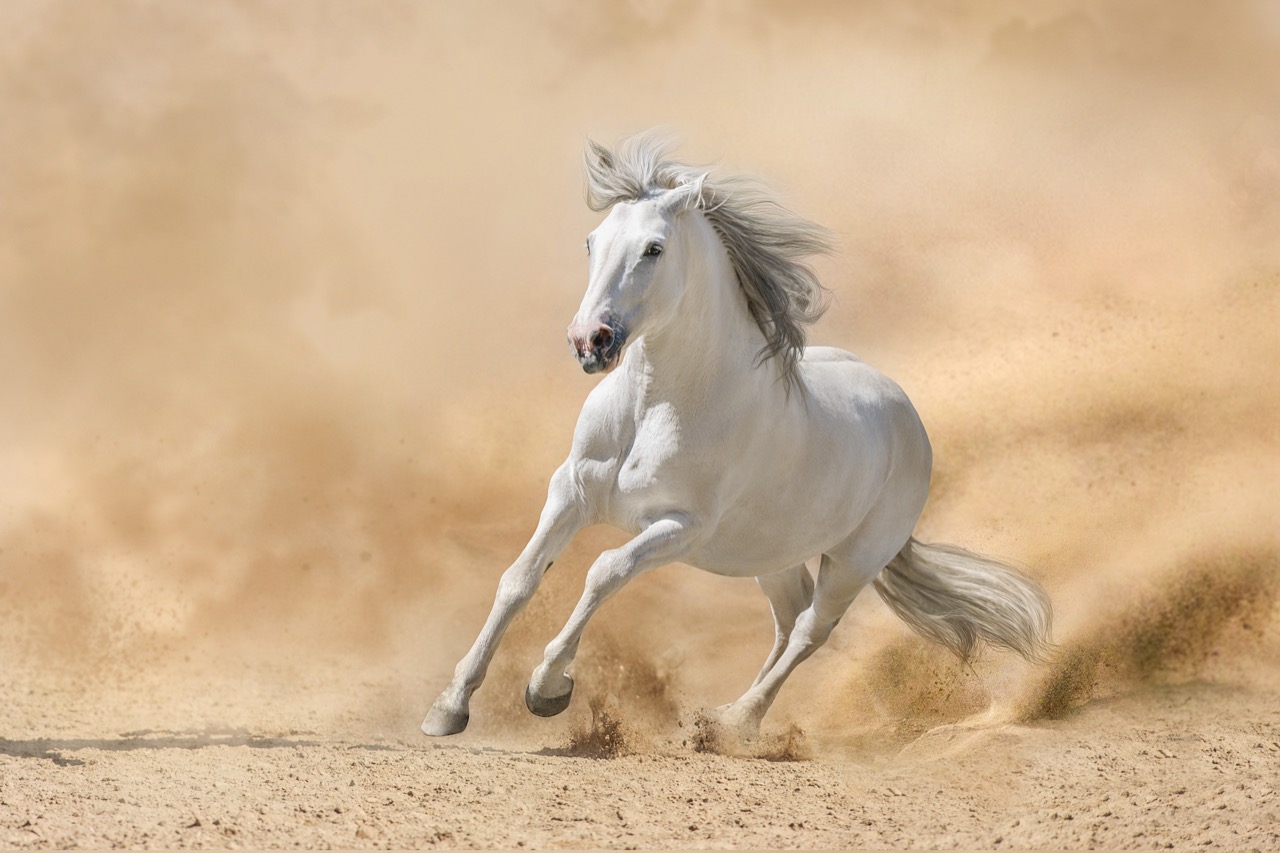
powerful sprinters on grasslands and plains. A fit horse can gallop at speeds
over 40 miles per hour, and racehorses can push even higher for short distances.
Vision is another area where horses differ greatly from humans. With eyes set on
the sides of their heads, they have a wide field of view, allowing them to see
almost all the way around their bodies. This helps them detect danger from many
directions. However, they have blind spots directly in front of their nose and
right behind their tail. Their color vision is more limited than ours, but they
are very good at noticing movement, which is crucial for a prey animal.
Horses also communicate constantly, even when they seem quiet. Their ears are
like living antennae, swiveling in different directions to pick up sounds and
send signals. Ears pointed forward usually show curiosity or alertness, while
pinned ears can be a warning of irritation or aggression. Combined with their
eyes, nostrils, and body posture, these ear movements form a rich language that
other horses, and observant humans, can learn to read.
Beyond biology, horses have shaped human history in dramatic ways. They pulled
chariots and plows, carried messages and warriors, and opened up trade routes
across continents. In many cultures, wealth and power were measured in horses.
Today, their roles have shifted more toward sport, therapy, and companionship,
but their impact on civilization remains woven into our stories, art, and
traditions.
From wild mustangs roaming open ranges to polished show horses performing with
precision, every horse is a blend of speed, sensitivity, and strength. Exploring
equine facts through a quiz is a fun way to appreciate just how extraordinary
these animals are. Whether you ace every question or miss a few, you will come
away with a deeper respect for the four-legged partners that once carried the
world on their backs.