Hoofbeats and Head Tosses: The Ultimate Horse Sense Challenge
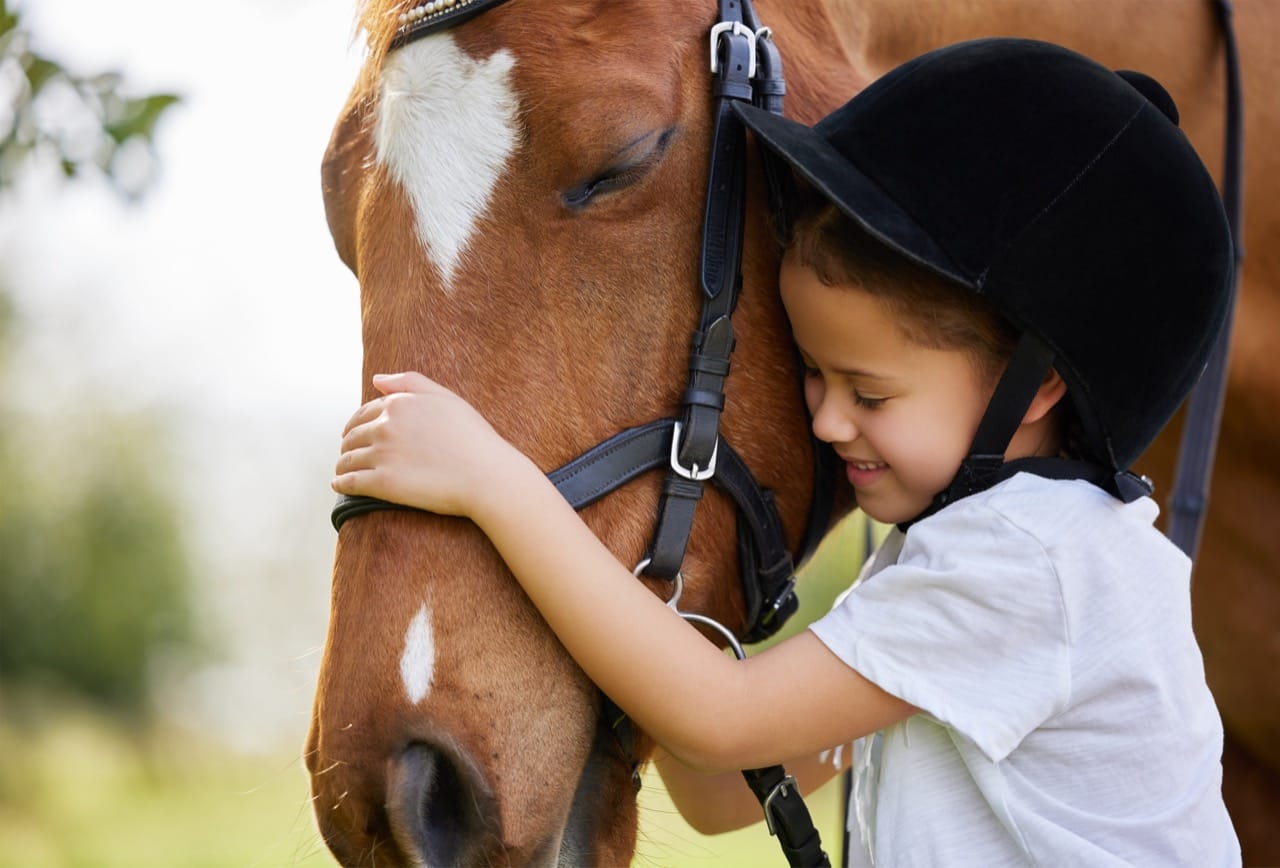
Horses thunder through history as warriors, workers, athletes, and best friends, and this trivia gallops straight into their world. From wild mustangs racing across open plains to elegant dressage champions dancing in arenas, these animals mix raw power with surprising sensitivity. This quiz trots through quirky facts, record-breaking feats, and everyday horse smarts that even some riders might miss. Expect questions about colors, gaits, senses, and some oddball horse habits that make them wonderfully unique. Whether you are a stable regular or only know horses from movies, each question is designed to test your instincts and maybe flip a few assumptions. Saddle up your brain, tighten that mental girth, and see if you can keep your score in the winner’s circle without getting thrown by the tricky ones. Ready to find out how much true horse sense you really have?
1
Which term describes a young female horse that is usually under four years old?
2
What is the typical range of vision for a horse compared to humans?

3
Which part of a horse’s body is primarily used to show subtle changes in mood and attention?
4
What is the main purpose of a horse wearing shoes on its hooves?

5
What is the correct term for a horse’s natural four-beat gait that is slower than a canter?

6
Which of these senses is generally considered the weakest in horses compared to their other senses?

7
Which coat color describes a horse with a golden body and a white or cream mane and tail?
8
Which wild horse of North America is descended from domesticated horses brought by Europeans?
9
Which horse breed is especially famous for its speed in flat racing?
10
What is the term for the long, flowing hair along the top of a horse’s neck?

0
out of 10
Quiz Complete!
Hoofbeats and Head Tosses: Discovering Real Horse Sense
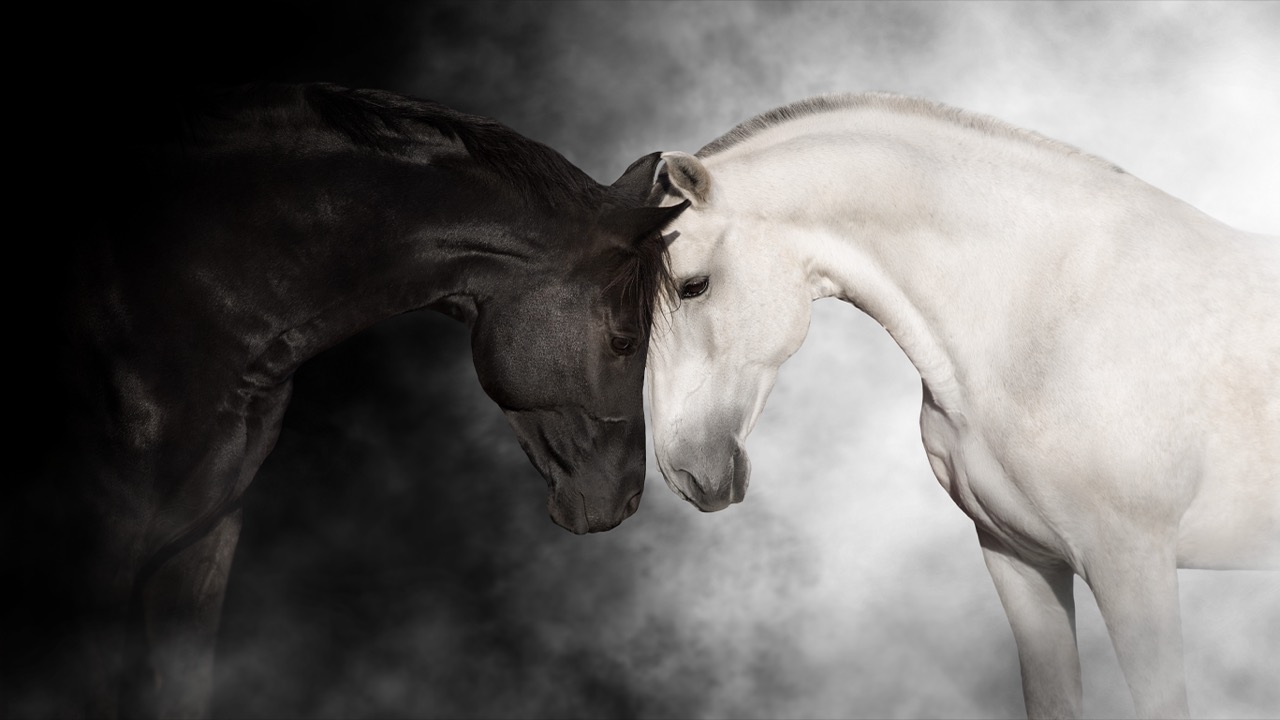
Horses have shared our lives for thousands of years, carrying warriors into battle, pulling heavy loads on farms, and today racing, jumping, and performing in arenas around the world. Yet for all their strength and speed, horses are also gentle, sensitive animals that notice details people often miss. Understanding real horse sense means looking beyond the saddle and seeing how these animals experience their world.
One of the first things people notice about a horse is its color, but even that can be more complex than it seems. What many call a white horse is often actually gray, with dark skin under light hair. Some of the most famous racehorses have been bays, with reddish brown bodies and black manes, tails, and lower legs. There are also striking patterns, like pintos with large patches of white and another color, and appaloosas with speckles and spots. A horse’s coat can even change slightly with the seasons as it grows a thicker winter coat and sheds in spring.
How a horse moves is another key part of its identity. Most horses have four basic gaits: walk, trot, canter, and gallop. The walk is a slow, four beat gait where each hoof hits the ground separately. The trot is a bouncy, two beat gait where diagonal legs move together. The canter is smoother, with a three beat rhythm often used for comfortable riding. The gallop is the fastest, a powerful four beat sprint used by racehorses and wild horses escaping danger. Some breeds have special extra gaits, like the smooth running walk of the Tennessee Walking Horse or the tölt of Icelandic horses, which riders prize for comfort over long distances.
Horses experience the world in ways that might surprise you. Their eyes are set on the sides of their heads, giving them a wide field of vision that helps spot predators. However, this also creates small blind spots directly in front of the nose and right behind the tail, which is why approaching a horse calmly and at an angle is so important. Their hearing is excellent, and their ears can swivel almost all the way around to locate sounds. The direction a horse points its ears often reveals what it is paying attention to.
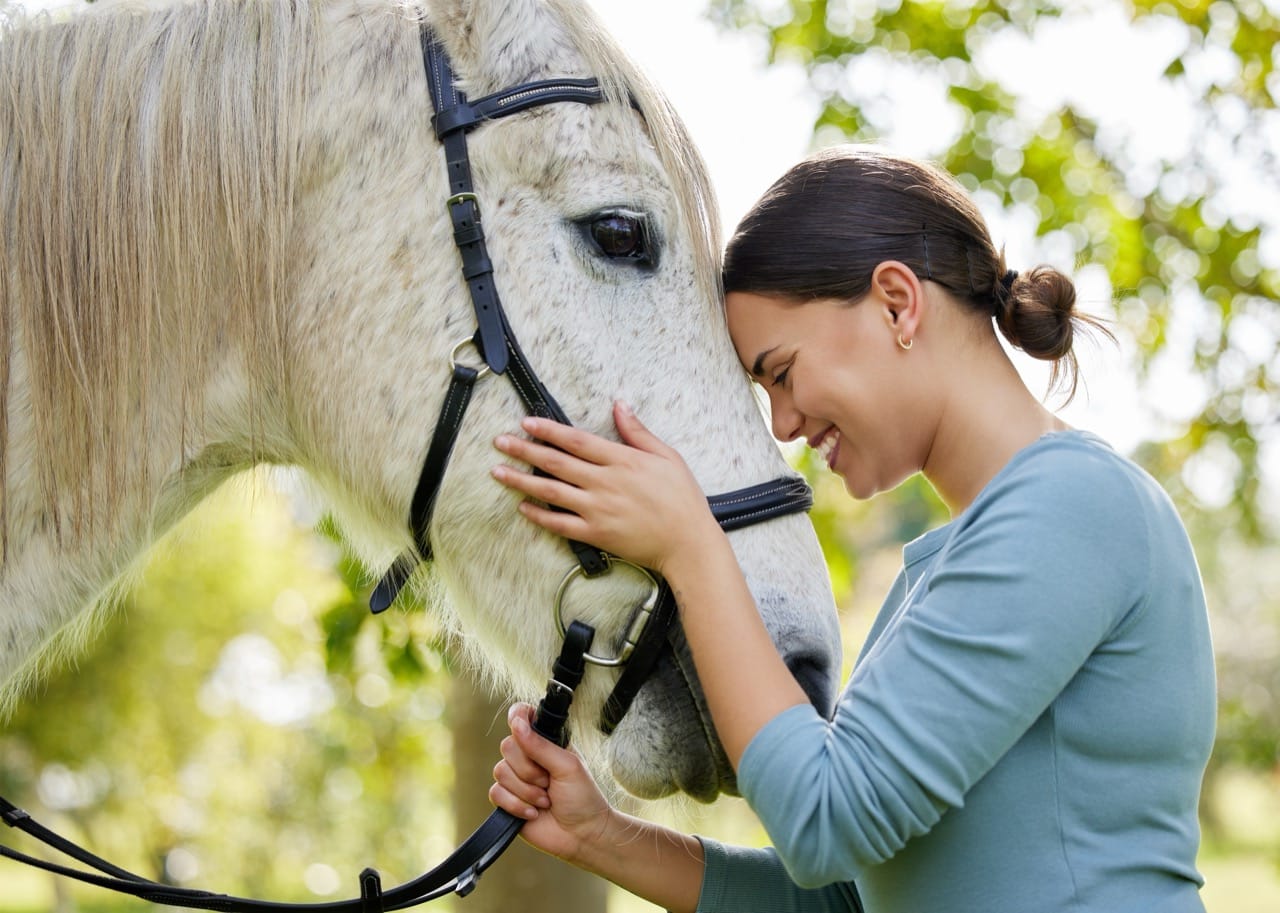
Despite their large size, horses are prey animals that scare easily. Their strong startle response can look dramatic, but it is a survival tool. At the same time, they are very social and read tiny signals from each other and from humans. A slight shift in weight, a gentle pressure from a leg, or a soft word can guide a well trained horse. Many riders say their horses sense their moods, becoming calmer when a person is sad or more alert when their handler is tense.
Horses also have some quirky habits. They may curl their upper lip and hold it in a funny position, a behavior called the flehmen response, which helps them analyze interesting smells. Some horses learn to open stall latches, and others develop favorite scratching spots or toys. These little quirks remind us that each horse has its own personality.
Whether you ride regularly or only meet horses in books and movies, exploring their colors, gaits, senses, and habits reveals how complex they really are. True horse sense is not just about staying in the saddle. It is about noticing what the horse notices, respecting its instincts, and appreciating the mix of power and sensitivity that has made horses such enduring partners to people.