Hoofbeats and Hidden Facts: The Ultimate Horse Essentials Challenge
Horse lovers, saddle up for a trivia ride that celebrates the essentials every equine fan should know. This quiz gallops through the basics and beyond, from anatomy and behavior to care, colors, and quirky horse facts that surprise even seasoned riders. Expect questions that test whether you can tell a mare from a gelding, spot a correct feeding habit, or recognize what a horse’s ears are secretly saying. Each question is designed to be fun, fast-paced, and just a little bit sneaky, so guessing will only get you so far. Whether you dream of owning a horse, already muck stalls before sunrise, or simply adore watching them thunder across a field, this challenge will sharpen your knowledge and spark new curiosity. Tighten your girth, adjust your helmet, and see if your horse essentials know-how is truly stable-worthy.
1
Which term correctly describes a female adult horse that is used for breeding?

2
What is the main reason horses should have access to roughage like hay or pasture for most of the day?
3
What is the primary purpose of picking out a horse’s hooves regularly?
4
Which of these best describes a safe way to approach an unfamiliar horse?
5
What is the normal resting heart rate range for a healthy adult horse?

6
Which gait is naturally the fastest of the basic horse gaits?
7
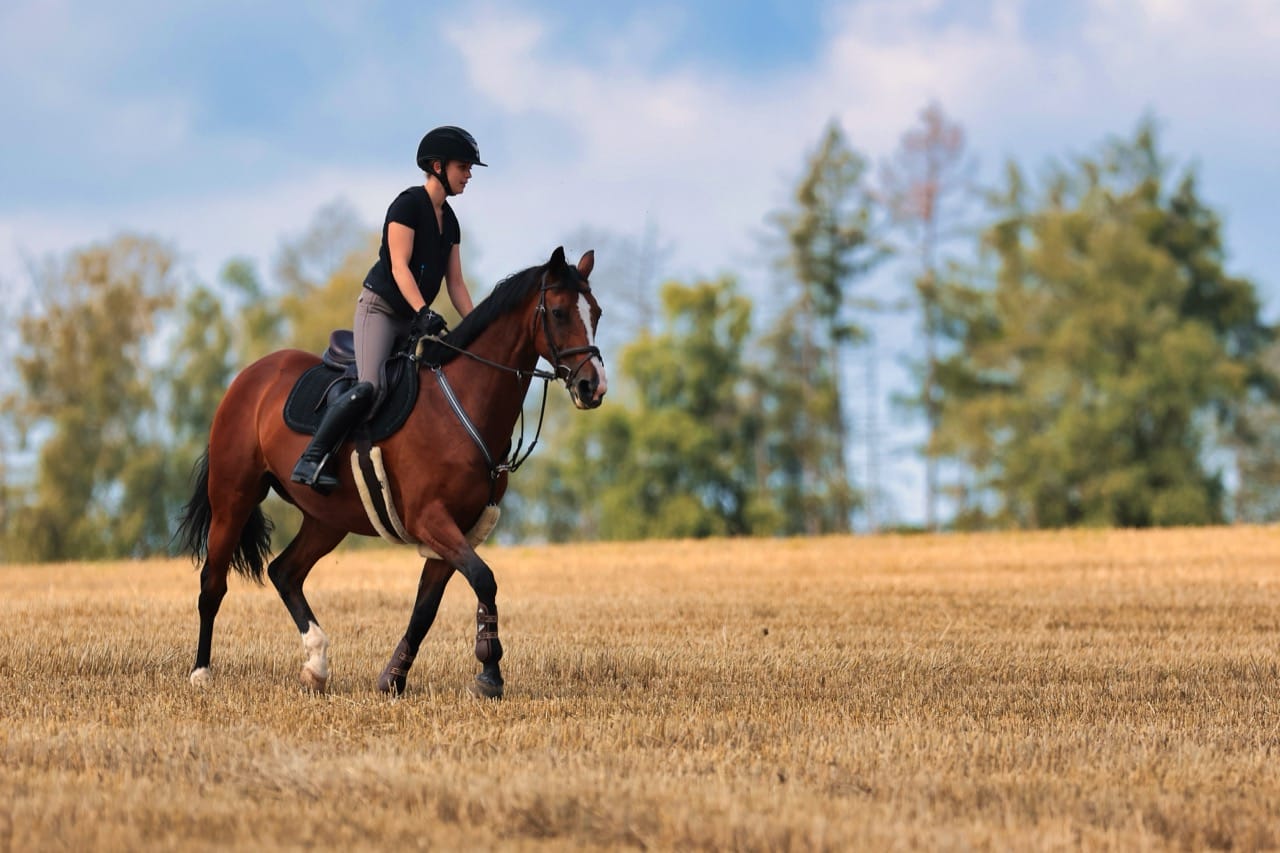
When a horse’s ears are pricked forward and its eyes are focused, what does this usually indicate?

8
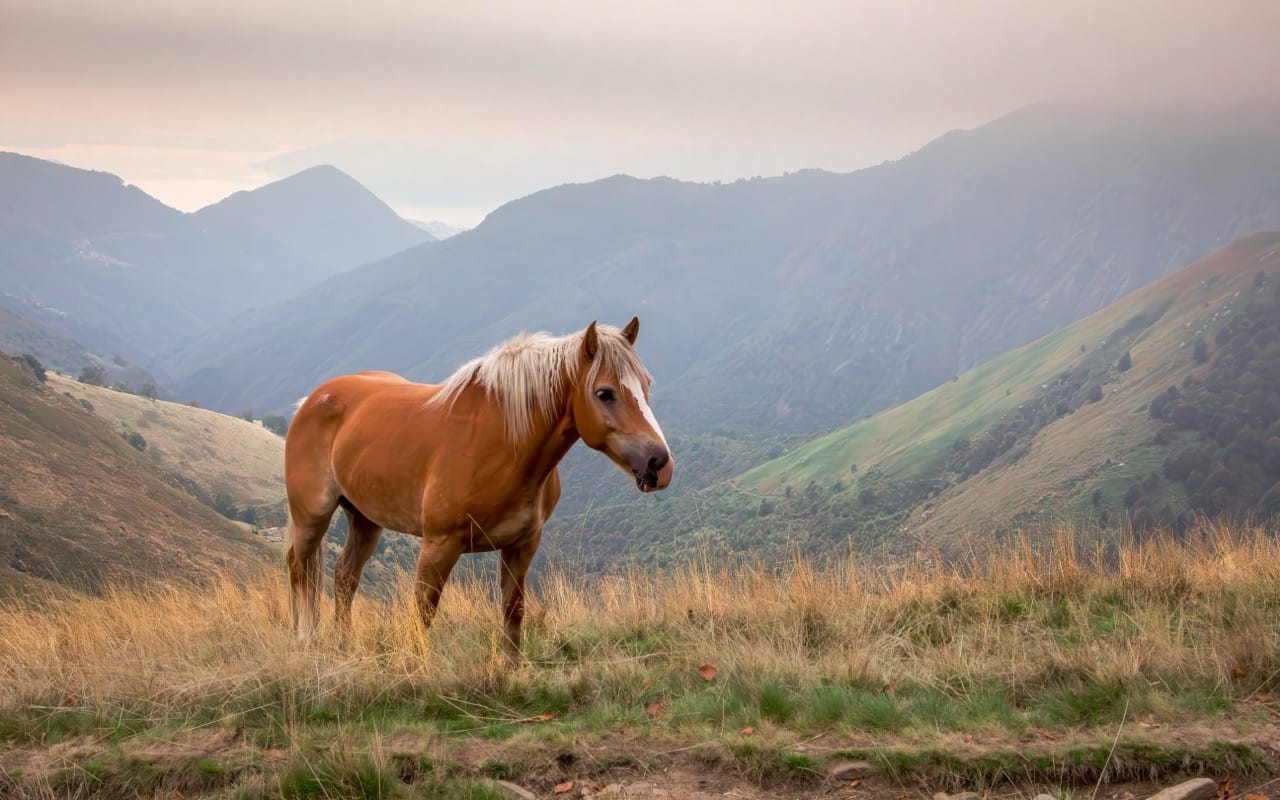
Which coat color describes a horse with a golden body and a light or white mane and tail?
9
Which piece of tack goes around a horse’s barrel behind the front legs to keep the saddle in place?

10
Which of the following is a common sign that a horse may be experiencing colic?
0
out of 10
Quiz Complete!
Hoofbeats and Hidden Facts: Your Guide to Horse Essentials
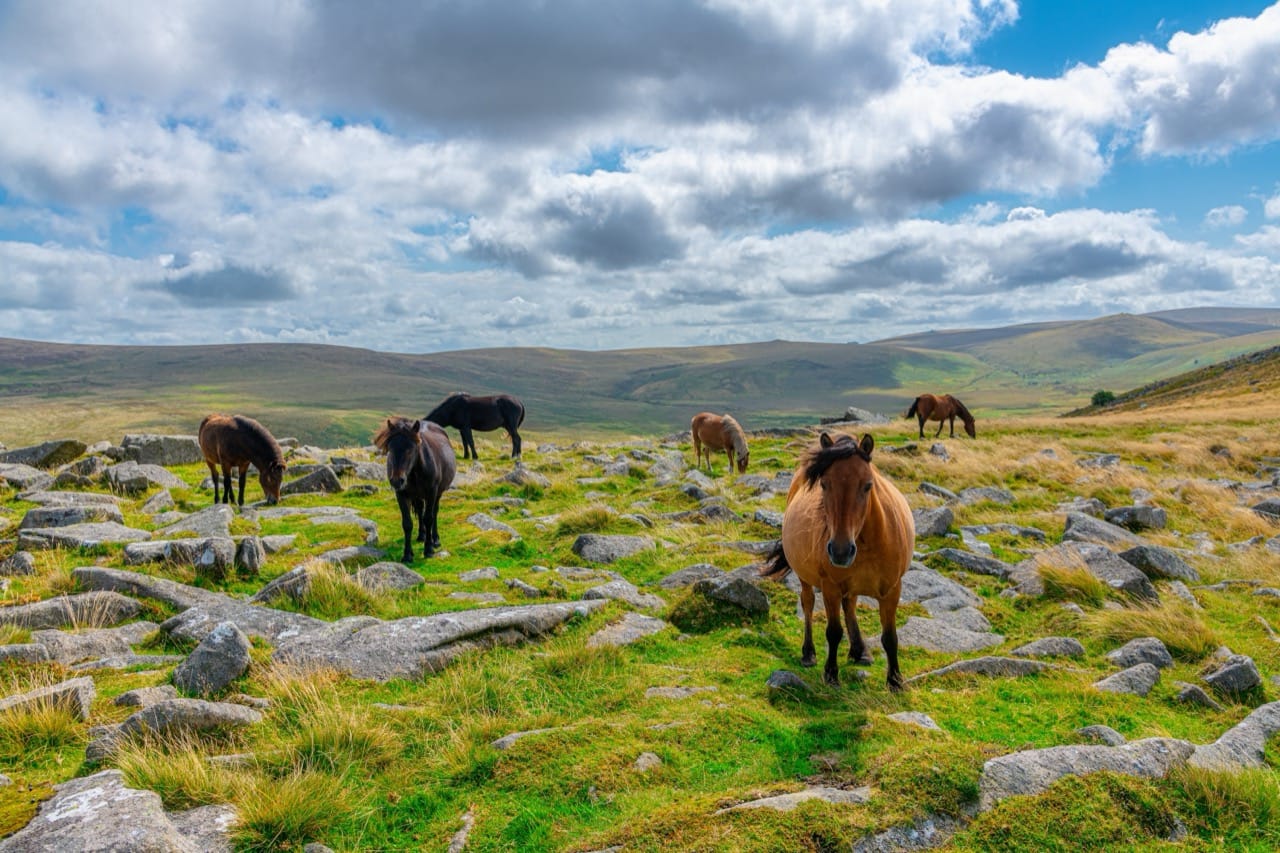
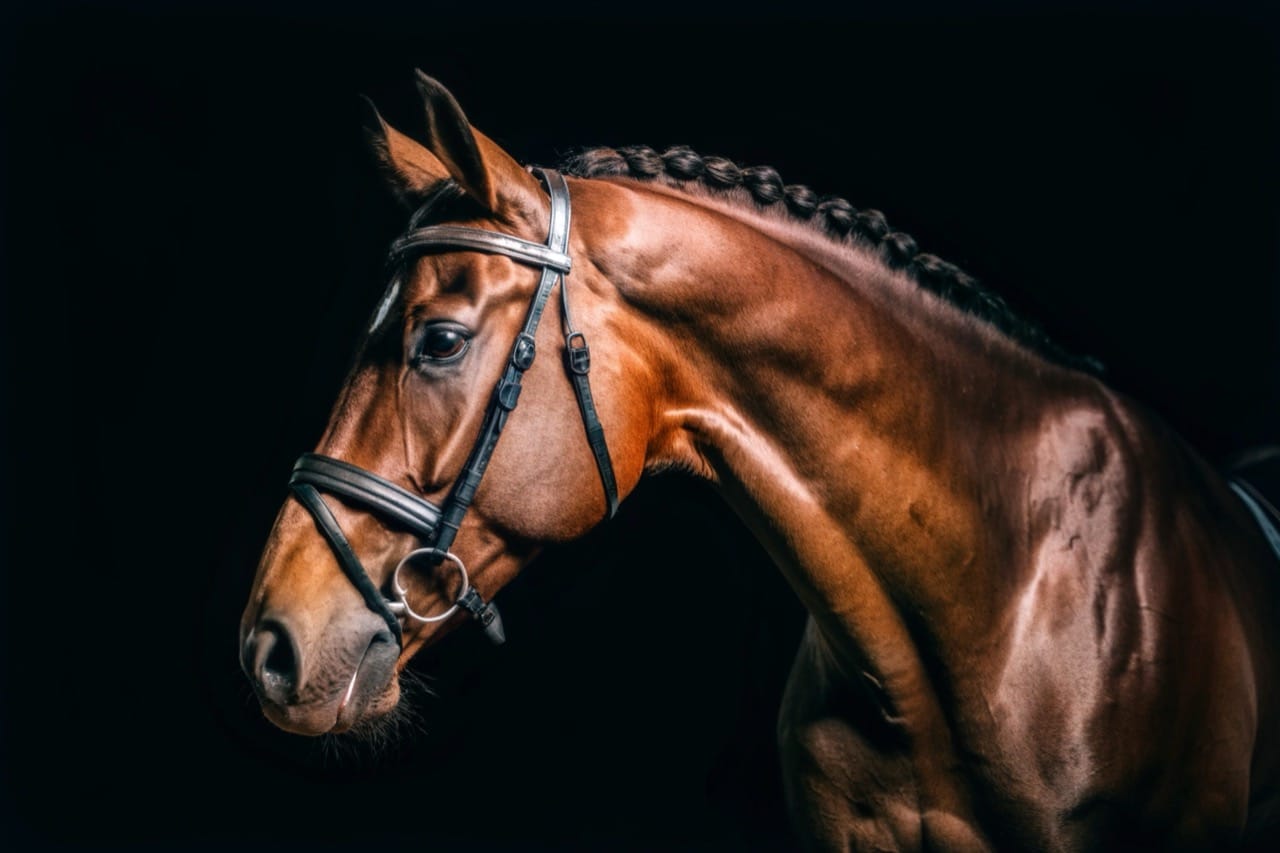
Horses have shared our lives for thousands of years, carrying us into battle, across continents, and into modern sports and recreation. Today, many people meet horses through riding schools, farms, or simply by admiring them from a distance. Whether you dream of owning a horse or just enjoy watching them run, understanding the basics of horse essentials makes every encounter safer, kinder, and more fascinating.
One of the first things horse lovers learn is how to tell different types of horses apart. A mare is an adult female horse, while a stallion is an adult male that has not been castrated. A gelding is a castrated male, often chosen for riding because of a typically calmer temperament. Foals are young horses, with colts being male foals and fillies being female foals. Knowing these terms helps you follow conversations at the barn and understand how age and sex can influence behavior and care.
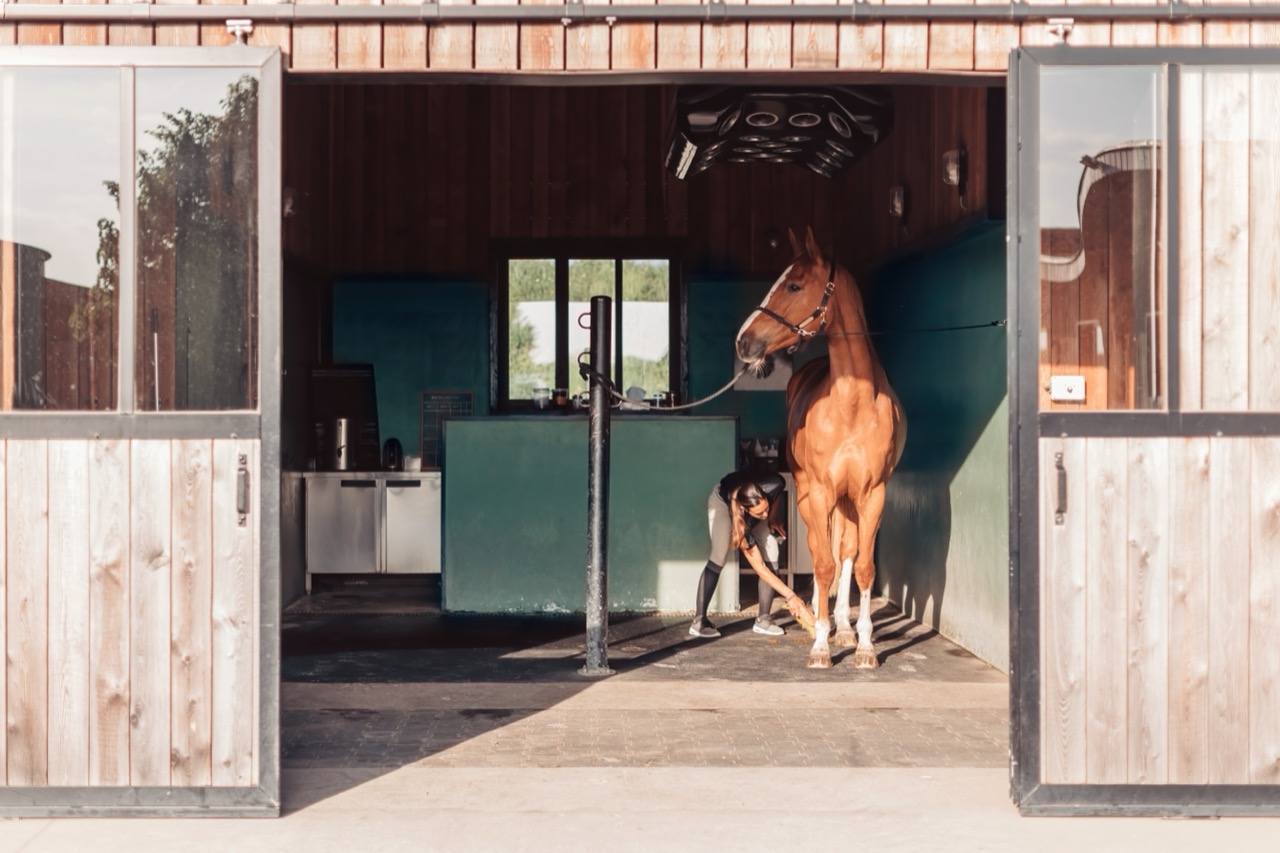
Horse anatomy is another key essential. Horses are powerful athletes with strong muscles, large lungs, and long legs built for speed and endurance. Their hooves function like shock absorbers, protecting bones and joints from impact. Regular hoof care is critical. Most horses need a farrier visit every six to eight weeks to trim hooves and, if necessary, replace shoes. Ignoring hoof care can lead to lameness and serious health problems.
Feeding horses correctly is just as important. Horses are grazing animals designed to eat small amounts of forage throughout the day. Good quality hay or pasture is the foundation of their diet, with fresh water always available. Grain or concentrates are added only when needed, such as for hard working or underweight horses. Sudden changes in feed or overfeeding rich grain can cause colic, a painful and sometimes life threatening digestive problem. Observing normal eating and drinking habits helps owners spot trouble early.
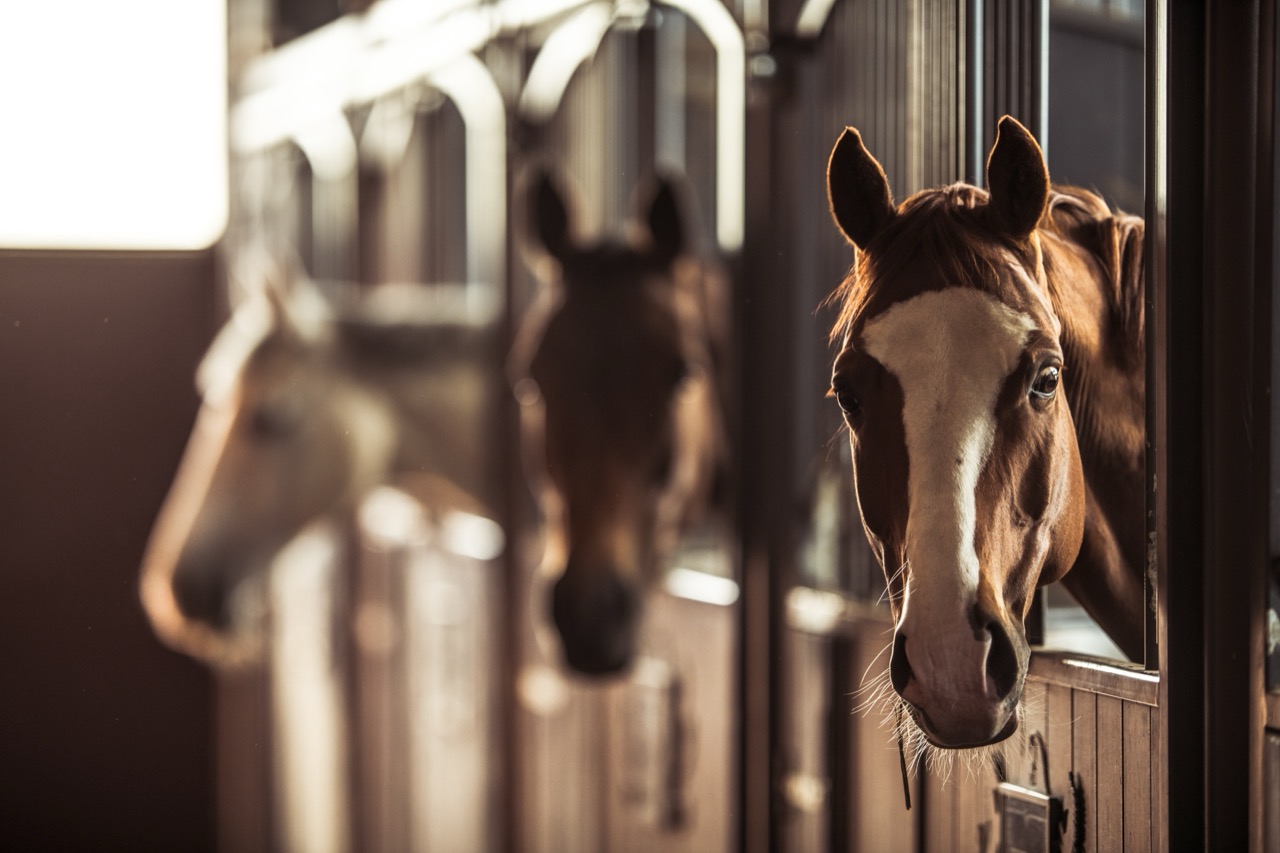
Horse behavior offers many clues to how they feel. Because horses are prey animals, they rely heavily on body language. Their ears, eyes, and tail all send signals. Ears pricked forward usually show interest or curiosity. Ears pinned flat back can mean anger, discomfort, or a warning to stay away. A swishing tail may signal irritation, while a relaxed tail and soft eyes often indicate a calm, content horse. Learning to read these signs helps people respond appropriately and build trust.
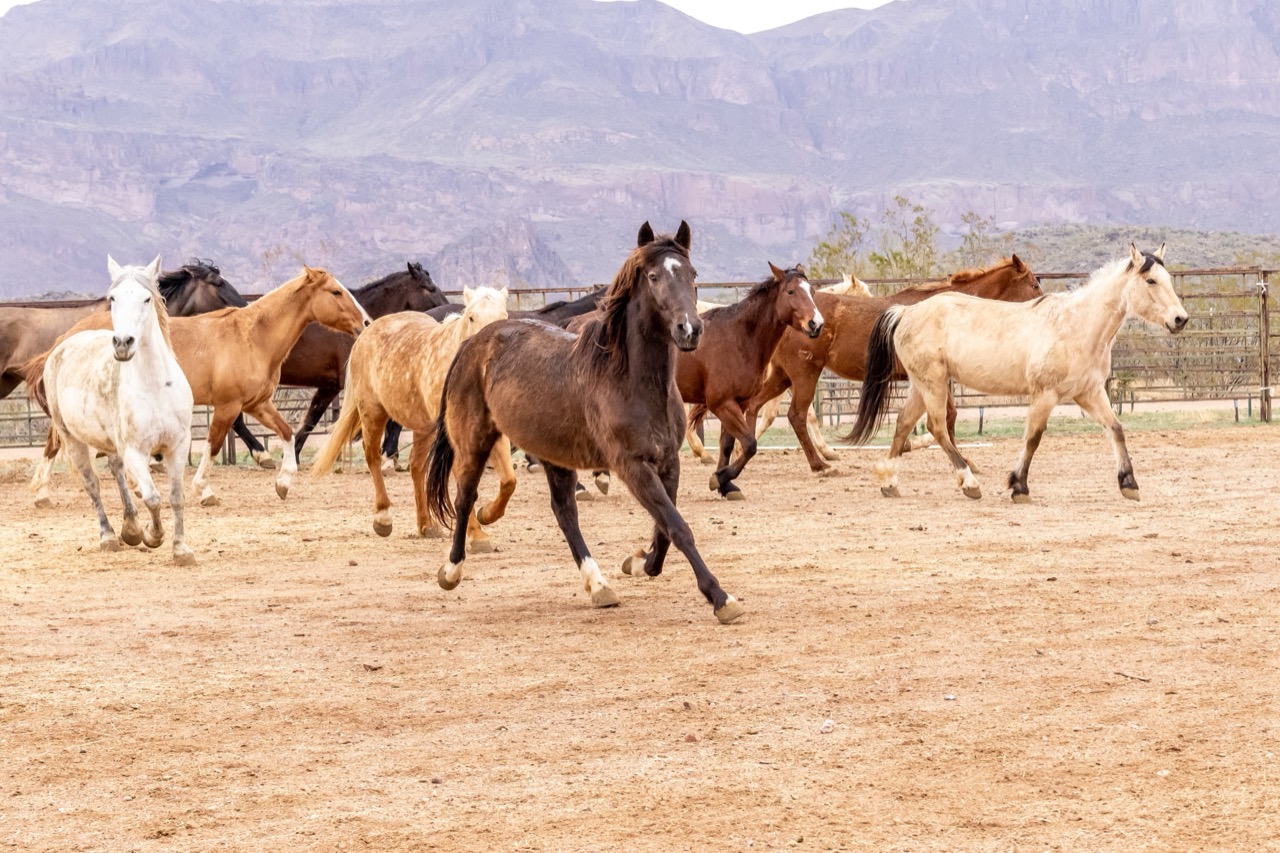
Coat colors and markings add extra charm and can even tell part of a horse’s history. Common colors include bay, chestnut, black, and gray, while patterns like pinto and appaloosa create striking spots and patches. White stars, blazes, or socks on the legs help identify individual horses. Although color does not determine personality, some breeds are known for certain colors, which can hint at a horse’s background.
Behind every beautiful ride or photo is a great deal of everyday care. Grooming keeps the coat clean, stimulates circulation, and allows owners to check for cuts or swelling. Regular veterinary visits, vaccinations, and dental care protect overall health. Safe handling, proper tack fit, and wearing helmets reduce the risk of injury for both horse and rider.
The more you learn about horses, the more there is to discover. From subtle ear flicks to smart feeding choices, these essentials form the foundation of good horsemanship. With knowledge, patience, and respect, every hoofbeat becomes an opportunity to understand these remarkable animals more deeply.