Marshside Thinkers: The Capybara Curiosity Challenge
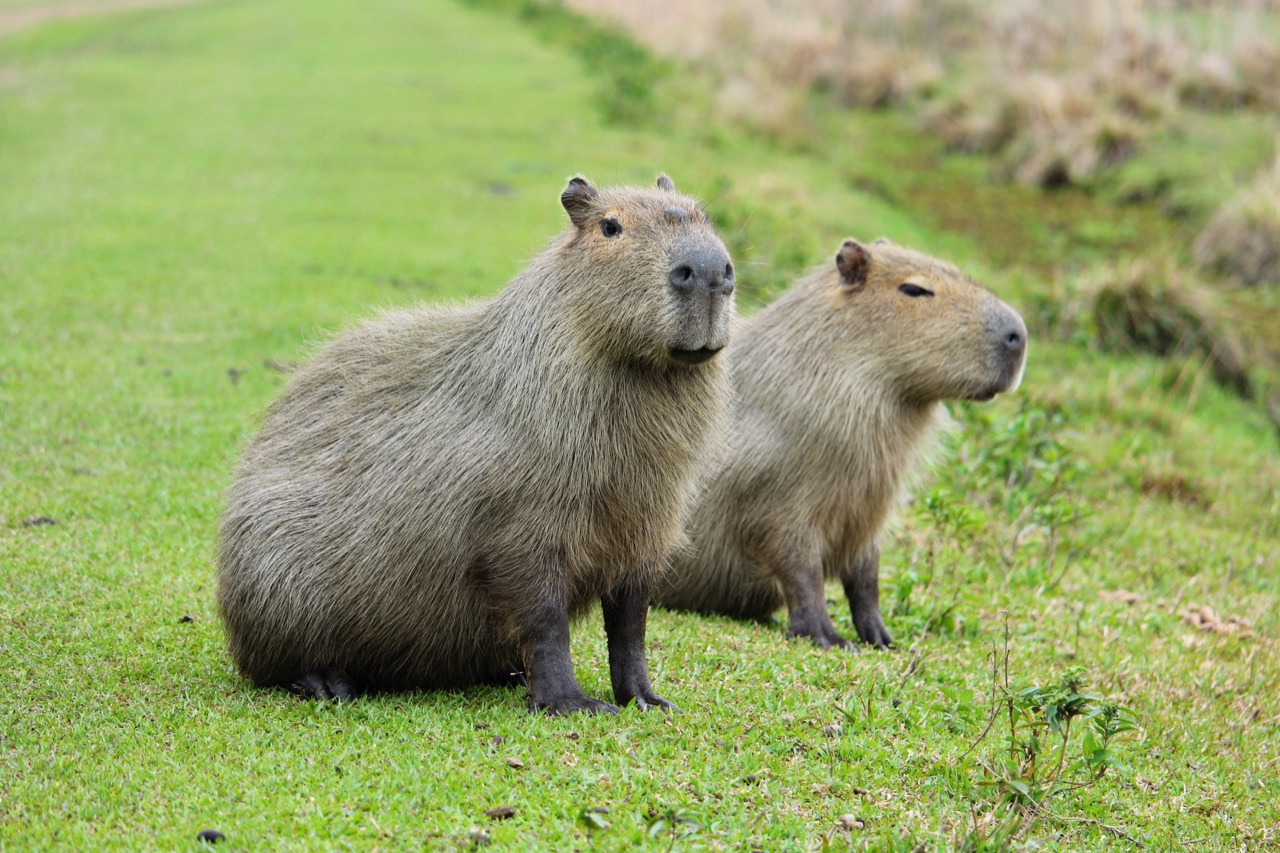
Capybaras look like oversized guinea pigs that somehow unlocked the chillest lifestyle in the animal kingdom. This quiz explores the surprising science and quirky facts behind these calm, semi‑aquatic giants. From their social lives and secret swimming skills to their unusual friendships with other species, each question uncovers something that makes capybaras far more fascinating than just a cute internet trend. Expect to meet the capybara as a highly adapted rodent, a patient sunbather, and a surprisingly complex communicator. Along the way, you will test what you know about their habitats, diets, defenses, and daily routines. Whether you are already a capybara fan or just discovering them, this set of questions aims to mix real biology with the kind of details that explain why everyone wants to sit next to a capybara. Get ready to see how much capybara wisdom you actually have.
1
What is a key reason capybaras are excellent swimmers?

2
Capybaras are primarily active at which times of day in the wild, especially in hotter regions?

3
Which continent is the natural home of the capybara?

4
What is one advantage of the high placement of a capybara’s eyes, ears, and nostrils on its head?
5
What best describes the typical diet of a capybara?
6
Why are capybaras often seen calmly sharing space with many other animal species, even in zoos?
7
Which animal group do capybaras belong to?
8
Which of these is a notable behavior capybaras use to help digest their tough plant-based diet?
9
How do capybaras usually organize their social lives in the wild?
10
In the wild, capybaras are most strongly associated with which type of habitat?
0
out of 10
Quiz Complete!
Marshside Thinkers: The Capybara Curiosity Challenge
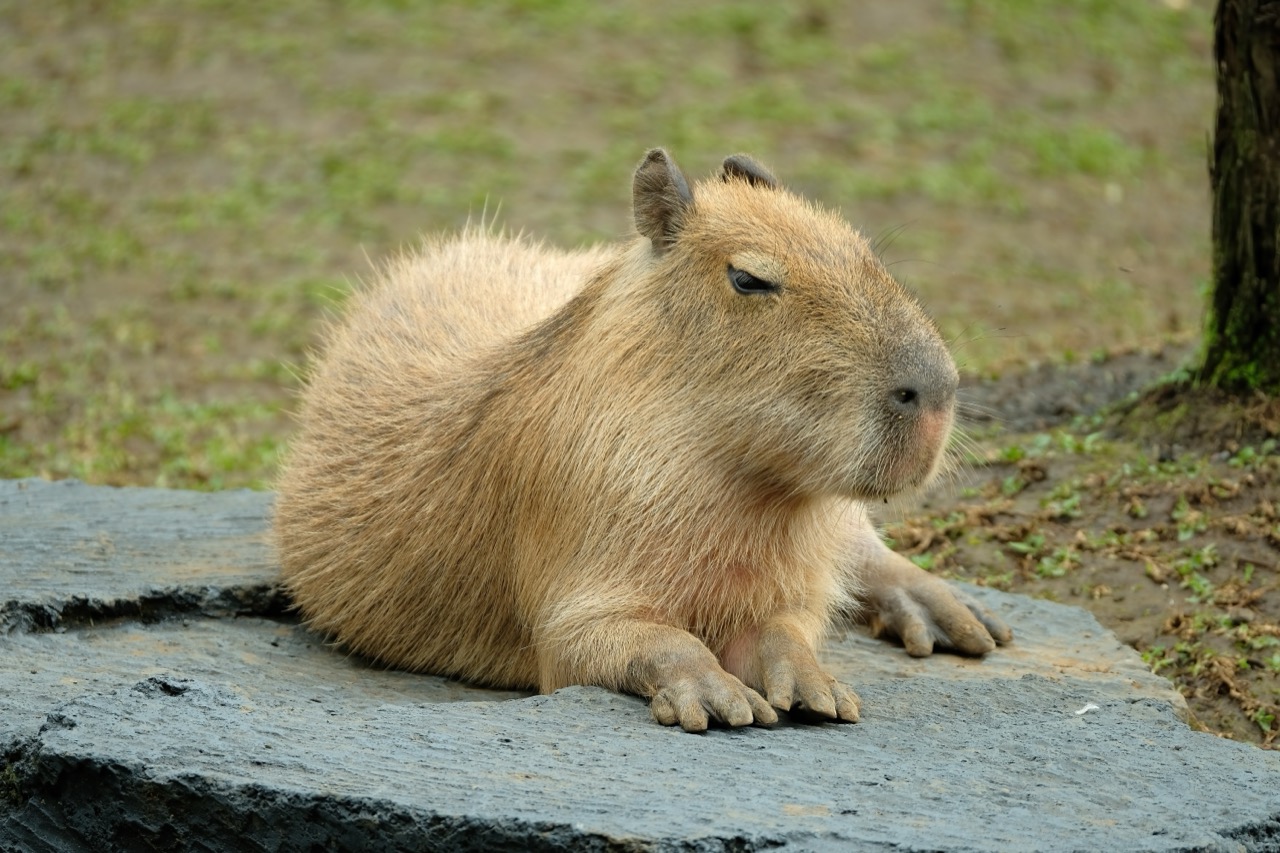
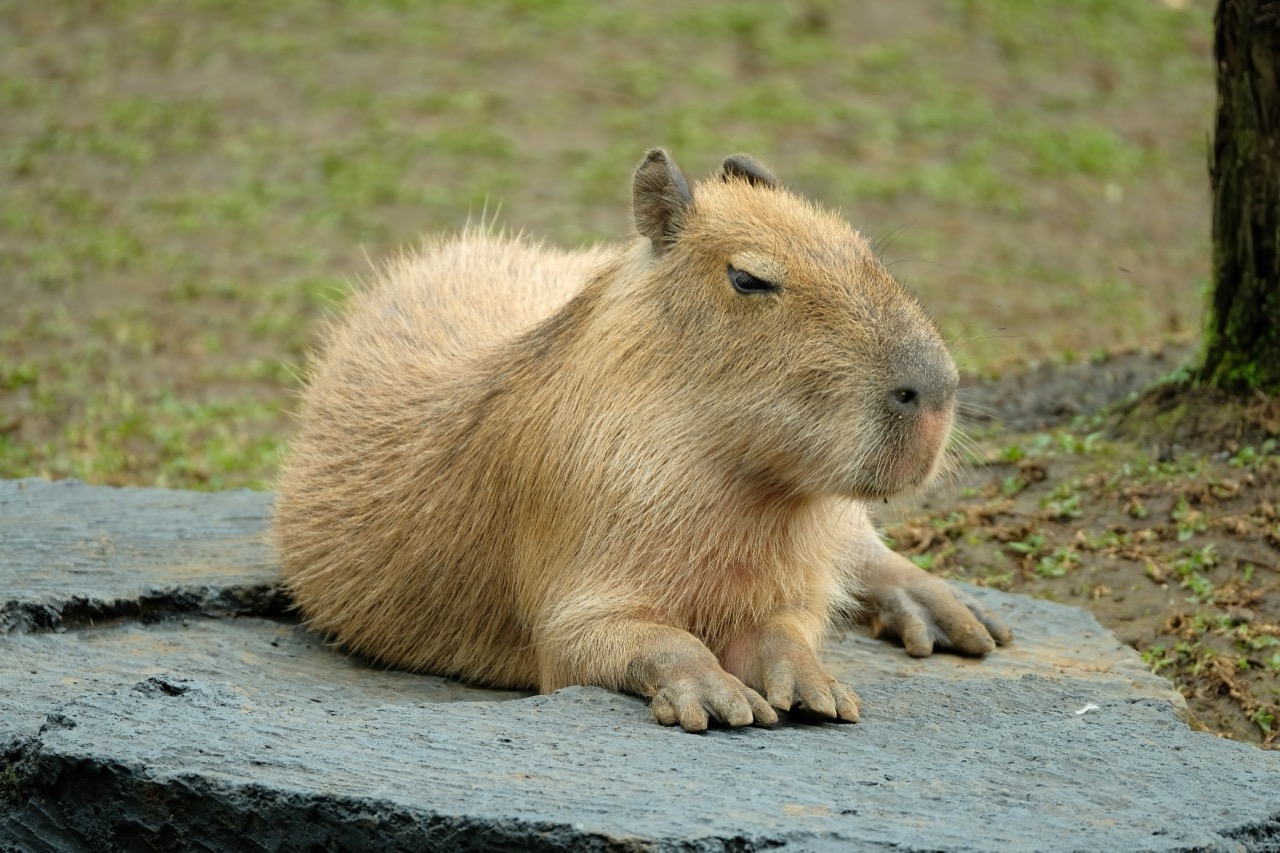
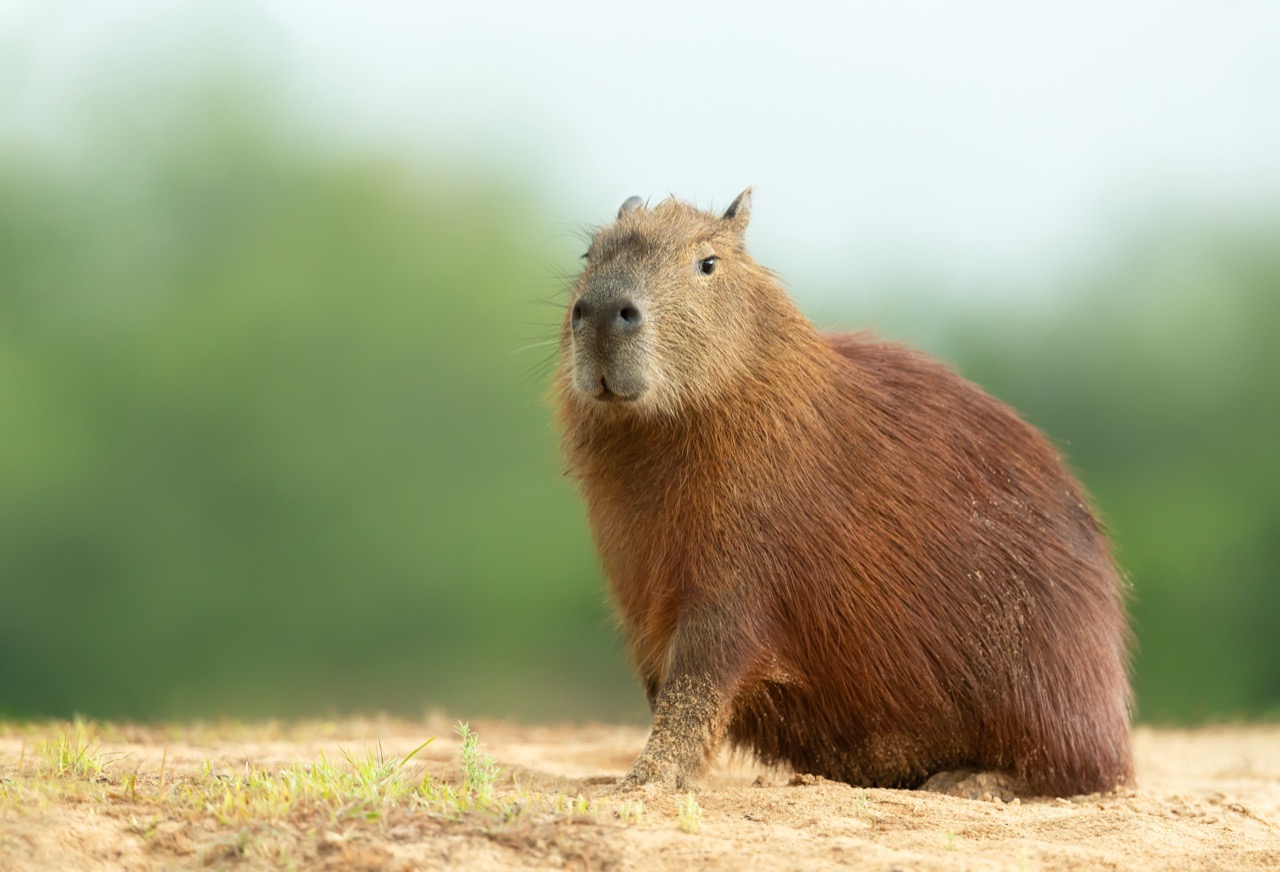
Capybaras have become internet celebrities, but their real lives are even more interesting than the memes suggest. These gentle, barrel shaped animals are the largest rodents on Earth, closely related to guinea pigs and chinchillas. Native to South America, they live in wetlands, riverbanks, and marshy grasslands, where water is never far away. Their entire body is built for a semi aquatic lifestyle.
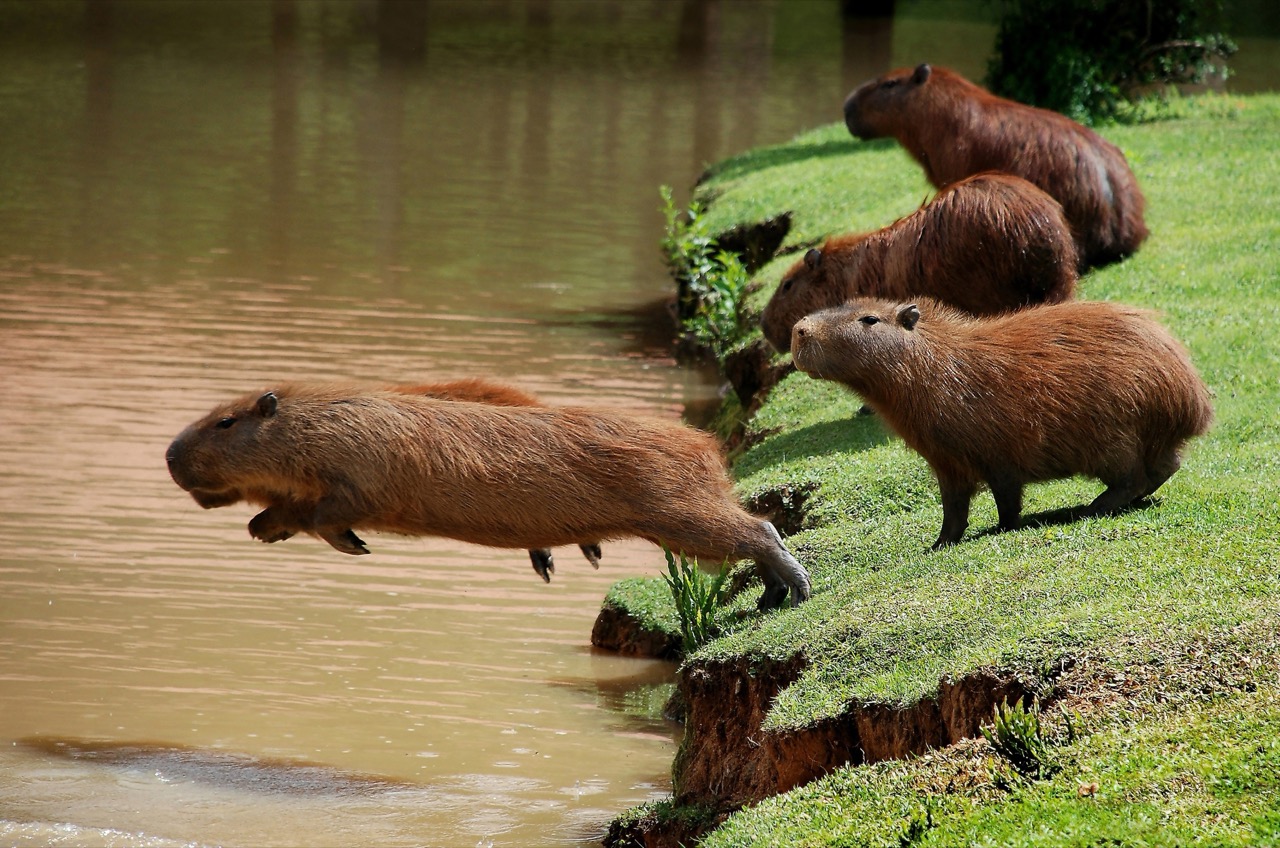
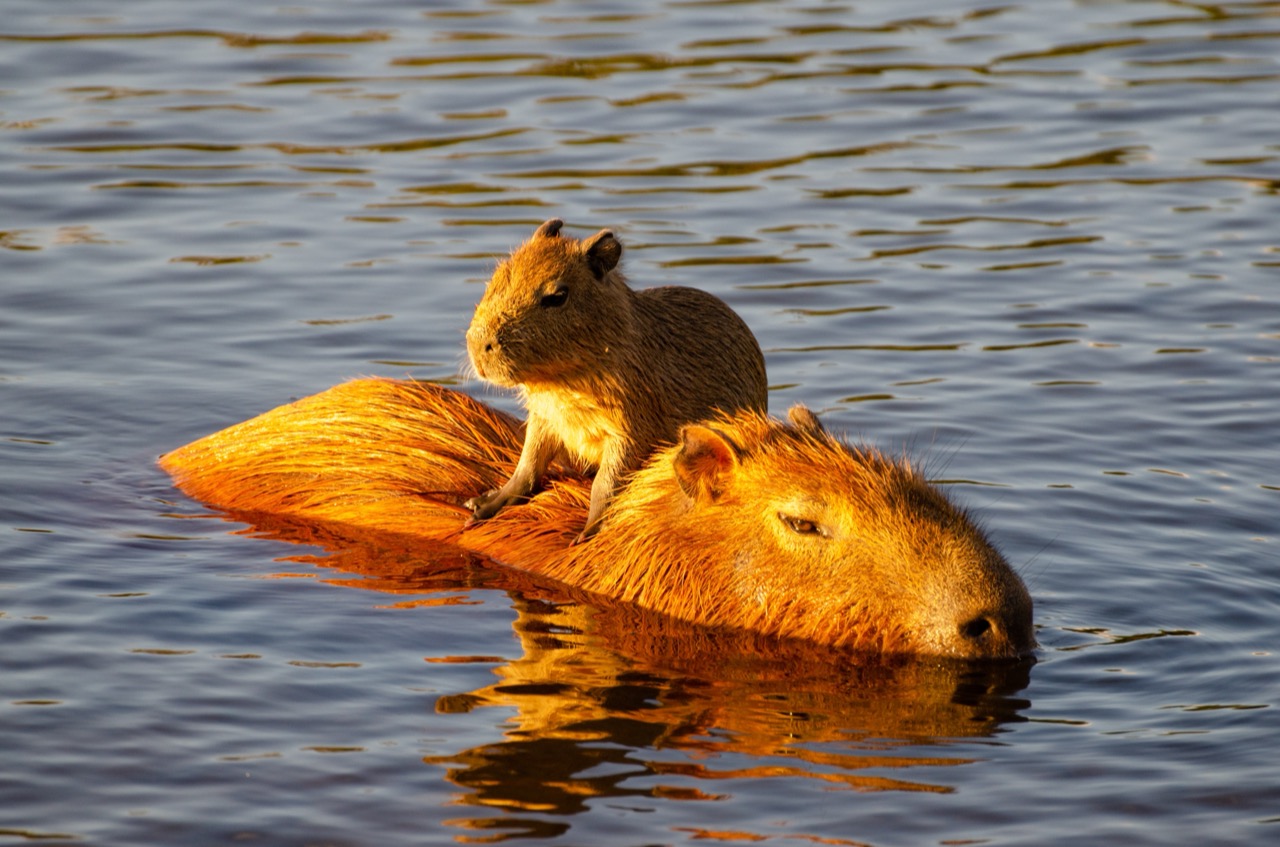
A capybara may look slow and clumsy on land, but in the water it becomes surprisingly graceful. Its eyes, ears, and nostrils sit high on its head, allowing it to see, hear, and breathe while most of its body remains underwater. This helps it hide from predators such as jaguars, caimans, and large snakes. Capybaras are strong swimmers and can hold their breath for several minutes, using ponds and rivers as escape routes and cool resting places during the heat of the day.
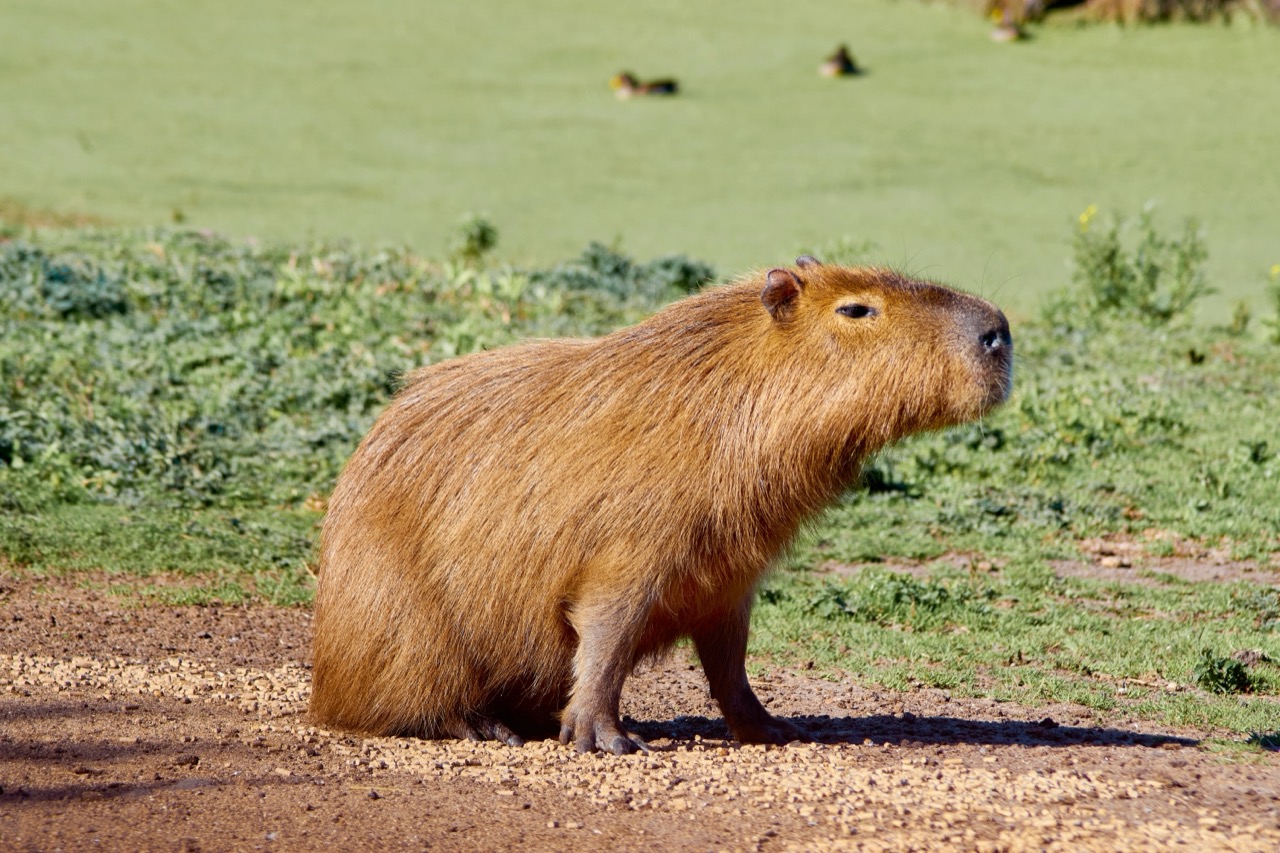
These animals are strict herbivores, feeding mostly on grasses, aquatic plants, and the occasional fruit or bark. Their teeth grow continuously, which is useful because tough plants wear them down. Capybaras also practice a behavior called coprophagy, meaning they eat some of their own droppings. While this sounds unpleasant to humans, it allows them to extract extra nutrients from fibrous food and is a normal part of life for many herbivorous mammals and rodents.
Capybaras are highly social and rarely spend time alone. They usually live in groups that can range from a handful of individuals to several dozen, especially in areas with abundant water and food. Within these groups, they communicate using a wide range of sounds, including purrs, whistles, barks, and clicks. Each sound can signal different messages, such as alarm calls when a predator is near or softer vocalizations that help maintain contact between mothers and their young.
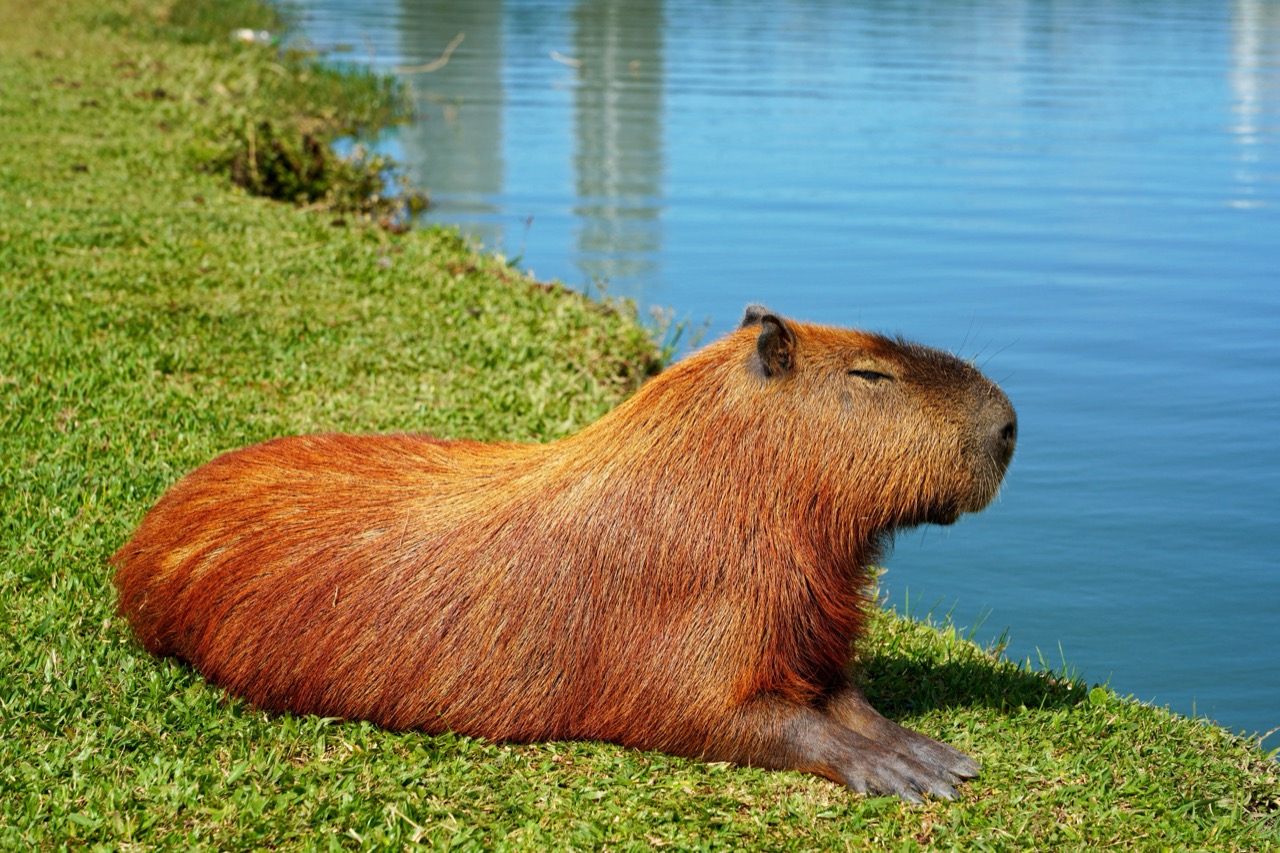
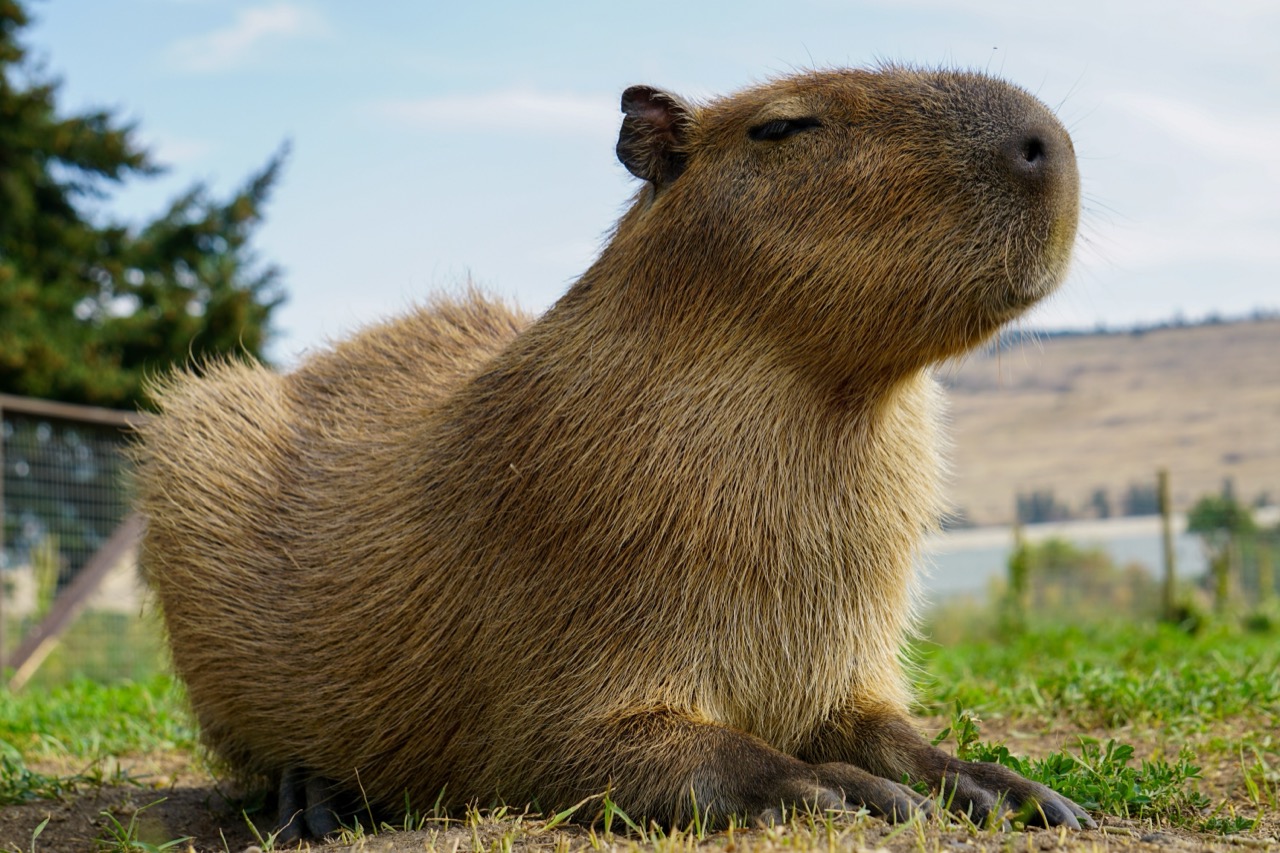
Their calm reputation comes partly from this social lifestyle. Living in a group means many eyes and ears are always on the lookout, so individuals can relax more often. Capybaras spend a large part of their day resting, sunbathing on muddy banks, or soaking in shallow water. Mud helps cool their bodies and can also protect their skin from insects and sunburn.
One of the most charming aspects of capybaras is their tolerance of other species. Birds, such as small herons and cowbirds, are often seen perching on their backs, picking off insects. In some zoos and wildlife parks, capybaras share space peacefully with ducks, turtles, and even monkeys. This does not mean they are completely fearless, but their even temper and reliance on group vigilance allow them to stay relaxed around many animals.
Understanding capybaras as more than cute faces reveals them as well adapted wetland specialists, careful communicators, and complex social thinkers. Exploring their habits, habitats, and hidden abilities turns simple curiosity into genuine respect for these marshside thinkers.