Masters of the Unhurried Canopy
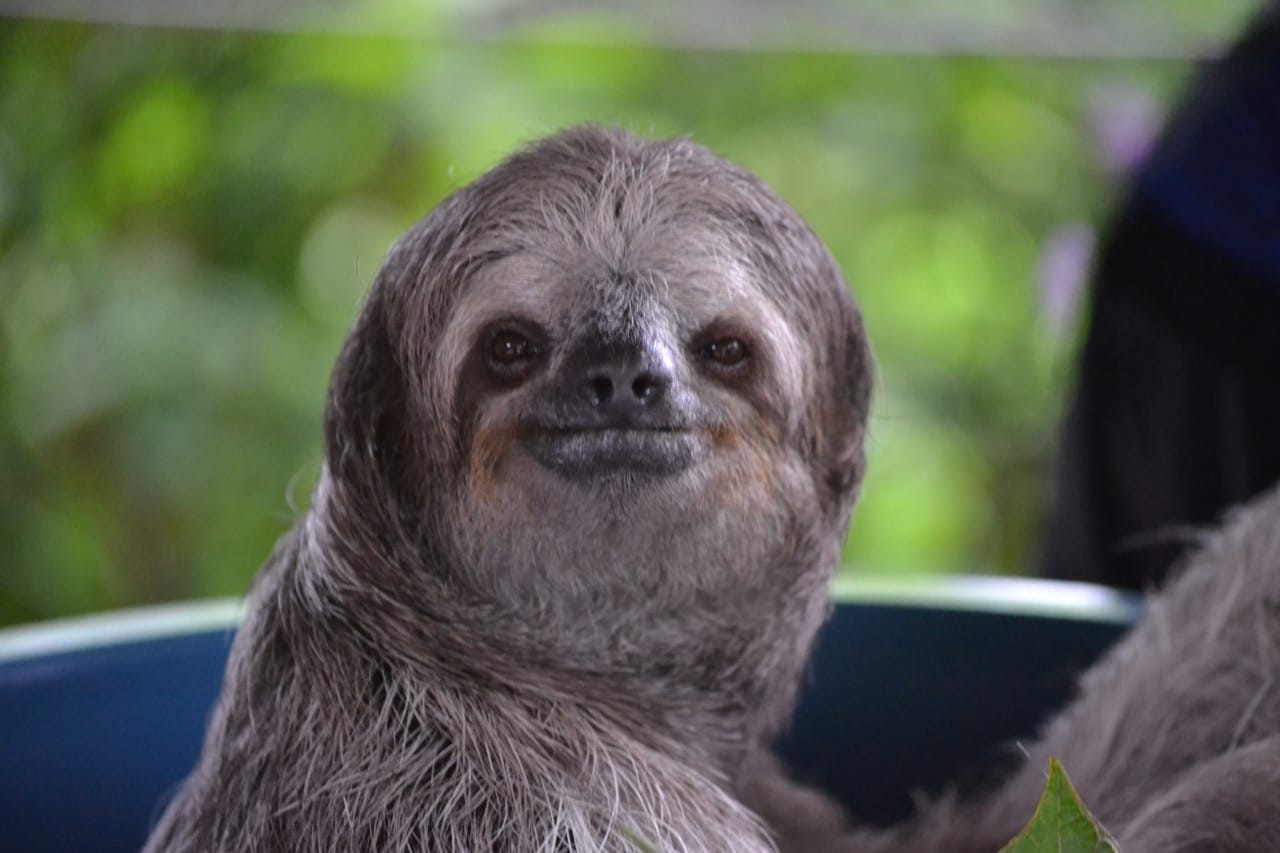
Patience gets a starring role in this quiz, where slow motion is not a glitch but a lifestyle strategy. This challenge explores one of the rainforest’s most unlikely survivors, an animal that turns laziness into a finely tuned superpower. From upside-down acrobatics to stomachs with marathon digestion times, every question reveals a new twist in how these creatures thrive by taking it easy. Expect surprising facts about their bizarre bathroom habits, their secret alliance with algae, and the hidden athleticism behind their famously sluggish reputation. Sharpen your wits, not your speed, because this quiz rewards curiosity more than quick reflexes. Whether you already admire these quiet treetop residents or only know them as symbols of slowness, prepare to rethink everything you thought you knew. By the end, their strange rhythms and clever adaptations might just win your respect.
1
8. Compared to their body size, how strong are their grip and limb muscles?
2
9. What is a typical digestion time for a single leafy meal in these animals?
3
5. On average, how often does a healthy wild individual typically descend from the trees to defecate?
4
4. These animals host green algae in their fur. What is the main evolutionary advantage proposed for this relationship?
5
3. What is the primary reason these animals move so slowly in the wild?
6
6. Which sense is considered the weakest in most species of these animals?
7
1. Which group of mammals are the closest living relatives of these slow-moving tree dwellers?
8
2. How many cervical (neck) vertebrae does a three-toed individual typically have, giving it an unusually flexible neck?
9
7. What is unusual about the direction of their fur compared with most mammals?
10
10. Which of the following habitats is most strongly associated with wild populations of these animals?
0
out of 10
Quiz Complete!
Masters of the Unhurried Canopy
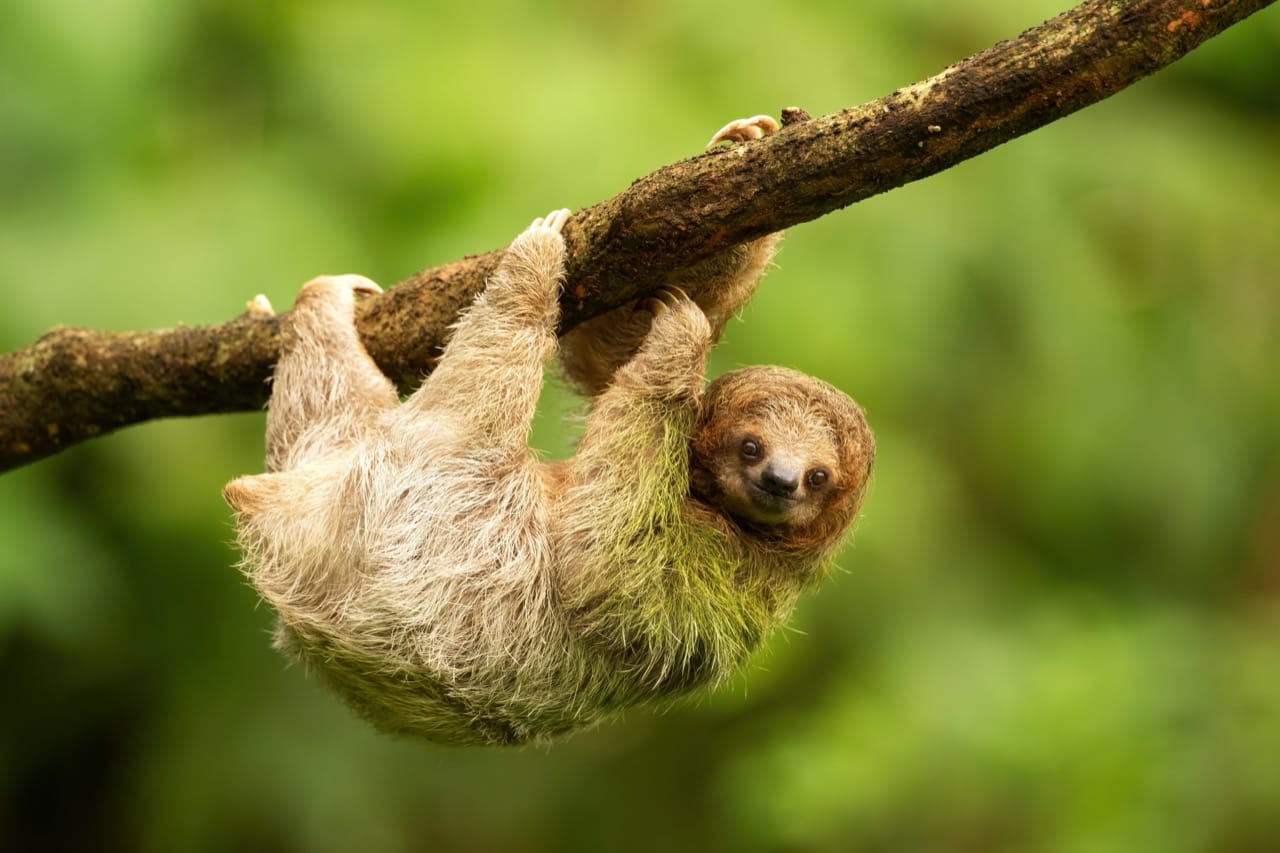
High in the rainforest canopy lives a creature that seems to ignore the rush of
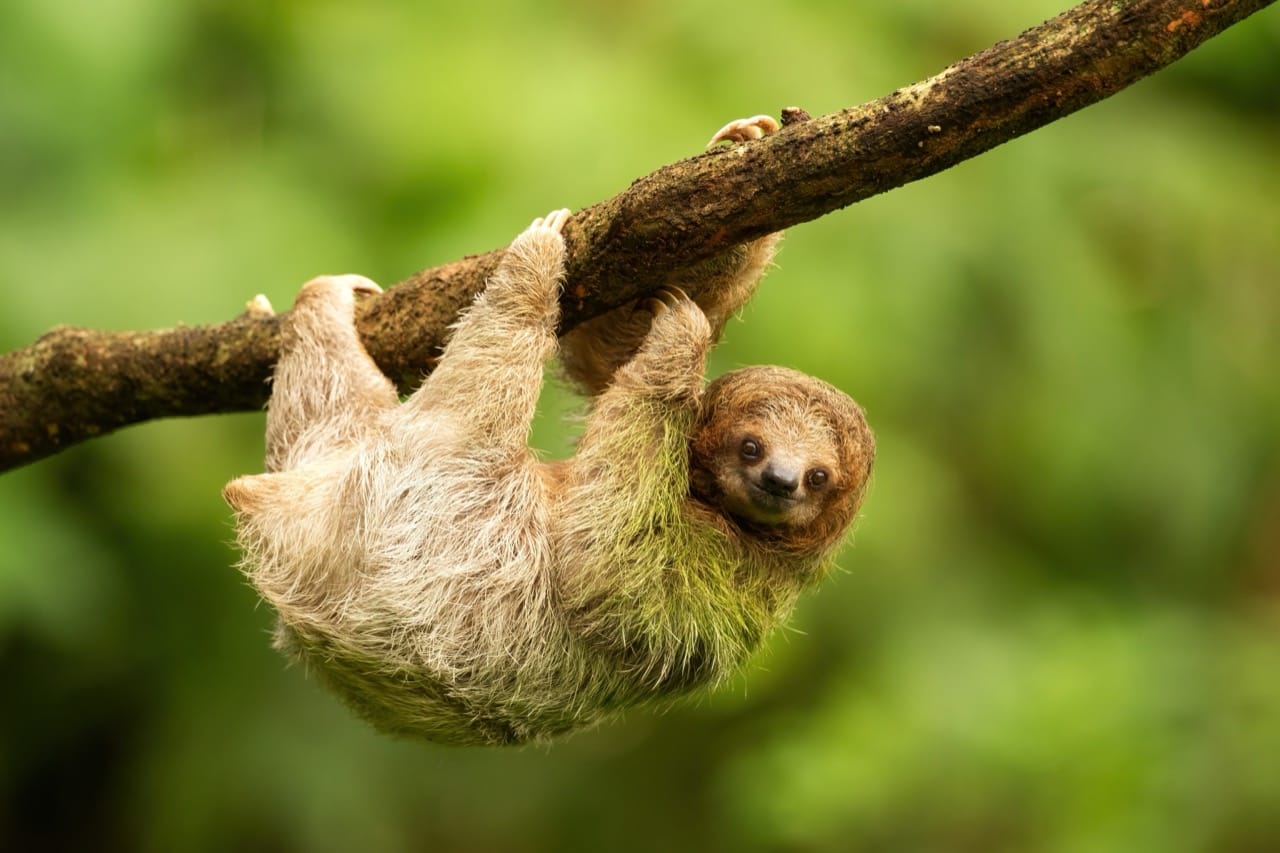
the modern world. Sloths move so slowly that leaves can grow a thin film of
algae on their fur, and yet this unhurried lifestyle is not a flaw. It is a
carefully tuned survival strategy that has helped them thrive in a challenging
environment where energy is scarce and predators are always on the lookout.
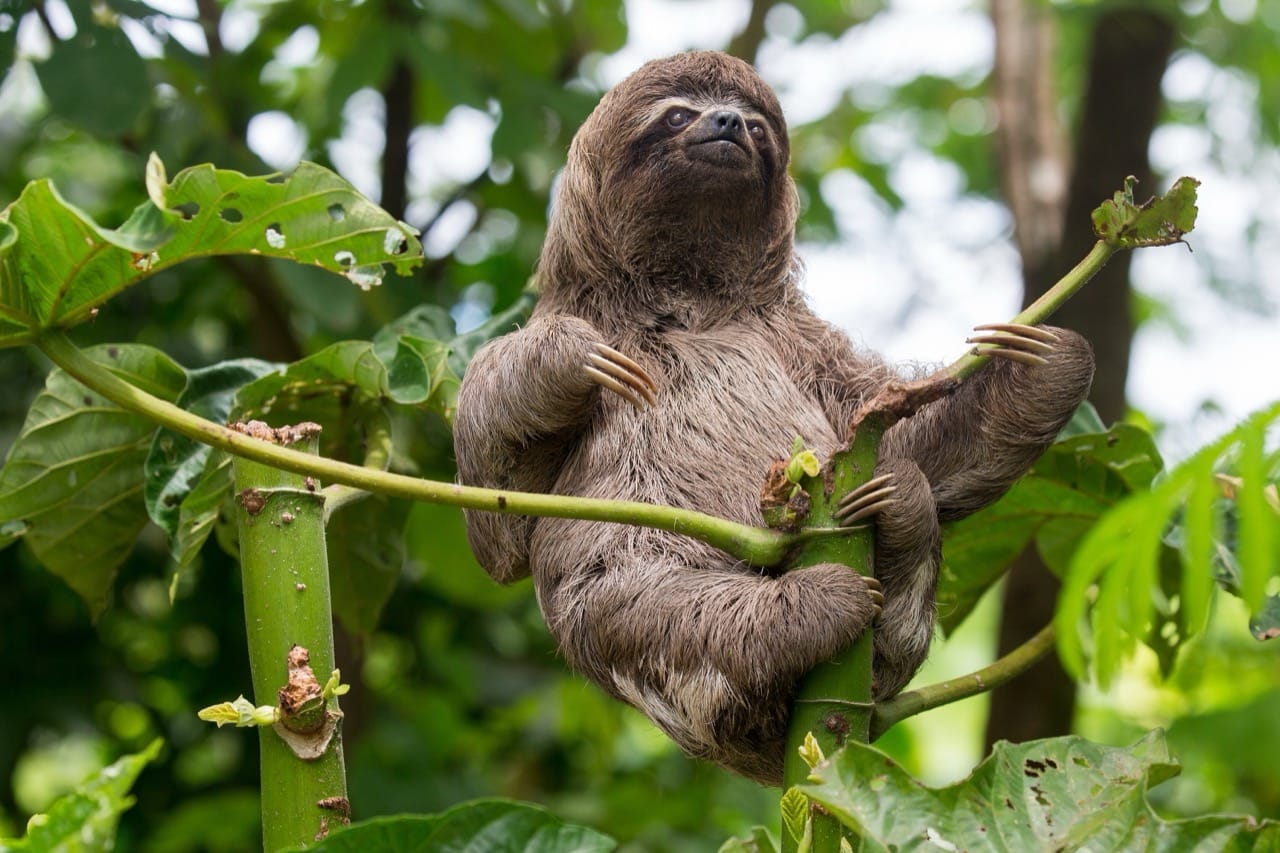
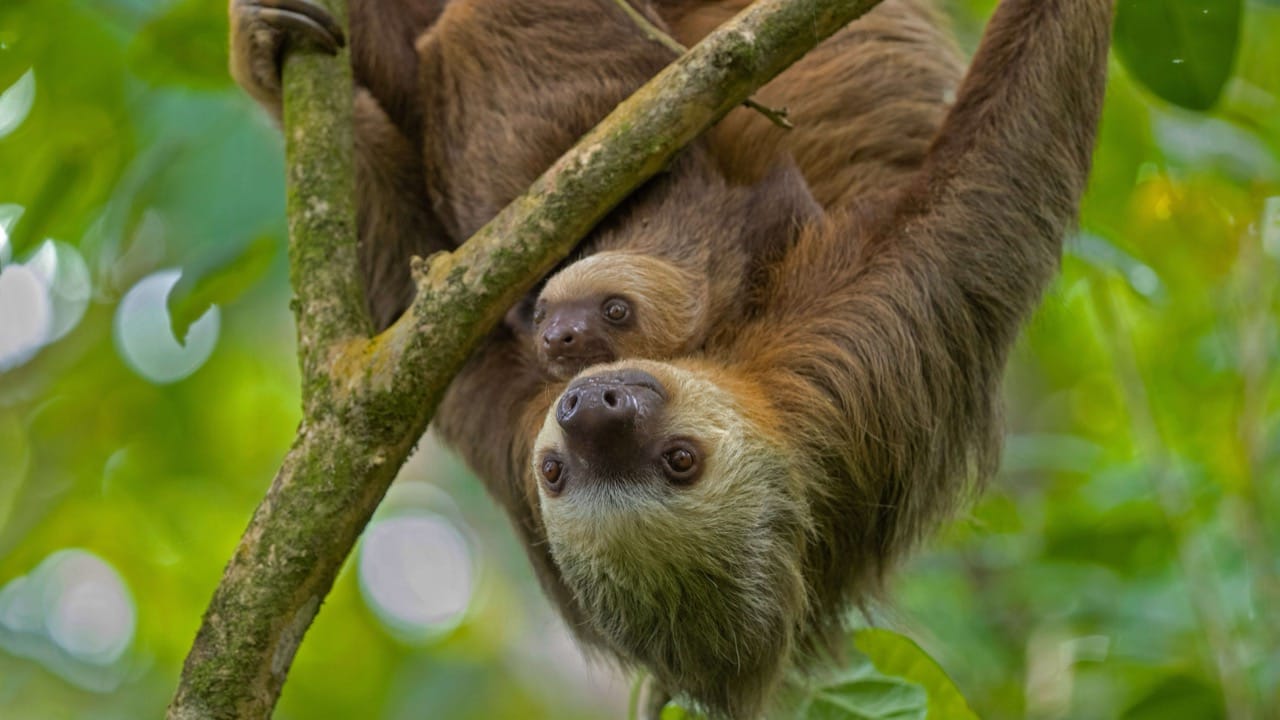
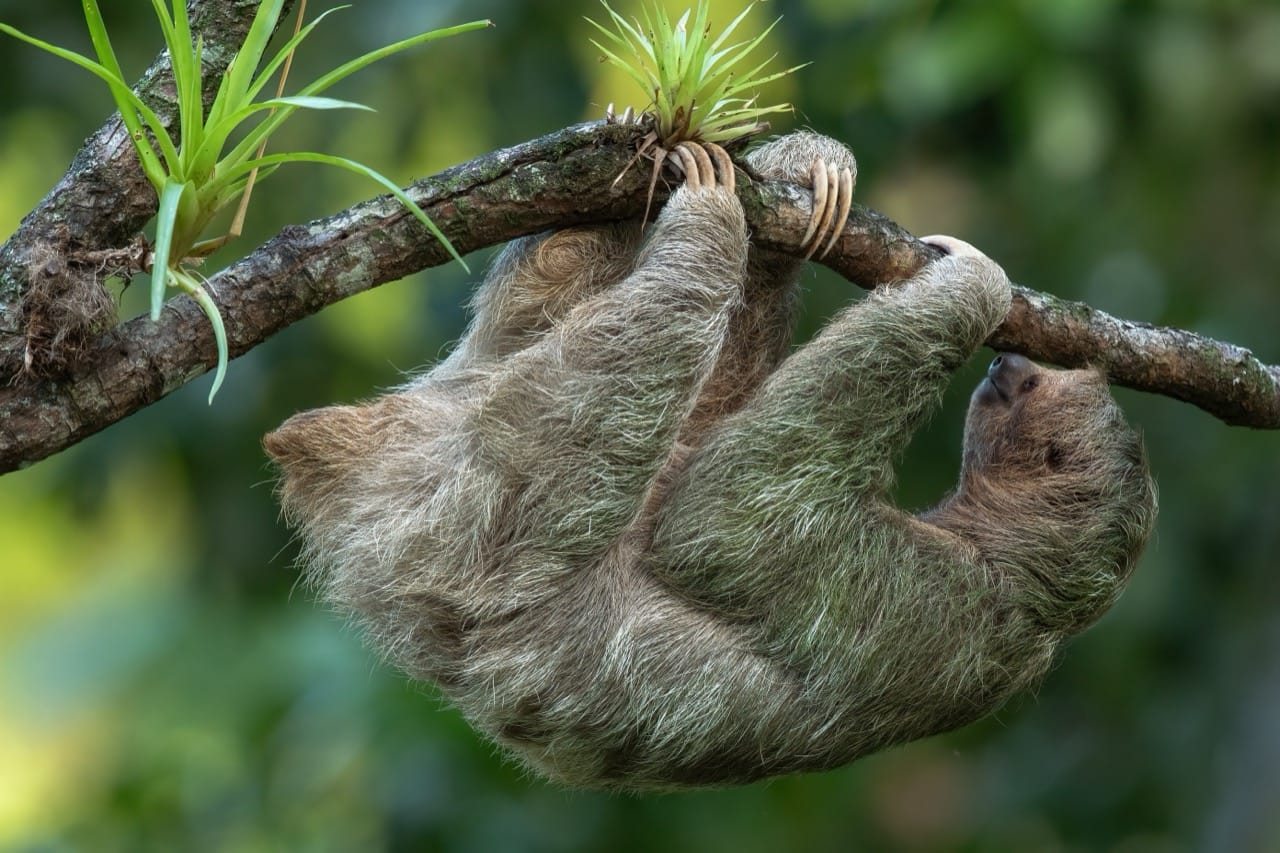
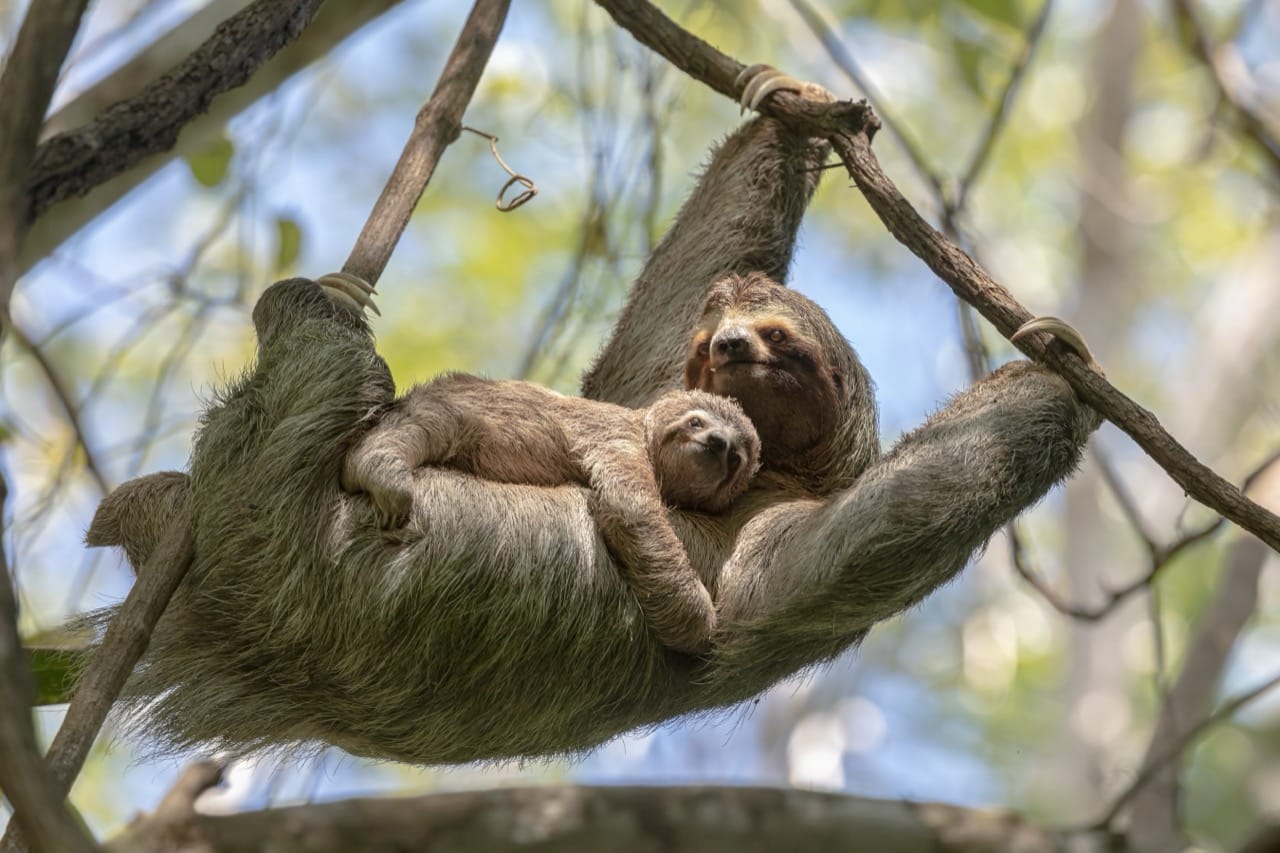
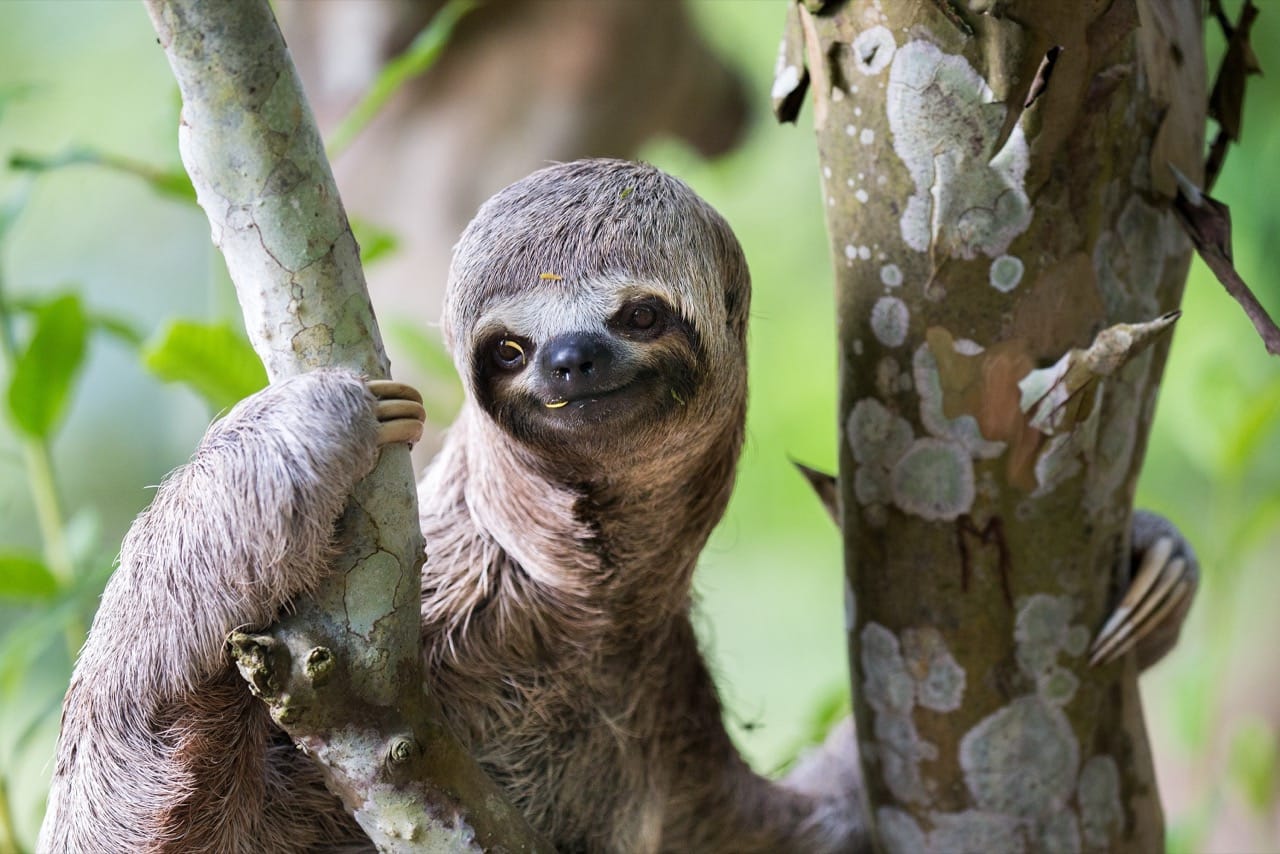
Sloths spend most of their lives hanging upside down from branches, using long,
curved claws like natural hooks. Their muscles are arranged so that they can
cling with very little effort, almost like a passive grip. This means a sloth
can stay suspended for hours without tiring. Even their internal organs are
adapted to this upside down life, shifted in ways that reduce pressure on the
lungs and make breathing easier while hanging.
Their slow pace begins with their diet. Sloths mostly eat tough, fibrous leaves
that are low in calories and hard to digest. Instead of trying to move more to
find richer food, they have evolved to use less energy. Their stomachs are large
and complex, with multiple chambers that work like a natural fermentation tank.
Food can take a week or more to pass through their system. This marathon
digestion allows them to squeeze every bit of nutrition from each mouthful.
One of the strangest aspects of sloth life is their bathroom routine. Unlike
many tree dwelling animals that let waste fall from the branches, sloths climb
all the way down to the forest floor to defecate. They do this only about once a
week. This behavior seems risky, because it exposes them to predators like
jaguars and ocelots. Scientists are still debating why they do it, but one idea
is that this regular visit to the ground helps fertilize the specific trees they
live in, maintaining a healthy supply of leaves.
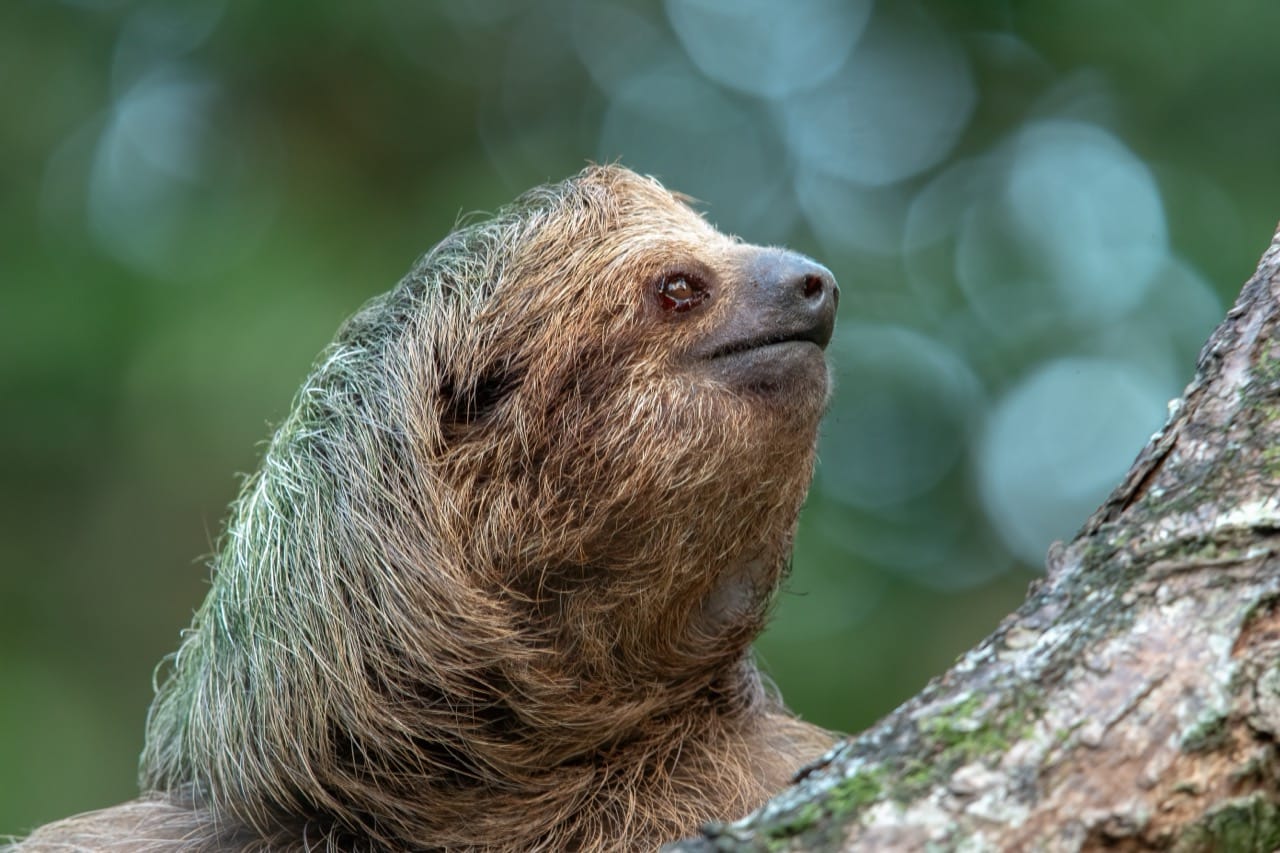
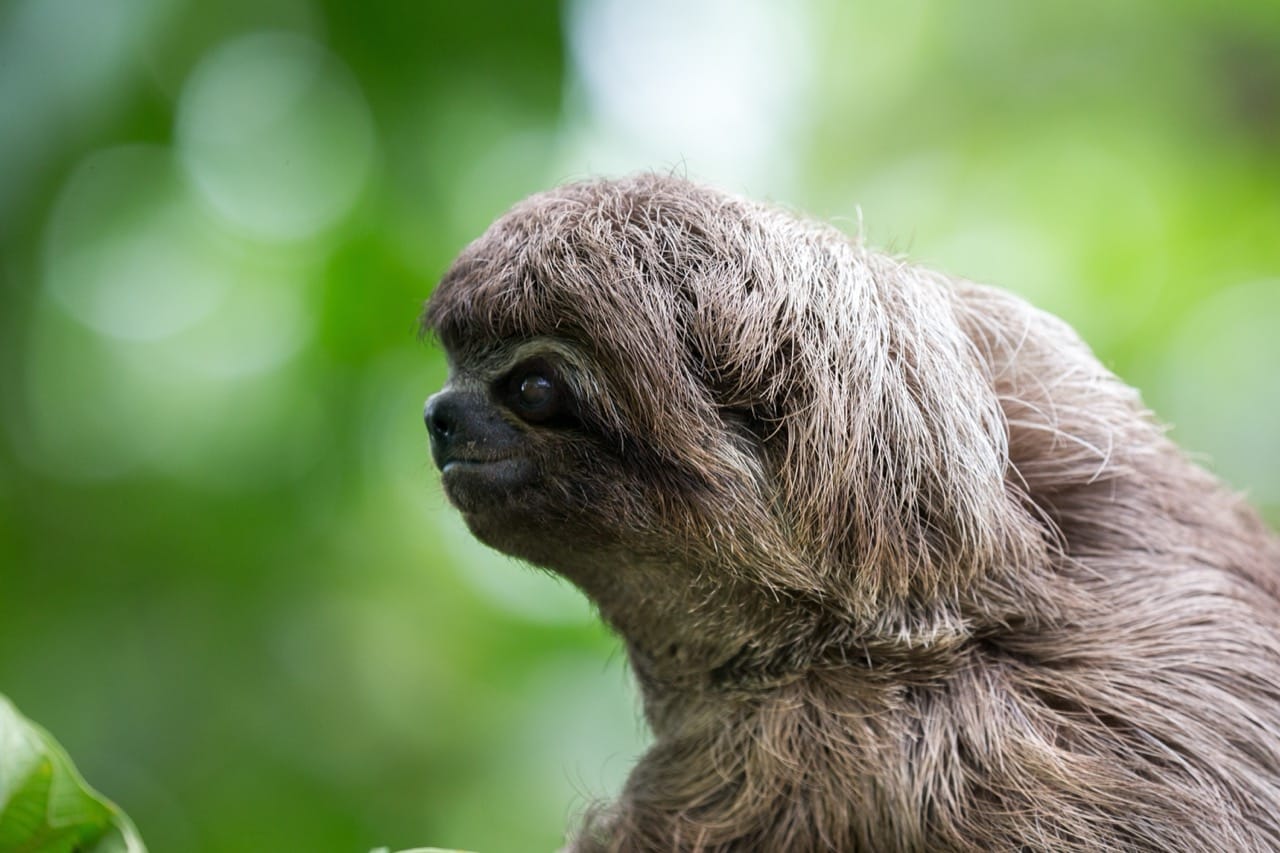
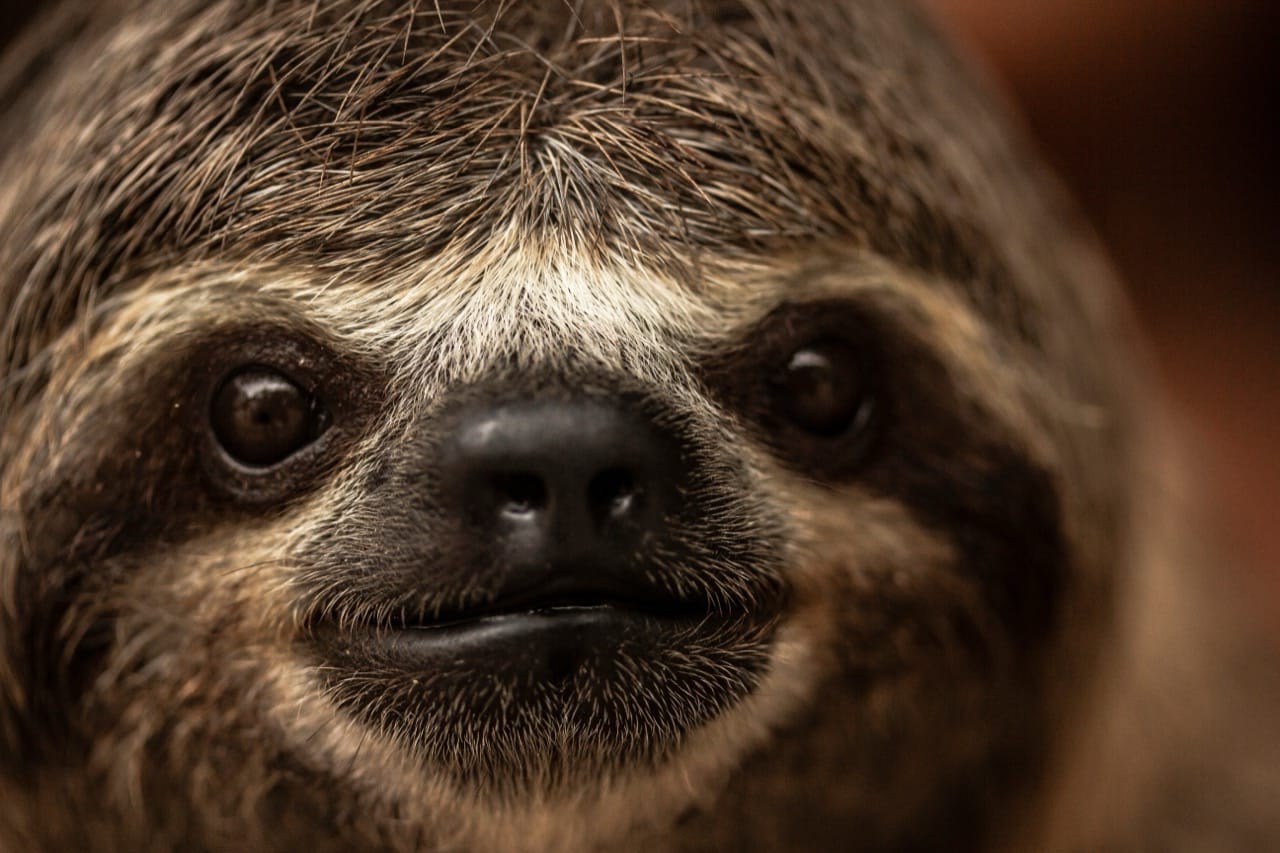
The algae that grow on a sloth’s fur form another unusual partnership. The
greenish tint helps them blend into the leaves, making them harder for predators
to spot. In return, the sloth’s thick, coarse hair provides a moist, protected
home for the algae and for tiny moths and other insects that live only in sloth
fur. Some research suggests that when sloths groom themselves, they may even
gain extra nutrients from the algae.
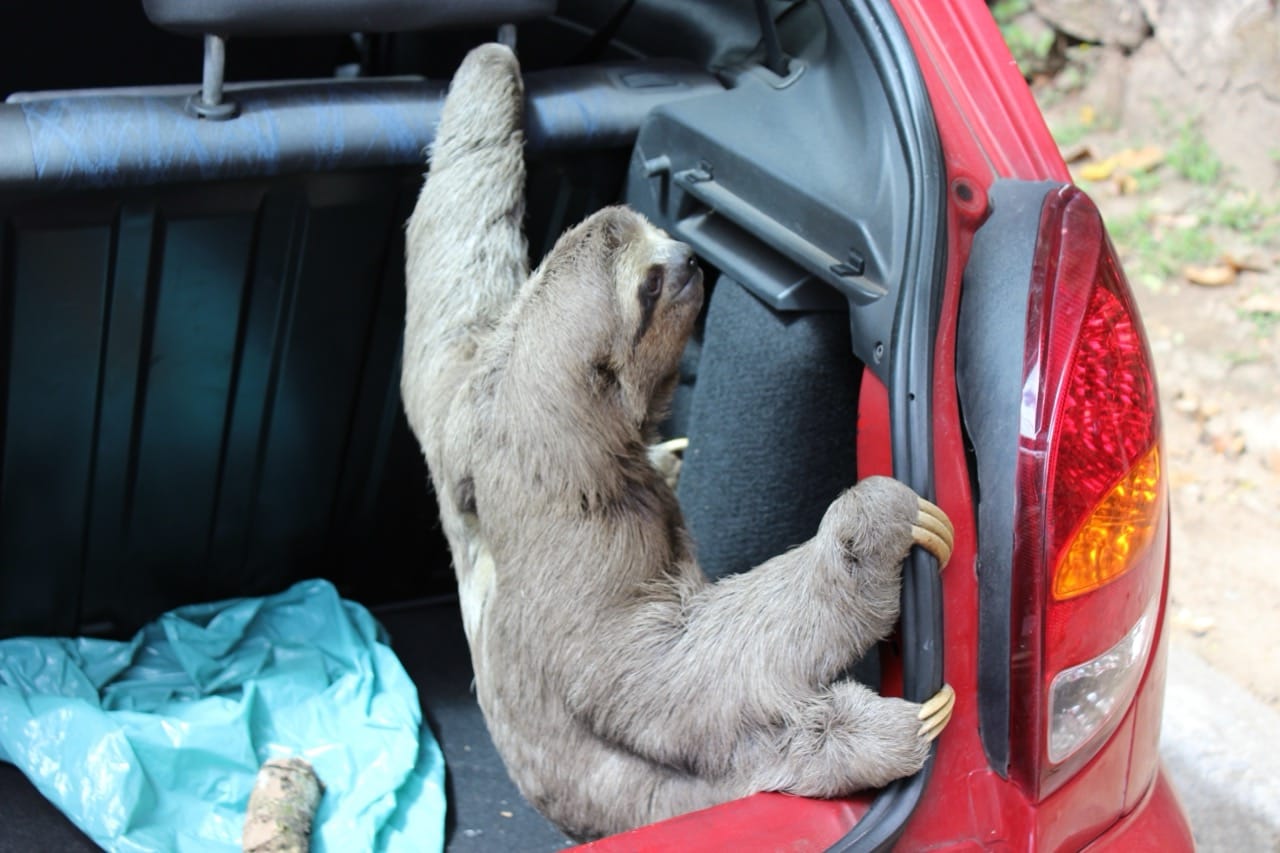
Despite their reputation for laziness, sloths have a hidden athletic side. They
are surprisingly good swimmers, using a kind of slow motion dog paddle to move
through rivers much faster than they move in the trees. In emergencies they can
speed up, but only for short bursts, because their whole body is built around
saving energy, not burning it.
By embracing slowness, sloths have carved out a successful niche in the
rainforest canopy. Their careful movements, unusual digestion, and quiet
partnerships with algae and insects show that survival is not always about
strength or speed. Sometimes, taking it easy is the smartest strategy of all.