Mud Baths and Mellow Munchers: The Capybara Curiosity Quiz
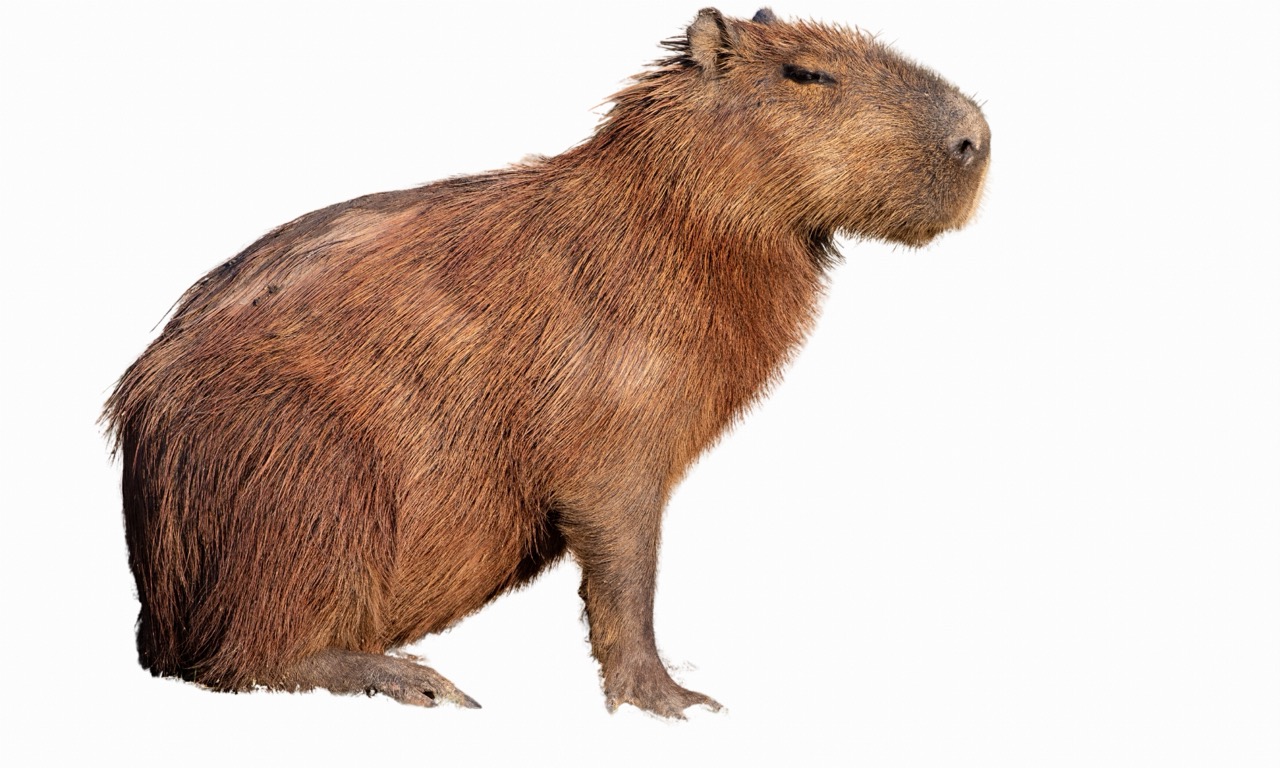
Capybaras might look like oversized guinea pigs on a spa day, but there is far more going on behind those calm eyes and that potato-shaped body. This quiz explores the secret life of the world’s largest rodent, from its underwater superpowers to its surprisingly complex social rules. Expect questions that wander through swamps, grasslands, and hot springs, pausing wherever capybaras like to nap, snack, or socialize. Along the way you will uncover how these animals stay cool, why so many other species like to hang out with them, and what makes their teeth, toes, and tails so perfectly suited to a semi-aquatic lifestyle. Whether you are already a capybara fan or just capy-curious, this trivia set aims to surprise you, challenge what you think you know, and leave you with a new appreciation for nature’s most relaxed-looking rodent.
1
Why are capybaras often seen calmly sharing space with birds, monkeys, and other animals?
2
How do capybara teeth continue to function despite constant grazing on tough plants?

3
Which of the following best describes the capybara’s diet in the wild?
4
How do capybaras typically communicate within their groups?
5
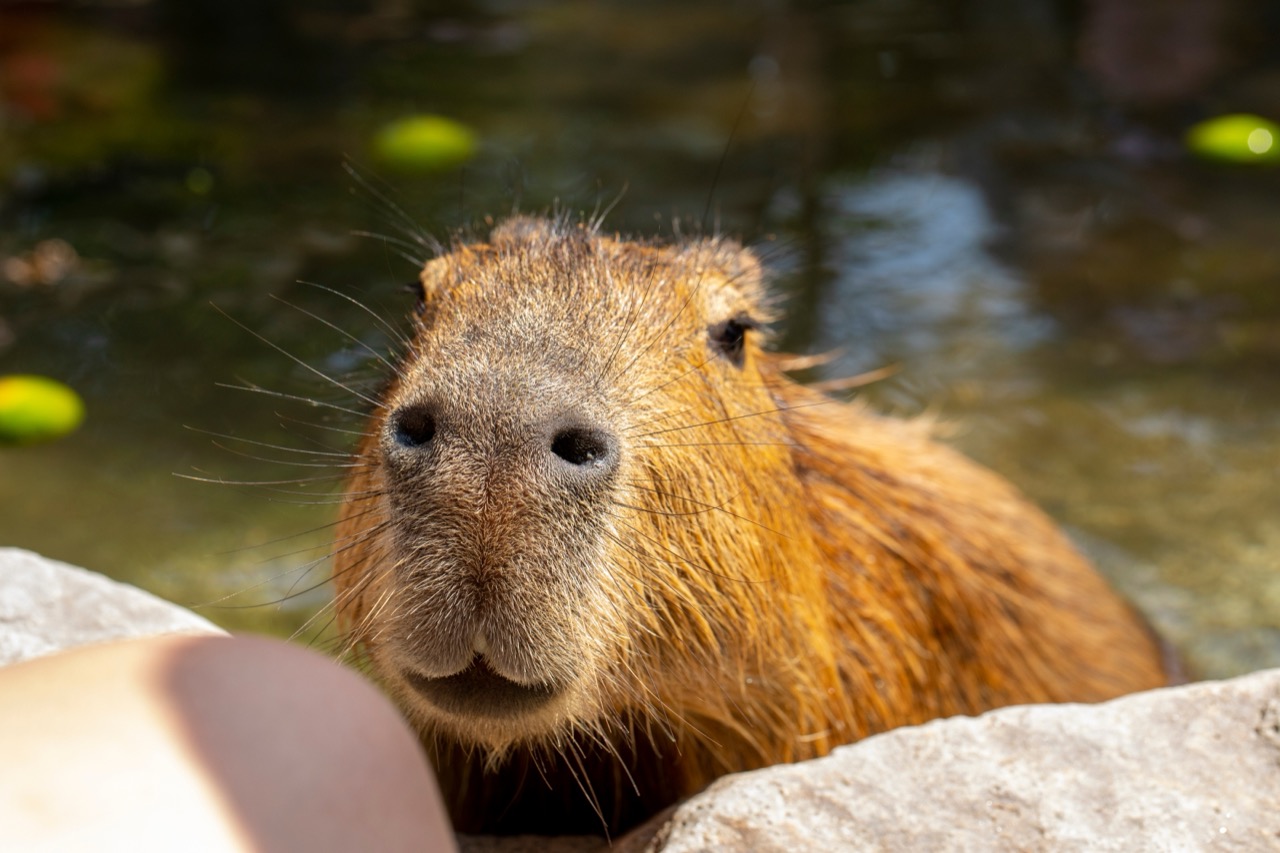
What type of habitat do wild capybaras primarily prefer?
6
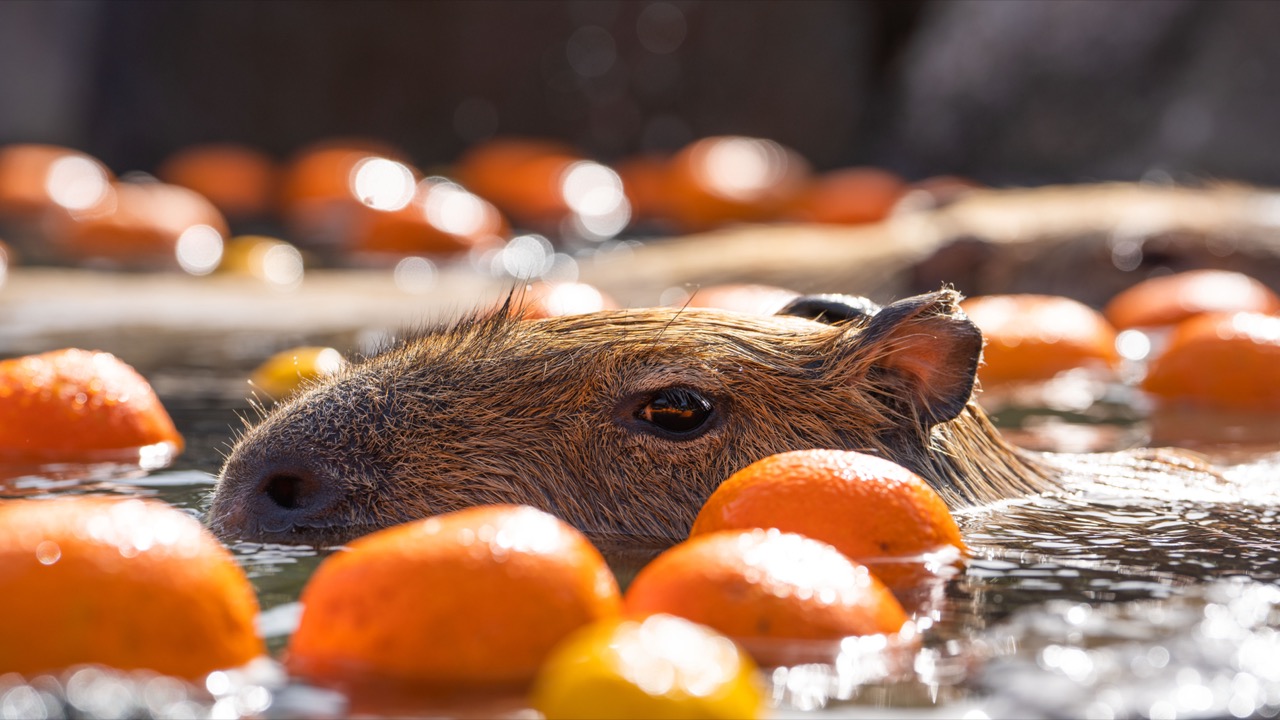
What is a typical social structure of wild capybaras?
7
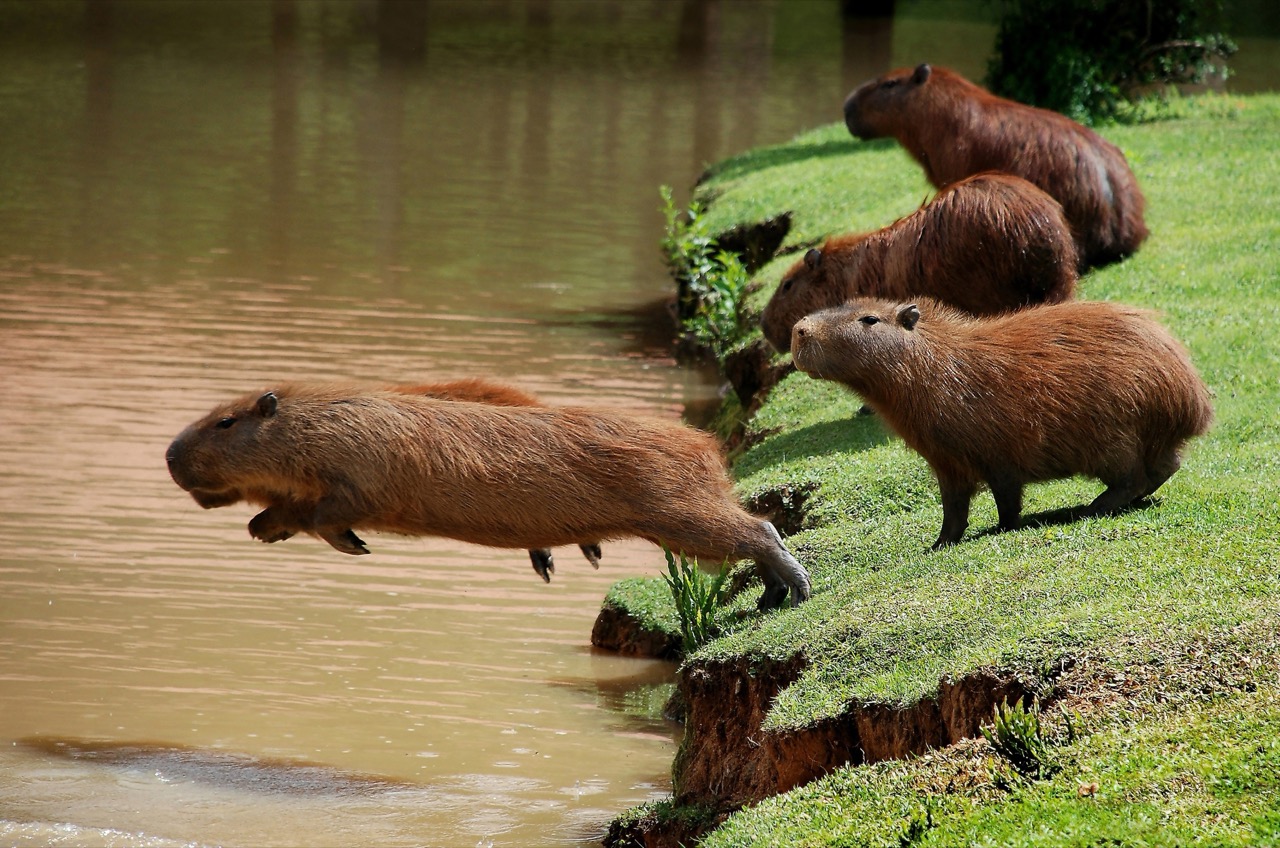
Which physical adaptation helps capybaras see and breathe while mostly submerged?
8
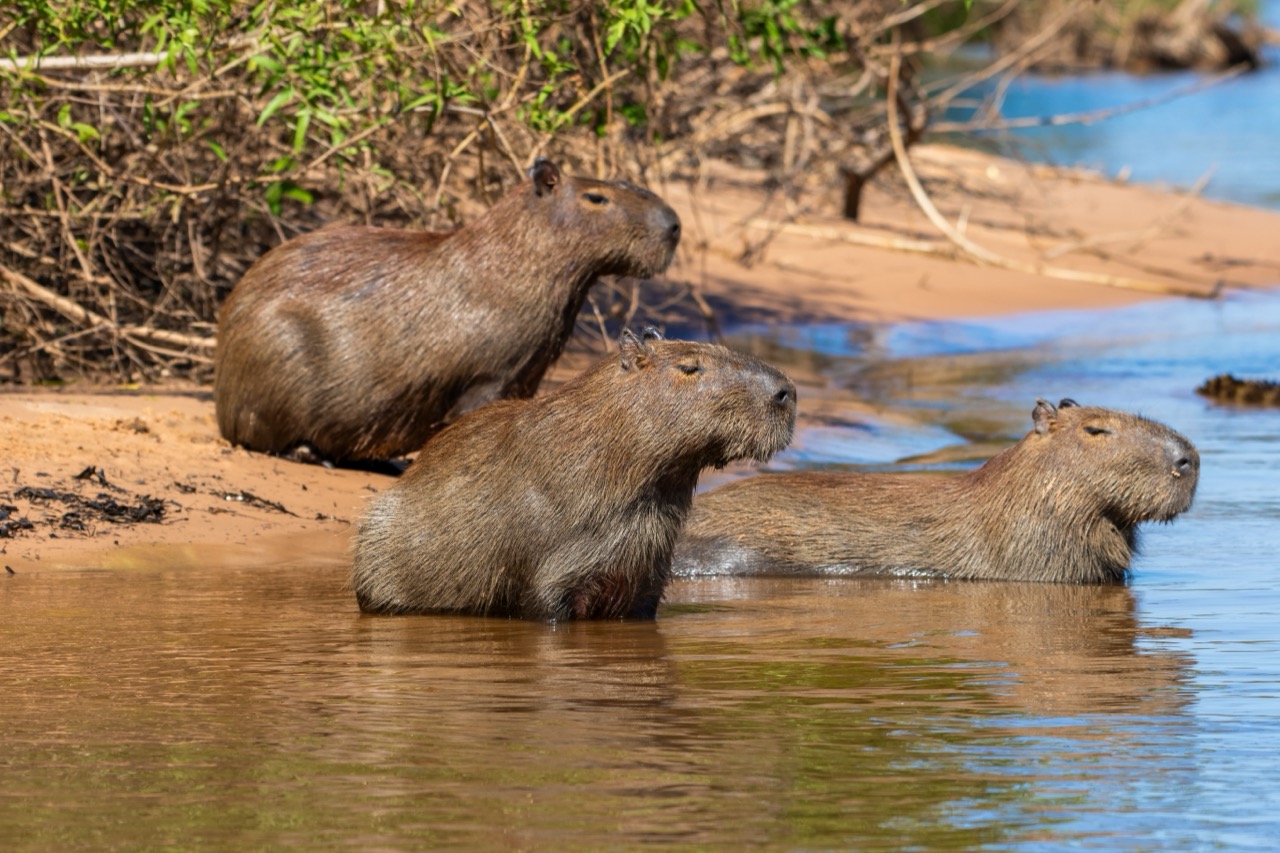
Which unusual feeding behavior helps capybaras extract maximum nutrition from tough plant material?
9
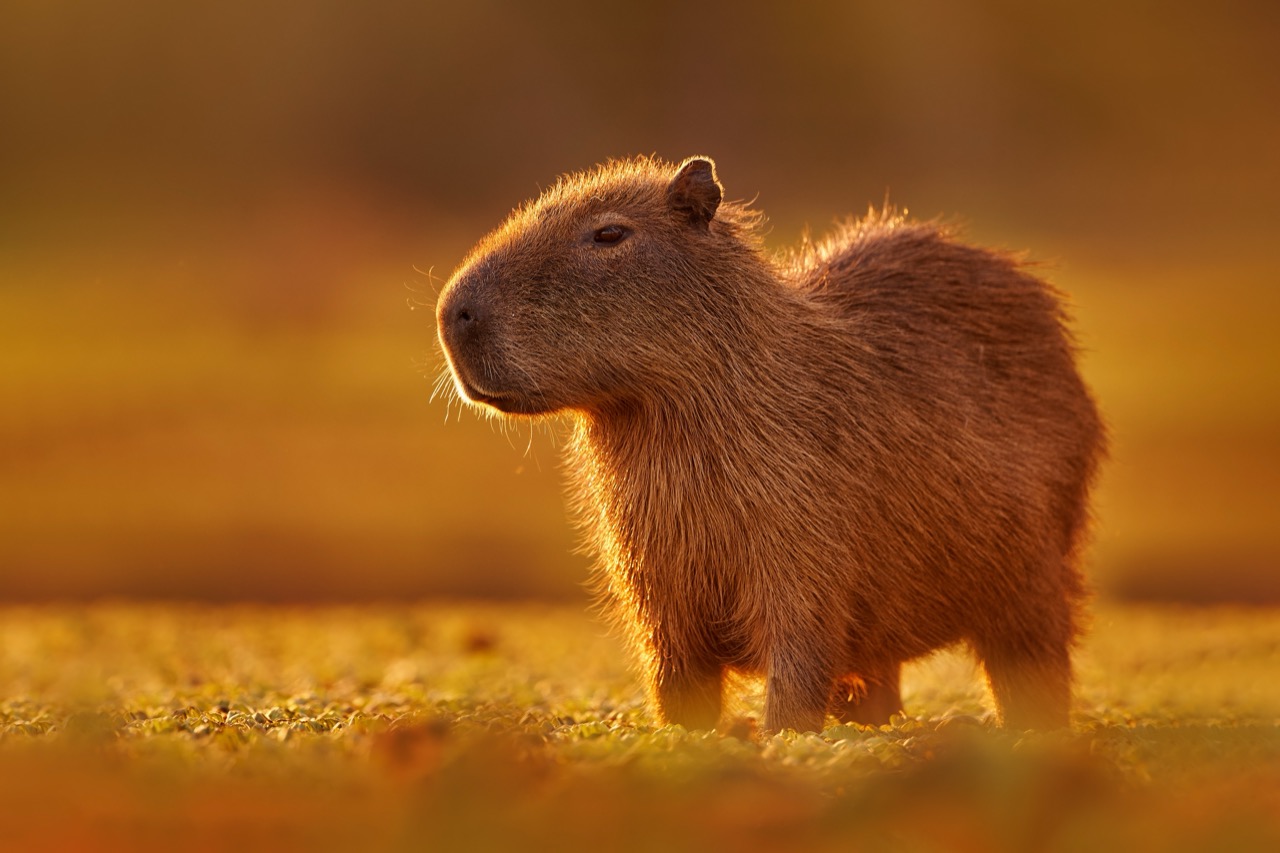
Which behavior is a common way capybaras regulate their body temperature?
10
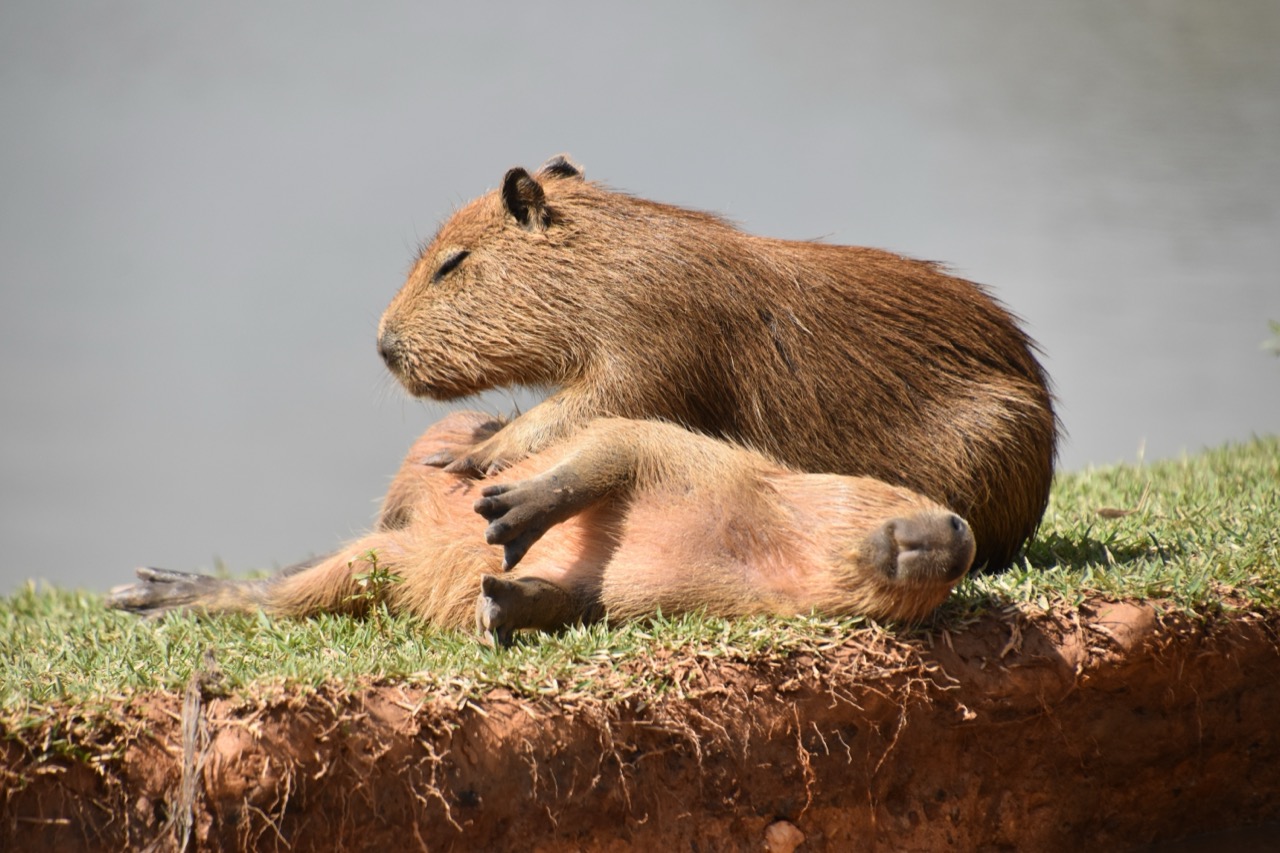
Which statement best describes the capybara’s place in the animal kingdom?
0
out of 10
Quiz Complete!
Mud Baths and Mellow Munchers: Inside the Secret Life of Capybaras
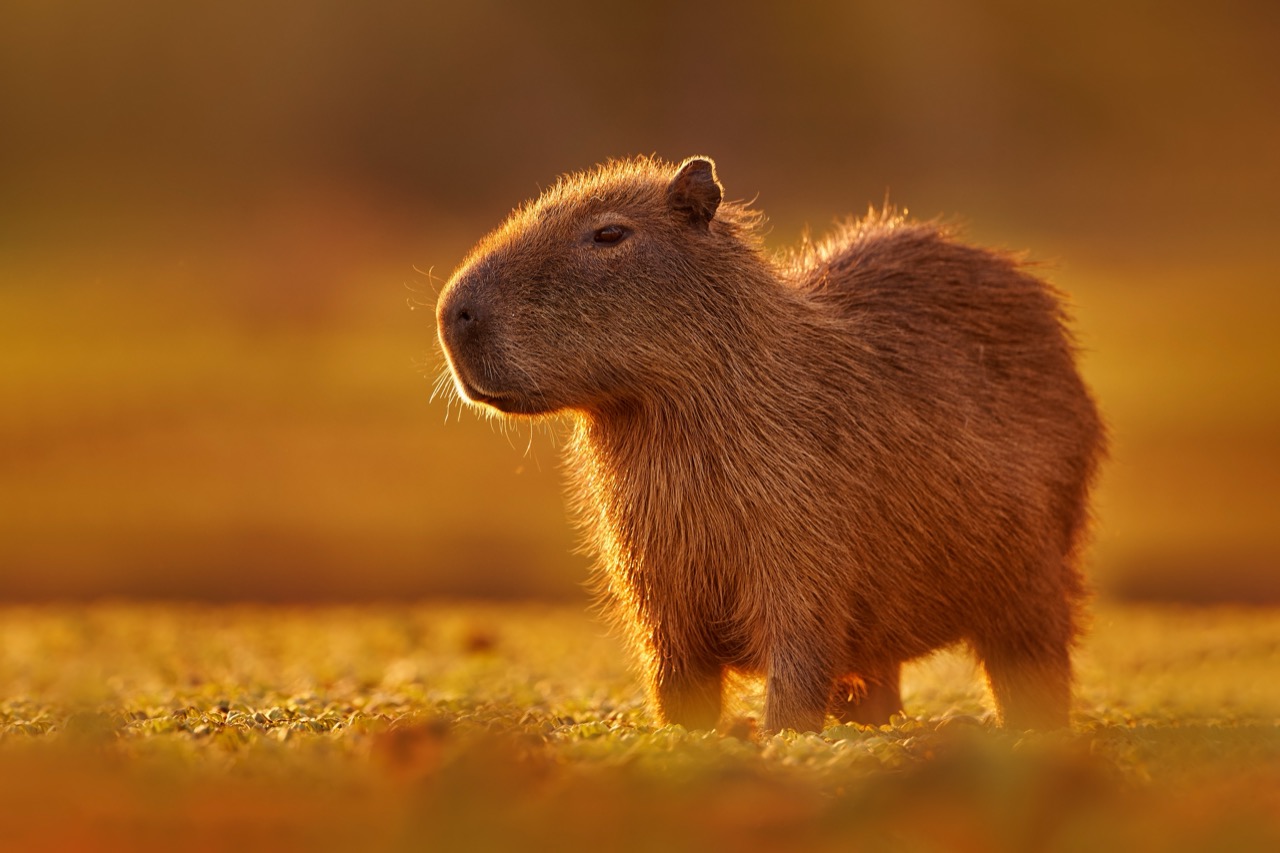
At first glance, a capybara looks like an oversized guinea pig that has wandered out of a day spa. With its round body, calm expression, and habit of lounging in warm water, it is easy to see why people think of them as nature’s most relaxed animals. But behind that mellow appearance is a fascinating creature perfectly adapted to a semi-aquatic life and a surprisingly complex social world.
Capybaras are the largest rodents on Earth, native to the wetlands and grasslands of Central and South America. They can weigh as much as a medium-sized dog, yet they move smoothly through both water and tall grass. Their bodies are built for this environment. Their eyes, ears, and nostrils sit high on their heads, allowing them to float with most of their body hidden while still seeing, hearing, and breathing. This makes it easier to spot predators like jaguars, caimans, and large birds of prey while staying mostly out of sight.
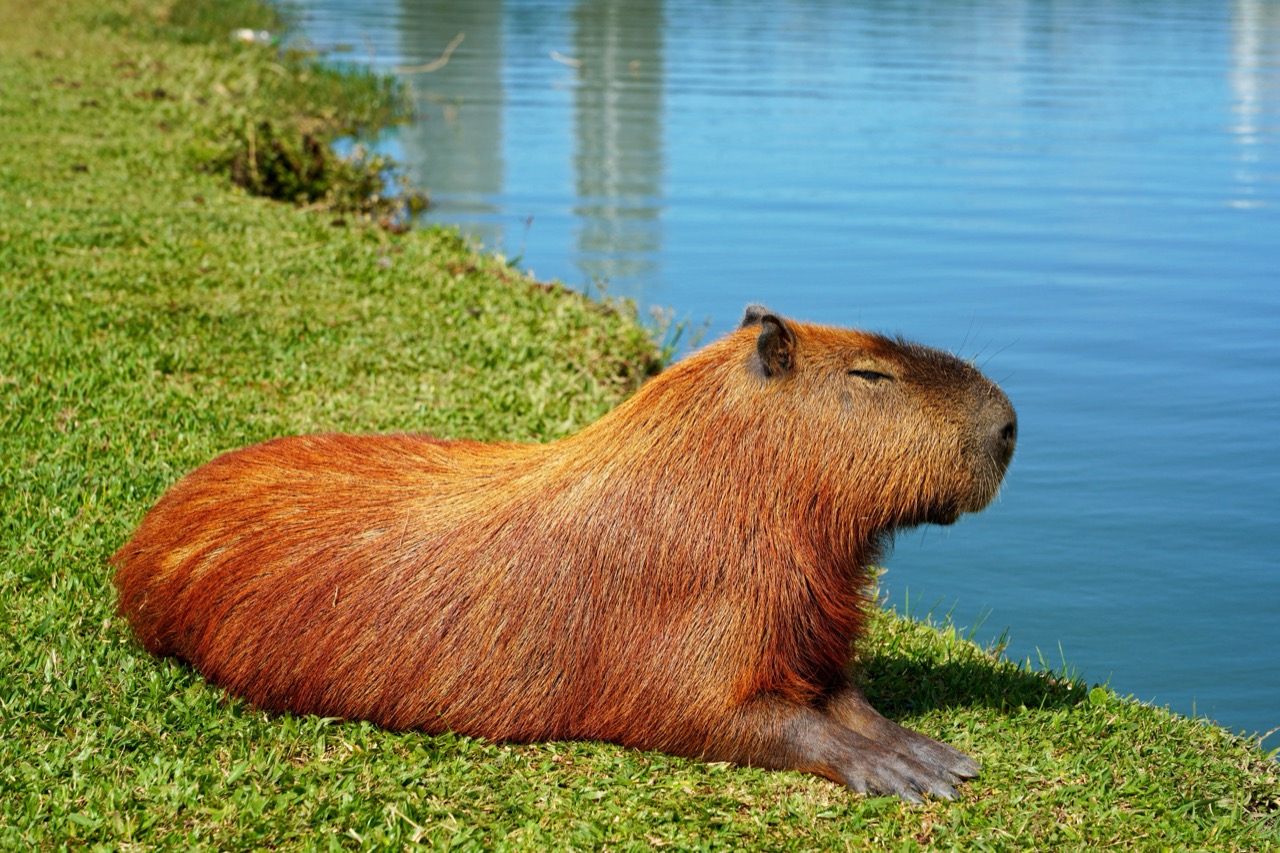
Water is central to almost everything a capybara does. These animals are strong swimmers and can hold their breath for several minutes, slipping below the surface to escape danger or simply to cool off. Their partially webbed toes help them paddle efficiently, and their dense, coarse fur dries quickly after a swim. On hot days, capybaras often soak in ponds, rivers, or mud wallows to regulate their body temperature and avoid overheating.
Their diet seems simple at first: they are herbivores that mainly eat grasses and aquatic plants. However, their digestive system is specialized to handle tough, fibrous food. Like many rodents, their teeth never stop growing, and constant chewing keeps them worn down to a useful length. Capybaras also practice a behavior called cecotrophy, in which they re-eat certain soft droppings to extract extra nutrients. It may sound unpleasant to humans, but it allows them to survive on food that many other animals would find too low in energy.
Capybaras are highly social and usually live in groups that can range from a handful of individuals to several dozen, especially in areas with plenty of food and water. Within these groups, there is a loose hierarchy led by a dominant male, but conflicts are often mild. Much of their social life revolves around resting together, grooming, vocalizing with soft whistles and barks, and sharing access to the best grazing and bathing spots. Their calm nature and group living may help them detect danger more quickly, since many eyes and ears are always alert.
One of the most charming things about capybaras is how often other animals choose to be around them. Birds perch on their backs to pick off insects. Monkeys, small mammals, and even domestic animals like cats and dogs have been seen resting beside them. Capybaras seem remarkably tolerant of these visitors, which adds to their reputation as peaceful neighbors in the animal world.
Whether they are soaking in a hot spring, grazing at sunrise, or dozing in a muddy pool, capybaras show how well an animal can fit into its environment. Their teeth, toes, and tails are all part of a design tuned for life between land and water. Learning about them reveals that beneath their relaxed look lies a story of adaptation, cooperation, and quiet resilience in the wild.