Planet Crunch: The Ultimate Rock-Smart Geology Showdown
This quiz spins your brain like a tectonic plate on fast-forward. From the fire of volcanoes to the quiet creep of continents, geology tracks the wild history of our restless planet. Expect questions that jump from microscopic minerals to mountains tall enough to punch the sky. You will cross ancient seas, walk across vanished supercontinents, and time‑travel through mass extinctions, all through the lens of rock science. Along the way, you will meet shape‑shifting rocks, sneaky groundwater, and earthquakes that rewrite landscapes in seconds. Whether you are a casual rock spotter or a hardcore plate‑tectonics fan, this challenge is built to surprise you, stump you, and maybe even change how you look at the ground under your feet. Sharpen your curiosity, steady your inner seismograph, and see how rock-solid your science‑geology knowledge really is.
1
Which mineral is defined as the hardest on the Mohs hardness scale?
2
Which process transforms existing rocks into new types through heat, pressure, and chemically active fluids without melting the rock completely?
3
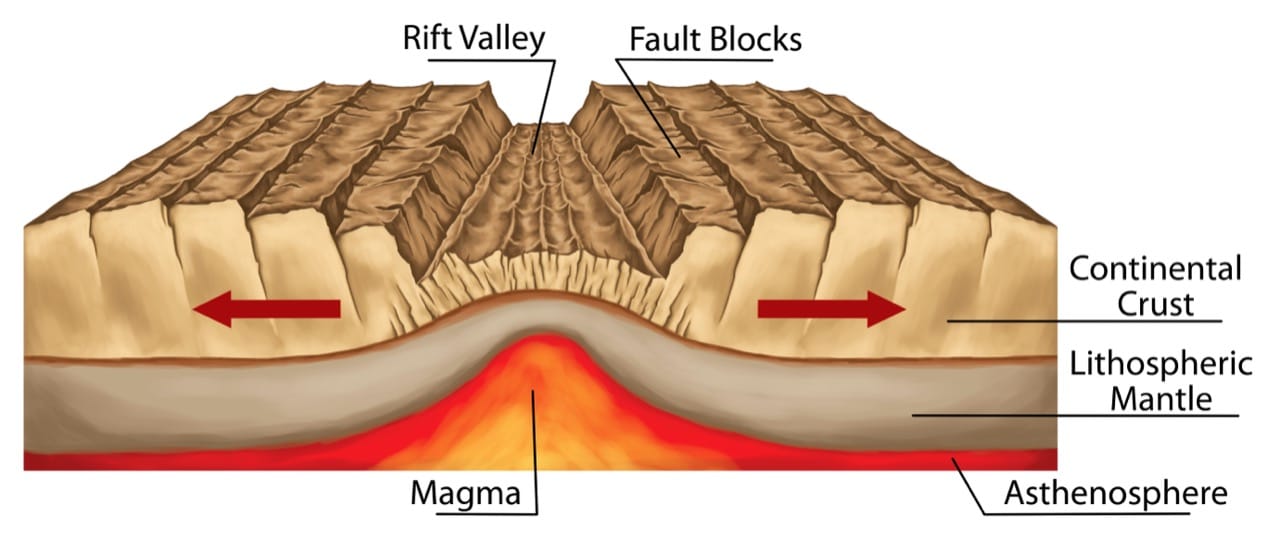
What type of plate boundary is most commonly associated with powerful, deep-focus earthquakes and volcanic arcs?
4
Which rock type forms when molten material cools and solidifies, either at the surface or deep within the crust?
5
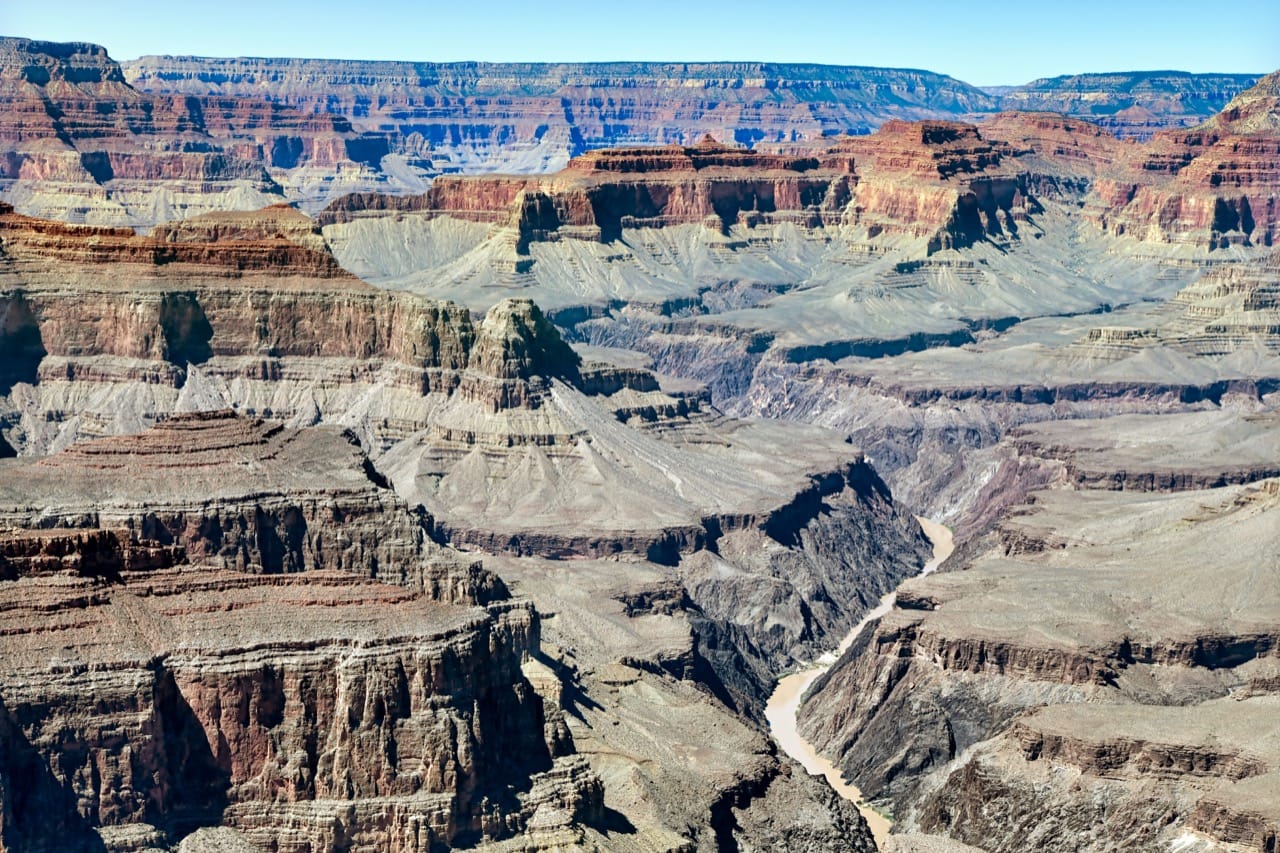
Which geologic time unit is the longest in duration?
6
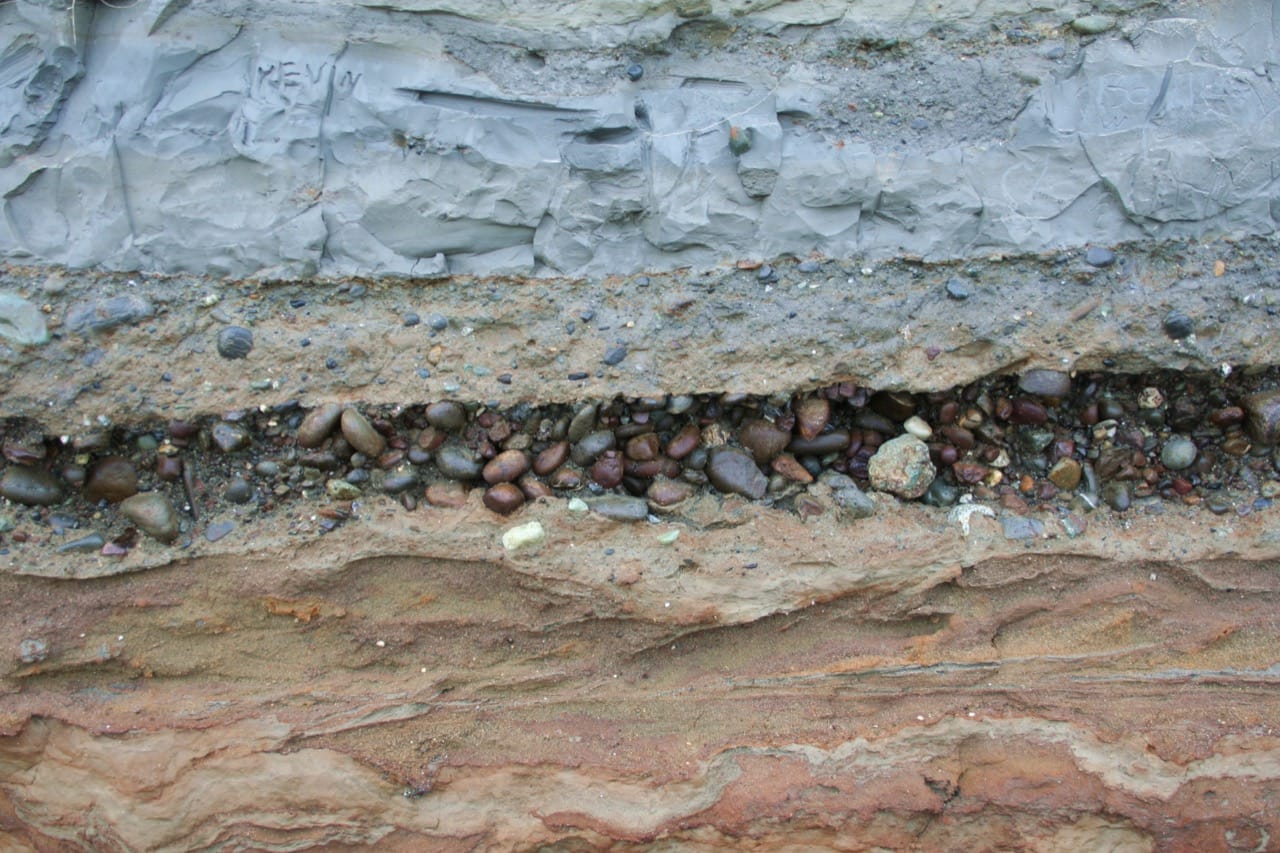
Which sedimentary rock is primarily composed of compacted and cemented plant material and is considered a fossil fuel?
7
Which layer of Earth is composed mostly of solid iron and nickel and is responsible for generating much of Earth’s magnetic field?
8
What is the term for the point inside Earth where an earthquake rupture starts?
9
What is the main driving force behind the movement of Earth’s tectonic plates?
10
Which volcanic rock is so full of gas bubbles that it can often float on water?
0
out of 10