Secrets of the Emerald Wilds




Quiz Complete!
Secrets of the Emerald Wilds: Exploring the Hidden Life of Forests
Forests may look calm from a distance, but step beneath the canopy and you enter a world buzzing with activity. The Emerald Wilds are more than just collections of trees. They are complex ecosystems where plants, animals, fungi, and even microscopic organisms work together in ways that scientists are still discovering.
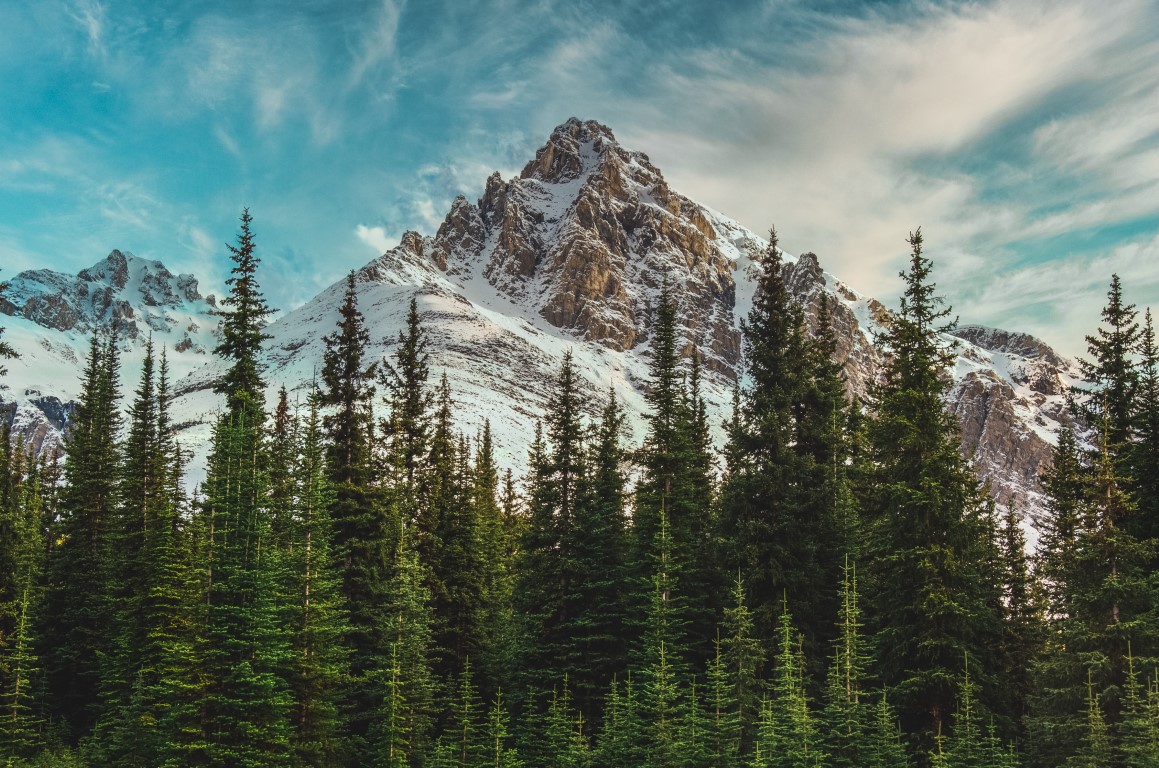
Forests exist on every continent except Antarctica, and each type has its own character. Tropical rainforests near the equator are warm, humid, and packed with species from the forest floor to the treetops. Temperate forests, common in parts of North America, Europe, and Asia, experience four seasons and support animals that must adapt to cold winters and leafy summers. Boreal forests, or taiga, stretch across northern regions with hardy conifers like spruce and pine that withstand long, freezing nights.
The towering trees that define forests are only part of the story. Their roots anchor the soil and prevent erosion, while their leaves capture sunlight and turn it into energy through photosynthesis. In doing so, trees absorb carbon dioxide from the air and store it in their trunks, branches, and roots. This makes forests powerful allies in slowing climate change, acting as giant natural reservoirs of carbon.
Under your feet, a hidden network is hard at work. Fungi weave through the soil in threadlike strands called mycelium, forming partnerships with tree roots. These relationships, known as mycorrhizae, allow trees to trade sugars for nutrients and water that fungi help them access. Some scientists describe this as a kind of forest internet, where resources and even chemical signals can move between plants. Through these underground connections, older, well established trees may help support younger ones during tough times.
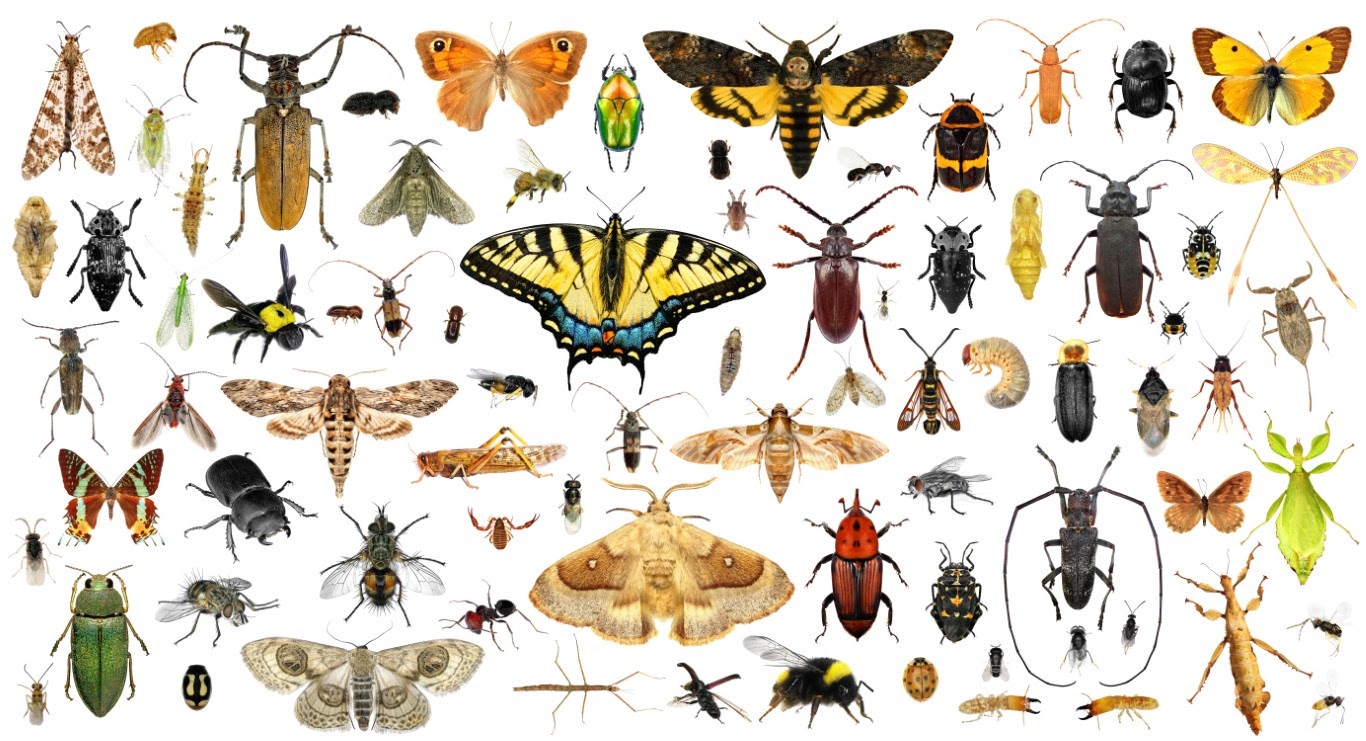
Forest wildlife has evolved remarkable strategies to survive in this layered environment. Birds and insects fill the canopy, while mammals, reptiles, and amphibians navigate the dim understory. Masters of camouflage, such as stick insects and leaf tailed geckos, blend almost perfectly with bark and leaves. Owls glide silently on specially adapted feathers that muffle sound, giving them an edge while hunting in the dark. Deer, boar, and other herbivores browse on leaves and shoots, while predators like wolves and big cats keep populations in balance.
Fungi and decomposers play a quieter but essential role. Mushrooms are only the visible fruiting bodies of much larger fungal networks. Along with bacteria and tiny invertebrates, they break down fallen leaves, dead wood, and other organic matter. This recycling process returns nutrients to the soil, making them available for new growth and keeping the forest productive year after year.
Forests also shape local climates and water cycles. Their canopies shade the ground, keeping temperatures cooler and reducing water loss. Tree roots help the soil absorb and hold rainfall, feeding streams and rivers and reducing the risk of floods. Forested watersheds provide clean drinking water for millions of people around the world.
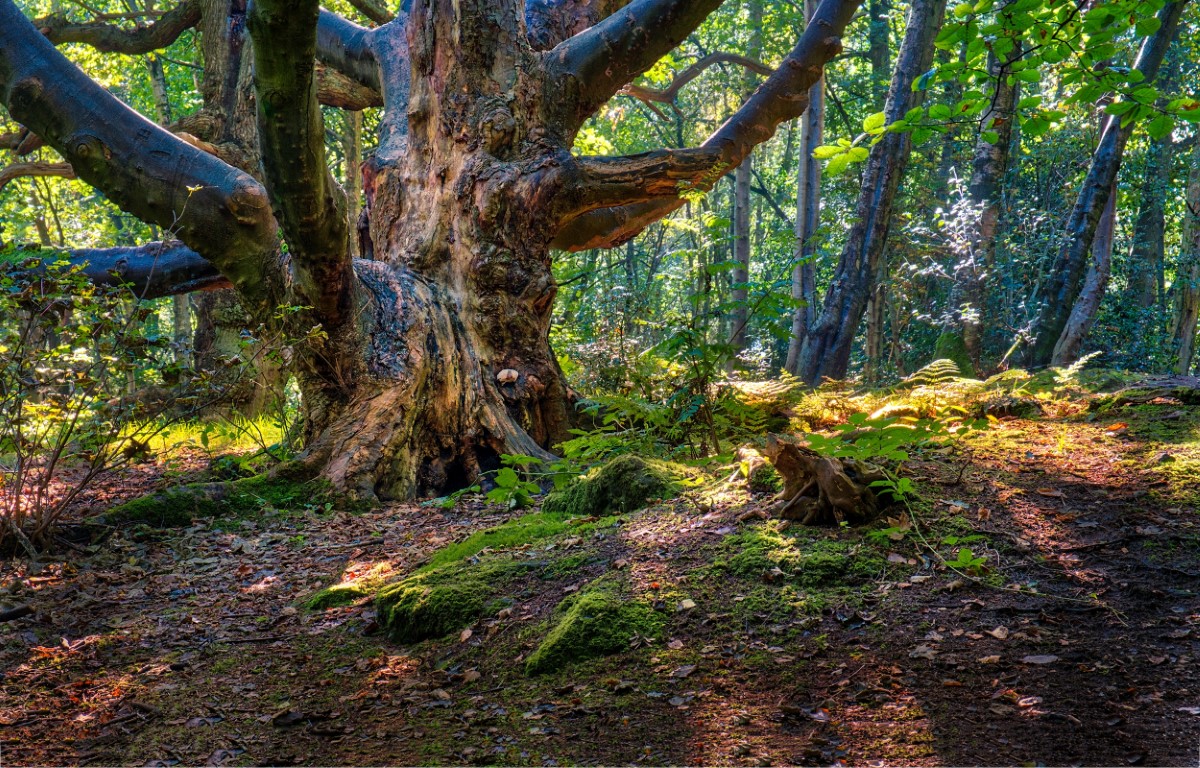
From record breaking redwoods and sequoias that reach staggering heights to ancient bristlecone pines that have stood for thousands of years, forests are home to some of the planets most impressive organisms. Yet even a rotting log is a bustling neighborhood for insects, mosses, lichens, and tiny fungi.
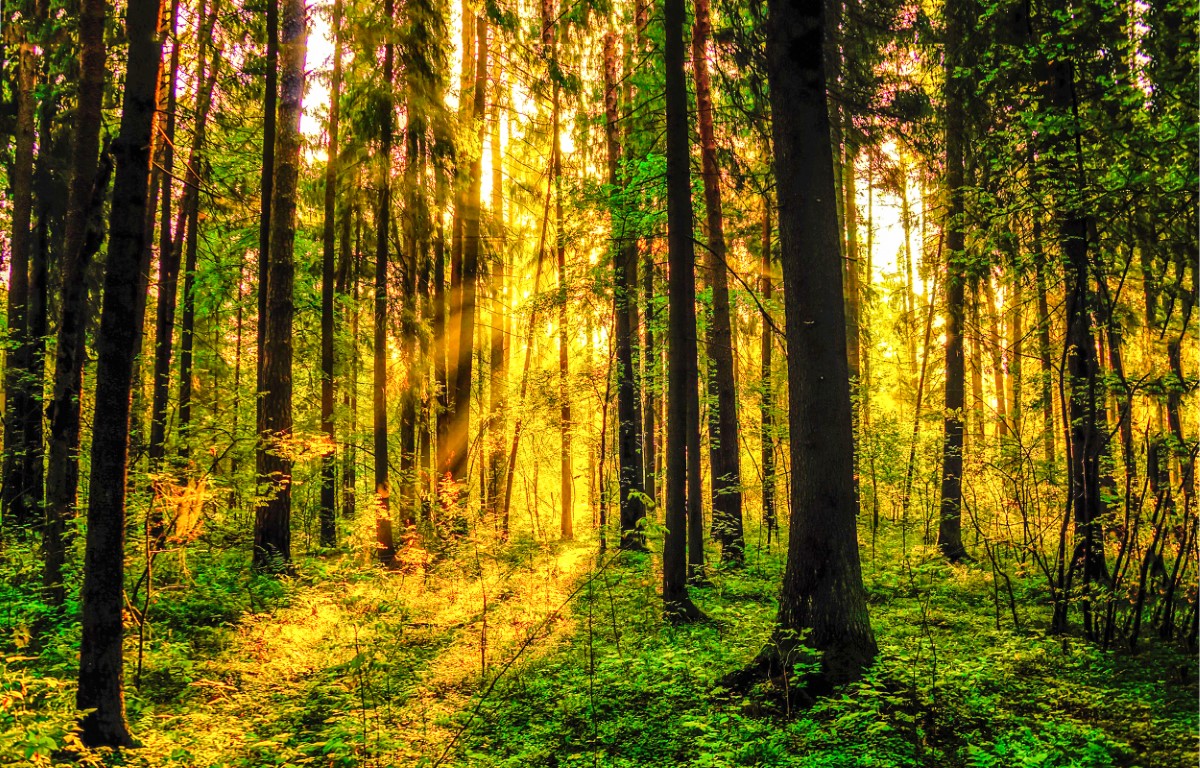
Whether you hike through woodland trails or simply watch the play of light in a patch of urban trees, understanding these emerald worlds adds a new layer of appreciation. Forests are not just backgrounds to our adventures. They are living, breathing systems that support life on Earth, invite curiosity, and reward those who pause to listen to the rustle of unseen wings and the quiet work happening in the soil below.