Tiny Titans of the Wild: A Quiz on Six-Legged Marvels







Quiz Complete!
Tiny Titans of the Wild: Discovering Six-Legged Marvels
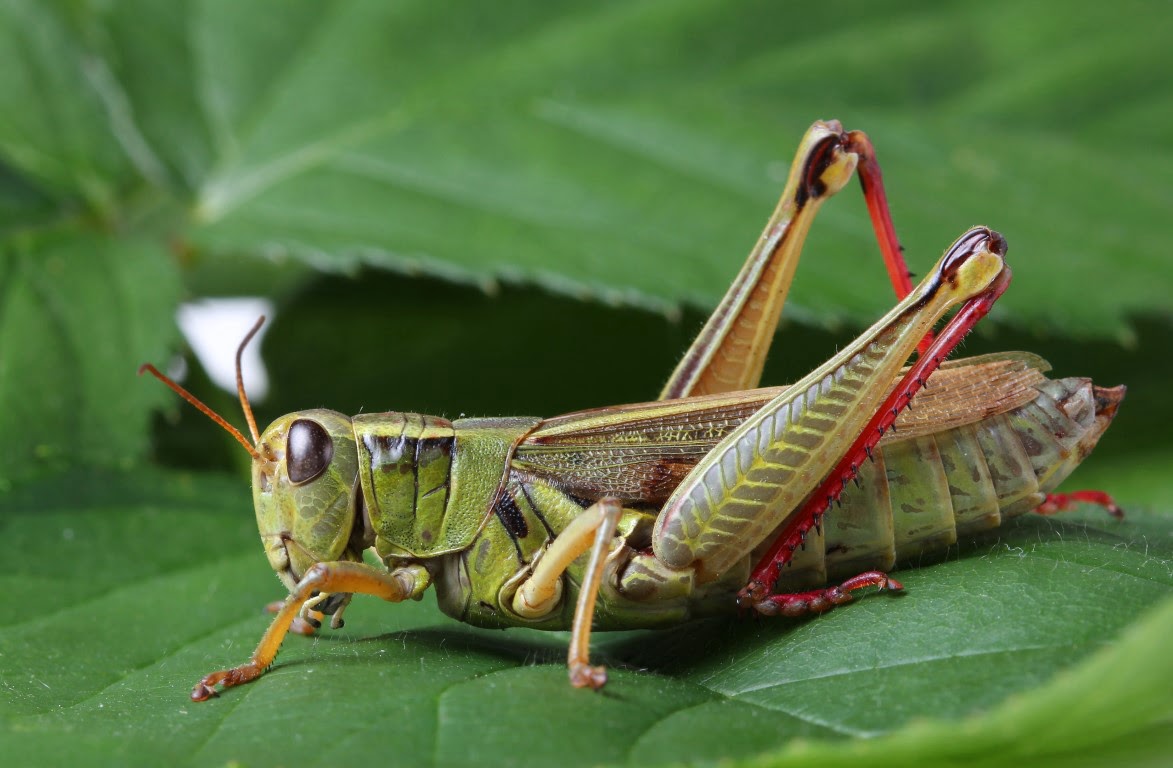
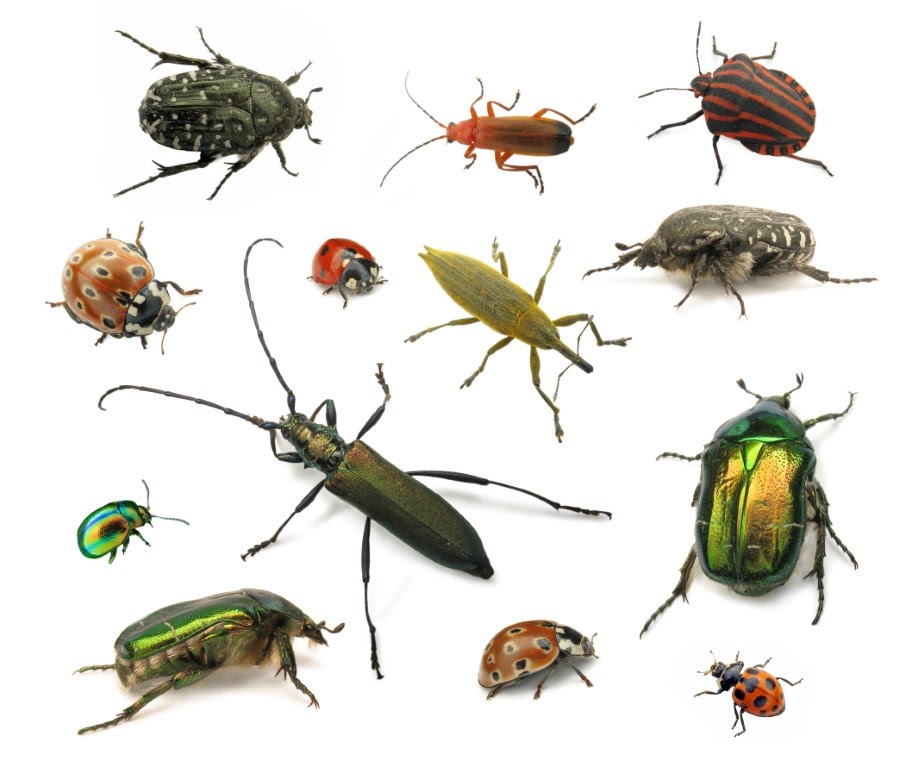
Six-legged creatures may be small, but they quietly shape the world we live in. Insects and other six-legged life-forms are found almost everywhere on Earth, from city sidewalks to mountain peaks and tropical rainforests. They pollinate the food we eat, clean up waste, and even inspire new inventions. Once you start paying attention, it becomes clear that these tiny titans are powerful forces in nature.
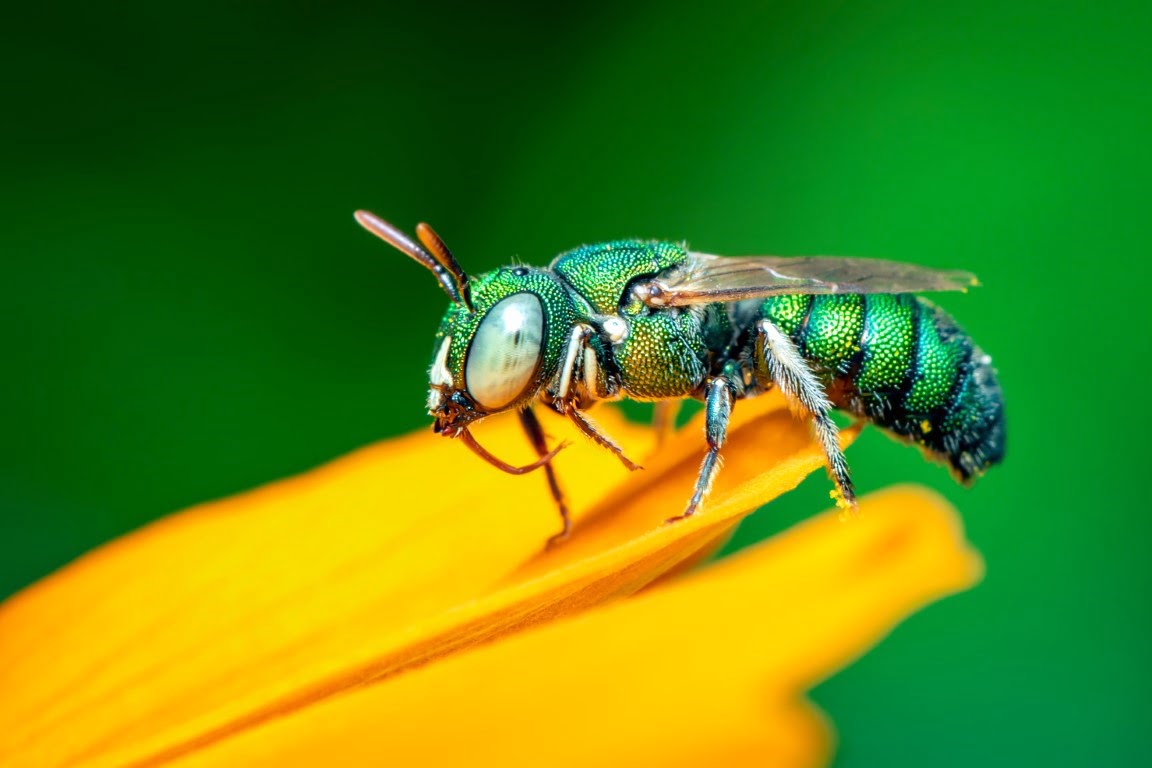
One of their most important roles is pollination. Bees are the best-known pollinators, but butterflies, moths, beetles, and even some flies help move pollen from flower to flower. Without them, many fruits, vegetables, and nuts would not grow. Almonds, apples, blueberries, and countless other crops depend on these busy workers. When you bite into a juicy piece of fruit, you are often enjoying the result of thousands of tiny visits by six-legged gardeners.
These creatures are also the planet’s cleanup crew. Dung beetles roll and bury animal droppings, recycling nutrients back into the soil. Carrion beetles, ants, and fly larvae break down dead animals and plants. Without these recyclers, the world would quickly fill with rotting material, and vital nutrients would be locked away instead of returning to support new life.
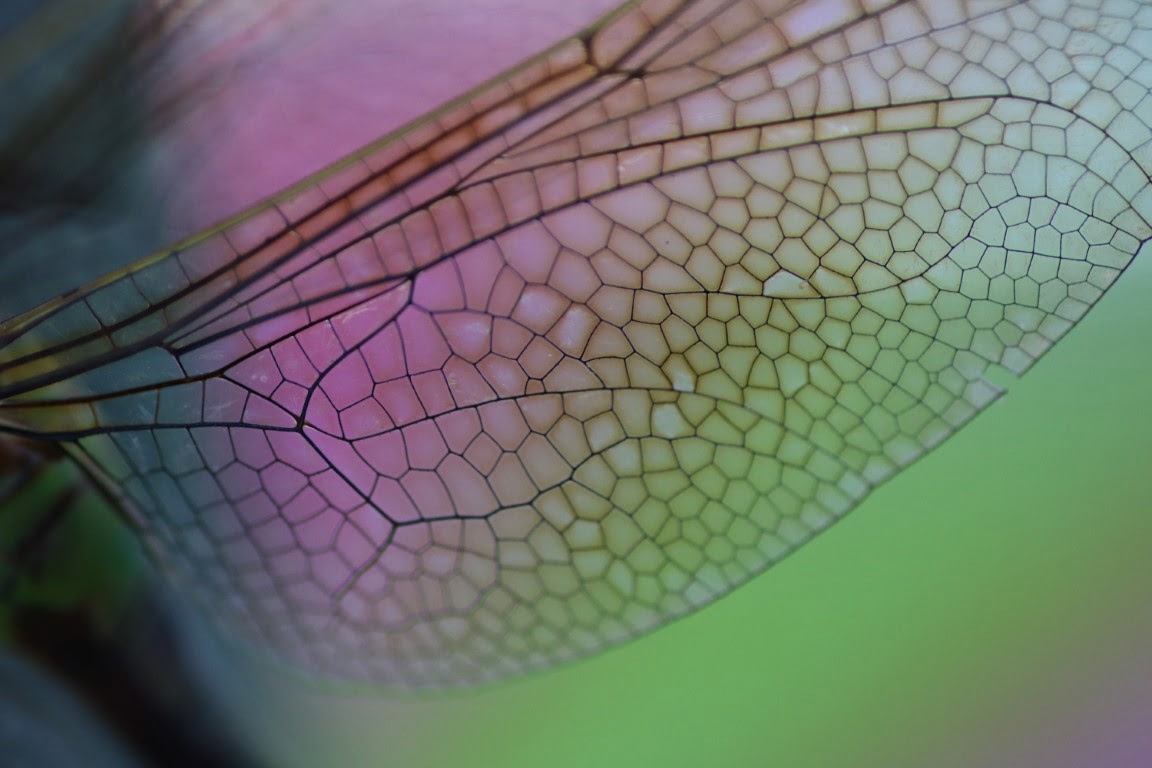
Many six-legged animals are record breakers. Some beetles can lift many times their own body weight. Certain ants build complex underground cities with tunnels, storage rooms, and nurseries. Dragonflies are among the most skilled fliers on the planet, able to hover, dart sideways, and snatch prey in midair with remarkable accuracy. Fleas can jump distances that would be like a human leaping over a tall building.
Their survival tricks can be just as impressive. Stick insects and leaf insects disappear against branches and foliage, using camouflage to hide from predators. Some caterpillars resemble bird droppings or twigs, while others flash bright colors to warn that they are poisonous. There are even insects that mimic ants or wasps to gain protection by looking dangerous, even when they are harmless.
Six-legged societies can rival human cities in complexity. Ant and termite colonies have specialized roles, from workers and soldiers to queens. They farm fungi, herd sap-sucking insects for honeydew, and wage organized wars against rival colonies. Honeybees communicate with a special dance that tells hive mates where to find flowers rich with nectar and pollen.
Scientists and engineers study these creatures closely. The structure of insect eyes has inspired new camera designs. The way beetle wings fold has influenced compact machines. Even the social organization of ants and bees has helped researchers think about traffic flow, computer networks, and robotics.
The next time you see an ant trail, a buzzing bee, or a moth at a porch light, remember that you are watching just a tiny glimpse of a vast hidden world. These six-legged marvels are not just background scenery. They are builders, farmers, recyclers, and explorers that keep ecosystems running. Learning more about them reveals how extraordinary ordinary backyard life can be.