Pocket-Sized Sunseekers: A Curious Quiz on Nature’s Smiling Marsupial
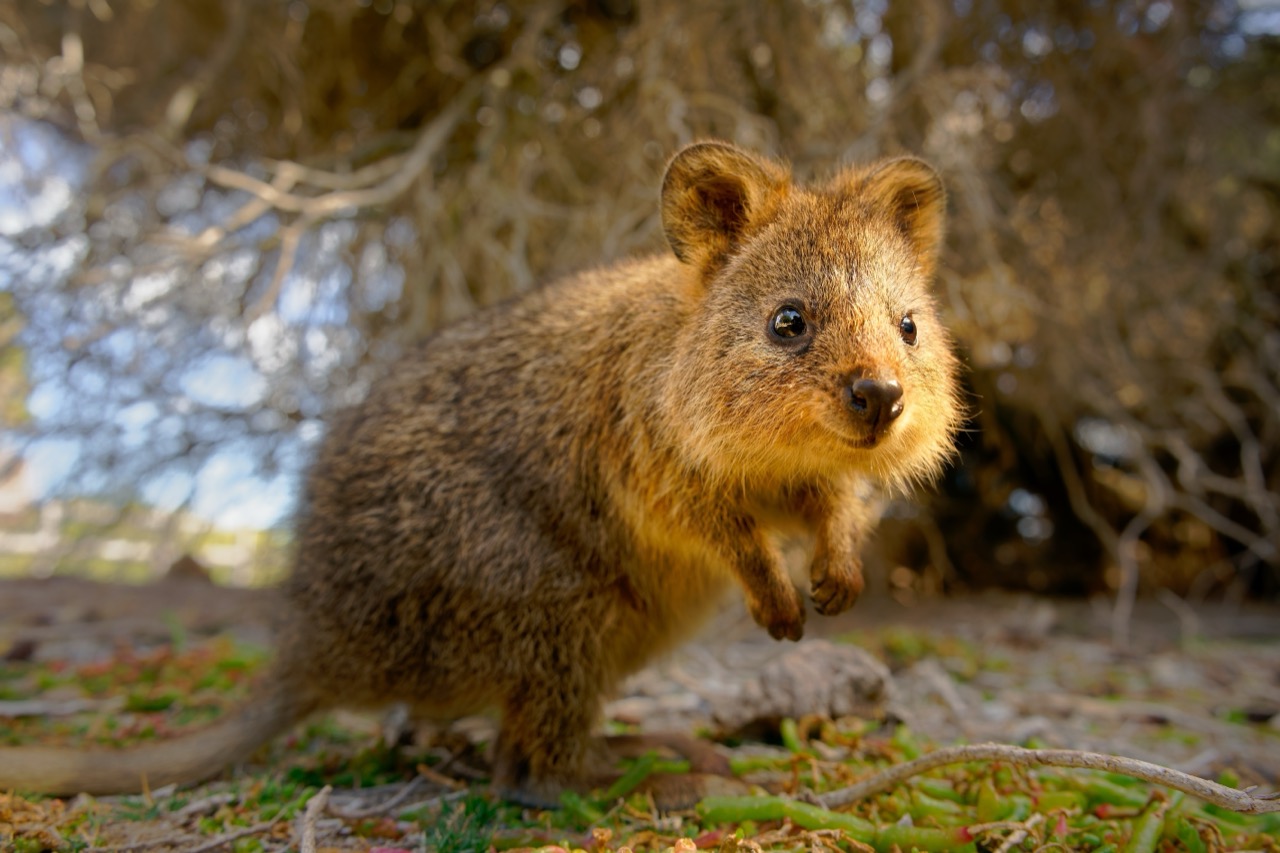
Few animals capture pure charm quite like this small, bright-eyed marsupial often nicknamed the happiest creature on Earth. This quiz explores the surprising reality behind that famous grin, from habitat and diet to behavior and conservation. Expect questions that reveal how this animal survives harsh summers, raises its young, and interacts with people who flock to see it. Along the way, you will uncover quirky facts about its nighttime lifestyle, unusual parenting tactics, and the reasons it should never be treated like a cuddly toy. Photography, social media, and tourism have turned this creature into a global icon, but its island and mainland homes still face serious environmental challenges. Use this trivia session to test what you know, pick up new insights, and see how much there is to learn about one of the planet’s most photogenic wild residents.
1
How does this species usually move when traveling on the ground?
2
Which habitat best describes its preferred natural environment?
3
What is the main component of this animal’s natural diet?
4
Which of the following best describes its typical social structure in the wild?
5
What is a key reason wildlife authorities discourage people from feeding this animal human snacks?
6
What is the typical number of young raised at one time by a female of this species?
7
This animal is primarily active during which time of day?
8
What type of animal is this grin-faced creature from a biological classification perspective?
9
What is the current conservation status of this species according to the IUCN Red List?
10
On which Australian state’s offshore islands is this small smiling marsupial most famously found in the wild?
0
out of 10
Quiz Complete!
Pocket-Sized Sunseekers: The Real Life of Nature’s Smiling Marsupial
There is a small Australian marsupial that has become a global celebrity thanks
to its round face, bright eyes, and upturned mouth that looks like a permanent
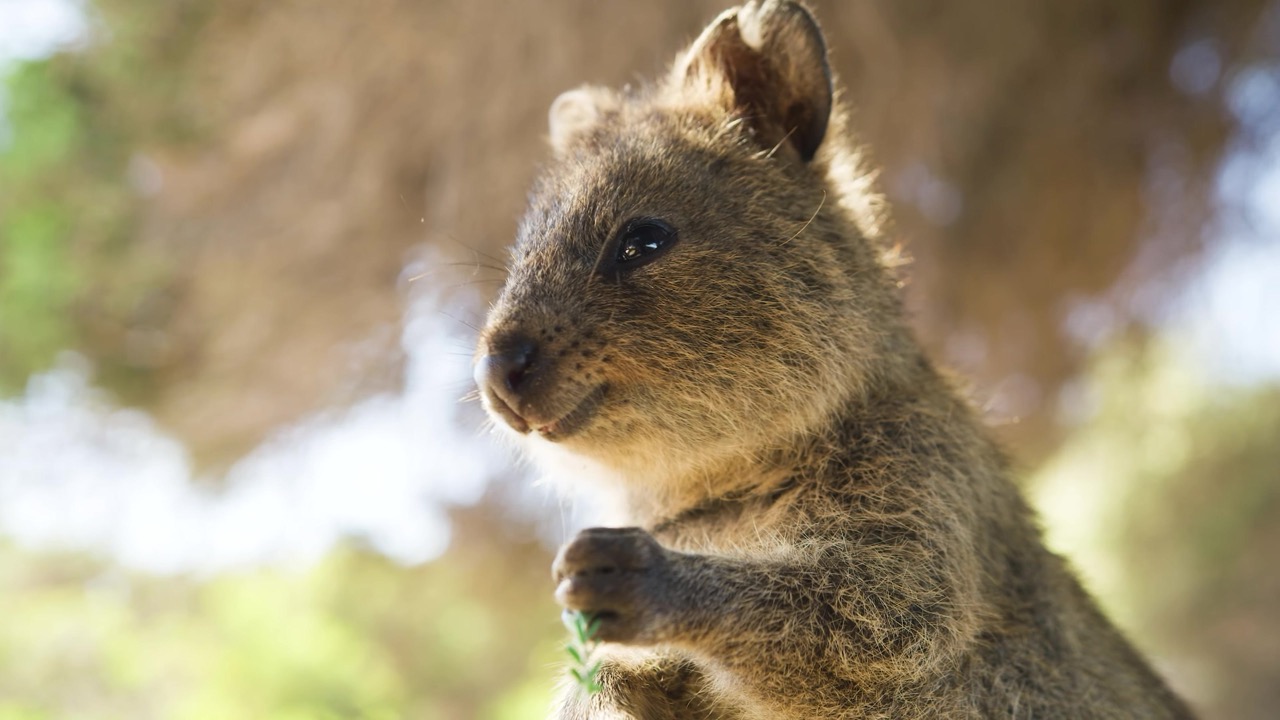
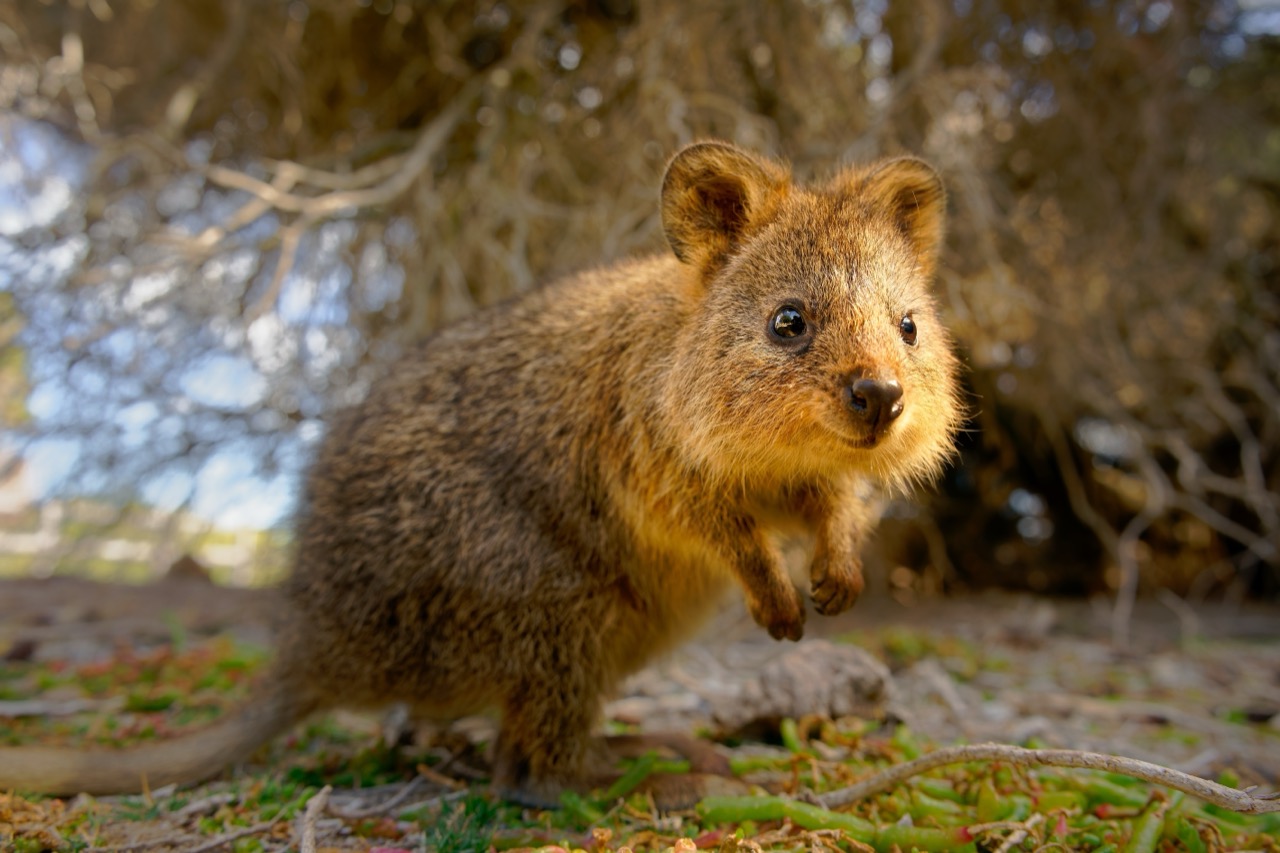
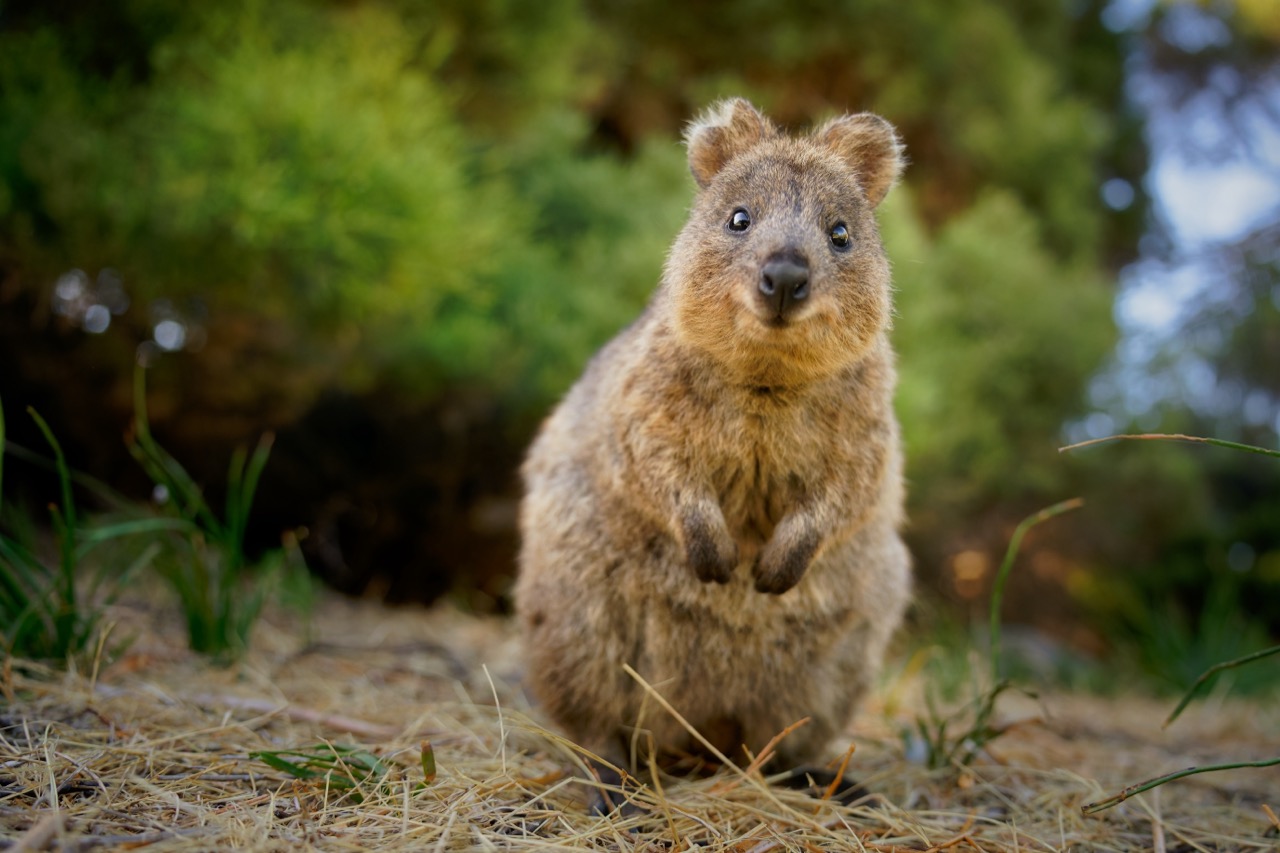
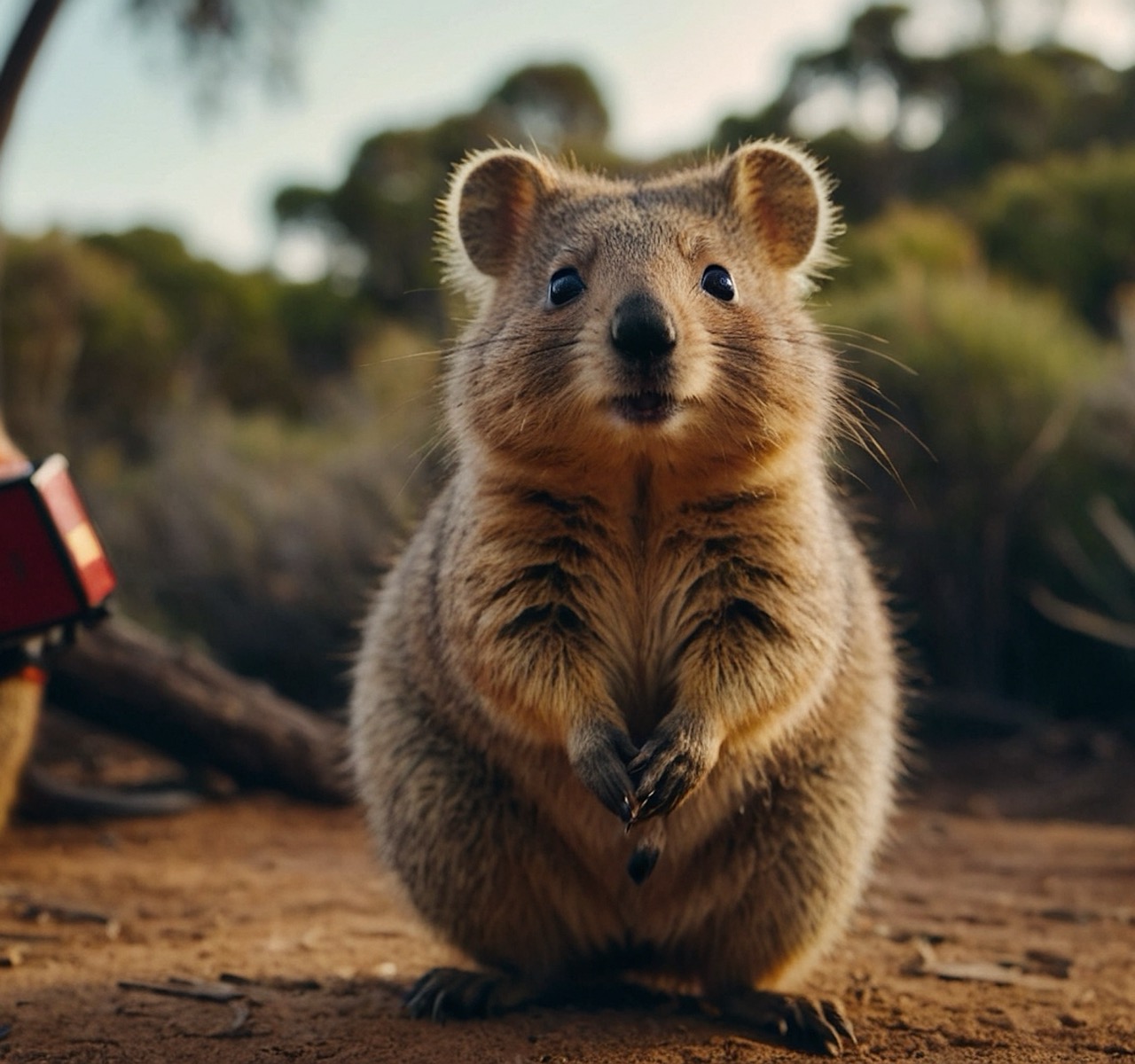
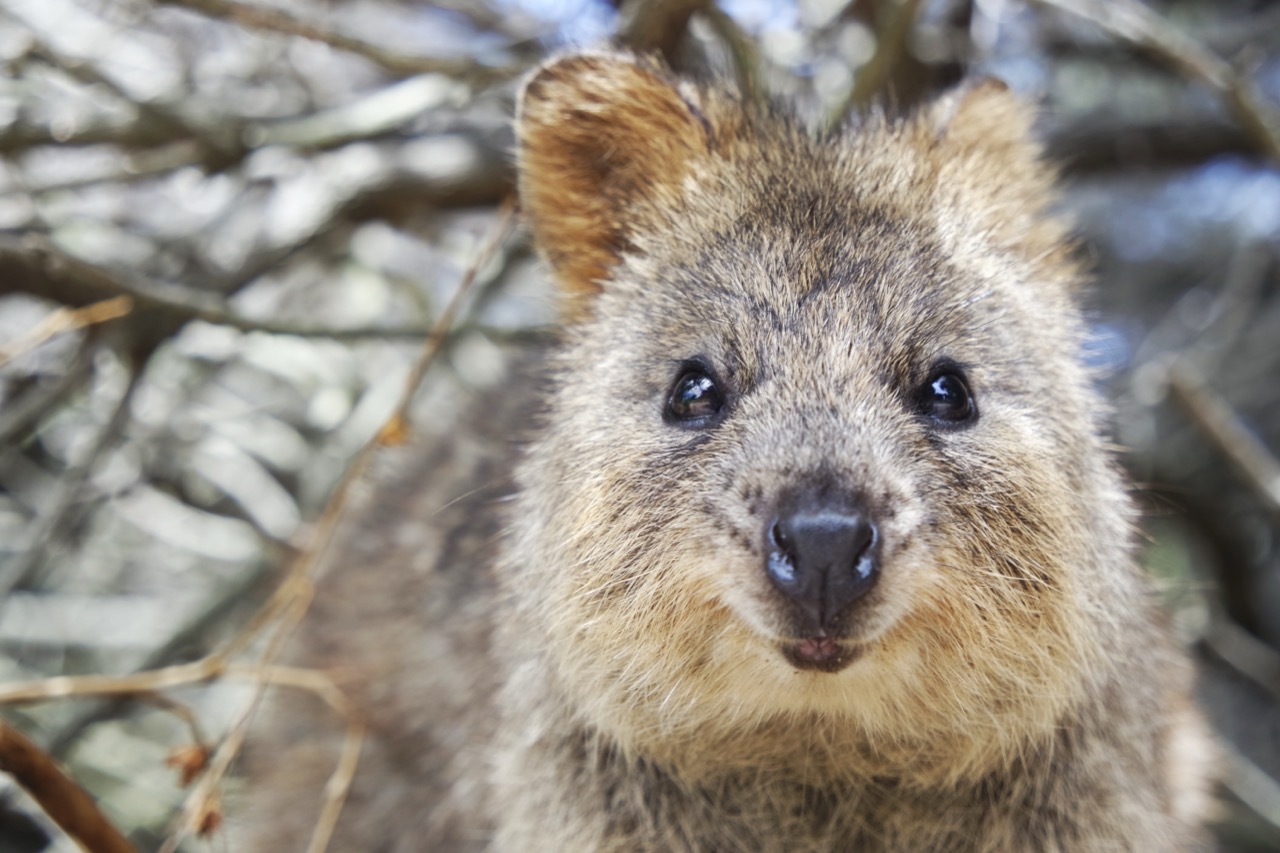
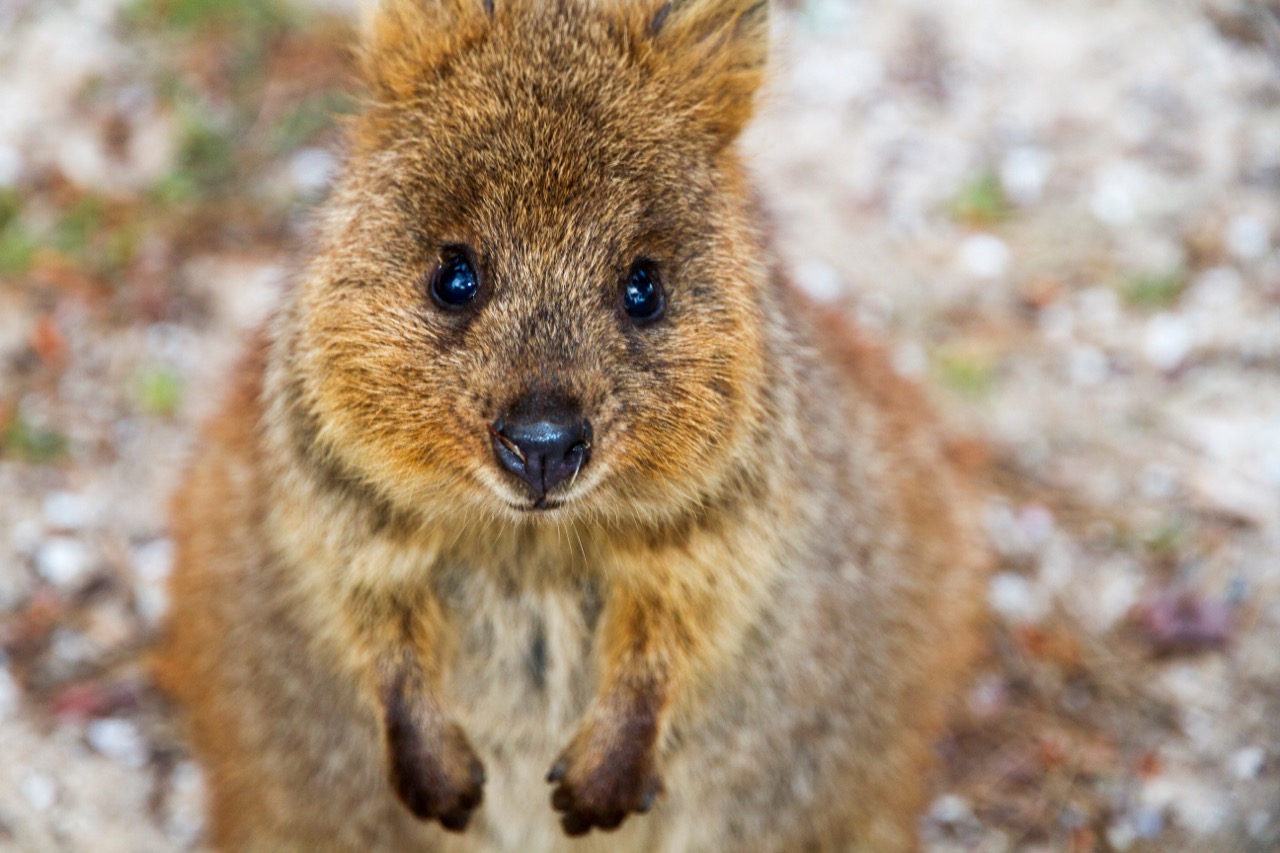
smile. This animal is the quokka, often called the happiest creature on Earth.
While its expression has charmed millions in photos and social media posts, the
real story of the quokka is far more complex and interesting than a cute grin.
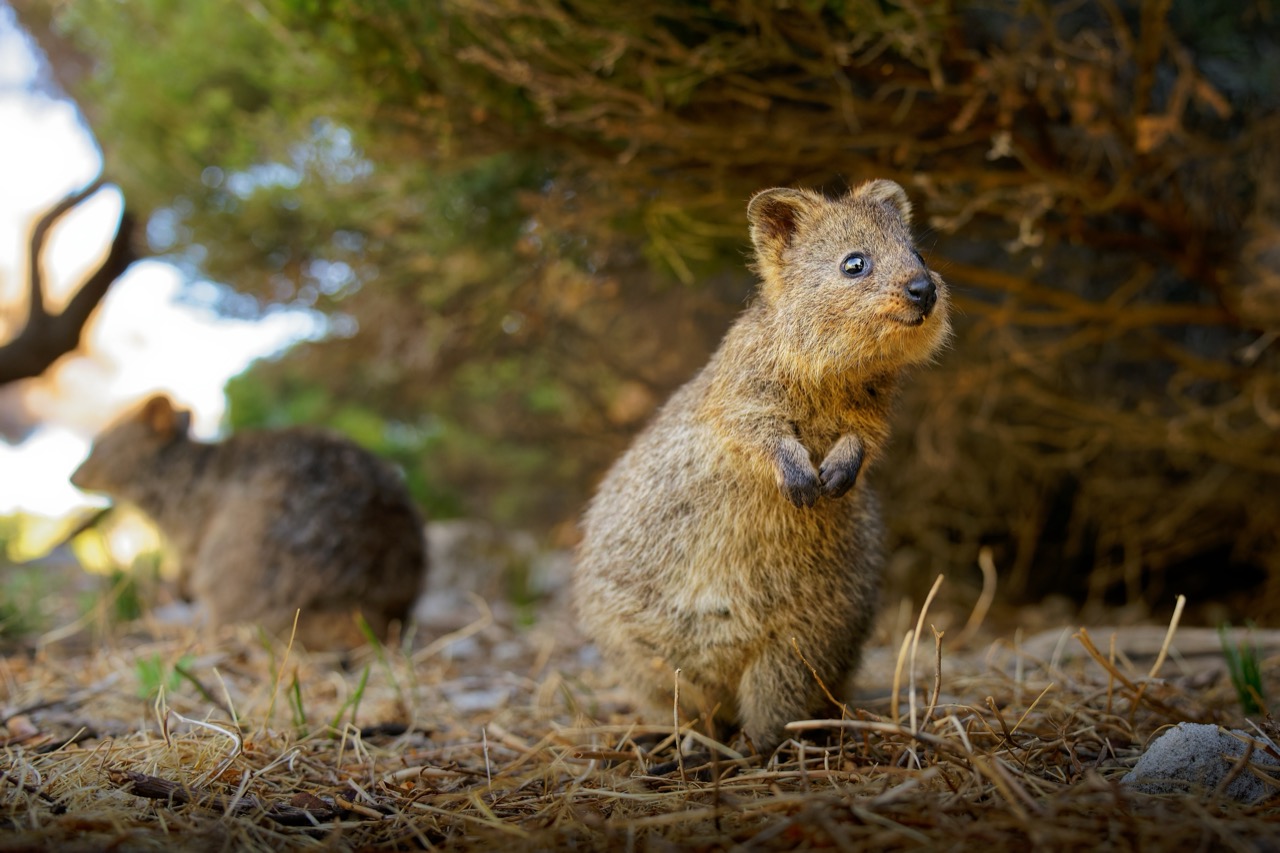
Quokkas are about the size of a domestic cat, with short, rounded ears, a
compact body, and a long, thin tail. They are most famously found on Rottnest
Island off the coast of Western Australia, where they live in large numbers and
are relatively used to people. Smaller populations also survive on a few other
islands and in limited areas on the mainland, usually in dense vegetation that
offers shade and hiding places.
Despite their sunny reputation, quokkas live in a tough environment. Summers can
be hot and dry, so they depend on thick undergrowth, shrubs, and sometimes
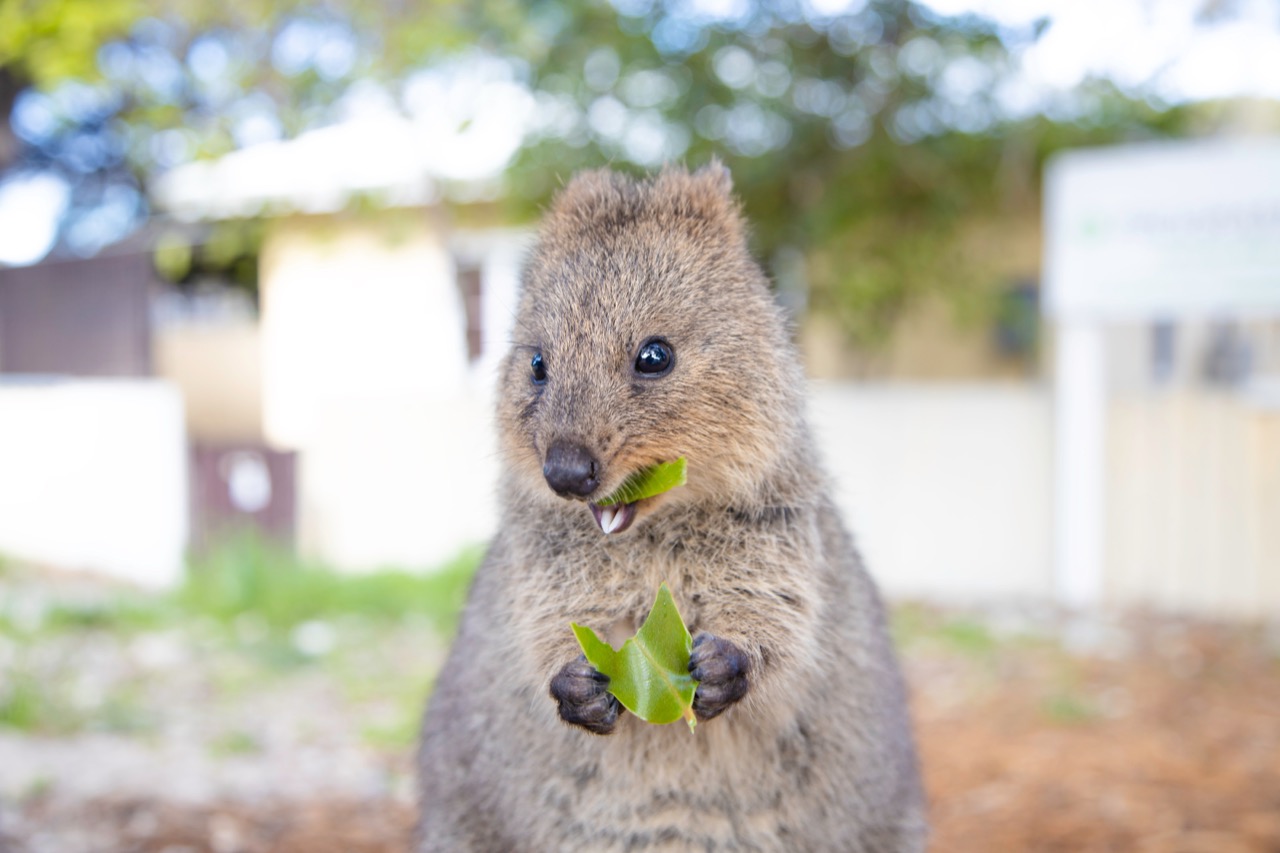
wetlands to stay cool and find food. They are herbivores, feeding mainly on
grasses, leaves, and stems. Because water can be scarce, they have adapted to
get much of their moisture from plants and to conserve water efficiently.
Quokkas are mostly nocturnal. During the day, they rest in sheltered spots to
avoid heat and predators. At night, they venture out to feed, often following
well-worn paths through the vegetation. Their social behavior is relaxed; they
can be seen in loose groups, especially around good feeding areas, but they are
not strongly territorial in the way some other mammals are.
As marsupials, quokkas raise their young in a pouch. After a short pregnancy, a
tiny, underdeveloped joey crawls into the mother’s pouch, where it continues
to grow and nurse for several months. One of the more startling facts about
quokka parenting is their survival strategy under extreme stress. In
life-or-death situations, a mother may abandon or lose her joey as she tries to
escape a predator. This has sometimes been misrepresented as deliberately
throwing the baby, but it is really a desperate response to danger, not a
playful or casual act.
Human fascination with quokkas has exploded in recent years, especially through
photography and social media. Tourists flock to Rottnest Island to take
so-called quokka selfies, drawn by the animal’s photogenic face. However,
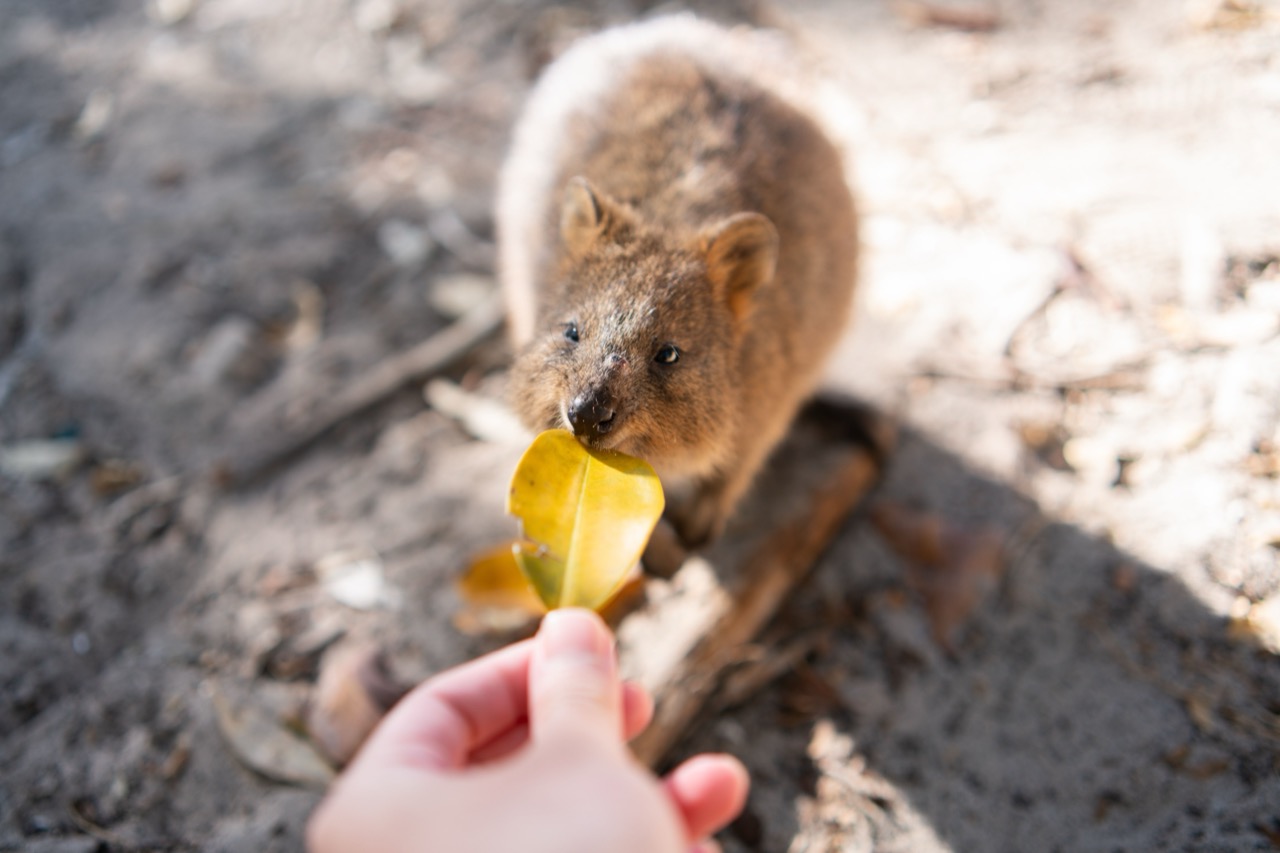
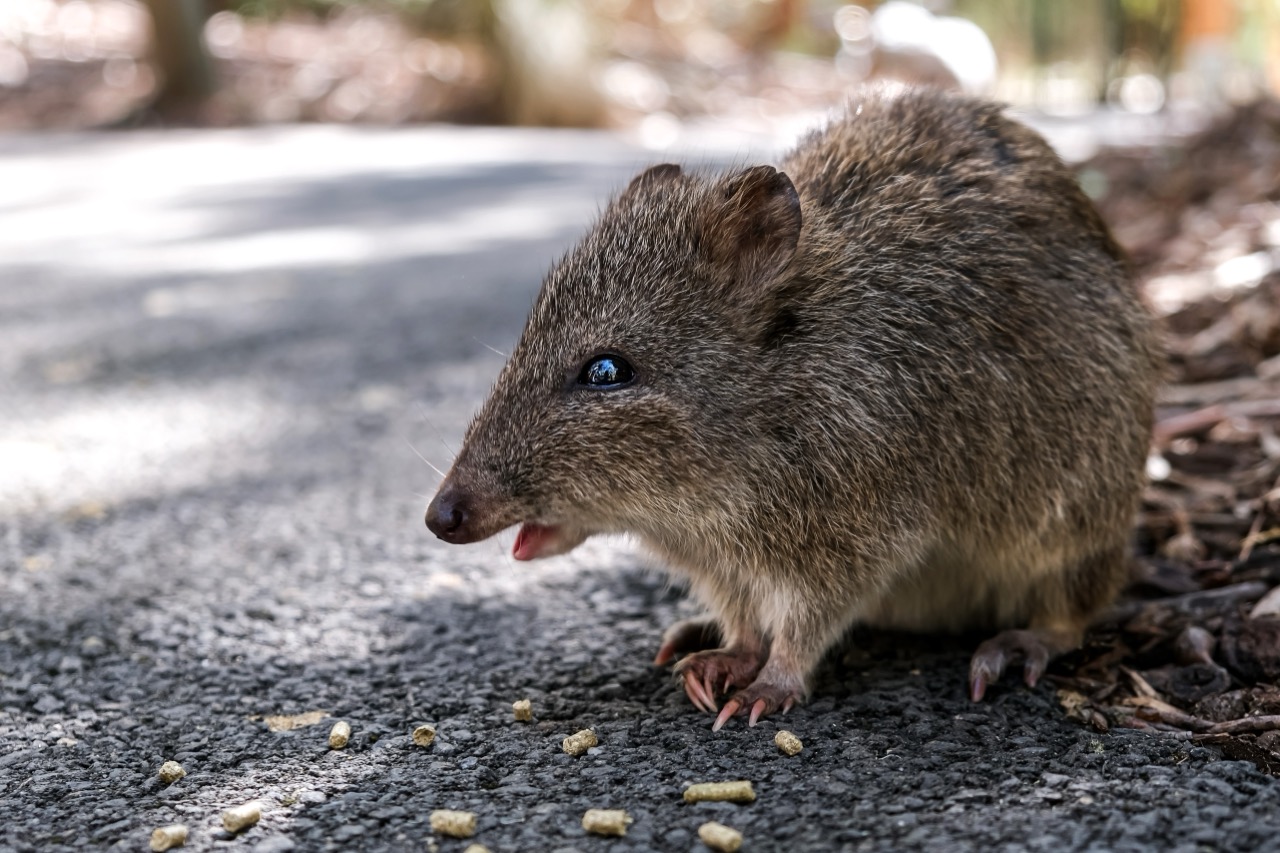
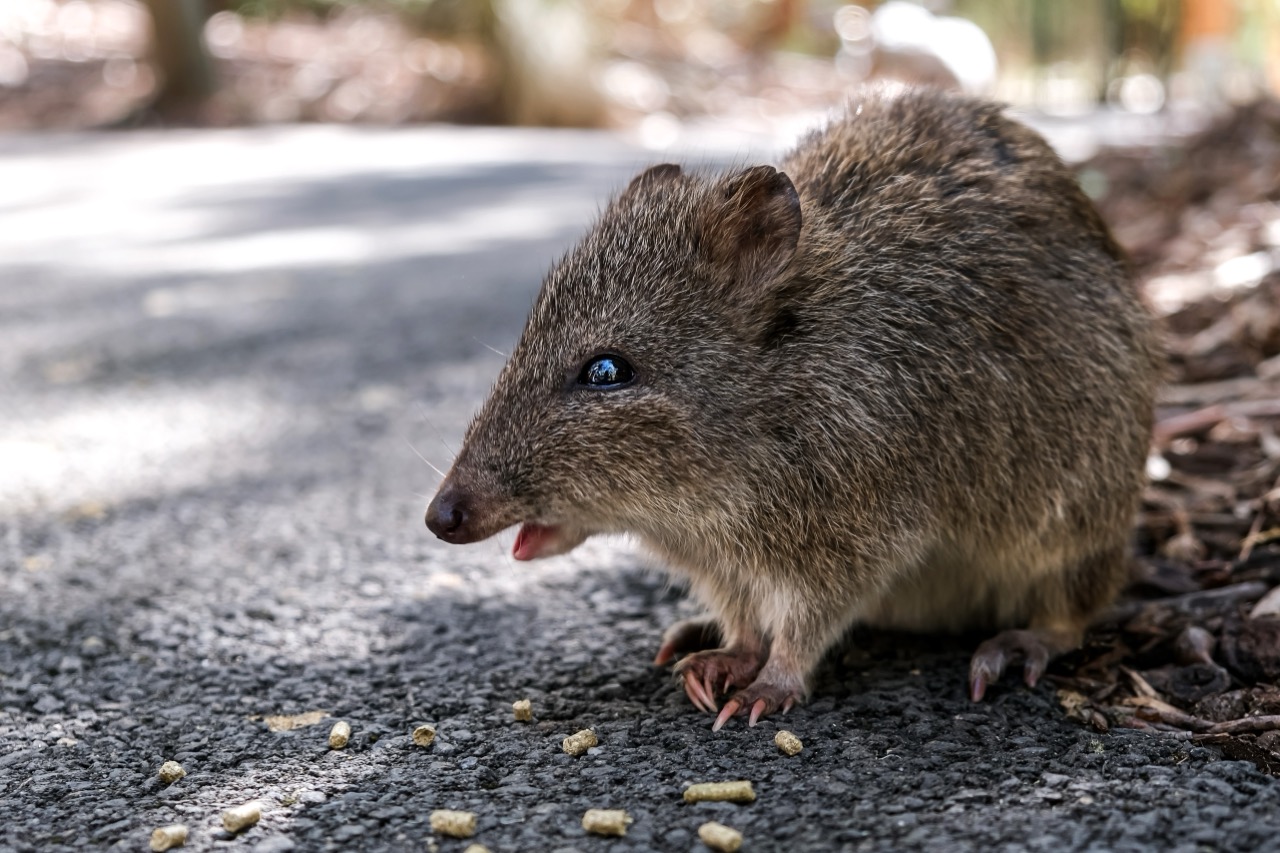
quokkas are wild animals, not toys or pets. Feeding them human food can make
them sick, and trying to hold or chase them causes stress. Local rules usually
require people to keep a respectful distance, avoid flash photography at close
range, and never touch or feed the animals.
Behind the cute images lie serious conservation concerns. Quokkas are vulnerable
to habitat loss from land clearing, fires, and climate change. On the mainland,
they also face threats from introduced predators like foxes and feral cats.
Protecting dense vegetation, controlling predators, and managing tourism
carefully are all essential to their survival.
Learning about quokkas through quizzes and trivia is more than just fun. It
helps people understand that this smiling marsupial is a resilient, complex
creature living in a fragile environment. Appreciating its charm is easy; the
real challenge is making sure its island and mainland homes remain safe so
future generations can see these pocket-sized sunseekers in the wild.