Sidekicks, Stunts, and Secret Identities Trivia



Quiz Complete!
Sidekicks, Stunts, and Secret Identities: The Hidden Craft of Superhero Stories

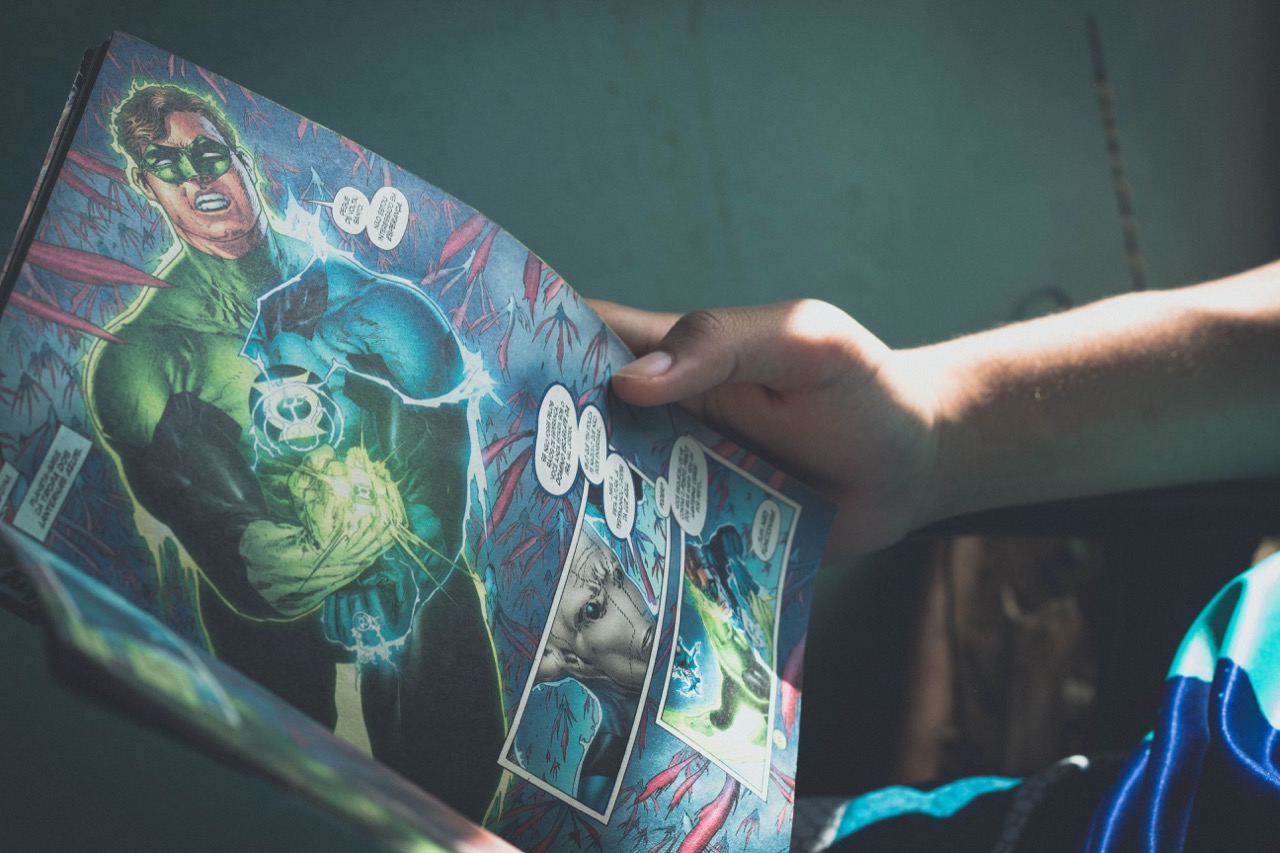
Superhero movies and comics are built on a simple promise: anyone could be extraordinary, as long as they can keep it together long enough to save the day. Yet the most memorable moments often come from what’s hidden rather than what’s shouted. Secret identities, sidekicks, practical stunts, and tiny props can carry as much storytelling weight as a planet-sized beam in the sky. If you enjoy trivia, it’s usually because you can sense there’s a second story happening underneath the first one.
Secret identities started as more than a gimmick. In early comics, the mask wasn’t just for drama, it was a narrative engine. It created tension in everyday scenes, gave heroes something to lose, and let writers explore double lives long before “work-life balance” was a phrase. Over time, different heroes used the idea in different ways. Some protected loved ones. Others used the disguise to protect themselves from the public, the government, or even their own reputations. Modern films sometimes treat secret identities as optional, but when they do commit to the concept, it becomes a powerful tool: the hero isn’t only fighting a villain, they’re juggling relationships, jobs, and expectations, all while trying not to be found out.
Sidekicks and partners are another “hidden in plain sight” element. They’re often remembered as comic relief, but historically they served practical purposes. In comics, a younger partner gave readers someone to relate to, and it gave the main hero someone to talk to, which made exposition feel natural. In movies, sidekicks can do something even more useful: they reveal character. A hero’s choices look different when someone else is watching, questioning, admiring, or pushing back. Sometimes the sidekick becomes a mirror, showing what the hero could have been, or a warning sign of what they might become.
Casting and actor crossovers are a trivia gold mine because superhero storytelling is now a shared cultural language. Actors jump between franchises, sometimes playing heroes in one universe and villains in another, or appearing in a brief cameo that only makes sense if you know their earlier role. These choices can be playful nods, but they also shape how we read a character. A familiar face brings baggage, and filmmakers can use that to their advantage, leaning on audience expectations or flipping them for surprise.
Then there’s the craft of stunts and effects, where the best work often disappears because it looks effortless. Before digital tools were everywhere, filmmakers relied on wire work, miniatures, forced perspective, makeup, and carefully timed pyrotechnics. Even now, many productions blend practical and digital effects, using real costumes, real sets, and real stunt performers to keep movement grounded. A well-designed suit is not just clothing; it affects how an actor moves, fights, and even breathes. Practical props matter too. A scratched emblem, an old newspaper clipping on a wall, or a battered gadget can quietly communicate history without a single line of dialogue.
Comic lore adds another layer of hidden storytelling. First appearances, retcons, and “it was canon all along” revelations can sound ridiculous until you realize comics have been running long enough to reinvent themselves repeatedly. A character may debut in a small role, vanish for years, then return with a new identity that becomes iconic. Films borrow from these deep cuts, sometimes adapting a famous storyline, other times lifting a single detail, like a name on a file folder or a color scheme that signals a particular era.
The fun of this kind of trivia is that it trains you to watch differently. Instead of only tracking the plot, you start noticing how worlds get built: why a sidekick is present in one version but absent in another, how a stunt is framed to sell speed or power, and how a secret identity changes the emotional stakes. Superhero stories may be about saving cities, but the details are what make them feel real.