Slow-Motion Masters: The Ultimate Sloth Essentials Challenge
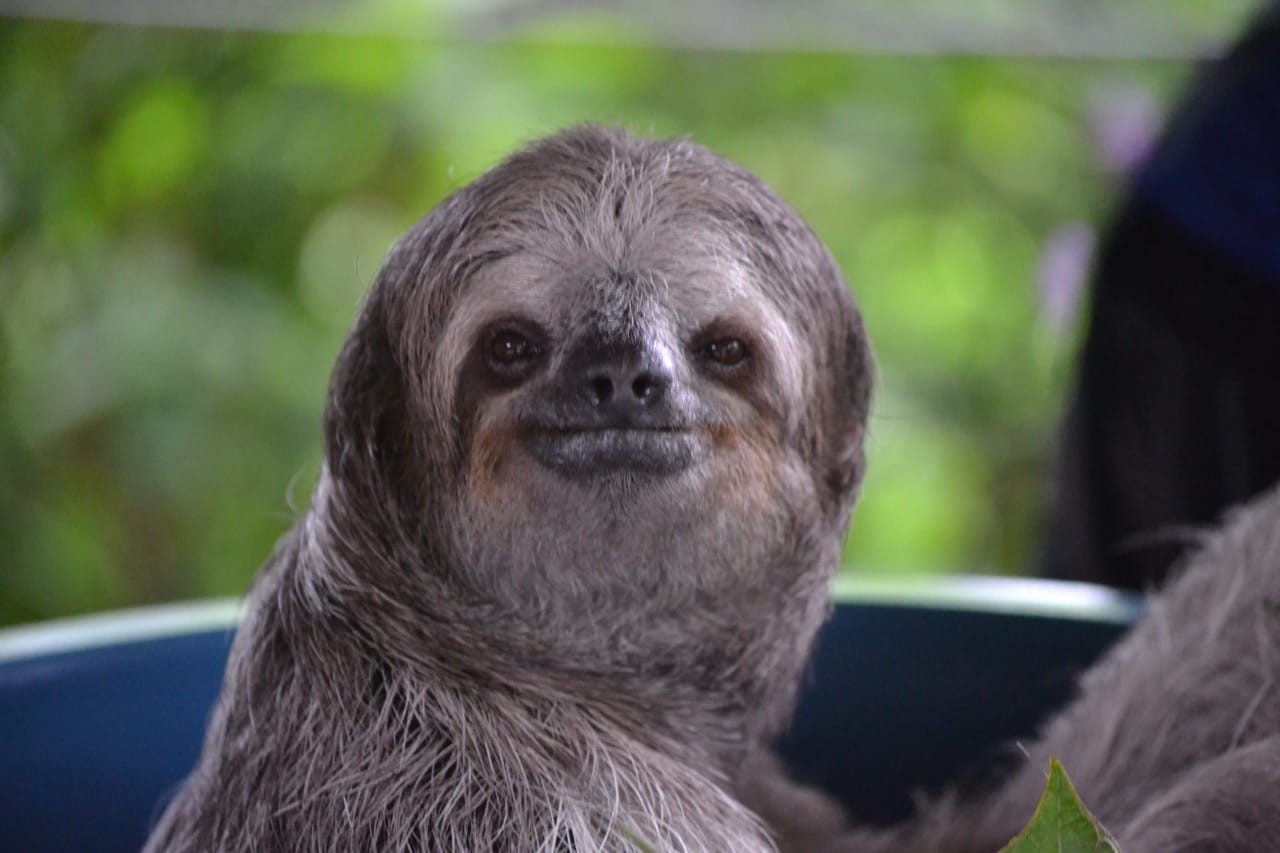
Sloths might move slowly, but their world is packed with surprising science, quirky behavior, and jungle drama. This quiz spotlights the essentials every true animal fan should know about these famously laid-back tree dwellers. From their upside-down lifestyles and unusual bathroom habits to their secret swimming skills and built-in ecosystems of algae and insects, each question uncovers a new twist in sloth biology. Expect to learn how they survive on low-energy diets, why their fur grows in the opposite direction of most mammals, and what makes their grip so incredibly strong. Along the way, you will explore the differences between two-toed and three-toed sloths, discover how they handle predators, and find out how their slow pace actually helps them stay alive. By the end, you will see that living life in the slow lane is anything but boring for a sloth.
1
Which unusual ability makes sloths surprisingly competent in water?
2
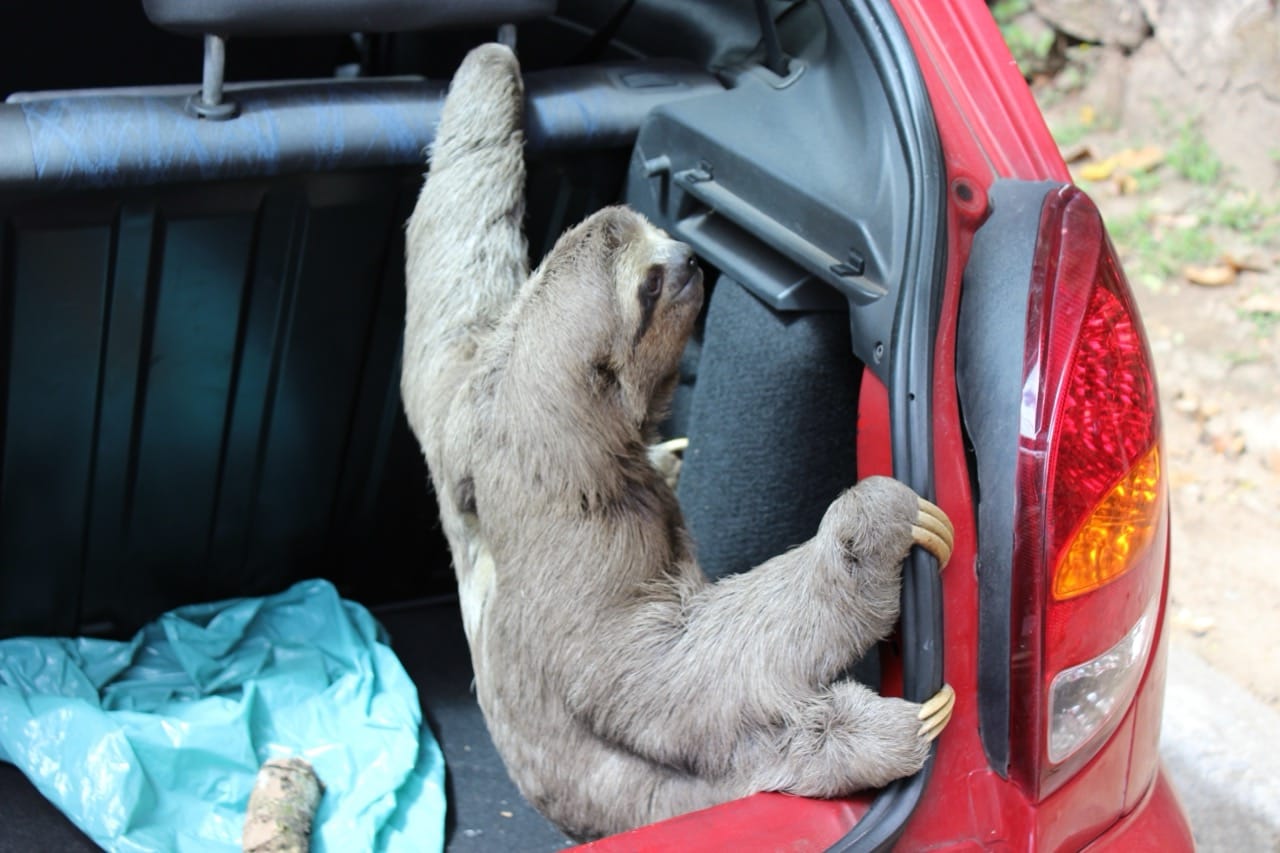
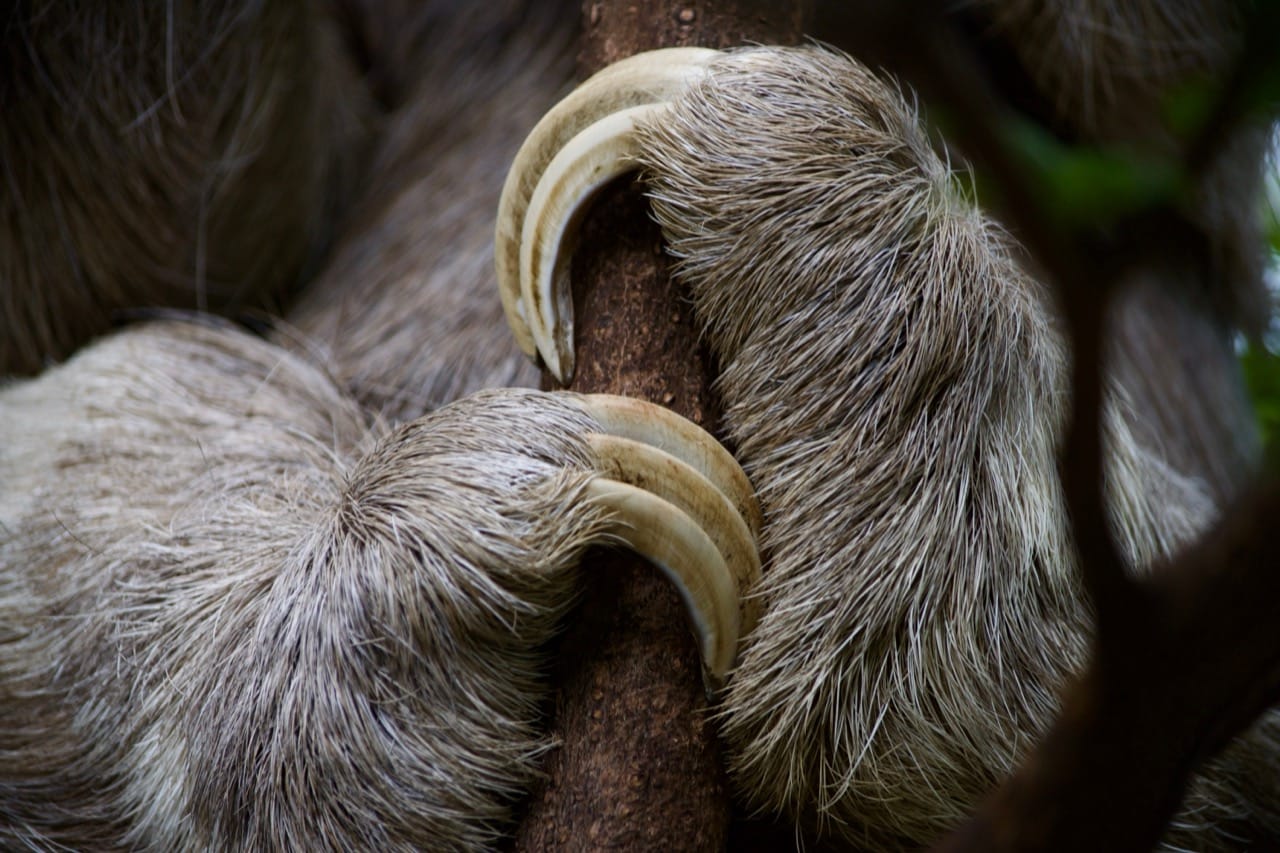
What is a major function of a sloth’s long, curved claws?
3
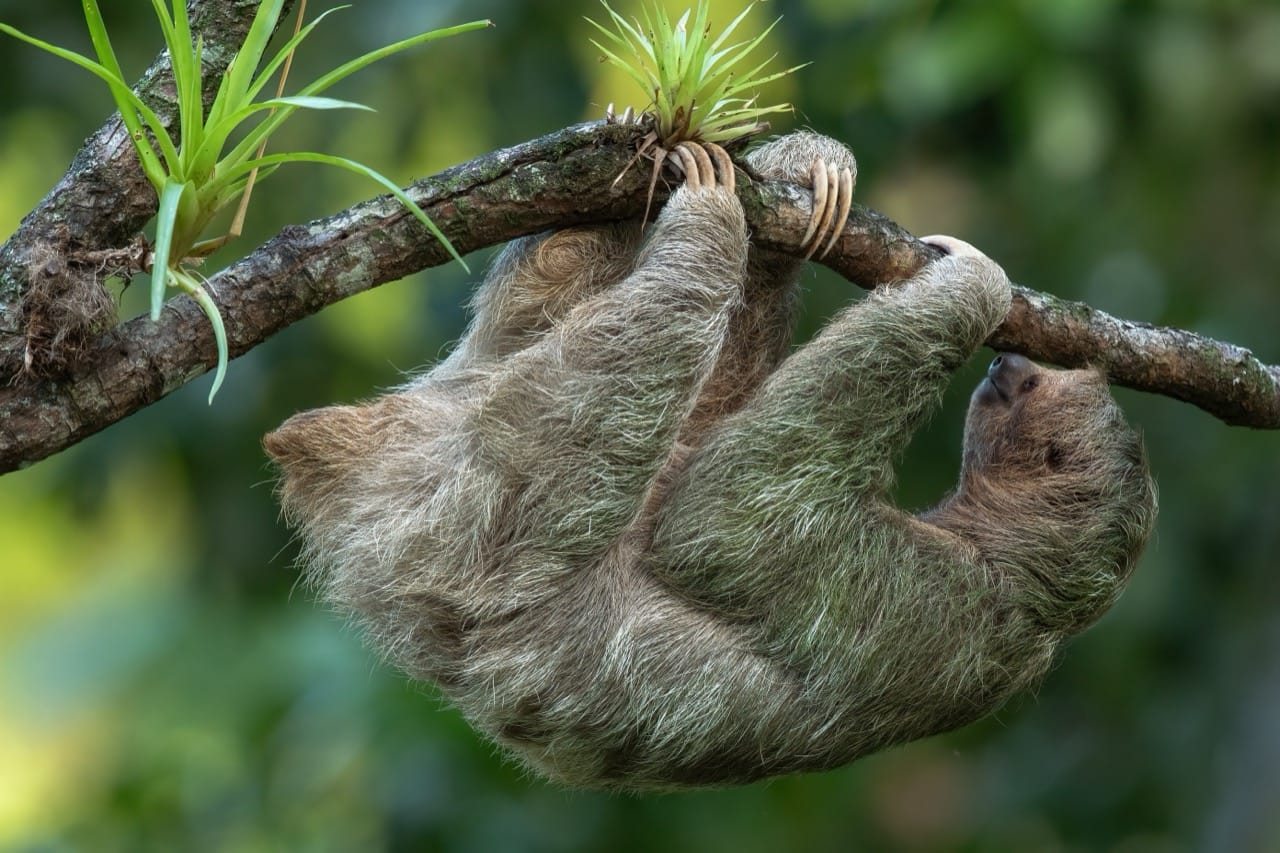
Why does sloth fur often appear green in the wild?
4
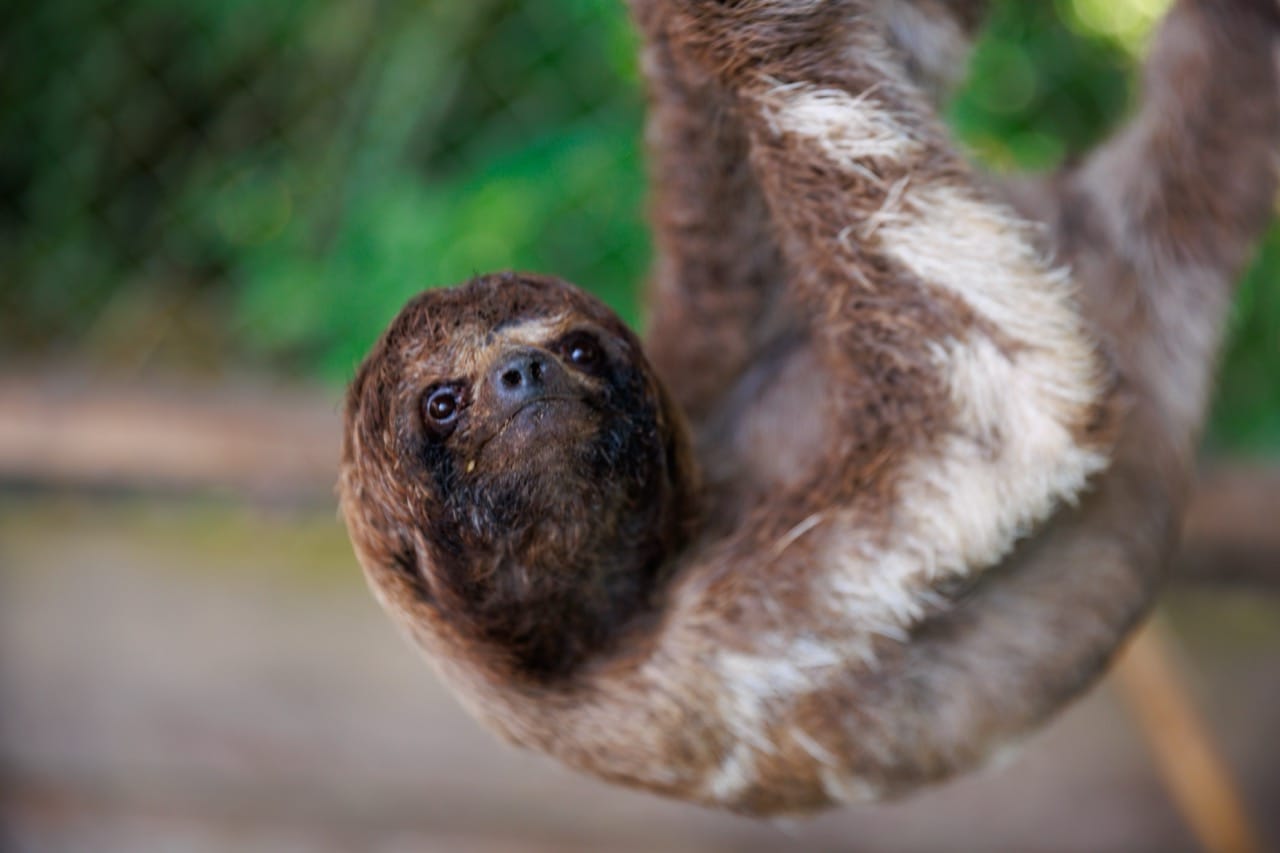
Which habitat best describes where wild sloths naturally live?
5
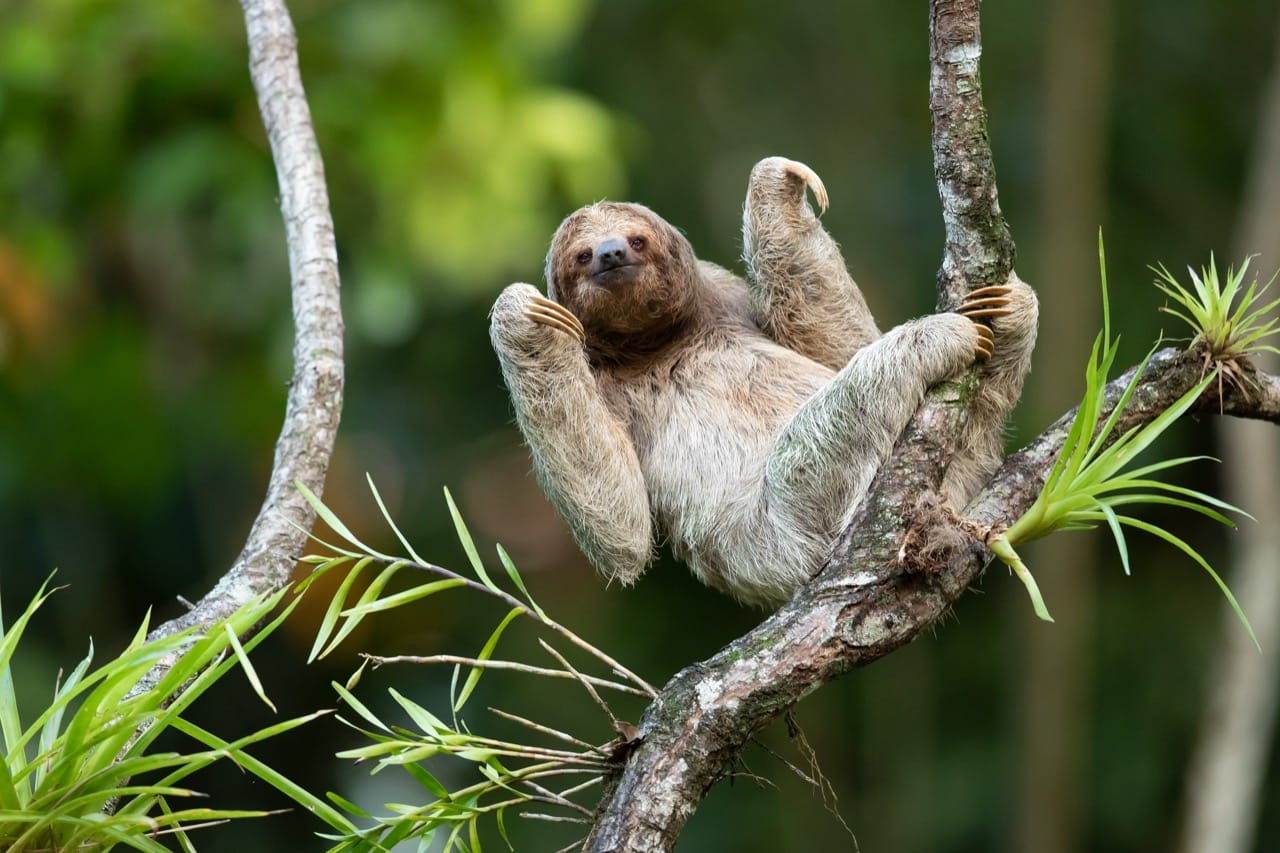
What is one key way sloths avoid detection by predators such as harpy eagles and jaguars?
6
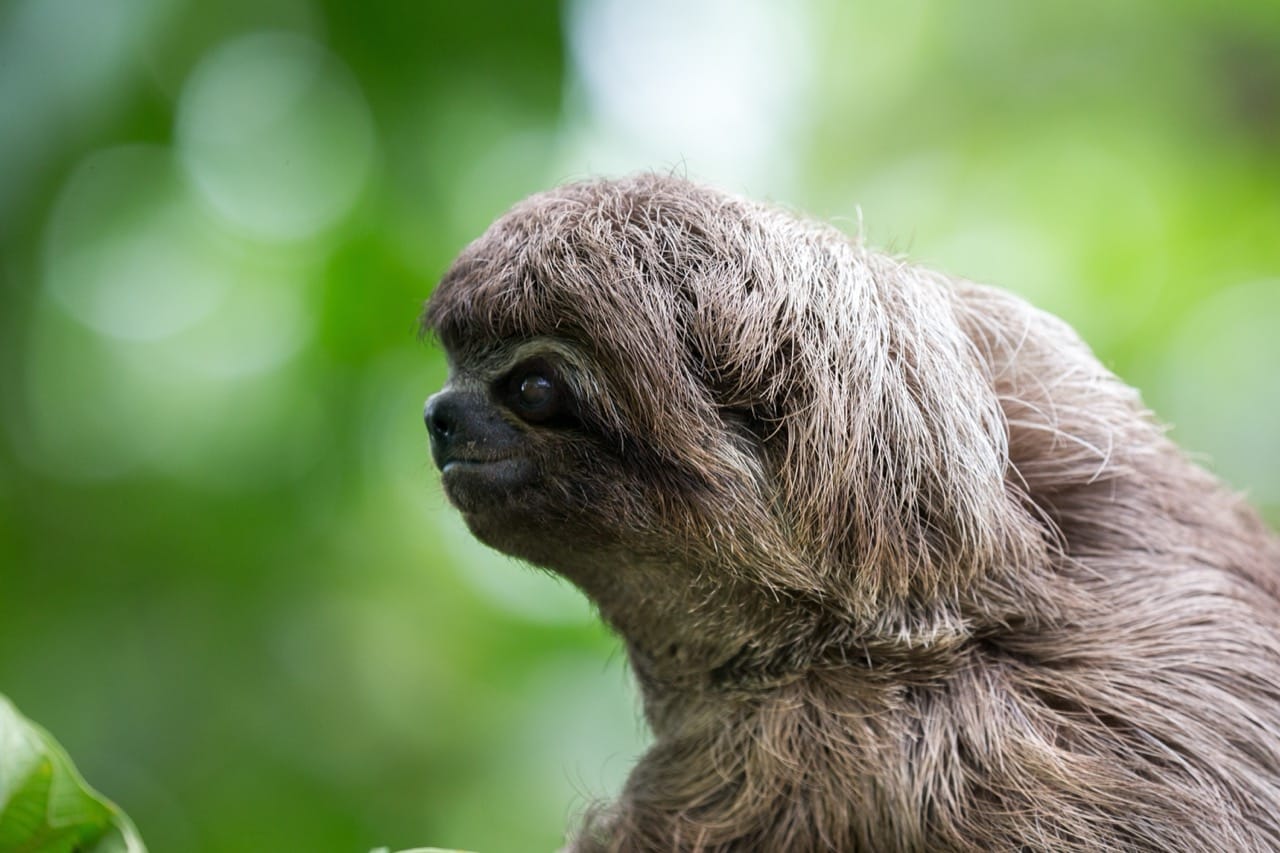
Which feature is a key difference between two-toed and three-toed sloths?
7
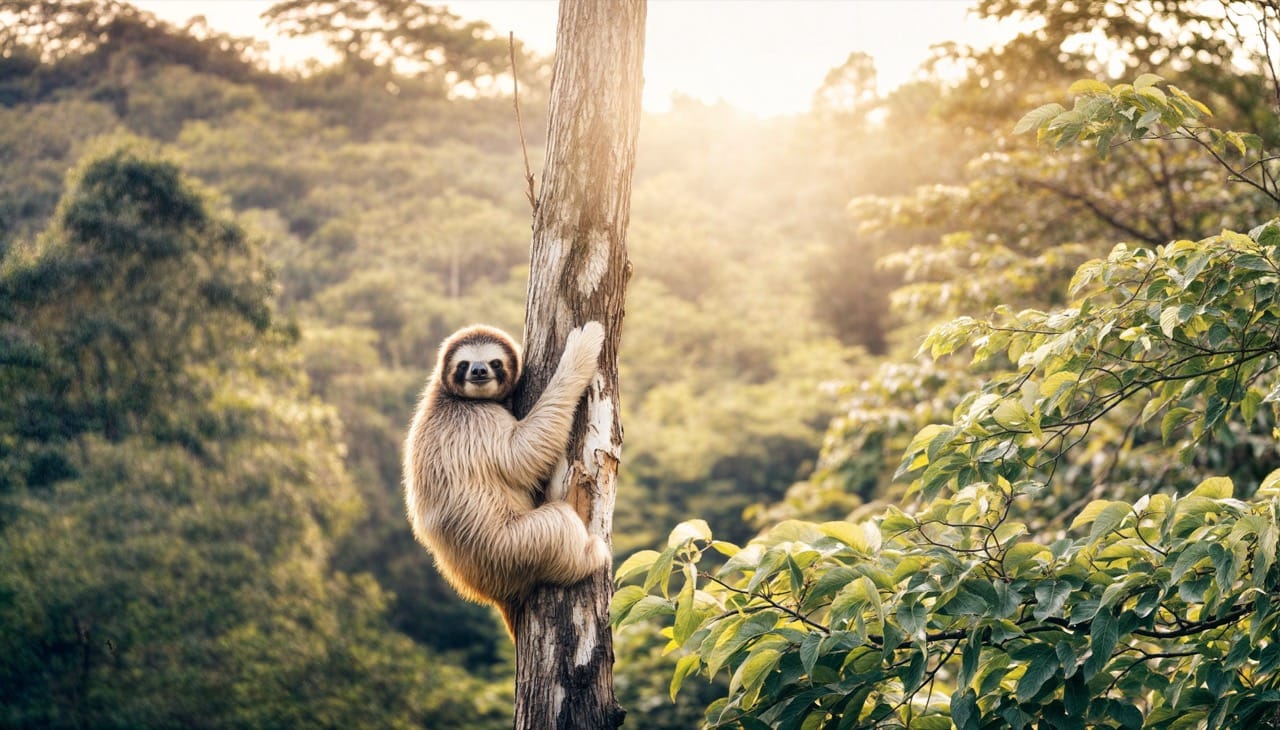
How often do most wild sloths typically come down from the trees to defecate?
8
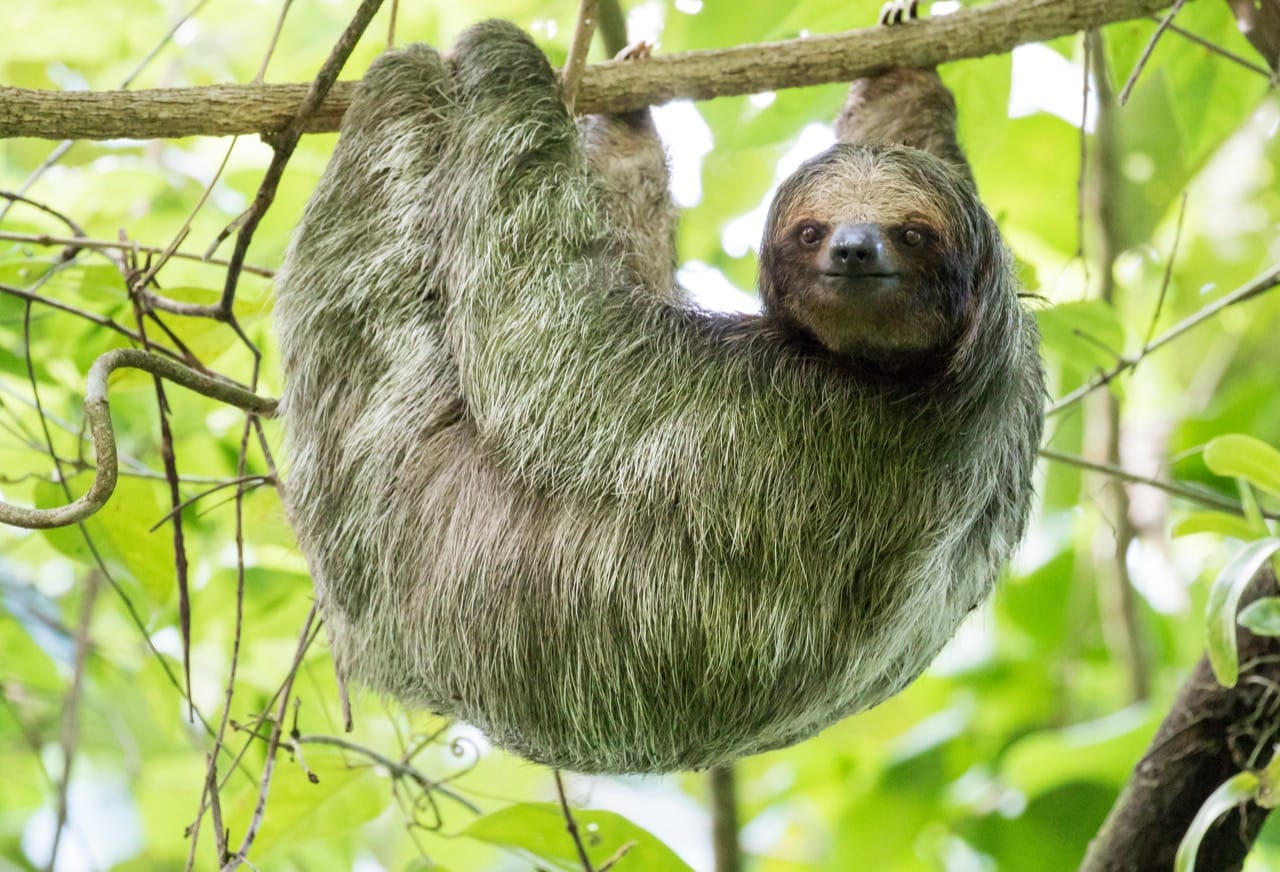
How does the direction of hair growth on a sloth’s body differ from most mammals?
9
What is the primary reason sloths move so slowly?
10
Which sense is relatively weak in sloths compared with many other mammals?
0
out of 10
Quiz Complete!
Slow-Motion Masters: Exploring the Secret Life of Sloths
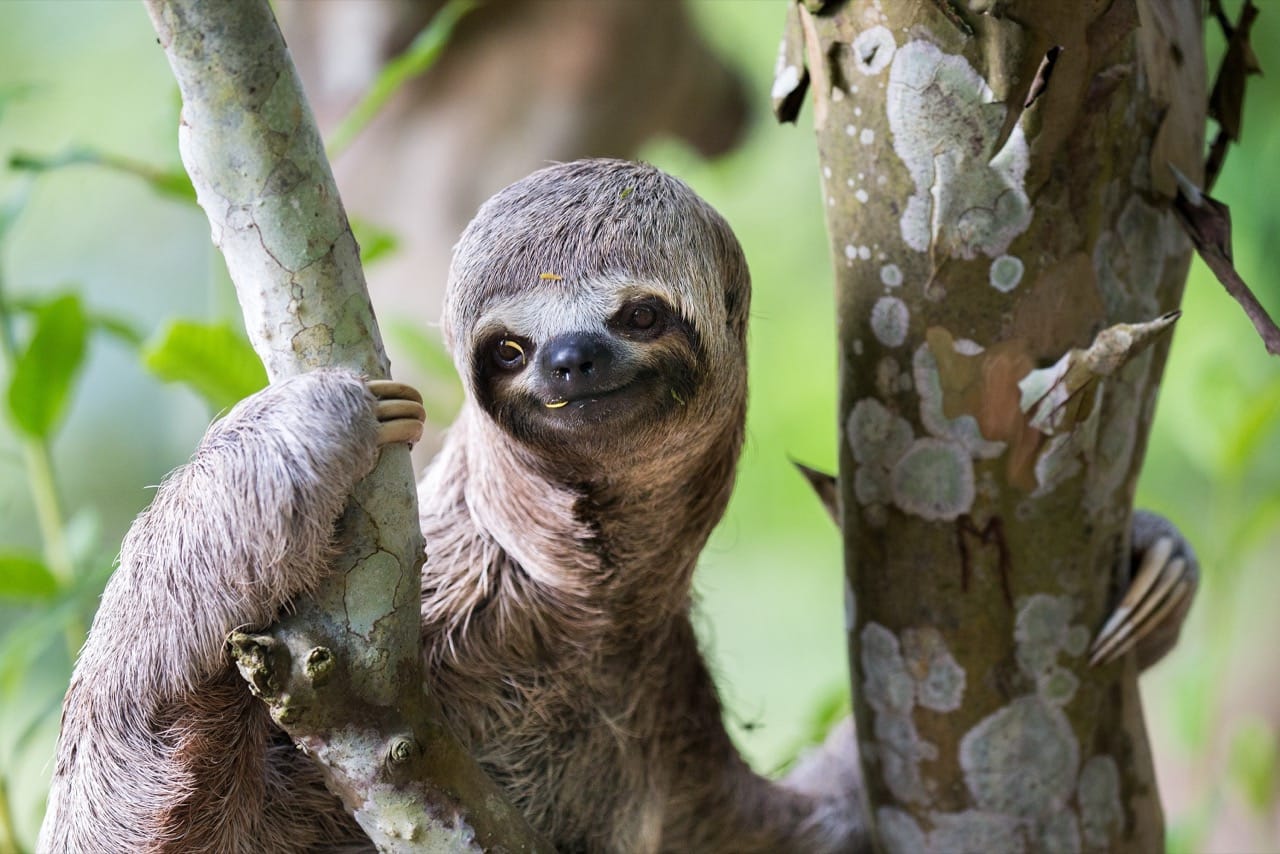
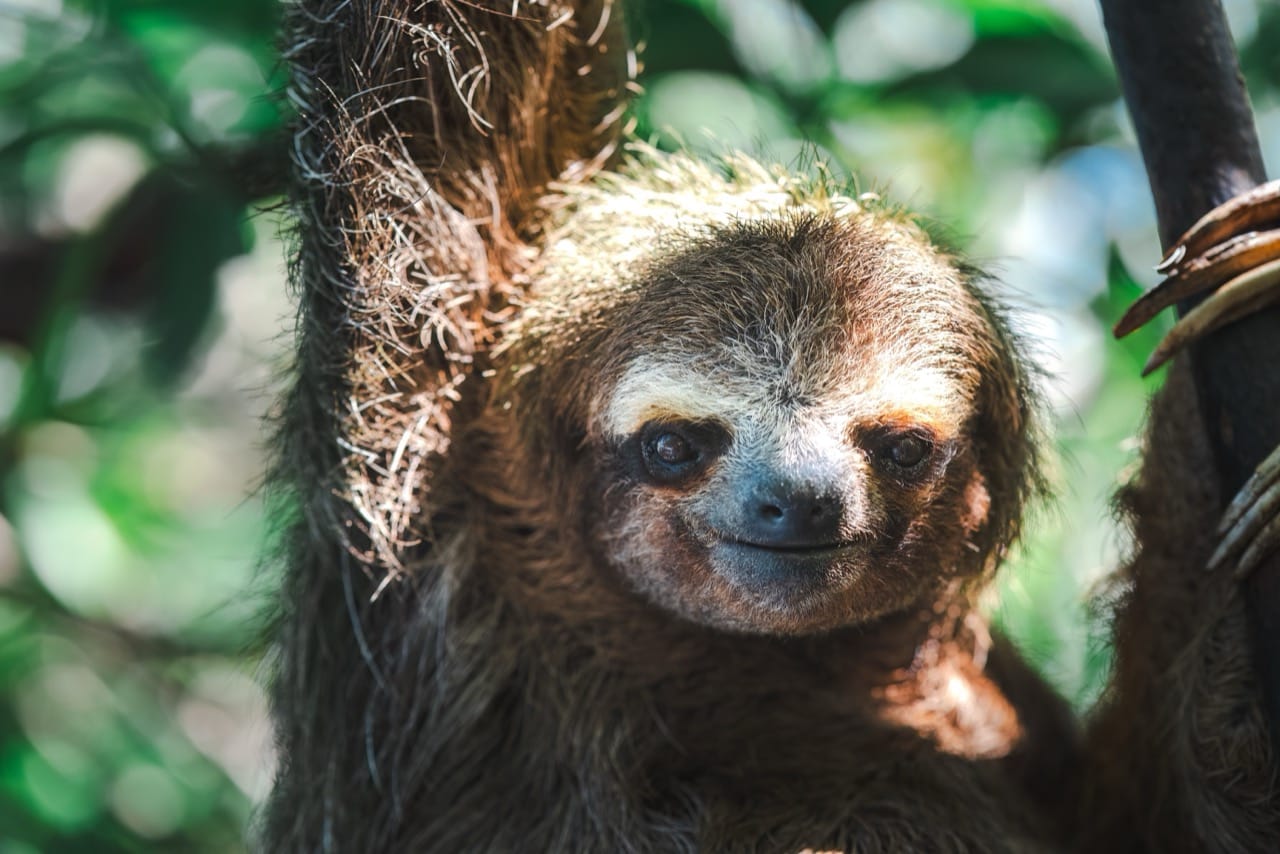
Sloths are famous for moving slowly, but there is much more to them than laziness. These tree-dwelling mammals of Central and South America have evolved a lifestyle that is perfectly tuned to their environment. Their slow pace, unusual bodies, and surprising talents all help them survive in the rainforest.
There are two main kinds of sloths: two-toed and three-toed. The names refer to the number of long claws on their front limbs, not their back feet. Two-toed sloths tend to be slightly larger, with a more varied diet that can include leaves, fruit, and even the occasional insect or small animal. Three-toed sloths are more strictly leaf eaters. Both types spend most of their lives hanging upside down from tree branches.
Sloths are champions of energy saving. Leaves are tough to digest and do not provide much energy, so sloths have evolved very slow metabolisms. Their body temperature can vary with the environment, and they move only when they need to. This slow lifestyle means they can survive on far fewer calories than most mammals of similar size.
One of the strangest sloth habits involves going to the bathroom. Instead of simply letting waste fall from the trees, many sloths climb down to the base of a tree about once a week. They dig a small hole, defecate, and then cover it. This trip to the ground is risky because predators like jaguars and ocelots are more likely to catch them there. Scientists are still not fully sure why sloths take this risk, but it may help fertilize the tree they depend on or play a role in communication.
Sloth fur is another unusual feature. Unlike most mammals, whose fur grows from back to belly, sloth fur grows from belly to back. Because they spend so much time upside down, this reversed pattern helps rainwater run off more easily. Their fur also hosts a tiny ecosystem of algae, fungi, and insects. The greenish algae can act as camouflage, helping sloths blend into the leaves and branches.
Despite their slow movements, sloths are surprisingly good swimmers. Heavy rains can flood parts of the forest, and sloths may need to cross rivers or streams. They use their long limbs to paddle and can hold their breath for several minutes, slowing their heart rate even more than usual.
Sloths rely on stealth and stillness to avoid predators. By moving slowly and blending in with the foliage, they are harder to spot. Their powerful grip is another defense. Specialized tendons in their limbs lock their claws around branches, allowing them to hang securely with almost no effort. Even when asleep, they remain firmly attached.
Living life in the slow lane allows sloths to conserve energy, avoid attention, and make the most of a tough leafy diet. Far from being simple or lazy, sloths are finely tuned survivors whose quiet, upside-down lives reveal a fascinating side of rainforest biology.