Soup Cans to Street Signs Pop Art Trivia


Quiz Complete!
From Soup Cans to Street Signs: Why Pop Art Still Looks Like Everyday Life
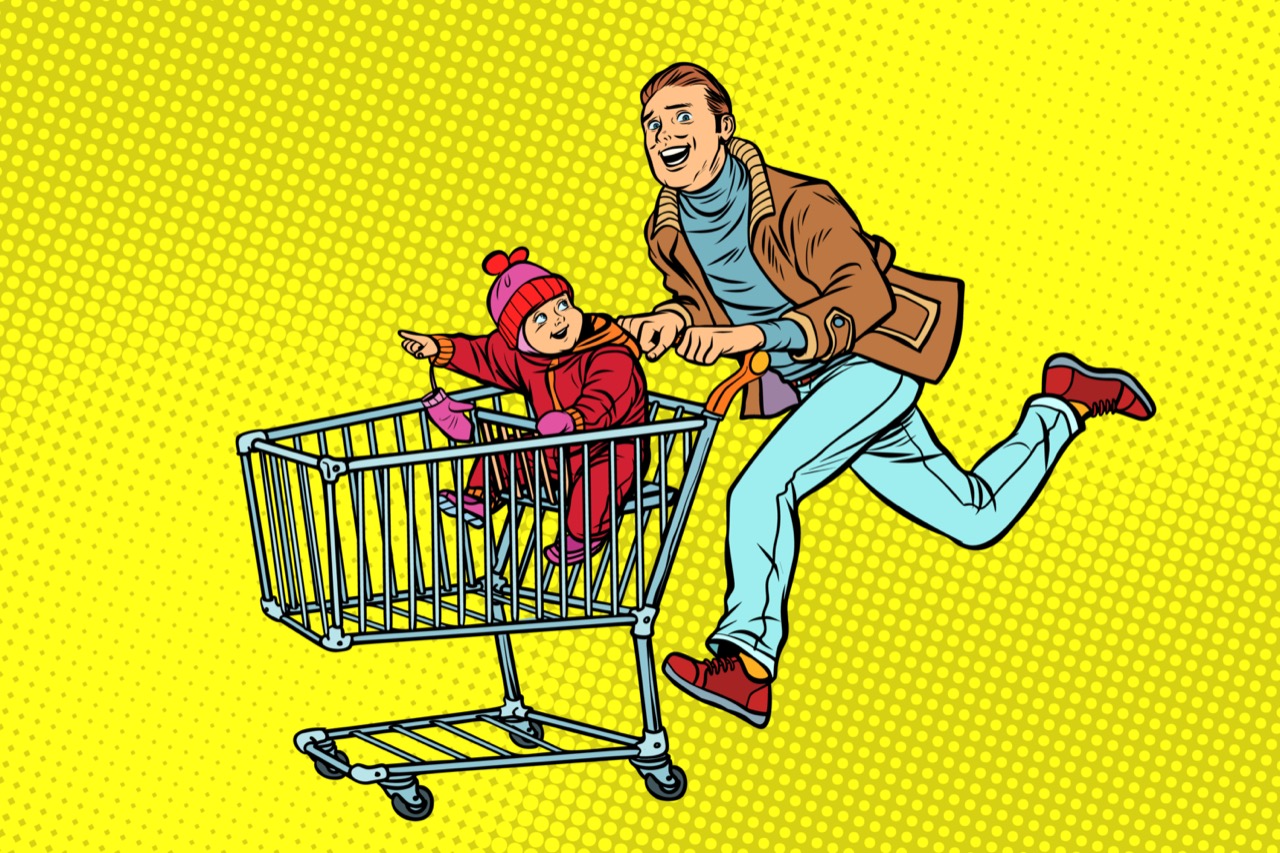
Pop Art is one of those art movements that can feel instantly familiar, even if you have never set foot in a museum. That familiarity is the point. In the years after World War II, advertising, television, glossy magazines, and supermarket packaging flooded daily life with bold images and catchy slogans. Pop artists noticed that modern culture was already speaking in pictures, brand marks, and celebrity faces, so they treated those things as raw material for art. Instead of painting distant landscapes or heroic myths, they pulled from the stuff people actually saw on the street and at the checkout counter.
One of the most famous examples is Andy Warhol’s Campbell’s Soup Cans. The subject is almost aggressively ordinary, but that ordinariness becomes strange when it is repeated and displayed like a sacred icon. Repetition is a key Pop Art tool: seeing the same image again and again mimics mass production and advertising, and it also changes how you perceive value. Is it still special if it is everywhere? Warhol leaned into the look of commercial printing through screenprinting, a technique that allowed him to make multiple versions quickly and to embrace small imperfections, like misaligned colors or uneven ink, that feel both mechanical and oddly human.
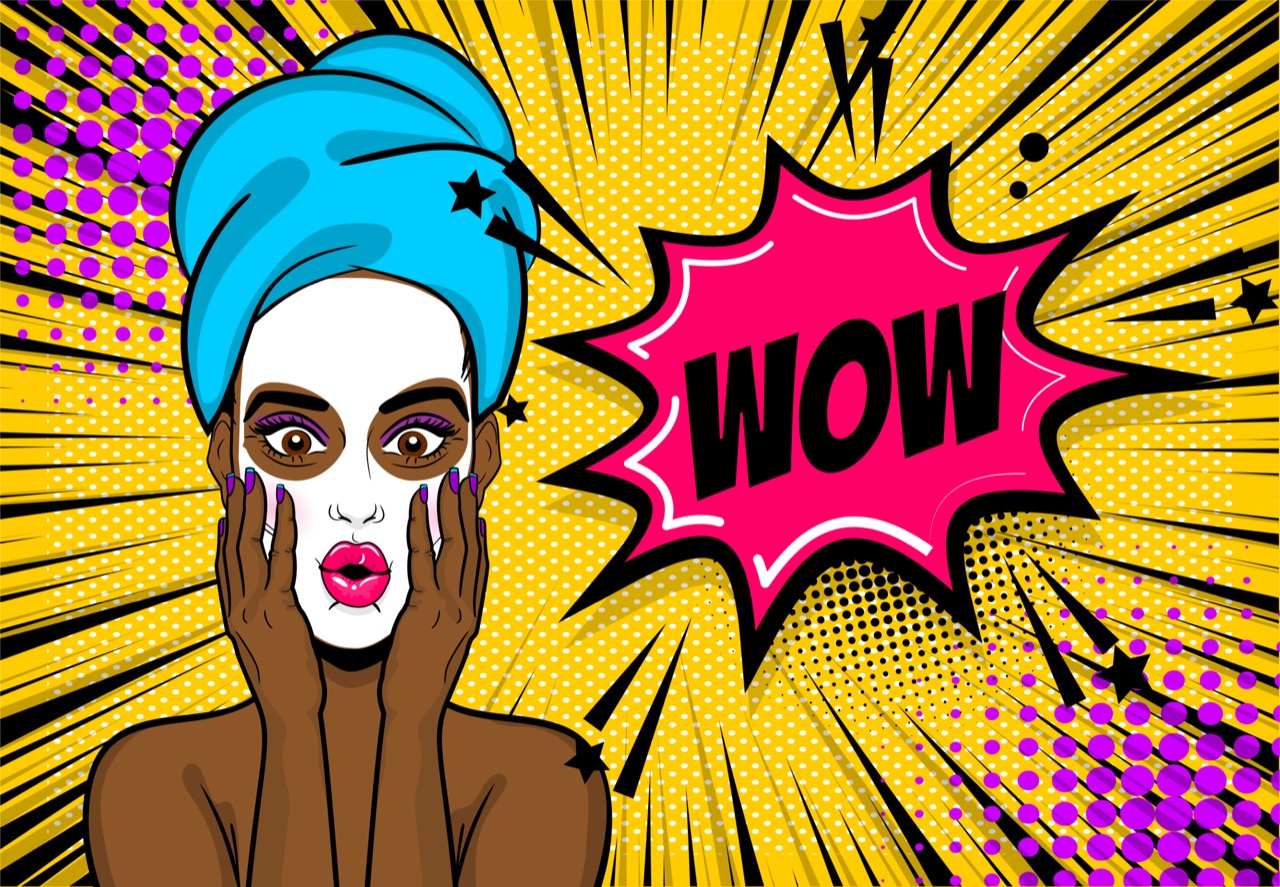
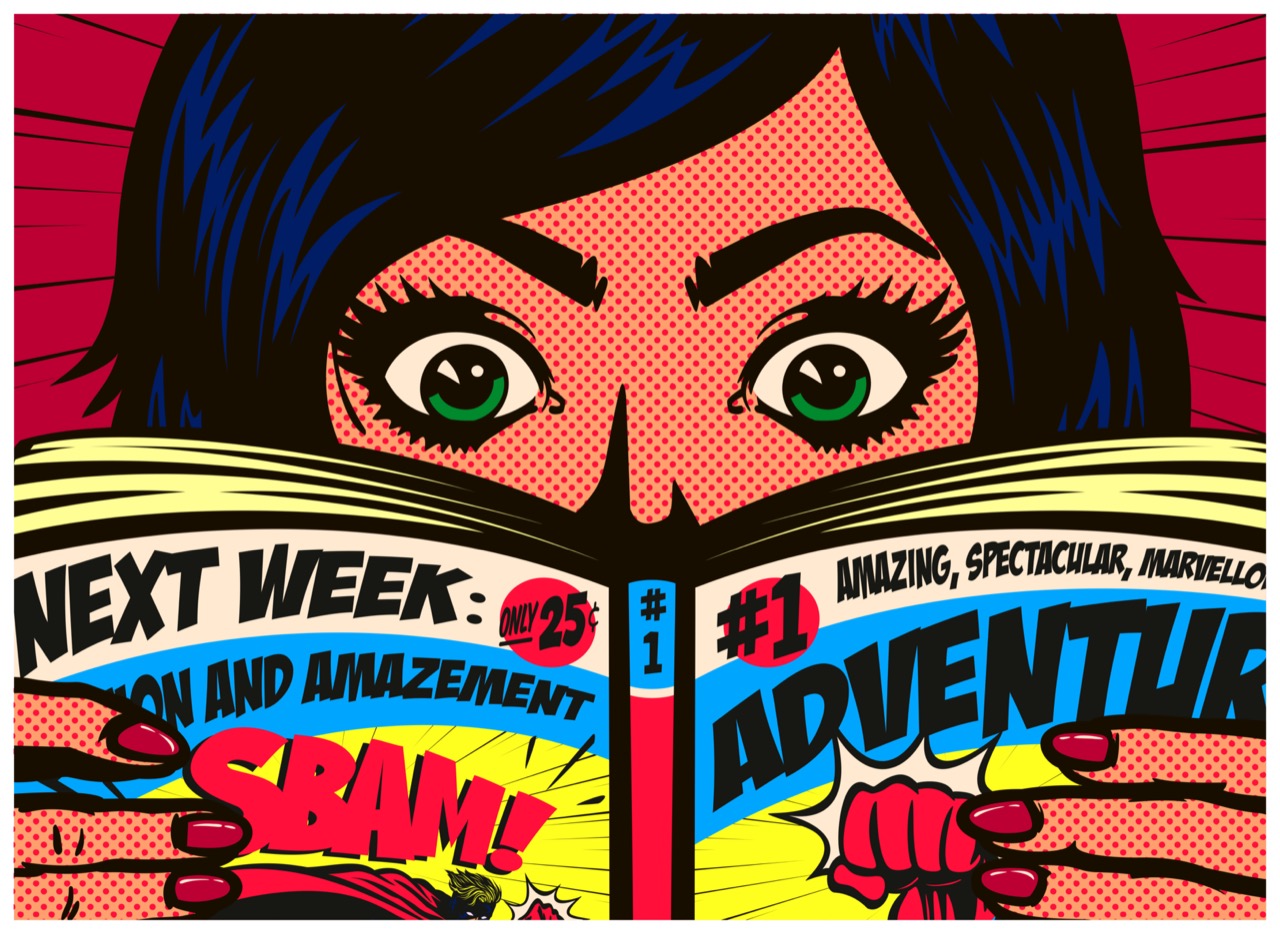
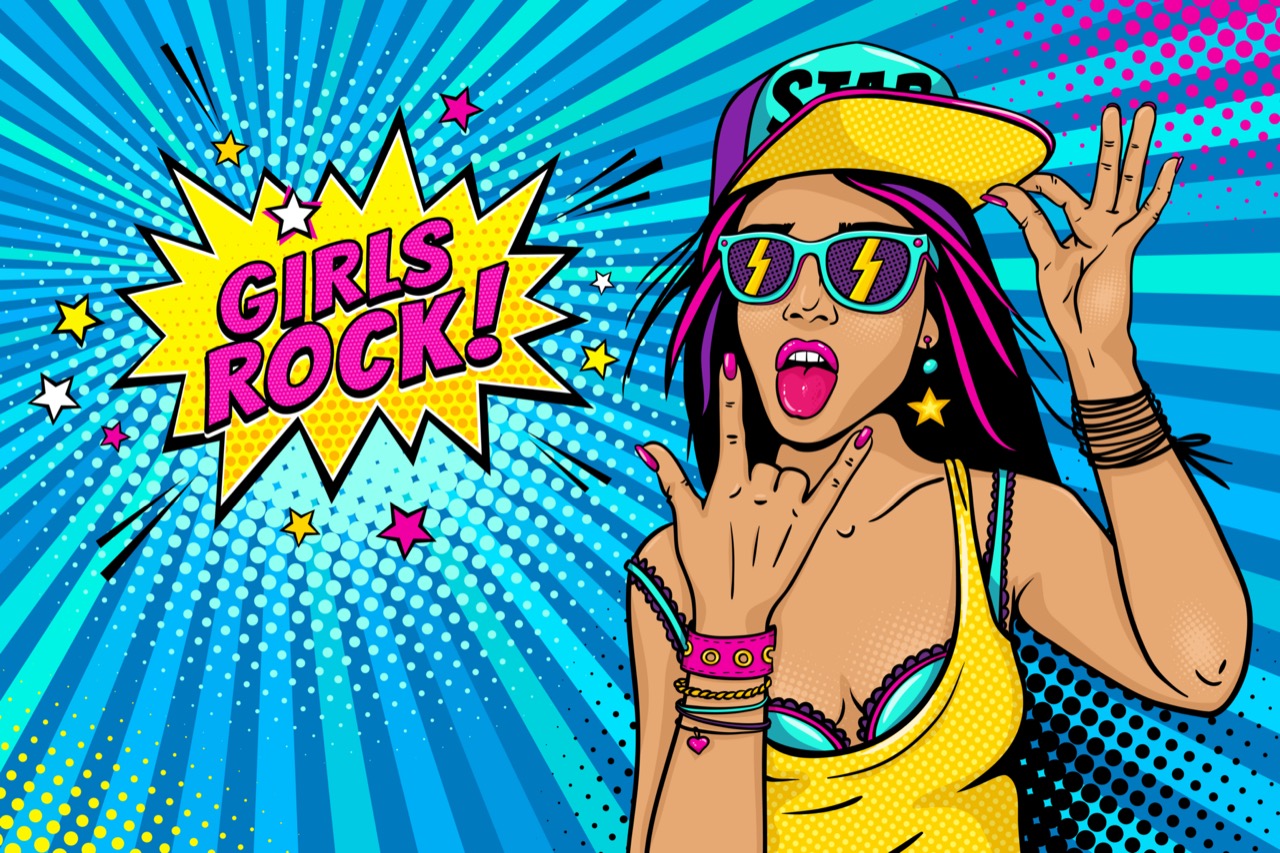
Roy Lichtenstein borrowed from comic strips, enlarging panels until the dots and printing patterns became part of the drama. His paintings often mimic Ben-Day dots, a method used in cheap printing to create shading and color through tiny dots. By turning a small, disposable comic image into a huge canvas, he made viewers notice the design language of mass media: thick outlines, simplified shapes, and emotional punch delivered in a single frozen moment. Those comic-book sound effects and speech bubbles helped Pop Art blur the line between fine art and popular entertainment.
Pop Art did not begin only in the United States. In Britain, artists such as Richard Hamilton and Eduardo Paolozzi were already exploring consumer culture, American advertising, and the dream of modern convenience. Hamilton’s famous collage asking what makes today’s homes so different, so appealing captures a living room packed with products and media, like a snapshot of desire assembled from magazine clippings. That cut-and-paste approach is a reminder that Pop Art is closely tied to collage and appropriation, the act of reusing existing imagery to create new meaning.
As Pop Art grew, it also expanded into street-level graphics and hard-edged design. Artists like Robert Indiana used bold lettering and simple shapes that echo signage and billboards. Claes Oldenburg made oversized sculptures of everyday objects, turning soft hamburgers or giant clothespins into public monuments. James Rosenquist, who had worked as a billboard painter, brought that scale and punch into gallery art, layering fragments of ads into images that feel like the visual noise of a highway.
Pop Art can look cheerful, but it often carries a sly question: are we choosing what we want, or are we being trained to want it? By isolating a brand, repeating a face, or enlarging a comic panel, Pop artists showed how mass media shapes attention. Their influence is still everywhere. Minimal logos, bright flat colors, meme-like repetition, and the use of celebrity imagery all echo Pop strategies. Social media feeds, with their endless scroll of recognizable images and quick emotional cues, can feel like a Pop Art environment in motion. The next time you notice a product label, a street sign, or a viral graphic that seems designed to lodge in your memory, you are seeing the same visual logic Pop Art put on the wall: everyday images, turned up to maximum volume.