The Slow-Motion Jungle Challenge: How Much Do You Really Know?
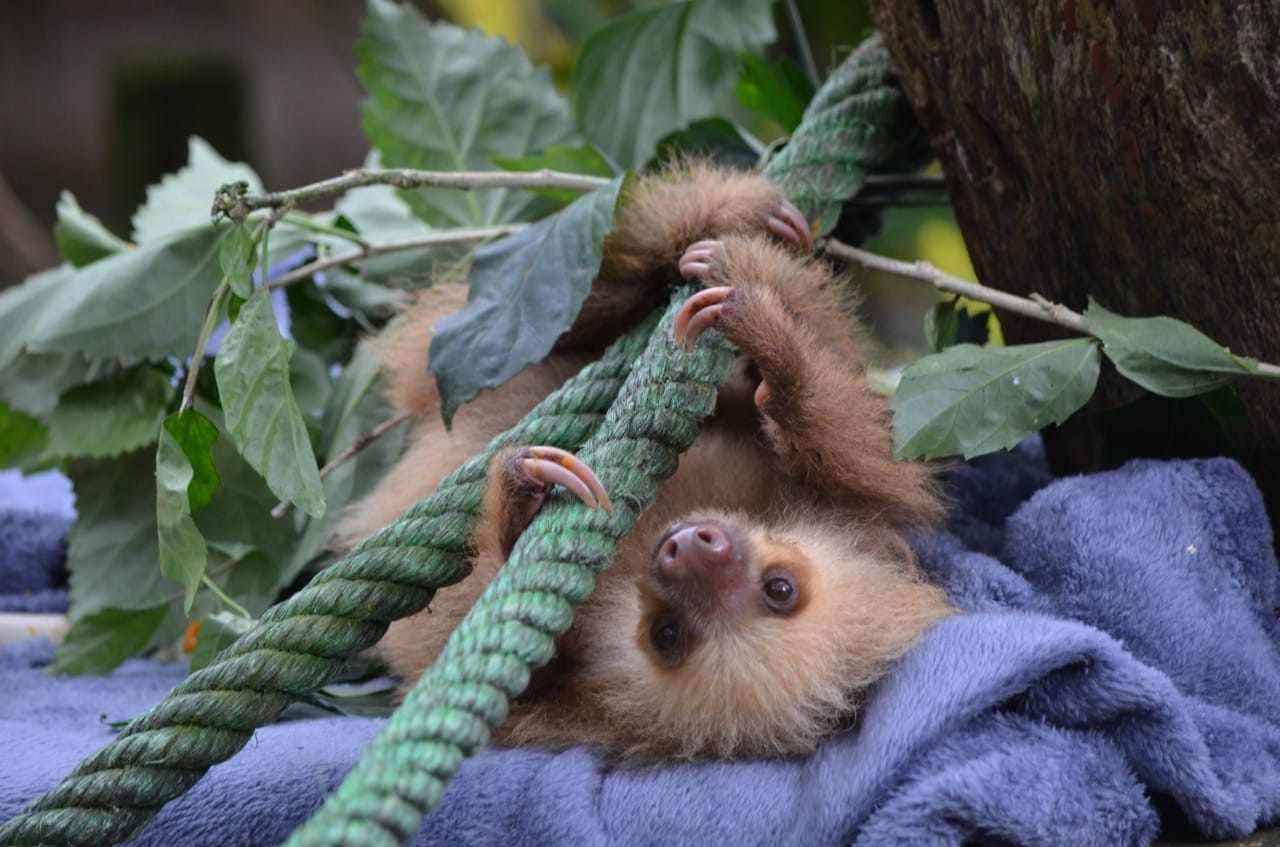
Some animals sprint, stalk, or swoop. Then there is a tree-dwelling expert in taking life at half speed, turning every branch into a hammock and every day into the ultimate chill session. This quiz is all about that famously unhurried creature and the wild science behind its lifestyle. You will uncover how it eats, sleeps, survives predators, and even how it breathes while hanging upside down for hours. Expect surprising facts about fur ecosystems, bathroom habits, and why moving slowly can actually be a brilliant survival strategy. As you answer, imagine yourself suspended high above the rainforest floor, surrounded by leaves, humidity, and the soft rustle of the canopy. Think you already know everything about this unflappable forest resident? Get ready to test your instincts, challenge a few myths, and pick up some seriously cool nature trivia along the way.
1
Which type of animal is a sloth most closely related to in terms of evolution?
2
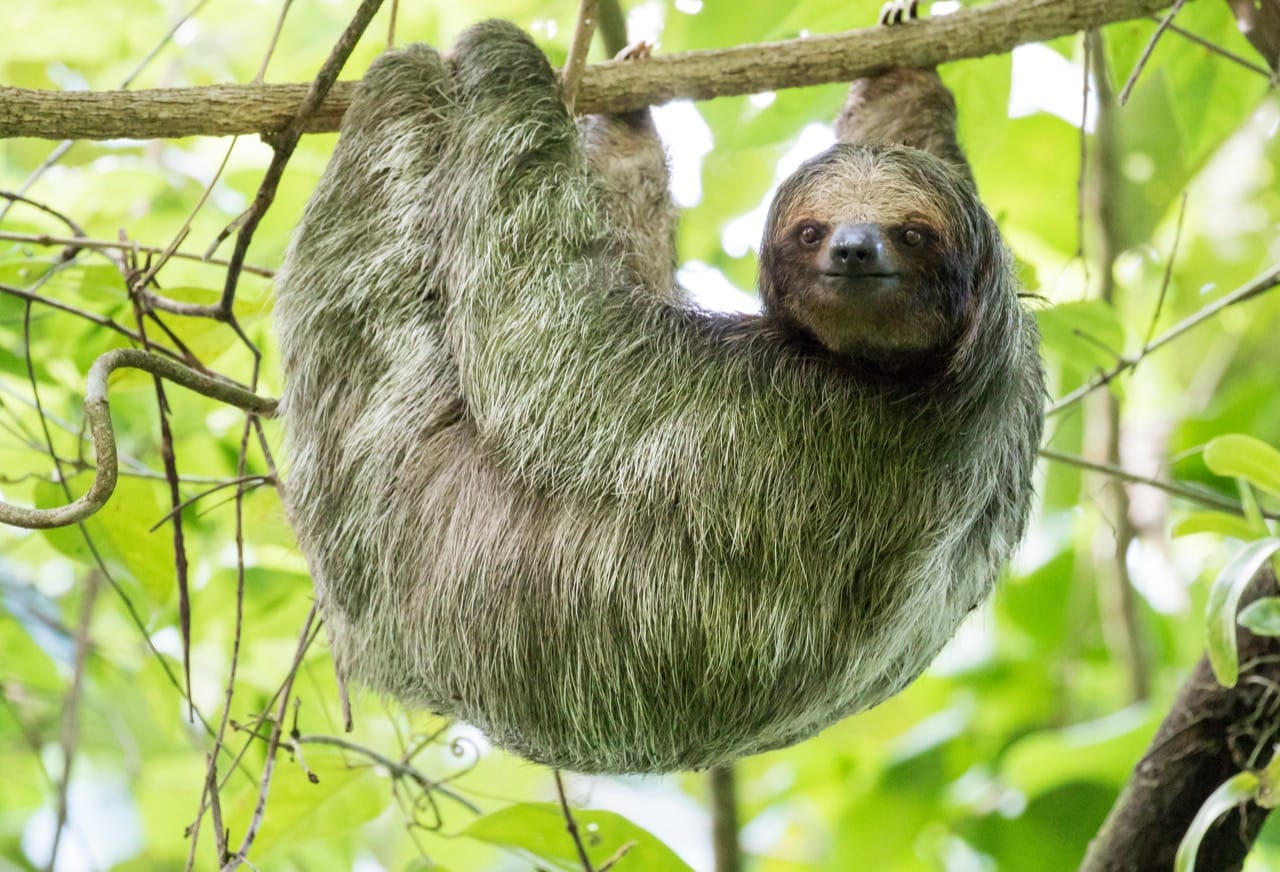
What unusual ecosystem is commonly found living inside a sloth’s fur?
3
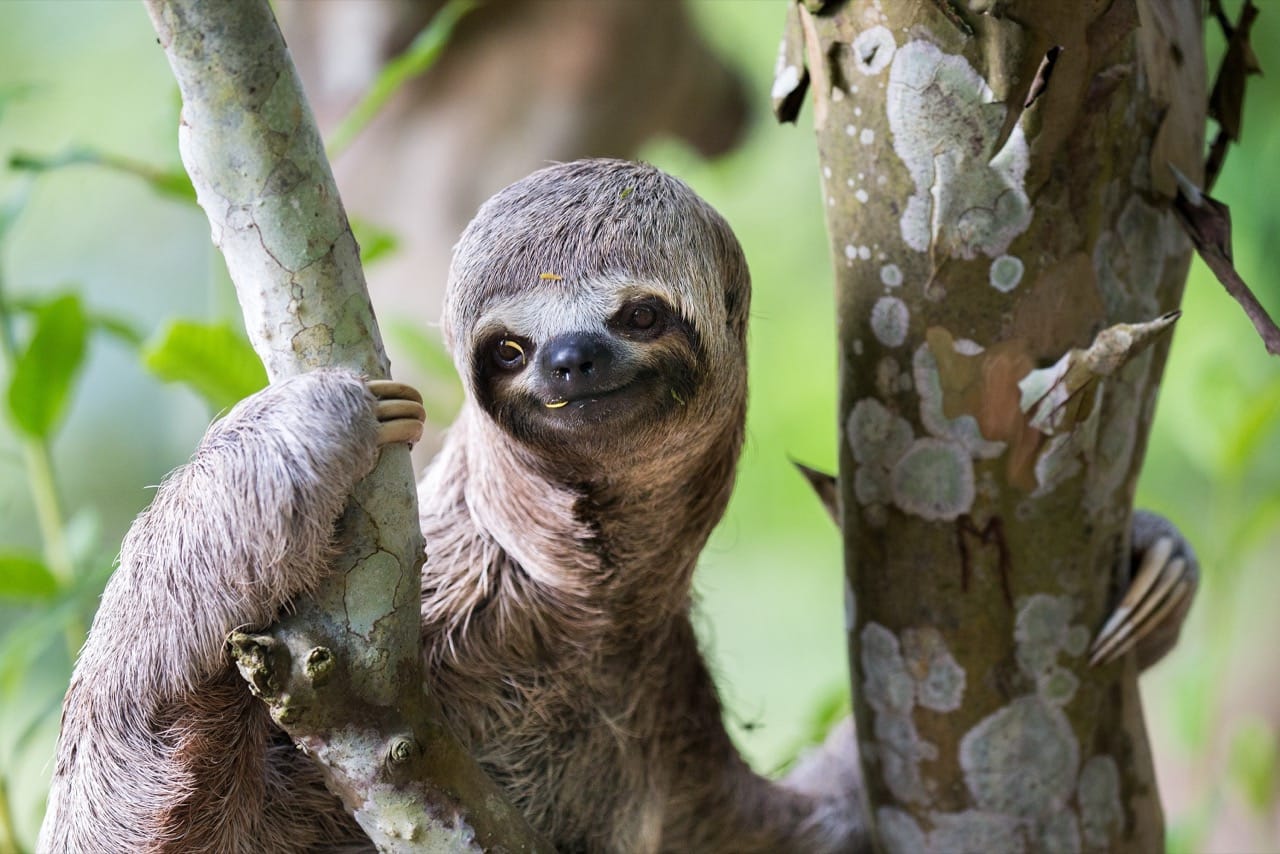
What is a key difference between two-toed and three-toed sloths?
4
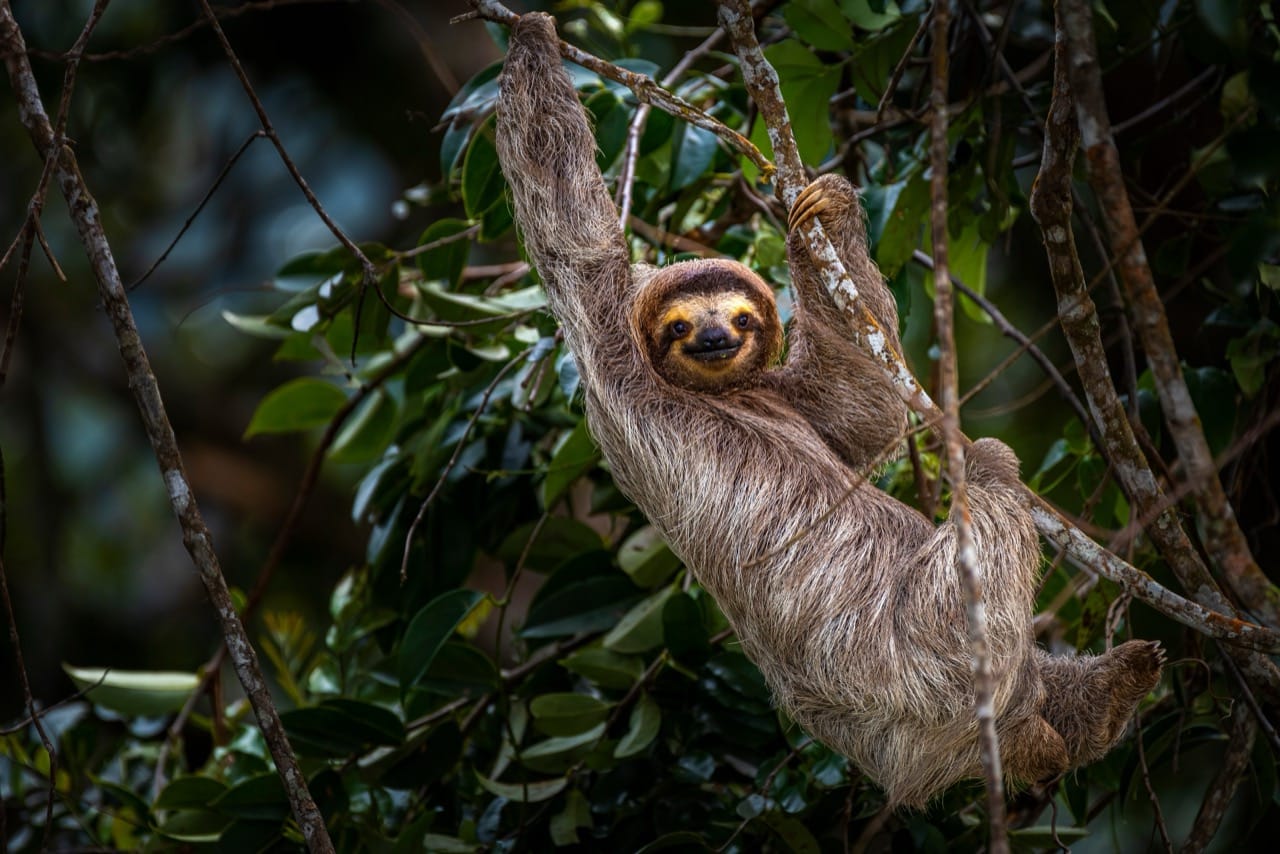
How do sloths primarily defend themselves from predators like jaguars and harpy eagles?
5
About how long can some sloths hold their breath while hanging underwater or in heavy rain?
6
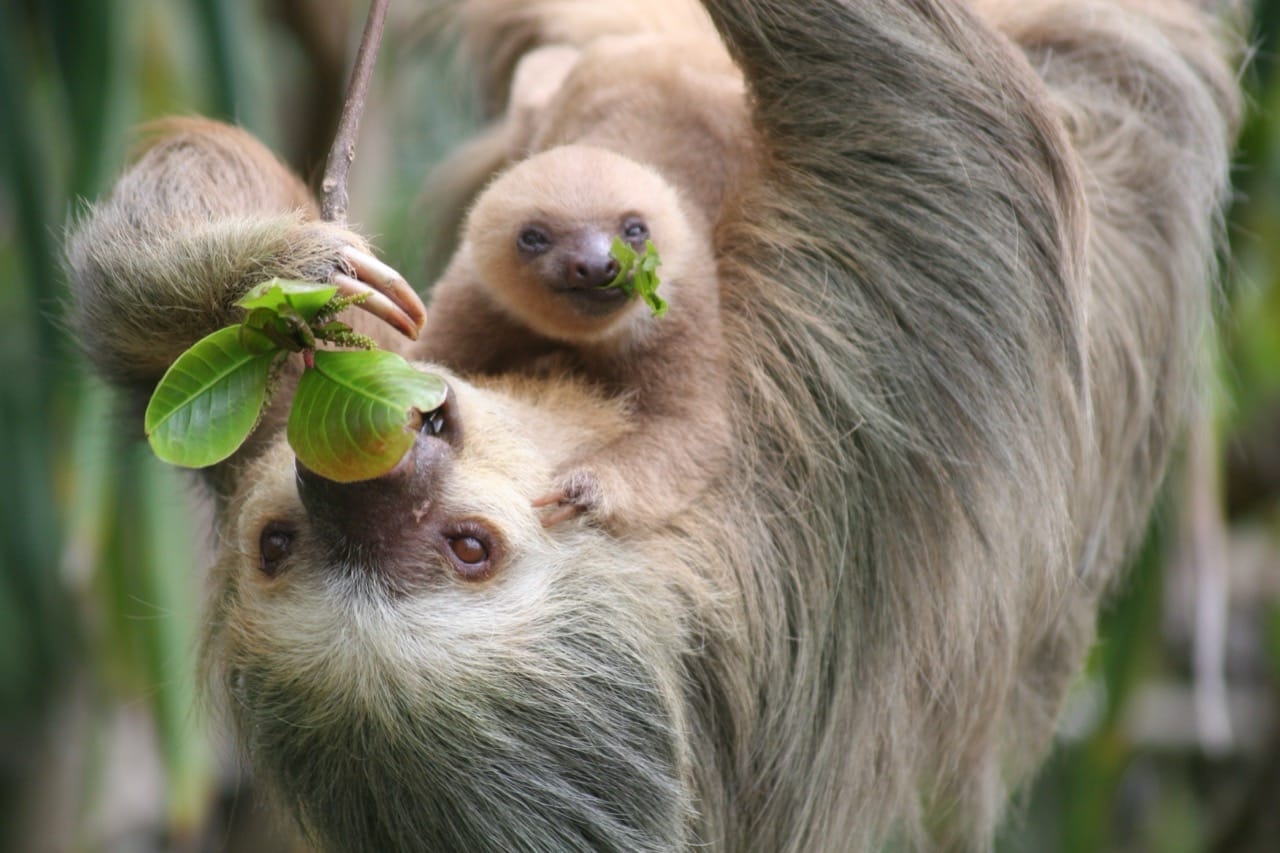
Where do wild sloths naturally live in the world?
7
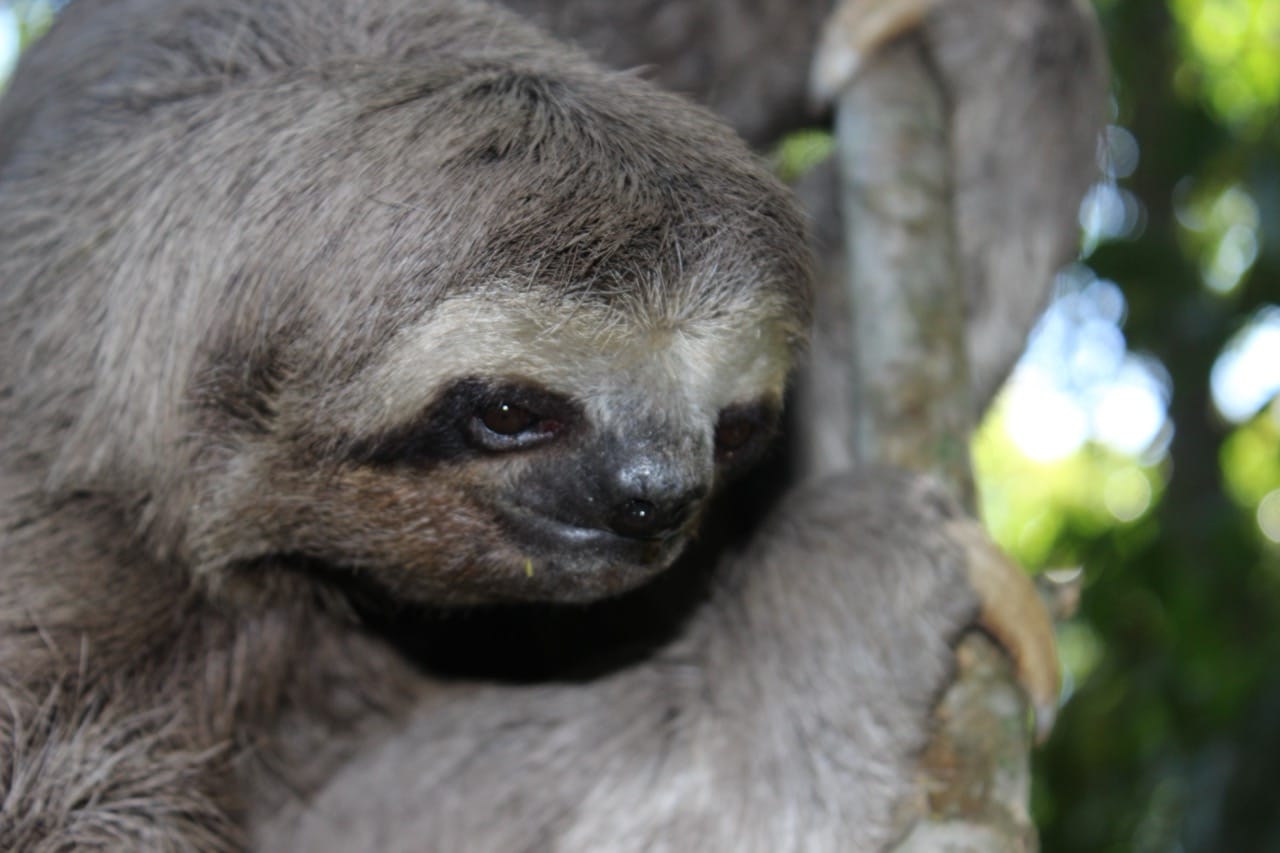
How many toes does a typical three-toed sloth have on its front limbs?
8
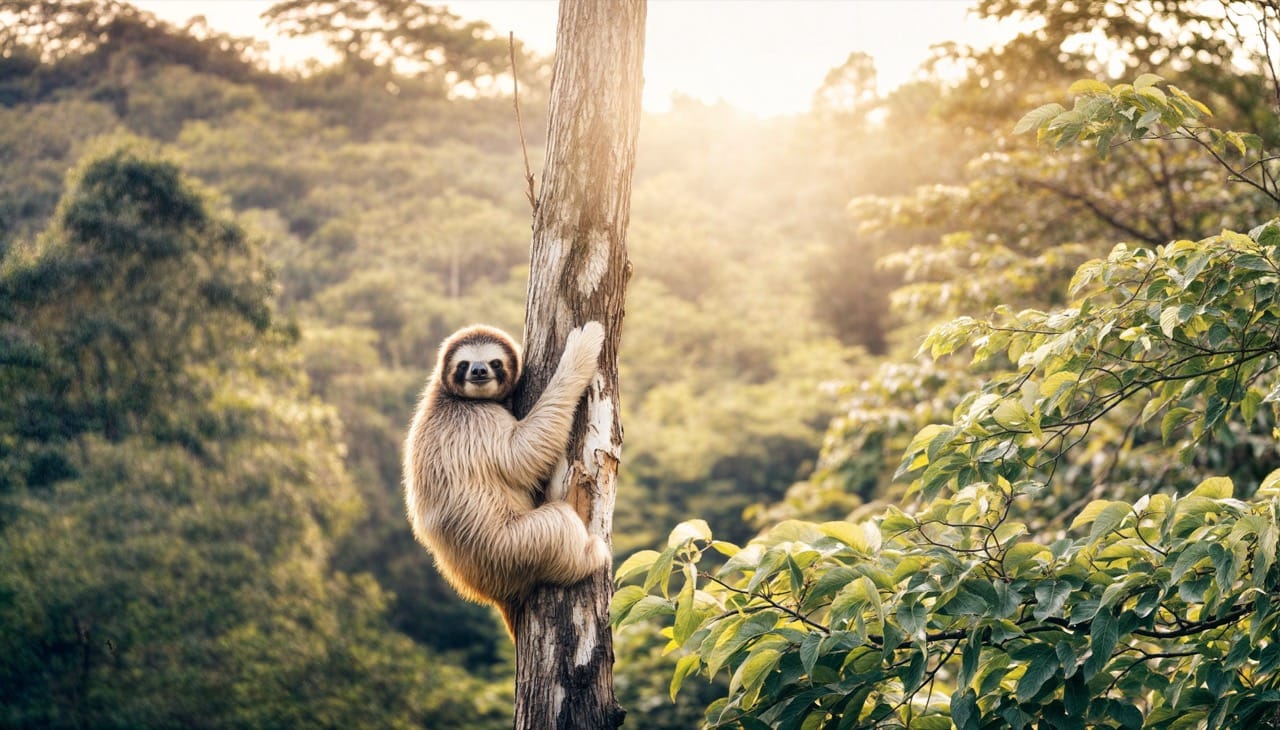
What is the primary reason sloths move so slowly?
9
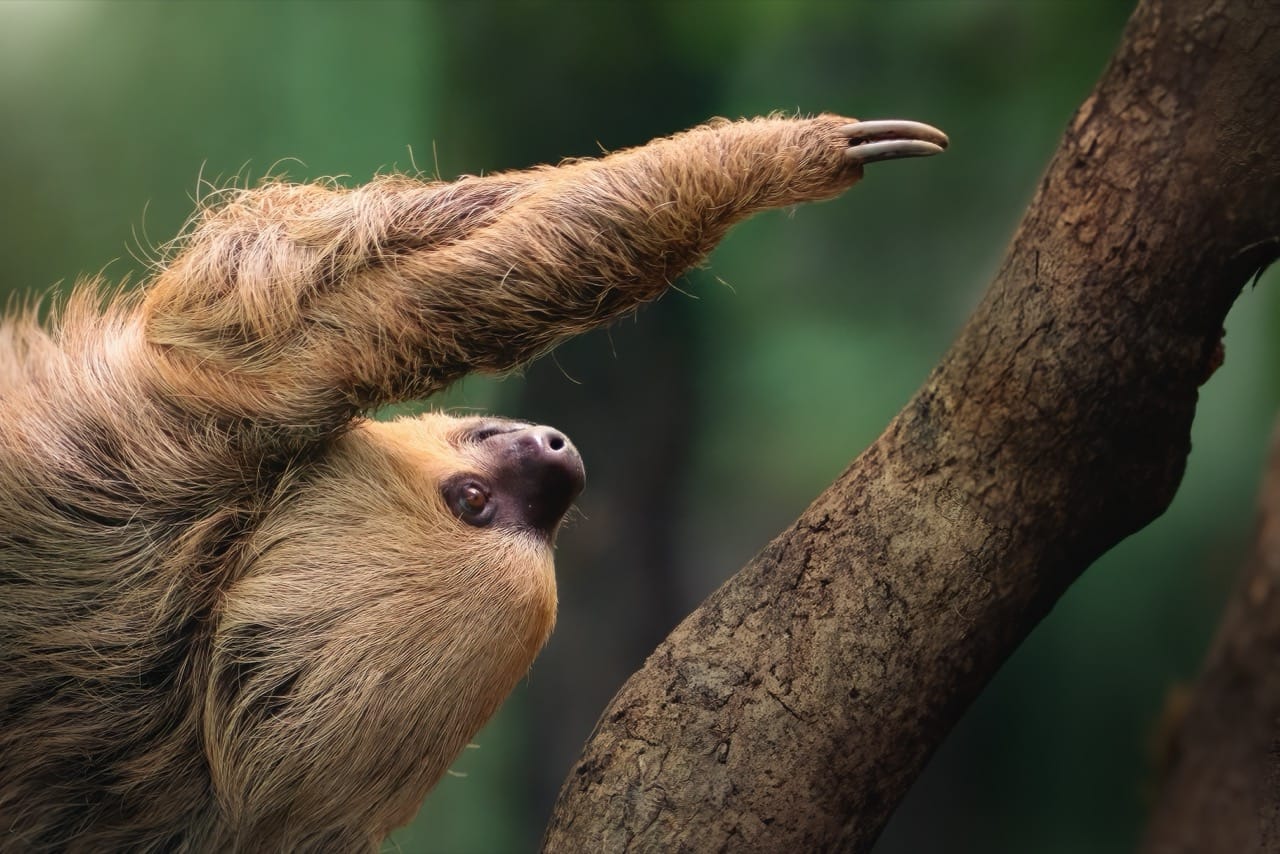
Which sense is especially important for a sloth when finding food among the branches?
10
How often does a typical sloth usually come down from the trees to urinate and defecate?
0
out of 10
Quiz Complete!
The Slow-Motion Secrets of the Sloth
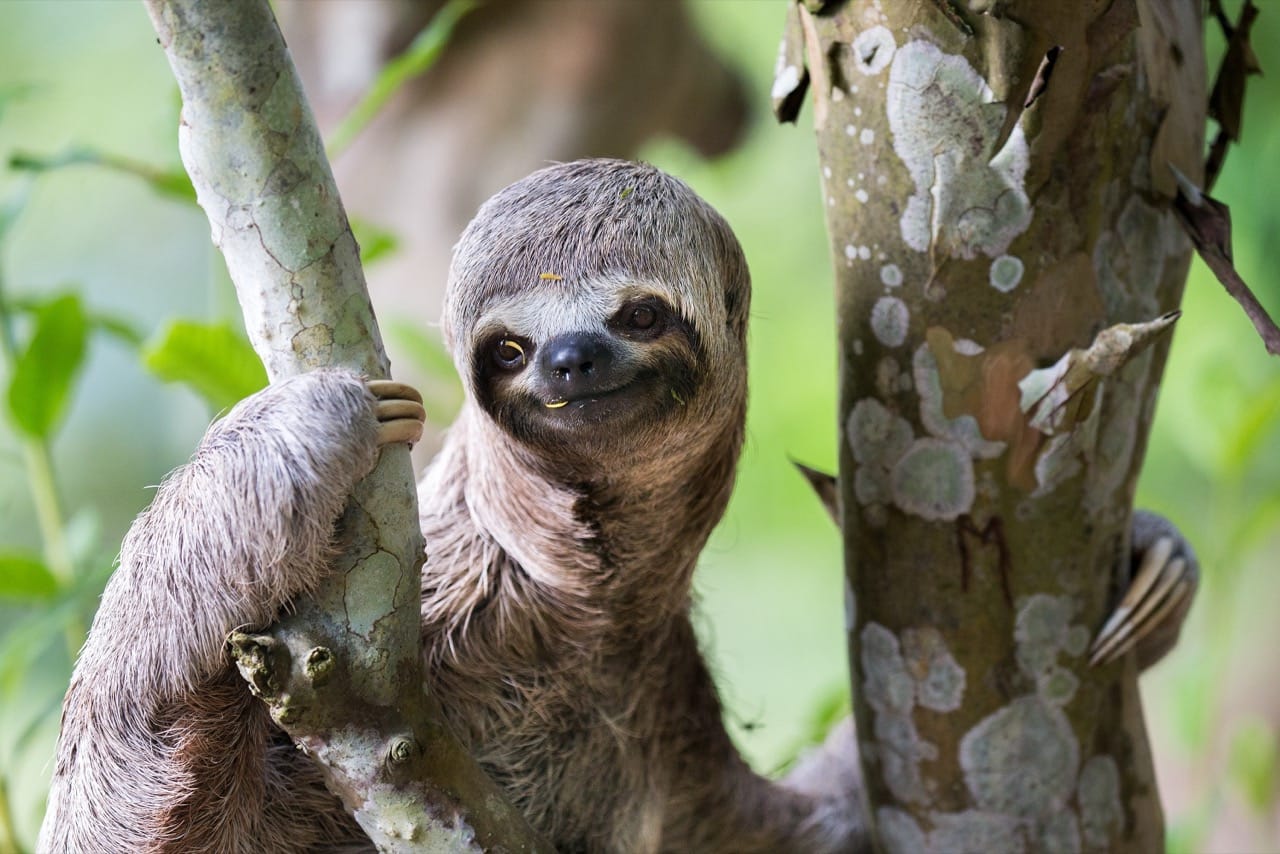
High in the rainforest canopy lives one of nature’s most unusual survivors:
the sloth. At first glance, it might seem like the definition of laziness. It
moves slowly, sleeps a lot, and spends most of its life hanging upside down. But
behind this unhurried lifestyle is a remarkable set of adaptations that help the
sloth thrive where many faster animals might fail.
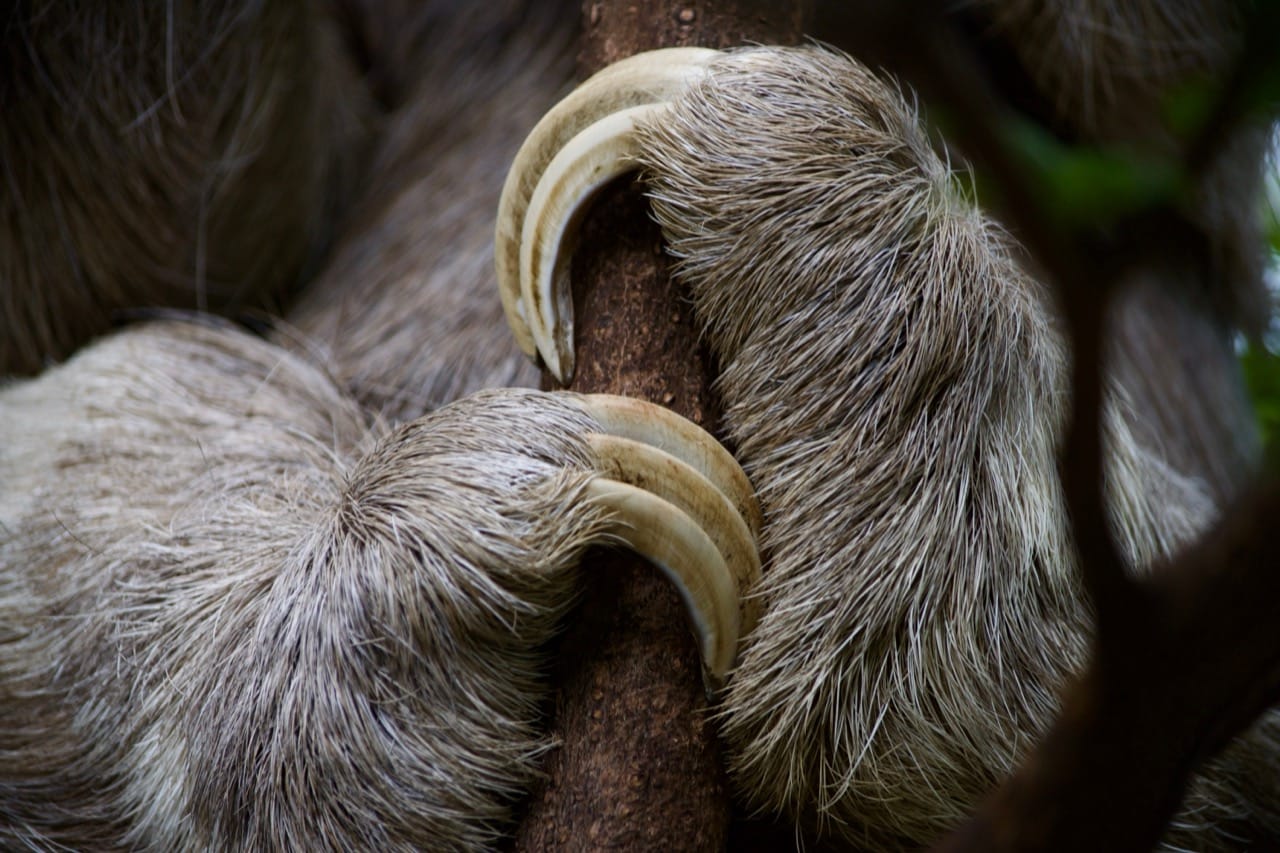
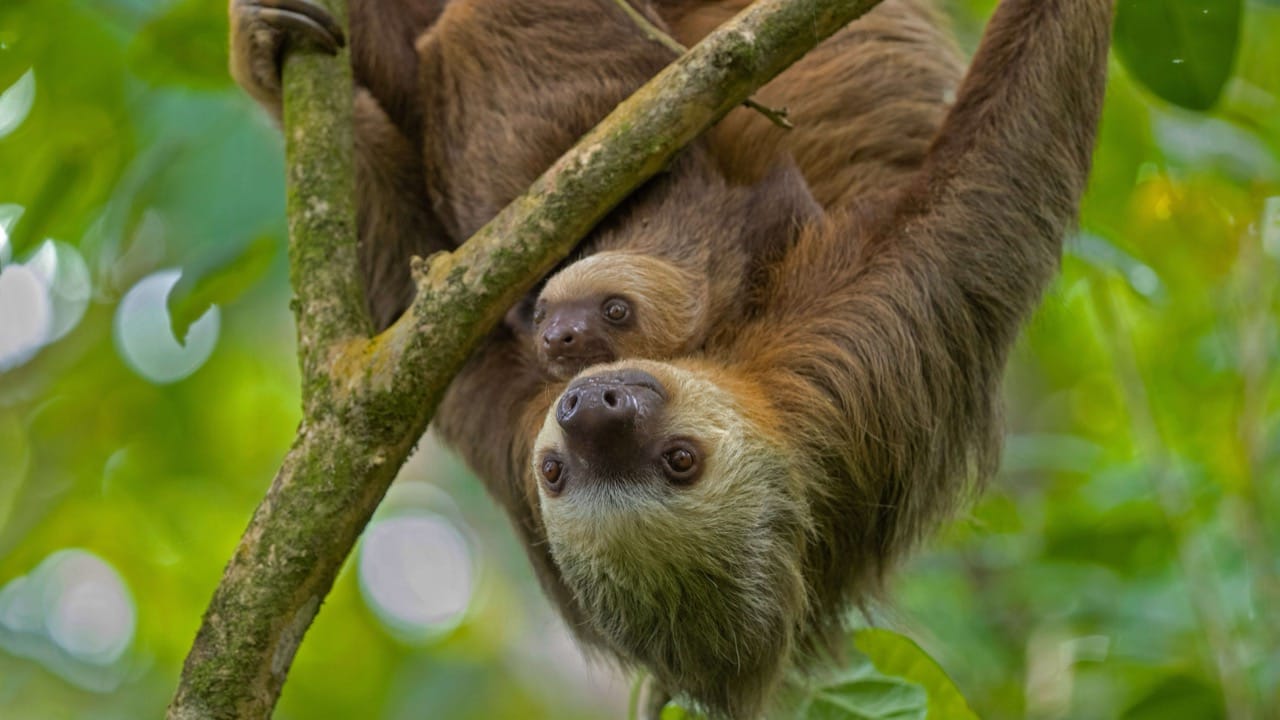
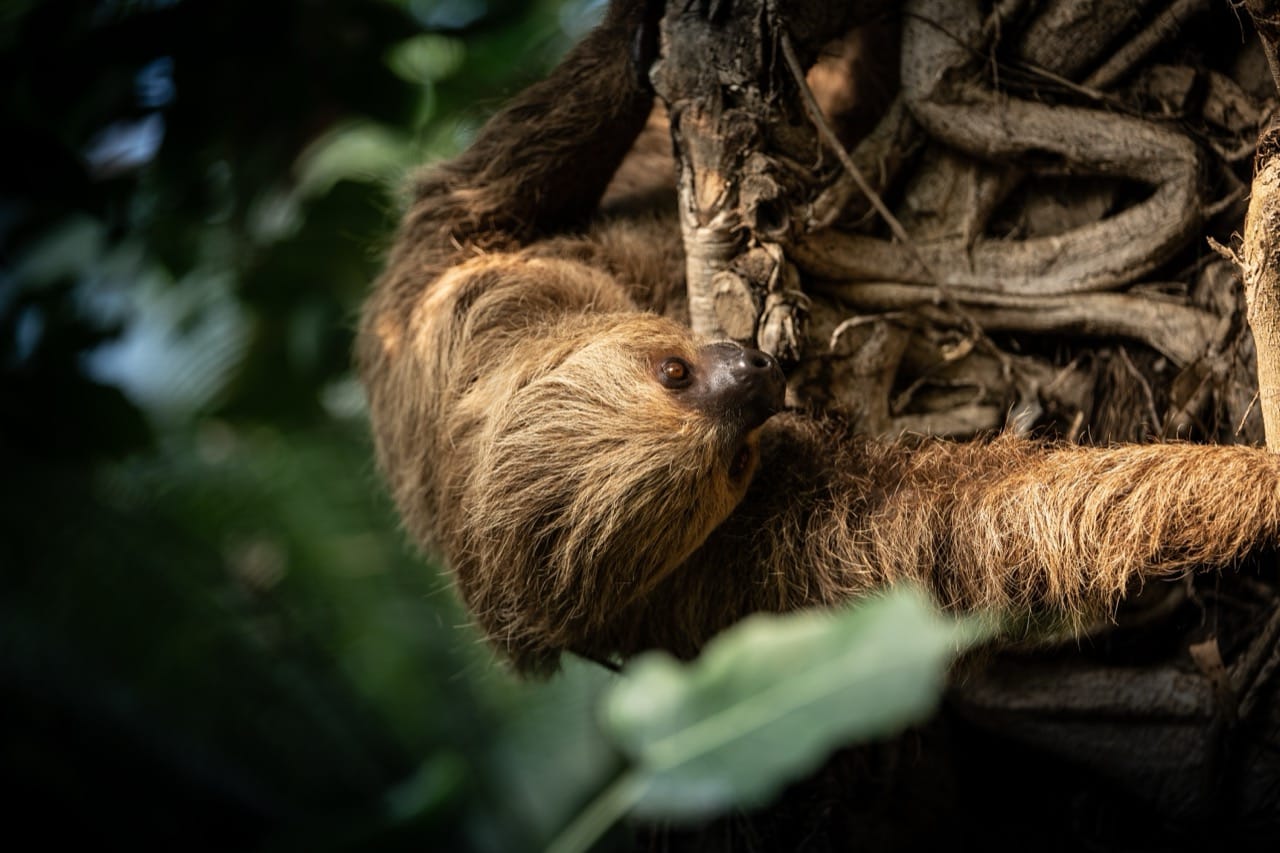
Sloths are expert tree dwellers. Their long, curved claws act like built-in
hooks, allowing them to hang from branches with very little effort. In fact,
their muscles are arranged so efficiently that they can stay suspended for hours
without getting tired. This upside-down position is so natural to them that they
can eat, sleep, mate, and even give birth while hanging from a branch.
One of the most surprising things about sloths is their metabolism. They have
one of the slowest metabolic rates of any mammal. This means they burn energy
very slowly, which fits perfectly with their diet and lifestyle. Sloths mainly
eat leaves, which are tough to digest and not very rich in nutrients. By moving
slowly and conserving energy, they make the most of every bite. Their stomachs
are large and complex, filled with bacteria that help break down the fibrous
leaves. It can take days for a sloth to digest a single meal.
Their slow pace is also a clever defense strategy. Many predators, such as harpy
eagles and big cats like jaguars, rely on spotting movement to find prey.
Because sloths move so gradually and stay high in the trees, they often blend
into the background. Their fur helps with camouflage too. It can host algae and
tiny insects, giving the sloth a greenish tint that matches the leaves around
it. This living fur ecosystem may look messy, but it helps the sloth disappear
into the canopy.
Even their bathroom habits are unusual. Instead of simply going from the safety
of the branches, many sloths climb down to the base of a tree about once a week
to relieve themselves in the same spot. This is a risky trip, because they are
more vulnerable on the ground. Scientists are still debating why they do it.
Some think it helps fertilize the tree they depend on, while others suggest it
may play a role in communication or keeping parasites away from their fur.
Breathing and circulation are also adapted to the sloth’s upside-down life.
Their organs are attached in ways that reduce pressure on the lungs when they
hang, so they can breathe comfortably for long periods. Their slow heartbeat and
low energy use mean they can get by on less oxygen than many other mammals.
Far from being lazy, the sloth is a specialist in survival through stillness. By
trading speed for stealth, and power for efficiency, it has carved out a unique
niche in the rainforest. The next time you picture this calm, unflappable animal
hanging among the leaves, remember that every slow motion is part of a finely
tuned strategy that has worked for millions of years.