Atlas Aftershocks Ancient Cities and Lost Borders











Quiz Complete!
Atlas Aftershocks: Ancient Cities and Lost Borders
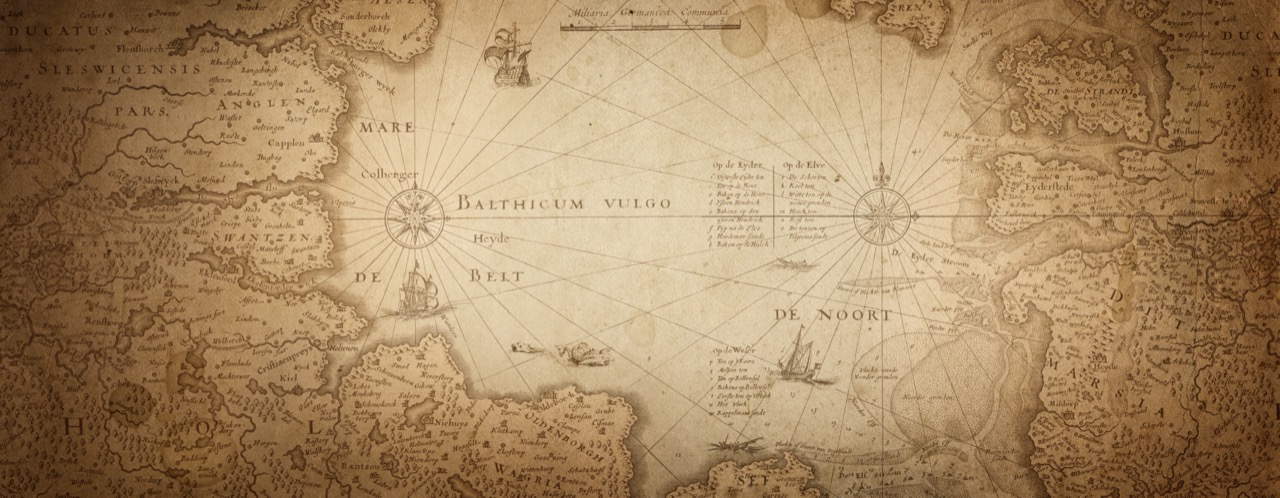
A map looks calm and authoritative, but it is often a snapshot of an argument. Every border line implies who controlled taxes, soldiers, and trade, and every place name hints at whose language and memory dominated at the time it was written. When you compare ancient geography with modern atlases, you start to see history’s aftershocks: cities renamed to honor rulers, coastlines that became gateways to empires, and frontier zones that shifted whenever an army won or lost a campaign.
Many famous ancient cities are easier to place once you remember why they mattered. Alexandria sat on Egypt’s Mediterranean edge, designed to connect the Nile’s wealth to sea routes and to project Greek power after Alexander. Byzantium, later Constantinople and now Istanbul, owed its importance to geography more than size: the Bosporus is a narrow choke point between the Black Sea and the Mediterranean, so whoever held it could influence commerce, naval movement, and grain supplies. Farther west, Carthage thrived because it faced the central Mediterranean from North Africa, turning sailing knowledge and port infrastructure into a maritime network that rivaled Rome.
Rivers were the original highways and borders. Mesopotamia literally means land between rivers, and the Tigris and Euphrates supported early states by enabling irrigation, transport, and dense settlement. The Nile’s predictable flooding made Egypt unusually cohesive, while the Indus and its tributaries supported cities like Mohenjo-daro and Harappa, whose planned streets still surprise modern visitors. In Europe, the Danube and Rhine often marked imperial edges, not because they were impassable, but because they offered clear reference points for administration and defense.
Mountains and passes shaped history just as strongly as rivers. The Hindu Kush and Pamir ranges did not stop movement so much as funnel it, making certain corridors vital. The Khyber Pass became famous because it linked Central Asia to the Indian subcontinent, channeling merchants, migrants, and armies. In the west, the Alps forced Roman and later medieval planners to think in terms of a few key routes, and Hannibal’s dramatic crossing is remembered precisely because those routes were so difficult.
Trade routes stitched distant regions together and elevated places that might otherwise be obscure. The Silk Roads were not a single road but a web of paths across oases and caravan cities, where water, security, and storage mattered more than grand buildings. Cities such as Samarkand and Bukhara became cultural crossroads because they sat near workable routes through harsh terrain. Control of these nodes meant access to customs revenue and political leverage, which is why empires invested in forts, patrols, and alliances with local powers.
Borders are the most fragile features on any map. They can jump after a treaty, dissolve through migration, or harden into militarized frontiers. The Roman world offers a clear example: its limits expanded and contracted, and even when Rome held a region, local identities persisted. Later, the fall of empires left behind layered place names. A city might keep its ancient core name in one language, gain a new one under a conquering dynasty, and then be standardized again by a modern nation-state. This is why recognizing an ancient name often means recognizing a sequence of rulers.
Even seas and straits carry historical weight. The Aegean’s island chains encouraged seafaring city-states and competition for harbors. The Dardanelles and Bosporus mattered for grain shipments and naval access. The Persian Gulf connected Mesopotamia to Indian Ocean trade, while the Red Sea linked the Mediterranean world to East Africa and Arabia. When you read an old map, you are not just locating places; you are tracing the logic of power, economy, and memory that made those places worth naming in the first place.