Semester to Century Datebook Trivia
Quiz Complete!
From Semester Schedules to World Shifts: A Timeline of Education and History
A calendar can tell two stories at once: what happened in the world and what people learned because of it. Education has never been a sealed-off campus activity. Universities, schools, and even the tools students use have repeatedly changed in response to wars, revolutions, scientific breakthroughs, and social movements. If you picture history as a datebook, the entries for lectures and exams sit right beside treaties, discoveries, and protests.
Many people trace the roots of the modern university to medieval Europe, when institutions like Bologna and Paris began organizing teaching into faculties and awarding degrees. The language of scholarship was largely Latin, which made learning portable across borders but also limited access. The printing press in the fifteenth century changed the pace of education dramatically. Books became cheaper and more consistent, which helped standardize curricula and allowed ideas to circulate beyond elite circles. It also made controversy easier to spread, and the Reformation era showed how quickly debates about authority could become debates about what should be taught.
By the eighteenth century, Enlightenment thinking pushed education toward observation, reason, and public debate. Revolutionary eras did the same, sometimes by expanding schooling as a civic project and sometimes by reshaping universities to serve the state. The nineteenth century brought one of the most influential academic “firsts” in spirit, if not in a single date: the rise of the research university model associated with Wilhelm von Humboldt and the University of Berlin. The idea that universities should create knowledge, not only transmit it, helped define modern graduate study, laboratories, and the expectation that professors publish.
Industrialization created new needs and new institutions. Technical schools, engineering programs, and land-grant universities expanded practical education, while public libraries and museums supported self-directed learning. Standardized timekeeping and timetables, an unsung innovation, made the modern semester schedule possible: synchronized clocks and railways encouraged societies to coordinate work and study in predictable blocks.
The twentieth century shows how sharply world events can redirect classrooms. World War I accelerated fields like medicine, chemistry, and logistics, while also disrupting international scholarly networks. Between wars, intellectual movements and political pressures shaped what could be researched or taught, sometimes with tragic consequences as scholars fled persecution and carried knowledge across borders. World War II again transformed universities through wartime research, including computing and physics, and through the postwar expansion of higher education. In several countries, returning veterans entered universities in large numbers, changing campus demographics and fueling growth in new disciplines.
After major conflicts, global organizations tried to rebuild education as a foundation for peace. UNESCO, founded in 1945, promoted international cooperation in education, science, and culture, supporting literacy campaigns and heritage preservation. The Universal Declaration of Human Rights in 1948 asserted education as a right, a powerful idea that continues to influence policy debates about access and equity.
Social movements reshaped campuses as much as any invention. Decolonization spurred new universities and new curricula that questioned older narratives. Civil rights and feminist movements pushed institutions to open doors wider and to rethink what counted as knowledge worthy of study. Student activism made the university a stage for national conversations, from free speech to war and labor.
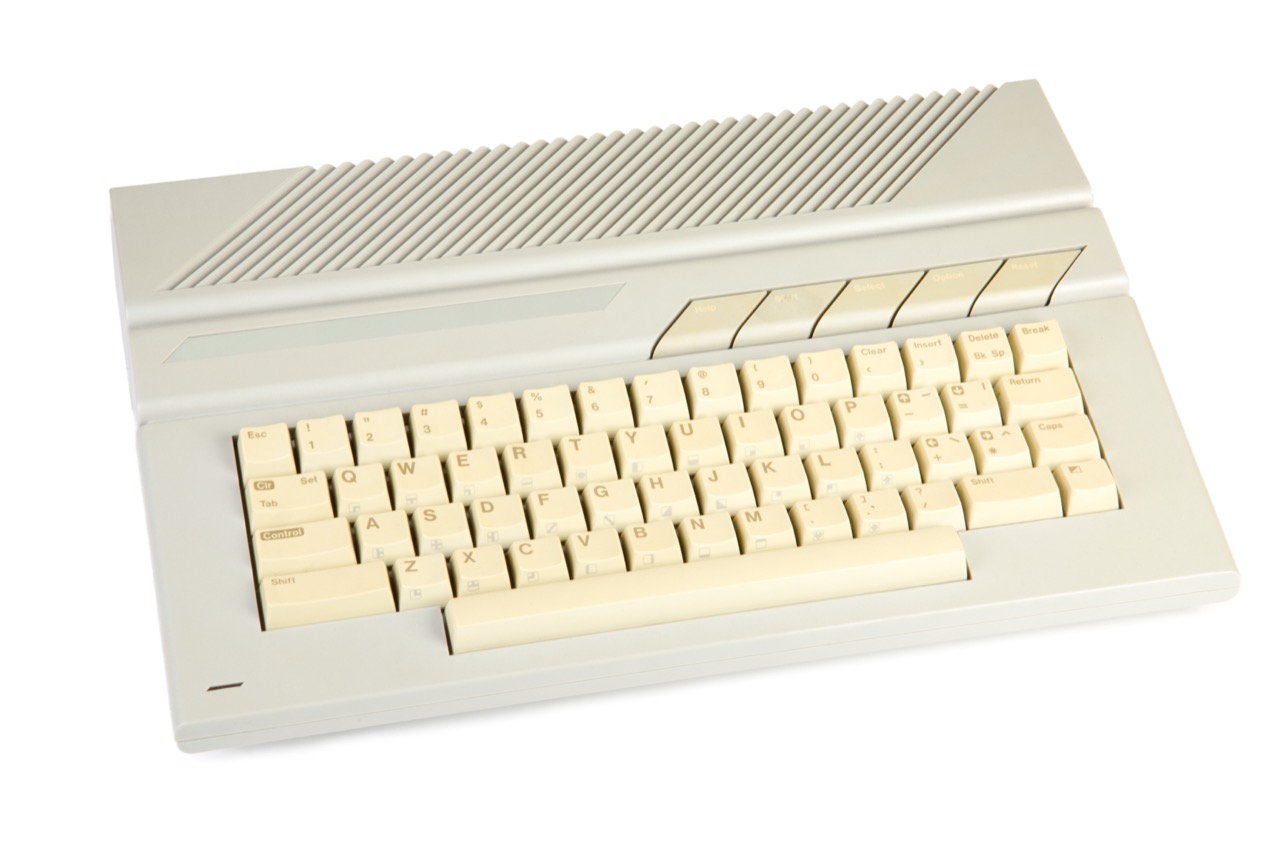
Meanwhile, the everyday tools of learning kept evolving: from chalkboards and mimeographs to photocopiers, calculators, and the internet. Each tool changed what could be assigned, how quickly information traveled, and how students collaborated. Today’s online courses and digital libraries echo older shifts sparked by the printing press: broader access, new gatekeepers, and constant arguments about credibility.
A good timeline quiz captures this interplay. The dates are not just trivia; they are reminders that education is both a mirror of its era and a lever that moves it. When you place a university reform next to a revolution, or a new academic discipline next to a global crisis, you start seeing why what happens outside the classroom so often ends up on the syllabus.