Bizarre Bug Truths You Can’t Unlearn
Quiz Complete!
Bizarre Bug Truths You Can’t Unlearn
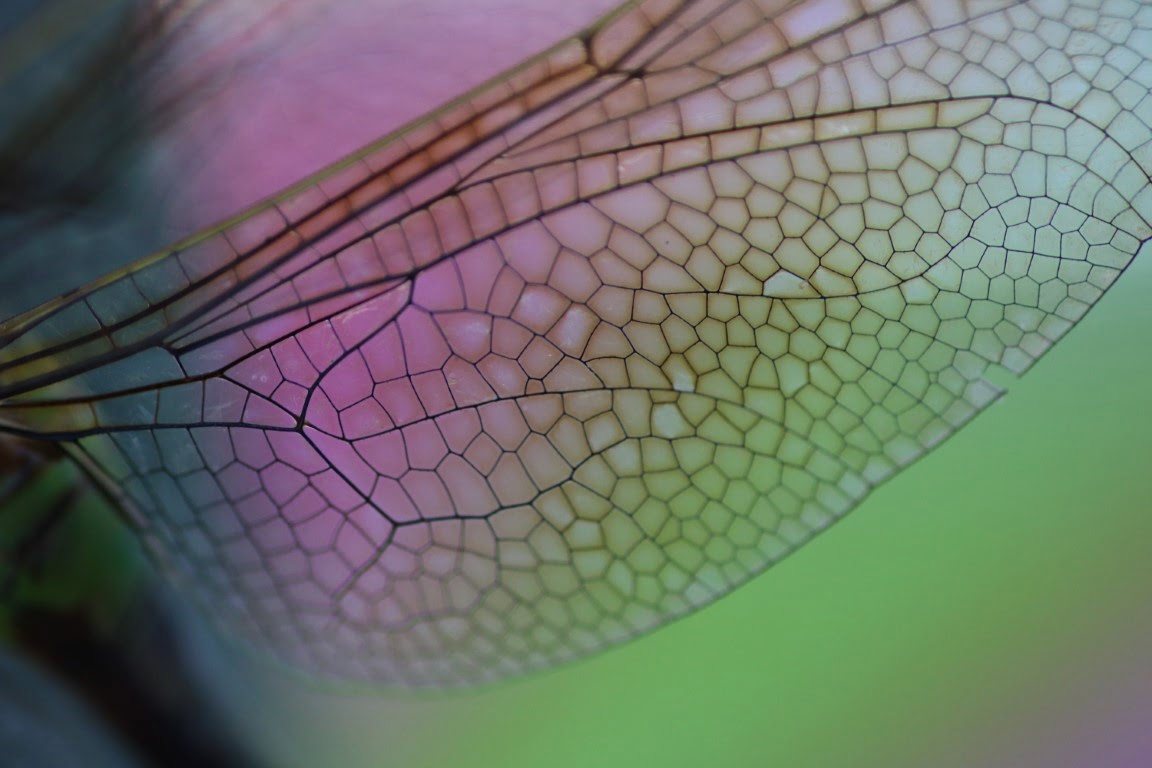
Insects run the world on a scale most of us rarely notice. They pollinate crops, recycle waste, and feed countless other animals, yet many of their day to day behaviors sound like something invented for a science fiction story. The strangest part is that these are not rare oddities. They are often common solutions to the hard problem of surviving while tiny, edible, and surrounded by threats.
Some insects literally make their own light. Fireflies do it with a chemical reaction that produces almost no heat, which is why their glow is so efficient. The flash patterns are not random decoration. They function like species specific signals, helping males and females find the right partner in the dark. In some species, the light show is also a trap. Certain females mimic the flash codes of other species to lure in unsuspecting males, then eat them. It is a reminder that communication in nature can be honest, but it can also be exploited.
Insect senses can be equally mind bending. Many moths can detect pheromones from astonishing distances, following faint chemical trails through complex airflow to locate a mate. Mosquitoes combine several cues at once, including carbon dioxide, body heat, and skin odors, to zero in on a target. Some insects perceive the world through polarized light, a feature of sunlight scattered in the atmosphere and reflected off surfaces like water. That ability helps them navigate and can even guide aquatic insects to suitable places to lay eggs, sometimes with unfortunate results when shiny cars or asphalt mimic water.
Defenses get even weirder. Bombardier beetles eject a boiling hot chemical spray by mixing reactive compounds in a specialized chamber, effectively producing a controlled explosion aimed at predators. Many caterpillars and beetles rely on chemical warfare too, either synthesizing toxins or borrowing them from the plants they eat. Some insects take disguise to another level. Stick insects and leaf insects do not just resemble plants; they sway like twigs in the wind and may have leaf like veins and bite marks. Other species practice outright identity theft by mimicking ants, wasps, or even bird droppings, gaining protection because predators avoid what they think they are seeing.
A few insects have lifestyles that look like agriculture. Leafcutter ants harvest fresh vegetation not to eat directly, but to feed a fungus they cultivate underground. They weed out contaminants, adjust humidity, and defend their crop, then eat the fungus as their main food. Aphids, in turn, are tended like livestock by some ants. Ants protect them from predators and move them to better feeding sites, then harvest the sugary honeydew aphids excrete. These relationships show that complex cooperation does not require a large brain, just strong evolutionary incentives.
Parenting can be unexpectedly intense. Some insects guard eggs, carry young, or provide food. Certain beetles raise their larvae on prepared resources, such as a buried carcass that parents clean, shape, and defend. In giant water bugs, males may carry eggs on their backs, aerating and protecting them until they hatch. Even when insects seem indifferent, their reproductive strategies are often highly tuned. Some wasps lay eggs inside other insects, and the larvae develop by consuming the host from within. It sounds gruesome, but it is a successful strategy in ecosystems where finding safe food for offspring is difficult.
Tiny anatomical details make big differences. The exoskeleton provides armor and prevents dehydration, but it also forces insects to molt to grow, leaving them temporarily vulnerable. Their breathing system is a network of tubes that delivers oxygen directly to tissues, which helps explain both their athletic bursts and why they cannot simply scale up to the size of a dog. Their compound eyes trade sharp detail for a wide field of view and rapid motion detection, perfect for spotting danger. When you add it all up, insects are not just small animals. They are a collection of ingenious solutions, each one a strange but real answer to the challenges of life at miniature scale.
-287005.jpg)