Swarm Science Surprises Insect Breakthroughs Quiz

Quiz Complete!
Swarm Science and Insect Breakthroughs That Changed Human Technology
Insects may be small, but they have spent hundreds of millions of years refining solutions to problems that engineers still wrestle with: how to fly efficiently, how to coordinate in large groups, how to sense the world with minimal energy, and how to build strong materials from common ingredients. When scientists look closely at bugs, they often find not just curious behavior but practical ideas that can be translated into chemistry, robotics, medicine, and materials science.
One of the most famous insect inspired discoveries comes from honeybees and the way they share information. A forager that finds a rich patch of flowers can return to the hive and perform the waggle dance, a pattern of movement that encodes direction and distance relative to the sun. This is not just animal behavior trivia. It has influenced how researchers think about communication in distributed systems, where no single leader has a complete map. The same principles show up in swarm robotics, where many simple robots coordinate to explore, search, or transport objects by exchanging small bits of local information.
Ants have provided similarly powerful lessons. Some species find efficient paths to food using pheromone trails, reinforcing successful routes and letting weaker trails fade. This behavior inspired optimization methods used in computing and logistics, often called ant colony algorithms, which can help solve problems like routing delivery trucks or designing efficient networks. What makes these insect strategies so attractive is their robustness: they still work when individuals fail, when the environment changes, or when information is incomplete.
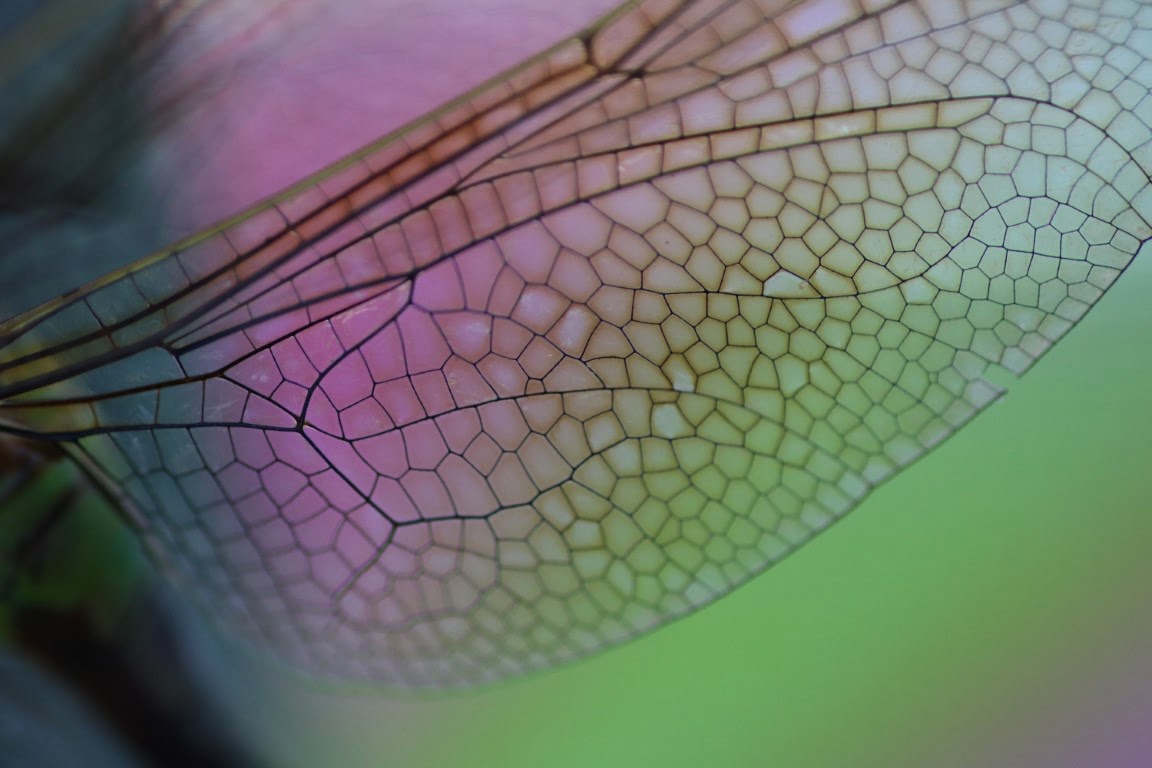
Insect bodies have also sparked breakthroughs in materials and surface science. The Namib Desert beetle survives in arid conditions by harvesting water from fog. Its shell has a pattern of regions that attract water and regions that repel it, causing droplets to form and roll toward the beetle’s mouth. This idea has inspired designs for fog harvesting devices and water collection surfaces, especially in places where clean water is scarce. Another surface marvel is found on some insect wings, which can be structured in ways that discourage bacteria from settling or can reduce glare and reflection. Such insights feed into coatings for medical devices, windows, and solar panels.
Flight is another area where insects have rewritten assumptions. Unlike airplanes, many insects rely on unsteady aerodynamics, using rapid wingbeats and complex wing rotations to generate lift. High speed imaging and careful experiments have shown how vortices form and stay attached to wings, allowing tiny fliers to hover and maneuver with astonishing control. These findings have influenced the design of micro air vehicles, small drones intended to operate in tight spaces, where conventional flight rules do not always apply.
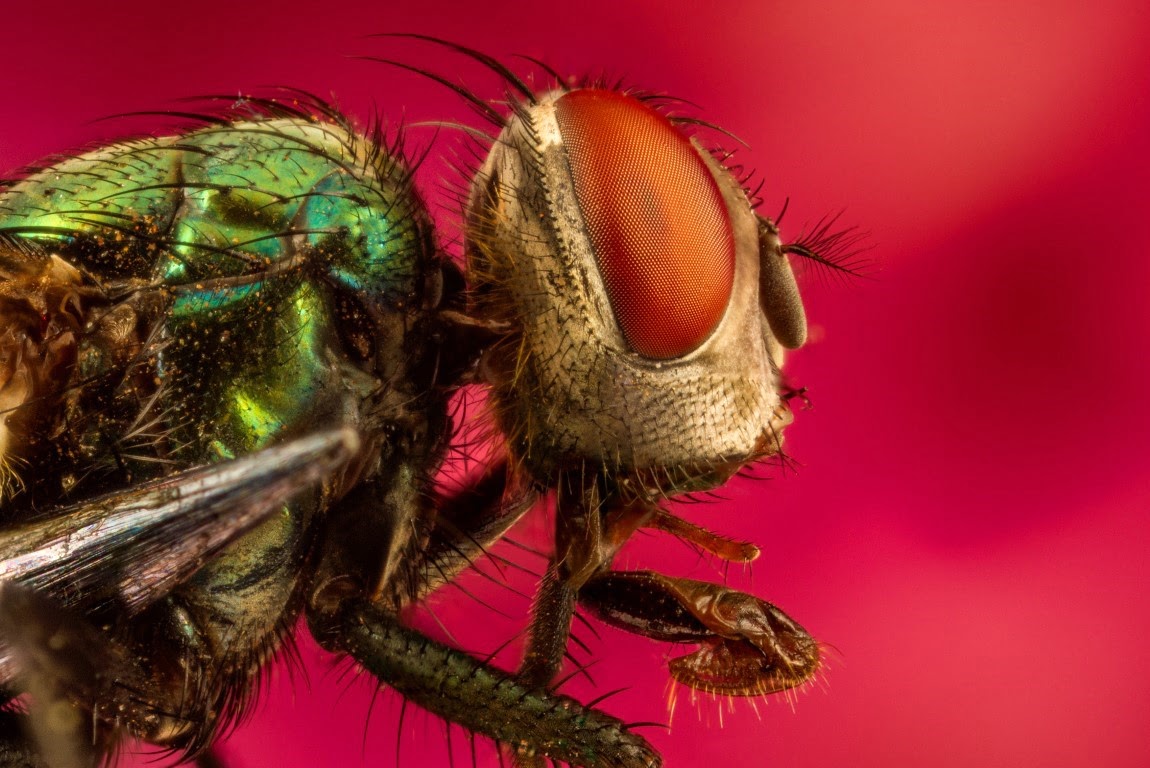
Insect vision has also transformed technology. Compound eyes trade sharp resolution for wide field of view and fast motion detection. Engineers borrow these ideas for cameras and sensors that need to detect movement quickly, track objects, or see across a broad angle without heavy optics. Even the way insects stabilize their gaze while flying has shaped control systems for robots that must keep their bearings while moving.
Some of the most surprising insect inspired tools come from chemistry and medicine. Many insects produce antimicrobial compounds to protect their eggs, their food stores, or their colonies. Studying these chemicals can lead to new candidates for drugs or new ways to prevent biofilms, the stubborn bacterial communities that form on surfaces. Silk made by insects is another enduring inspiration. While spiders get much attention, insect silks from caterpillars and other species offer clues about making strong fibers under mild conditions, using water based processes instead of harsh industrial chemistry.
Perhaps the biggest lesson insects offer is that intelligence does not always require a big brain. Complex group behavior can emerge from simple rules, repeated many times. Whether it is termites building towering mounds with natural ventilation, bees reaching a consensus on a new nest site, or ants forming living bridges with their own bodies, insects show how cooperation, feedback, and local sensing can produce elegant engineering. Once you start noticing these patterns, the next buzzing visitor is less a nuisance and more a living library of design ideas.
-287005.jpg)