Forest Smarts for Daily Life
Quiz Complete!
Forest Smarts for Daily Life
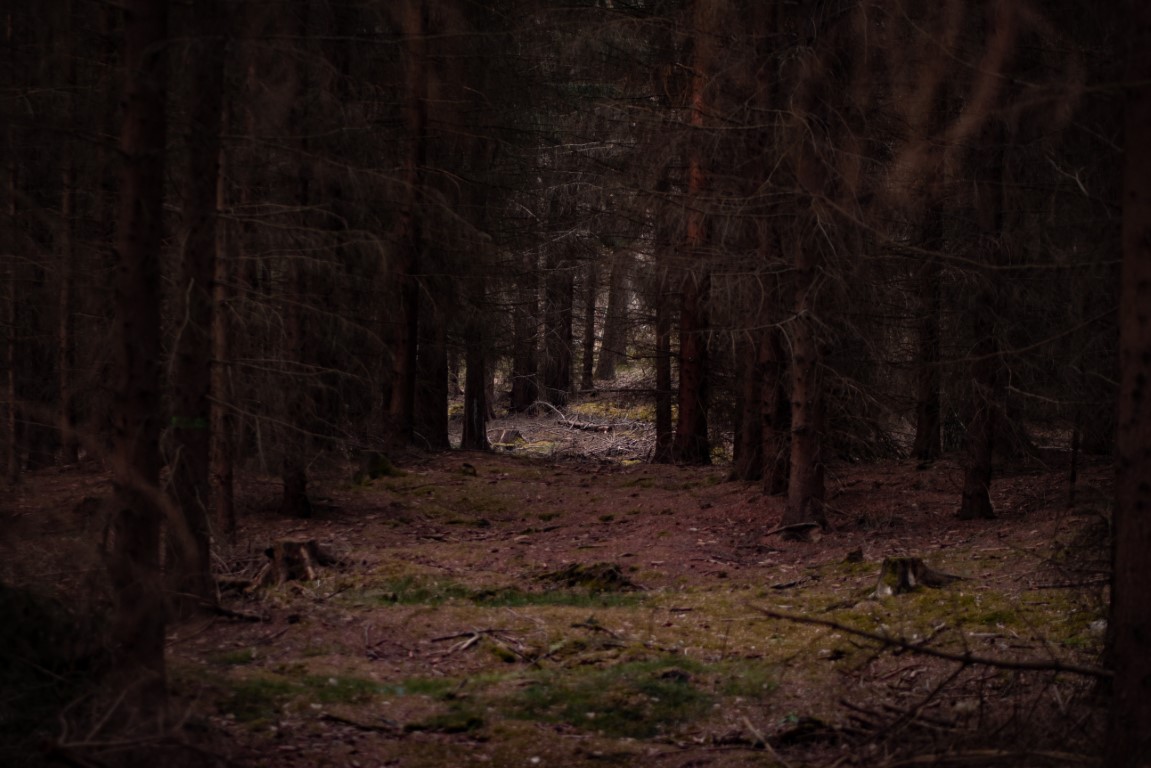
Forests feel like places you visit, but in many ways they are working systems that reach into daily life. The oxygen you breathe is produced largely by ocean plankton, yet forests still matter for air quality because leaves trap particles and absorb gases like ozone and nitrogen dioxide. That is one reason tree-lined streets can feel fresher than busy roads. Forests also influence local weather by releasing water vapor through their leaves, which can cool the air and help form clouds. In cities, adding tree cover is not just about beauty; it can reduce heat stress, lower energy use for cooling, and slow down stormwater so drains are less likely to overflow during heavy rain.
If you have ever noticed that some houseplants struggle in a bright window while others stretch toward light, you have seen a forest concept in miniature. Many tree species are shade tolerant when young, able to wait under a canopy for years. Others are sun lovers that race into openings after a storm or a fire. This mix creates layered forests with different habitats for birds, insects, and mammals. It also explains why a forest is not simply a collection of trunks. The understory, the leaf litter, and the soil life are all part of the engine.
Fire is another place where forest knowledge meets the news. Wildfire smoke is not the same as smoke from a campfire. A small campfire mostly burns dry, relatively clean wood, while a wildfire can burn a complex mix of vegetation, damp material, and sometimes buildings and vehicles. That changes what is in the smoke, including fine particles that can travel far and irritate lungs, as well as compounds produced when plastics or treated wood burn. Air quality alerts during wildfire season are not overreactions; the smallest particles can enter deep into the respiratory system even when the smoke looks thin.
People often picture an old growth forest as simply old trees, but the term usually refers to a whole set of features that take a long time to develop. These forests tend to have large living trees, standing dead trees, and multiple layers of canopy, plus a rich supply of downed wood. That fallen wood is not dead weight. Logs act like sponges that hold moisture, provide nurseries for seedlings, and shelter amphibians, insects, and fungi. As wood decays, it feeds the soil and helps store carbon. In fact, a surprising amount of a forest’s carbon is belowground in roots and soil, not just in trunks.
Because forests store carbon, they are part of climate solutions, but the details matter. A young forest can absorb carbon quickly as it grows, while an older forest can hold large carbon stocks for a long time. Disturbances like logging, drought, pests, and severe fires can release carbon back to the atmosphere. That is why sustainable forestry tries to balance harvesting with regeneration, protection of sensitive areas, and long-term ecosystem health. When buying wood or paper products, labels such as FSC or PEFC can signal that the material comes from forests managed with specific standards, though no label is perfect and local context still matters.
Everyday actions can also protect forests from invasive pests. Many insects and plant diseases spread when people move firewood, untreated wood packaging, or even muddy gear from one area to another. A simple rule helps: buy firewood where you burn it, clean boots and bike tires, and avoid transporting untreated natural materials across long distances. Forest smarts are not only for hikers. They show up in the air on a hot afternoon, the water after a storm, the paper in a notebook, and the choices that keep forests resilient for the future.
-287005.jpg)