Bug Rules Pop Quiz for Humans
Quiz Complete!
Bug Rules for Humans: Why Insects Come With Paperwork
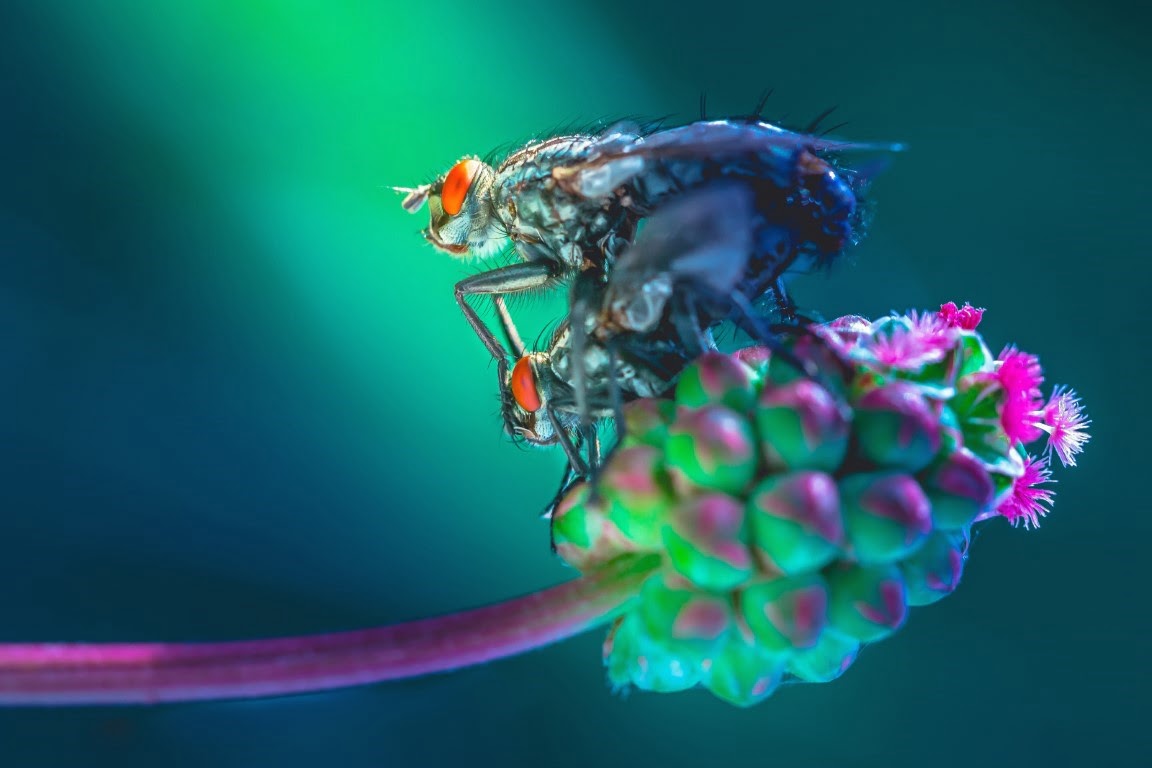
Insects are everywhere, and so are the rules that govern them. Many of those rules exist for reasons that are easy to overlook until you imagine the alternative: a new beetle that wipes out local trees, a mosquito-borne disease spreading in a warm summer, or a well-meaning hobbyist releasing a nonnative species that outcompetes local pollinators. Because insects move easily and reproduce quickly, a small mistake can become a big problem, so governments treat them as both valuable wildlife and potential biosecurity threats.
One of the strictest areas is importing and shipping live insects. Countries often require permits for bringing in live specimens, even for education or research, because a stowaway insect can become an invasive pest. Agricultural agencies may inspect shipments, require specific packaging, or mandate that insects be dead, sterilized, or contained in secure life stages. Some species are outright banned because they are known crop pests or carriers of pathogens. Even when a species is allowed, the paperwork can be extensive, and the rules can differ depending on whether the insects are destined for a lab, a classroom, a pet collection, or a commercial breeding operation.
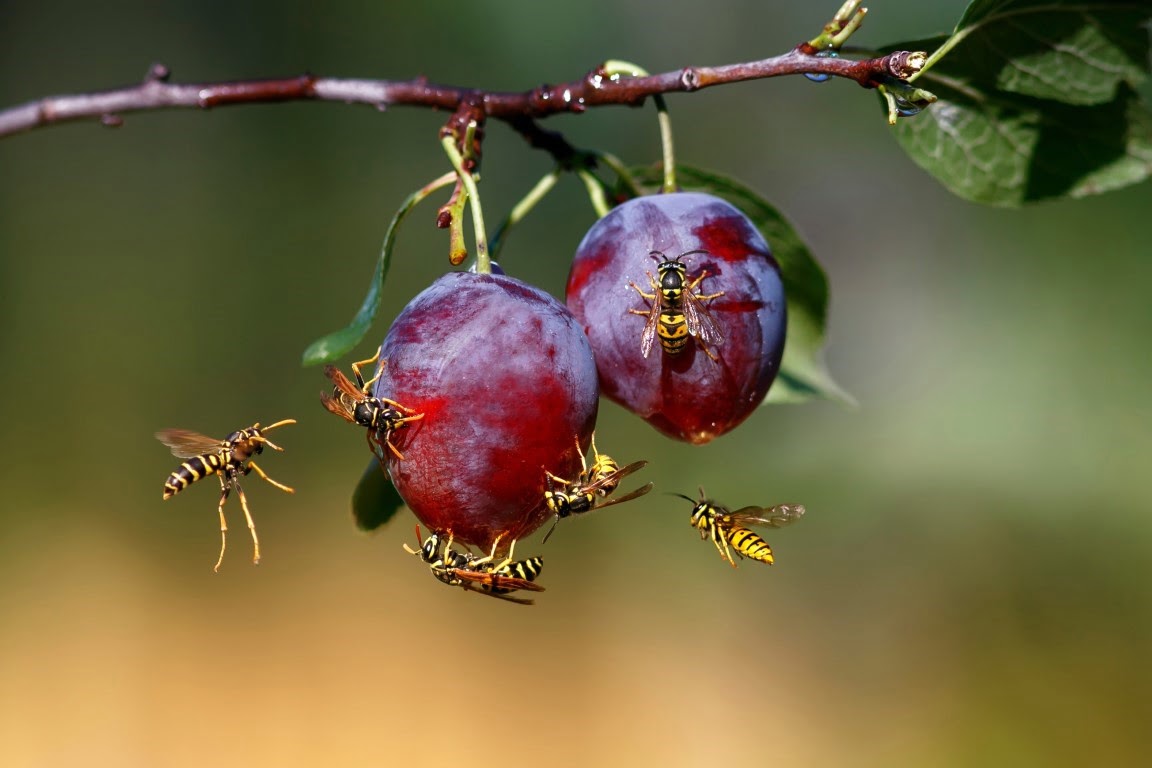
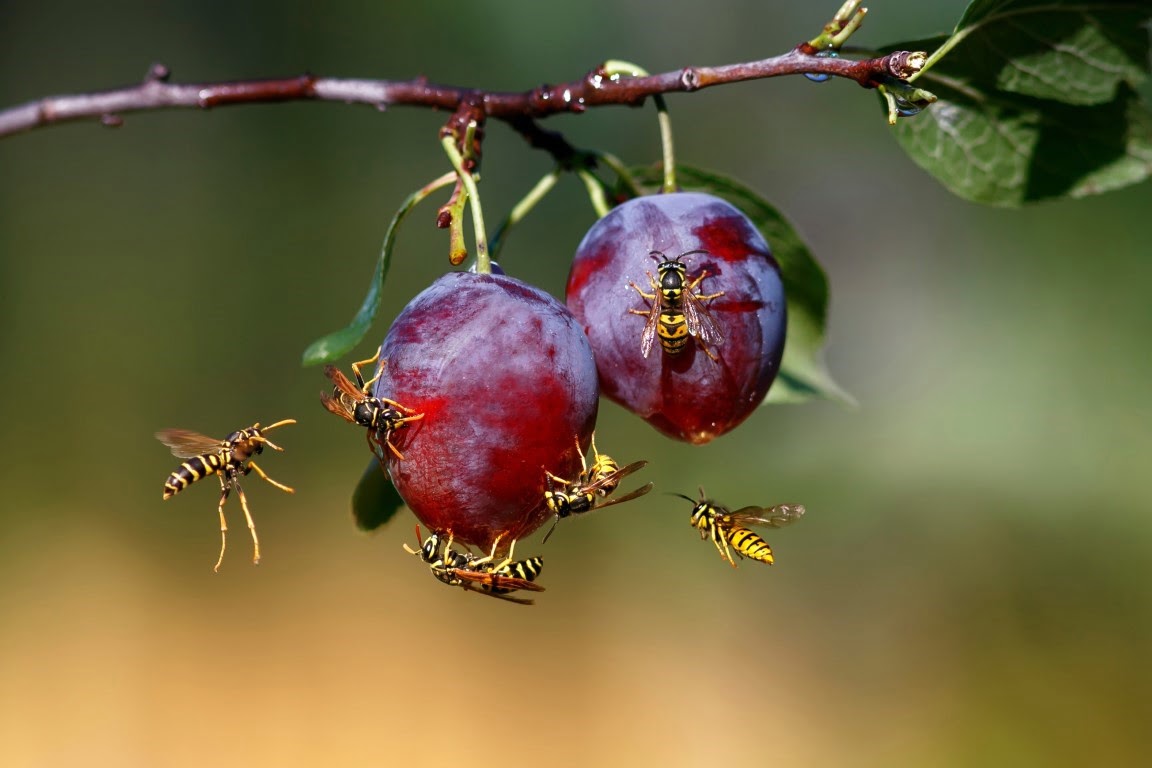
Urban beekeeping shows how insect rules can touch everyday life. Honey bees are often welcomed for pollination, yet cities may regulate hives through zoning rules, registration requirements, limits on the number of colonies, or setbacks from property lines. Some localities require water sources to reduce neighbor complaints, or they mandate management practices to prevent swarming. These rules are not always about banning bees; they are often about balancing benefits with public safety, allergy concerns, and the rights of nearby residents. Similar logic appears with wasps and other stinging insects when nests are near public spaces.
Public health is another major driver. Mosquito control programs can involve surveillance, larvicide treatments, and, in some cases, targeted spraying. Because pesticides can affect more than mosquitoes, their use is typically regulated, with approved products, label instructions that function as legal requirements, and restrictions near waterways, schools, or sensitive habitats. During outbreaks of diseases such as dengue, West Nile, or malaria, emergency measures may expand what local authorities can do, but they still operate within legal frameworks designed to protect people and the environment.
On farms and in gardens, pesticide regulation is often more detailed than people expect. Product labels can specify which crops are covered, how much can be applied, how frequently, and how long to wait before harvest. Those waiting periods help keep residues in food within safety limits. There are also rules to protect workers, pollinators, and neighboring properties from drift. Even natural or organic-approved pesticides are regulated, and using a product in a way not listed on its label can be illegal.
Conservation laws add another layer, especially for rare butterflies, beetles, and other insects whose habitats are shrinking. Some species are protected, which can limit collecting, trading, or harming them, even unintentionally during development projects. Permits may be required for scientific collecting, and certain areas may be off-limits to protect breeding sites. These protections can surprise collectors who assume insects are too common to be regulated, but for some species, a small amount of collecting pressure can matter.
Edible insects bring insect law into the kitchen. Regulations can apply to how insects are raised, processed, and labeled, just as they do for other foods. Authorities may focus on hygiene, allergen warnings, and preventing contamination from feed, pesticides, or heavy metals. In some places, insects are treated as novel foods that require premarket review, while elsewhere they fall under existing food safety rules. Even using insects as animal feed can trigger separate regulations to prevent disease and ensure traceability.
The result is a world where insects are not just creatures in the grass but regulated passengers, livestock, wildlife, and sometimes public health concerns. Knowing the basics can help travelers avoid prohibited souvenirs, help gardeners choose safe pest control, help aspiring beekeepers stay neighbor-friendly, and help curious bug enthusiasts appreciate that tiny wings can carry big legal consequences.
-287005.jpg)