Byte-Sized Computer Truths or Tall Tales Bonus Round






Quiz Complete!
Byte-Sized Computer Truths and Tall Tales: What the Myths Miss
Computers invite confident-sounding “facts” because they feel logical, and because the technology changes faster than our mental shortcuts. A good true-or-false quiz works like a tiny fact-checking workshop: it punishes absolute statements and rewards anyone who notices the hidden conditions. Many popular claims are not entirely wrong, but they are incomplete in ways that matter.
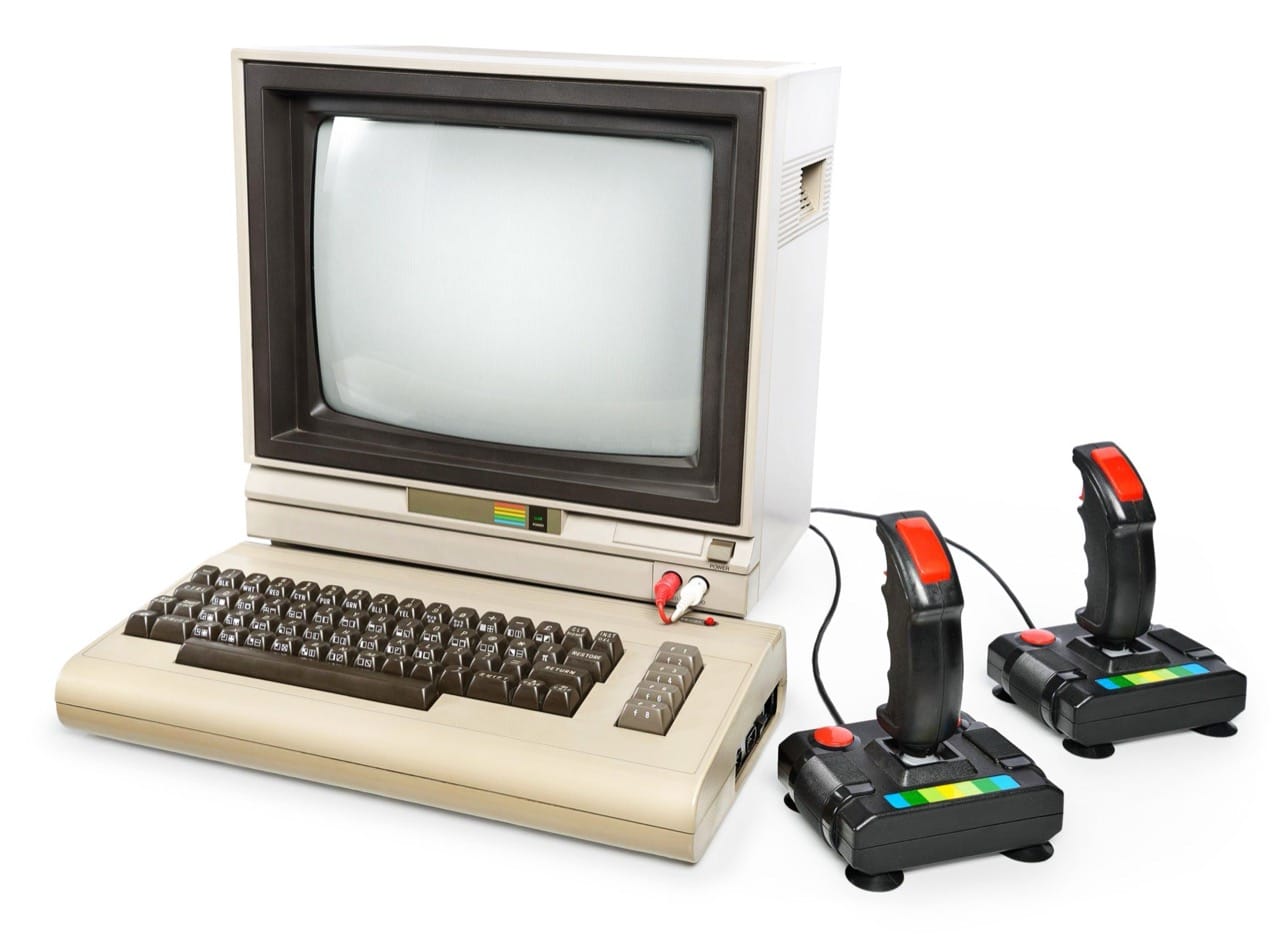
Take early computing history. People often say the first computers were room-sized, or that ENIAC was the first computer. The room-sized part is mostly true for many early electronic machines, but “first” depends on what you count. Some earlier devices were mechanical, some were programmable in limited ways, and some were specialized calculators rather than general-purpose computers. Even the idea of “bug” as a computer term gets simplified. A real moth was famously found in a relay, but engineers already used the word bug for glitches before that incident. Myths persist because they make a neat story, and neat stories spread.
The internet is another magnet for half-truths. It is common to hear that data travels in a straight line from your device to a website, or that the internet is basically satellites. In reality, most traffic moves through fiber-optic cables and a chain of routers that choose paths based on routing tables and network conditions. Your message is chopped into packets, and those packets may take different routes and arrive out of order. That sounds chaotic, yet it is by design: protocols like TCP handle reassembly and retransmission so the experience feels smooth. Even the word “Wi-Fi” misleads people into thinking it is the internet itself. Wi-Fi is usually just the last short hop to your router; beyond that, your data rides through your internet service provider and the wider network.
Operating systems inspire their own confident claims. Some people believe closing a program stops it completely, or that deleting a file removes it forever. Closing a window may leave background processes running, and deleting a file often just removes the pointer to the data until it is overwritten. Another tricky statement is that “RAM is memory and storage is memory.” Both are forms of memory in a broad sense, but they behave differently. RAM is fast and temporary; storage like SSDs and hard drives is slower and persistent. Confusing them leads to bad troubleshooting, like expecting more storage space to make a computer feel instantly faster, when the real bottleneck might be CPU, RAM, or software overhead.
Security myths are the most dangerous because they encourage risky behavior. “Macs do not get viruses” was never truly accurate, and it is less true every year as attackers follow the money and the user base. “A strong password is enough” ignores phishing, data breaches, and malware that steals session cookies. “Incognito mode makes you anonymous” is another classic trap. Private browsing mainly prevents your local browser from saving history; it does not hide you from websites, employers, schools, or internet providers. Even software updates attract skepticism, yet many updates patch security vulnerabilities that attackers already know about.
The common thread behind these tall tales is oversimplification. Computers are layered systems: hardware, firmware, operating systems, networks, and applications all interact, and a statement that is true at one layer can be false at another. The best quiz questions exploit that gap. If you train yourself to ask “always, sometimes, or depends,” you will not only score better, you will also make safer choices, troubleshoot faster, and spot misleading tech advice before it spreads.