Crossing Borders Through Science Traditions







Quiz Complete!
Crossing Borders Through Science Traditions
Science is often described as universal because gravity, microbes, and the motion of planets do not change when you cross a border. Yet the ways people investigate nature, record results, and decide what counts as reliable knowledge have always been shaped by language, culture, trade, politics, and local needs. Looking at science through a global lens reveals not a single straight line of progress, but a busy network of exchanges, reinventions, and parallel traditions.
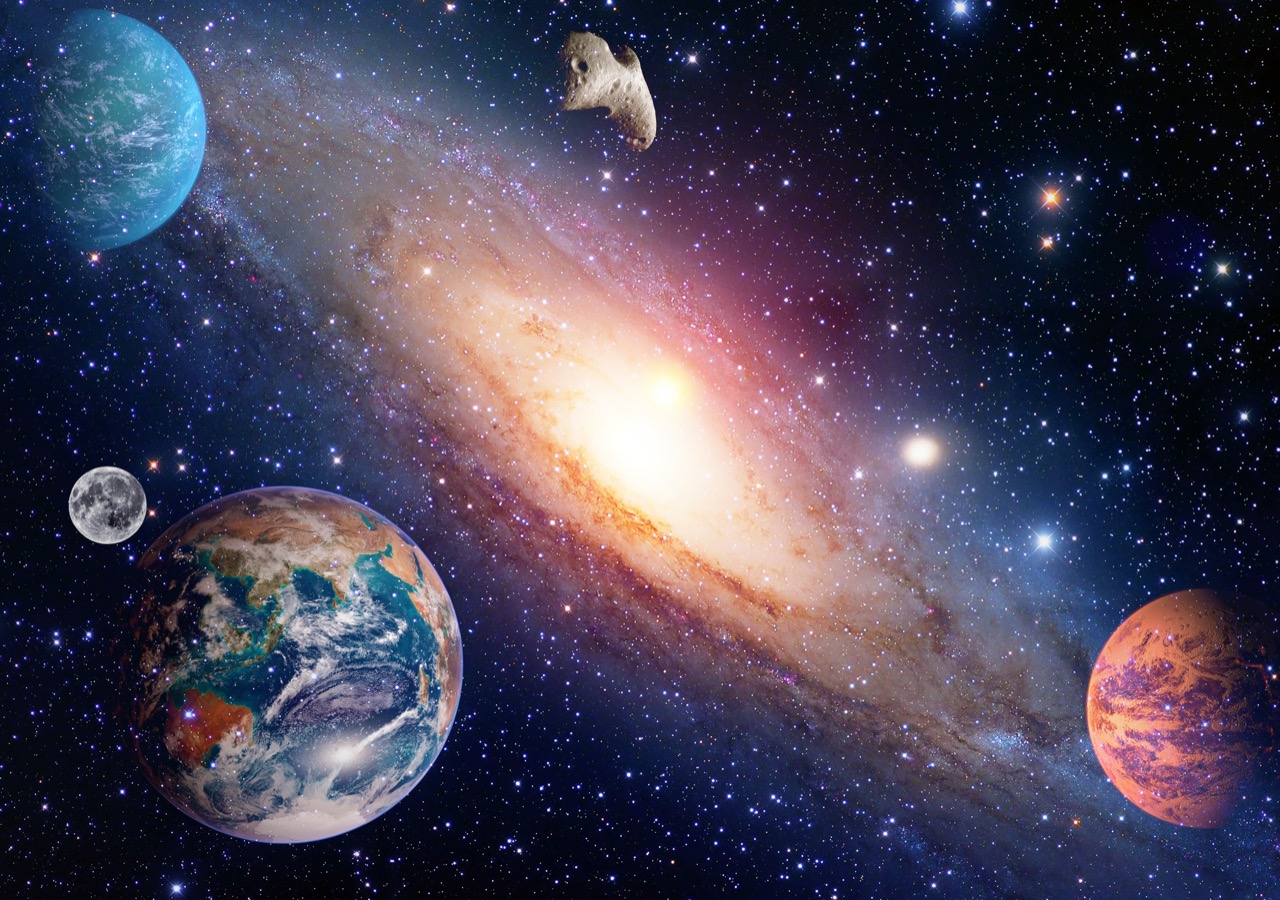
Long before modern universities, many societies built places dedicated to careful observation. Ancient skywatchers tracked the seasons to time planting and ceremonies, and their tools were often as impressive as later telescopes. In parts of the Americas, architecture aligned with solar events helped communities mark solstices and equinoxes. Across Asia and the Middle East, large observatories combined geometry, craftsmanship, and long-term record keeping to refine calendars and star catalogs. These projects were not just about curiosity. They supported navigation, taxation schedules, religious life, and the coordination of large states.
Scientific texts also traveled in ways that changed them. A book might begin as a set of lecture notes, then be copied by hand, translated, summarized, and expanded until it became something new. Greek works on mathematics and astronomy were studied and transformed in Arabic, Persian, and later Latin contexts, carrying terminology and methods across continents. Paper-making technologies, libraries, and scholarly networks made it easier to store and compare observations over generations. Even the idea of a textbook, a standardized guide meant for learners, reflects particular educational institutions and the social decision to teach science systematically.
Names and standards show how everyday science can have surprising origins. Many scientific terms are rooted in specific languages and historical moments, sometimes honoring places, patrons, or instruments. Units of measurement, too, are cultural artifacts. Before global standards, merchants and builders used local measures tied to body parts, containers, or regional customs, which worked well within a community but caused confusion in long-distance trade. Modern standardization, such as internationally agreed units, grew from the demands of industry, engineering, and global communication. It is a practical achievement, but it also reflects negotiation and power: whose definitions become the default, and how quickly others can adopt them.
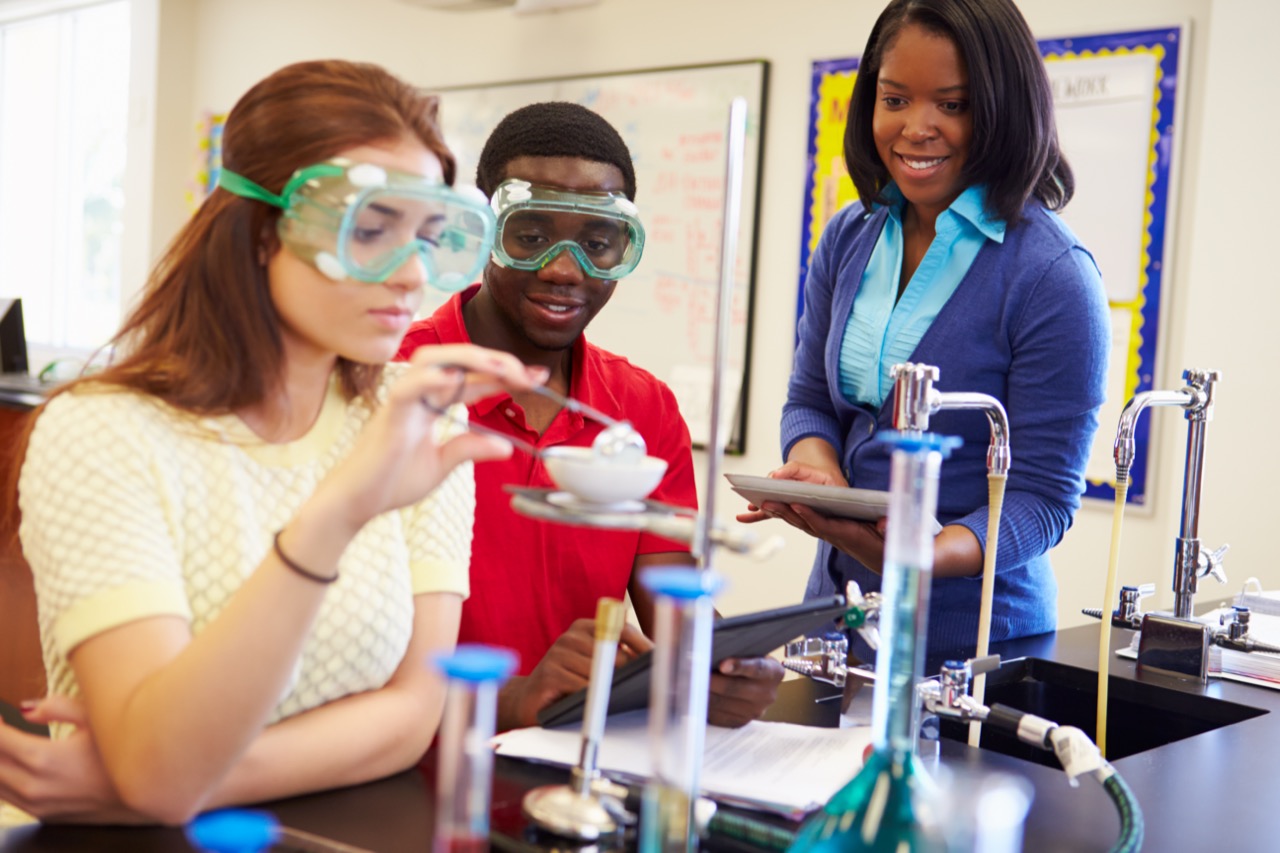
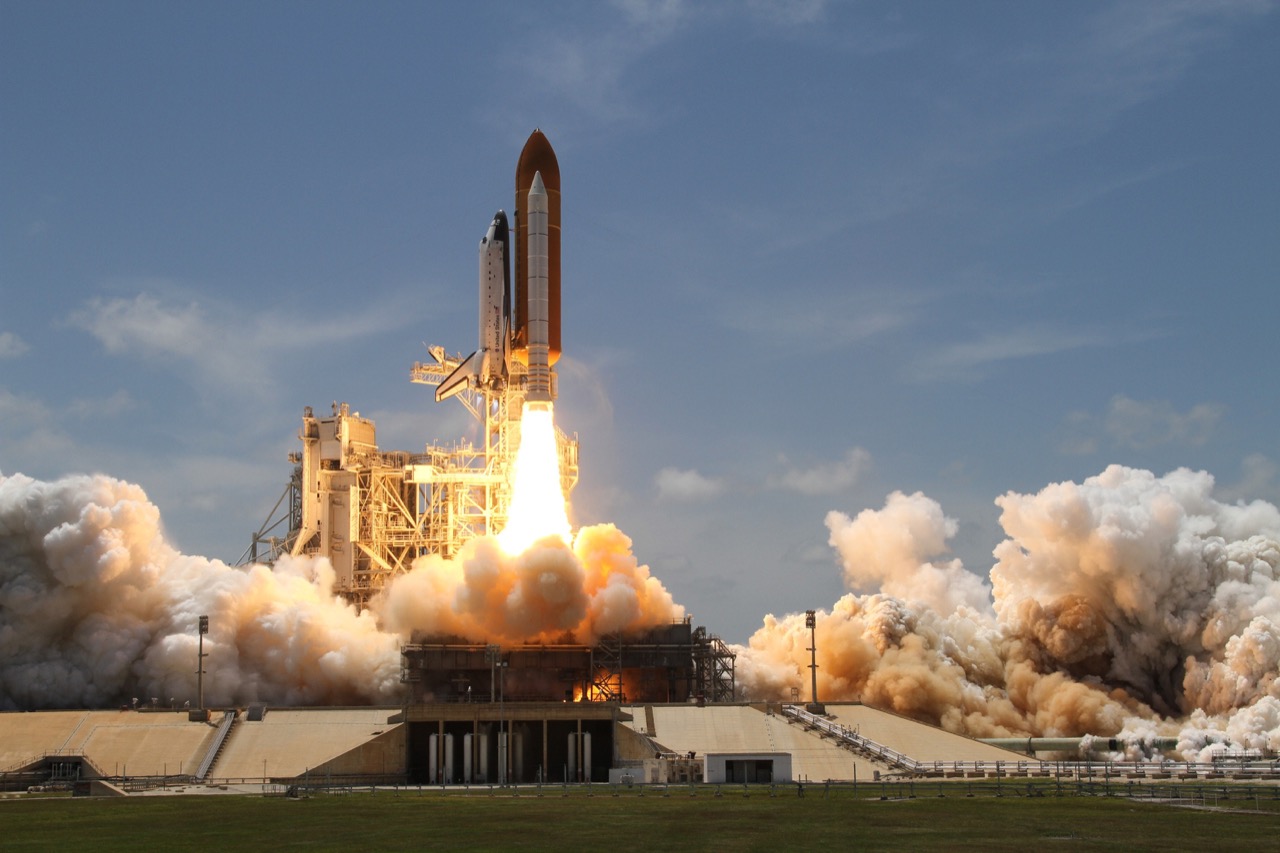
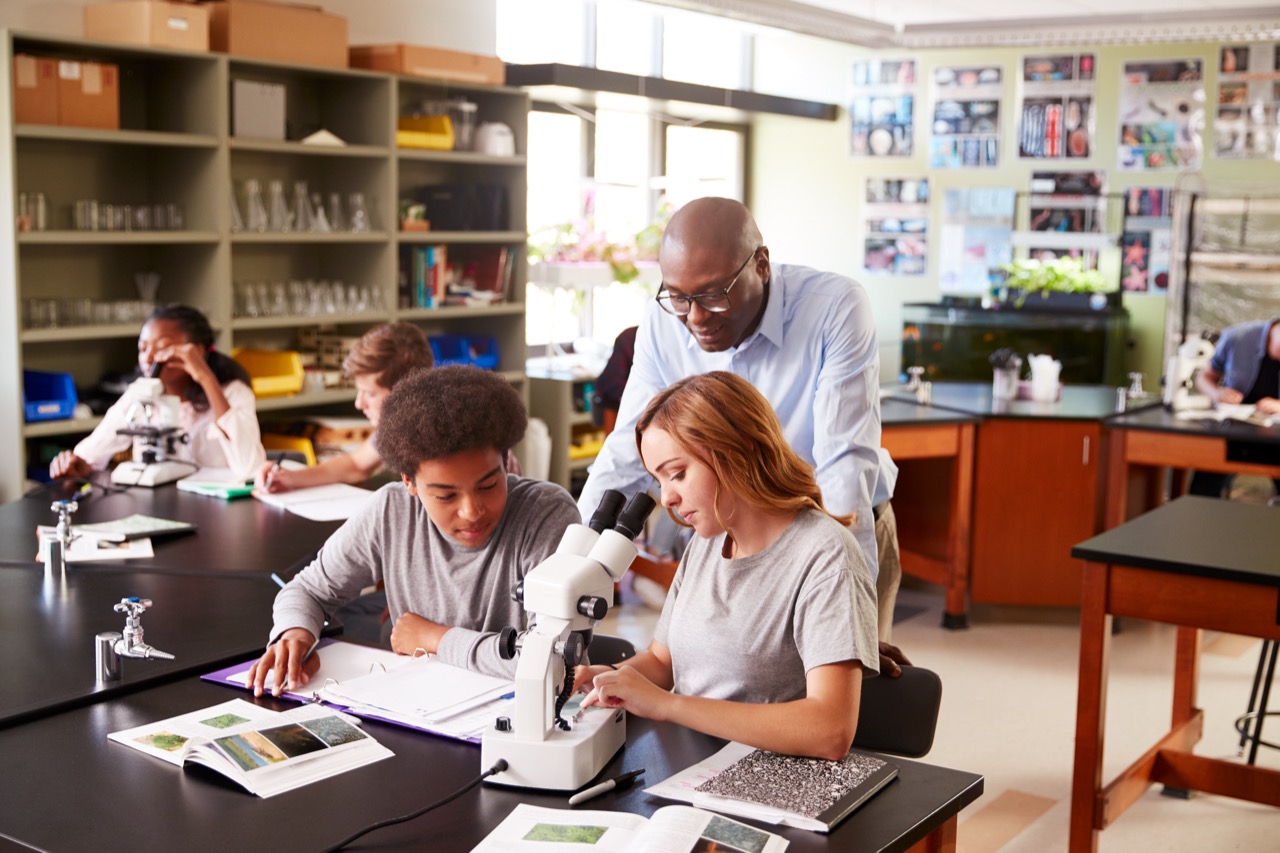
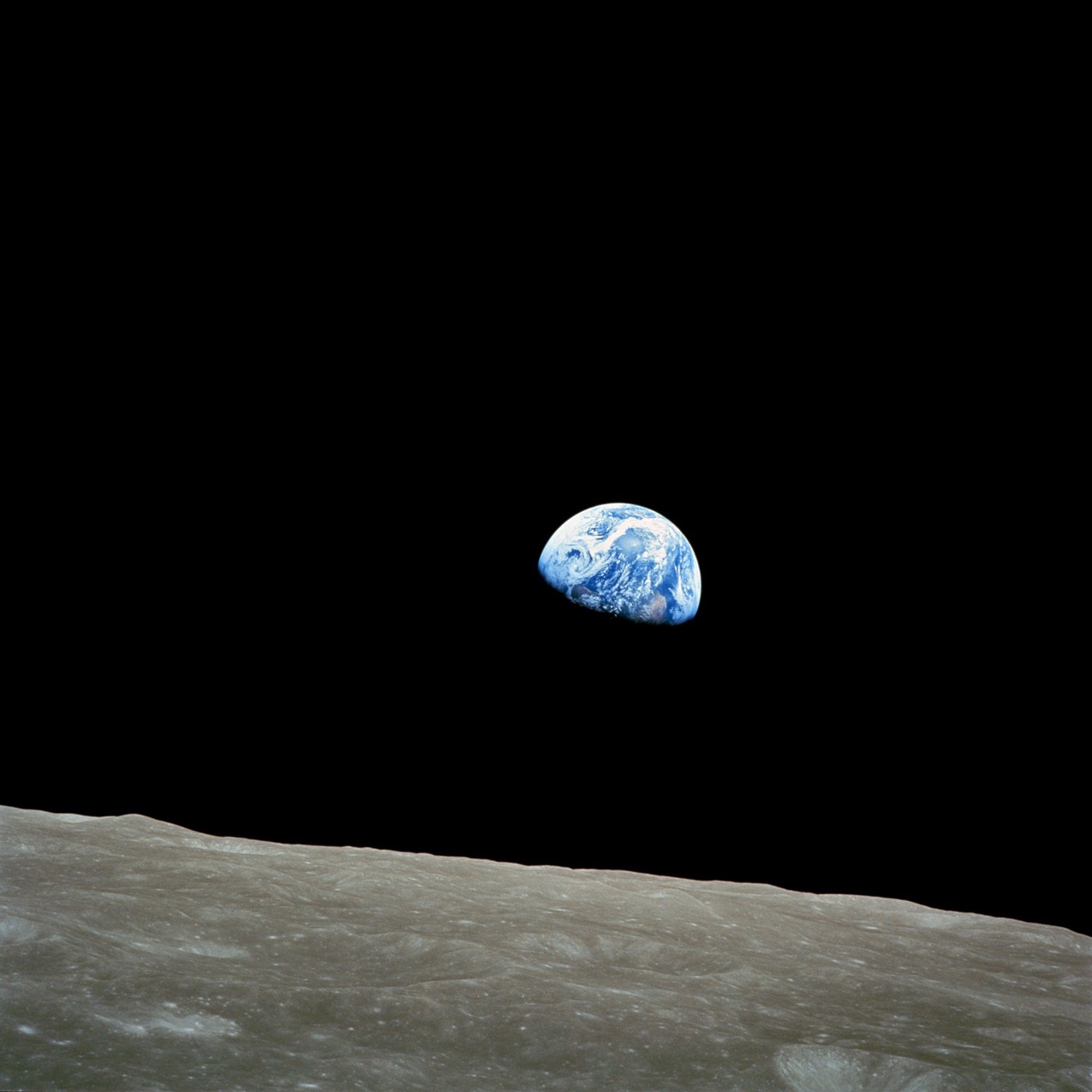
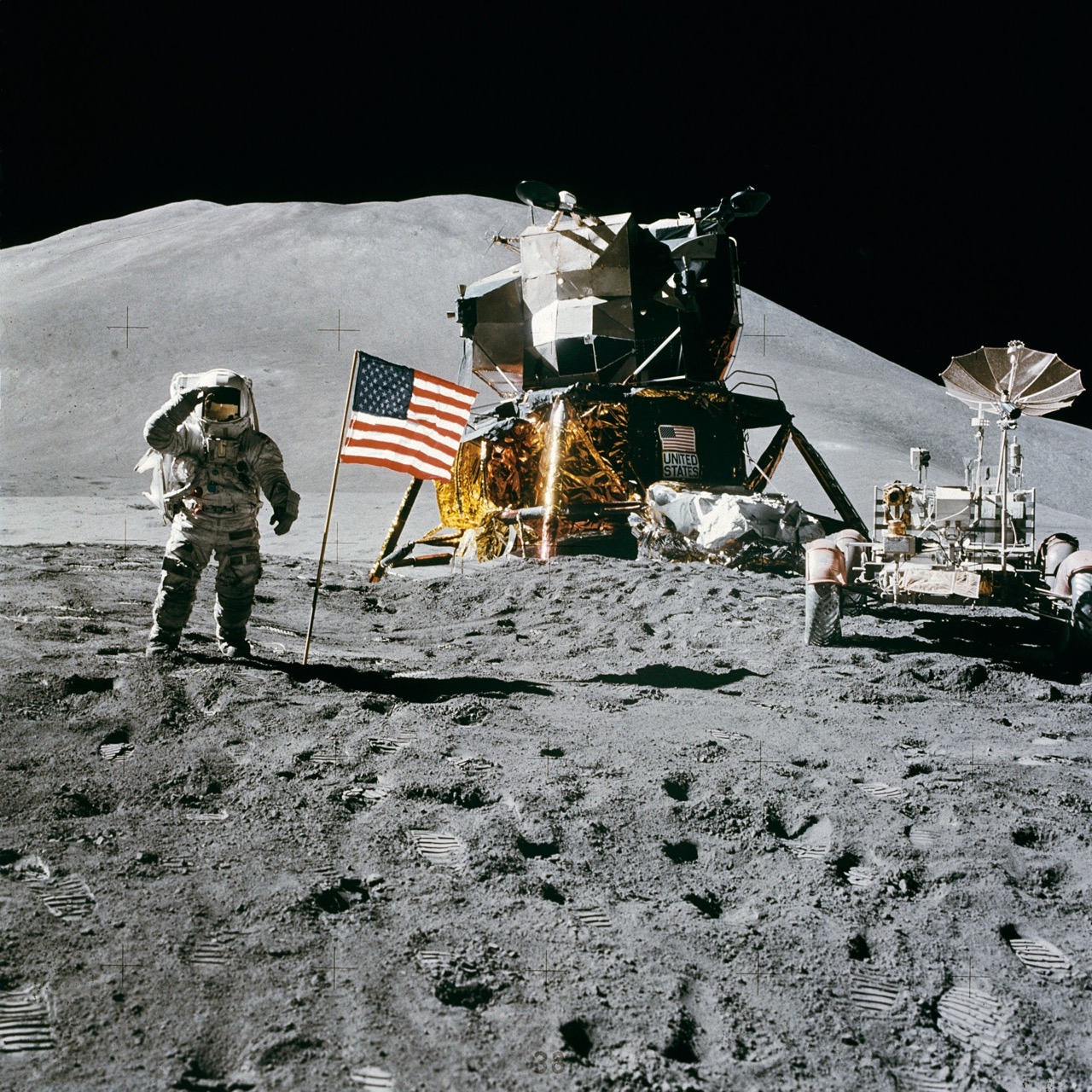
Institutions matter as much as ideas. Some countries supported science through royal courts, others through religious foundations, academies, or later through state-funded research councils. The rise of laboratories in the nineteenth and twentieth centuries changed what counted as evidence, emphasizing controlled experiments and specialized instruments. Funding models influenced which questions were pursued, from public health and agriculture to physics and space exploration. Meanwhile, international collaborations emerged because many problems are too large for one nation to tackle alone. Weather forecasting, disease surveillance, particle physics, and climate research all rely on shared data and agreements about methods.
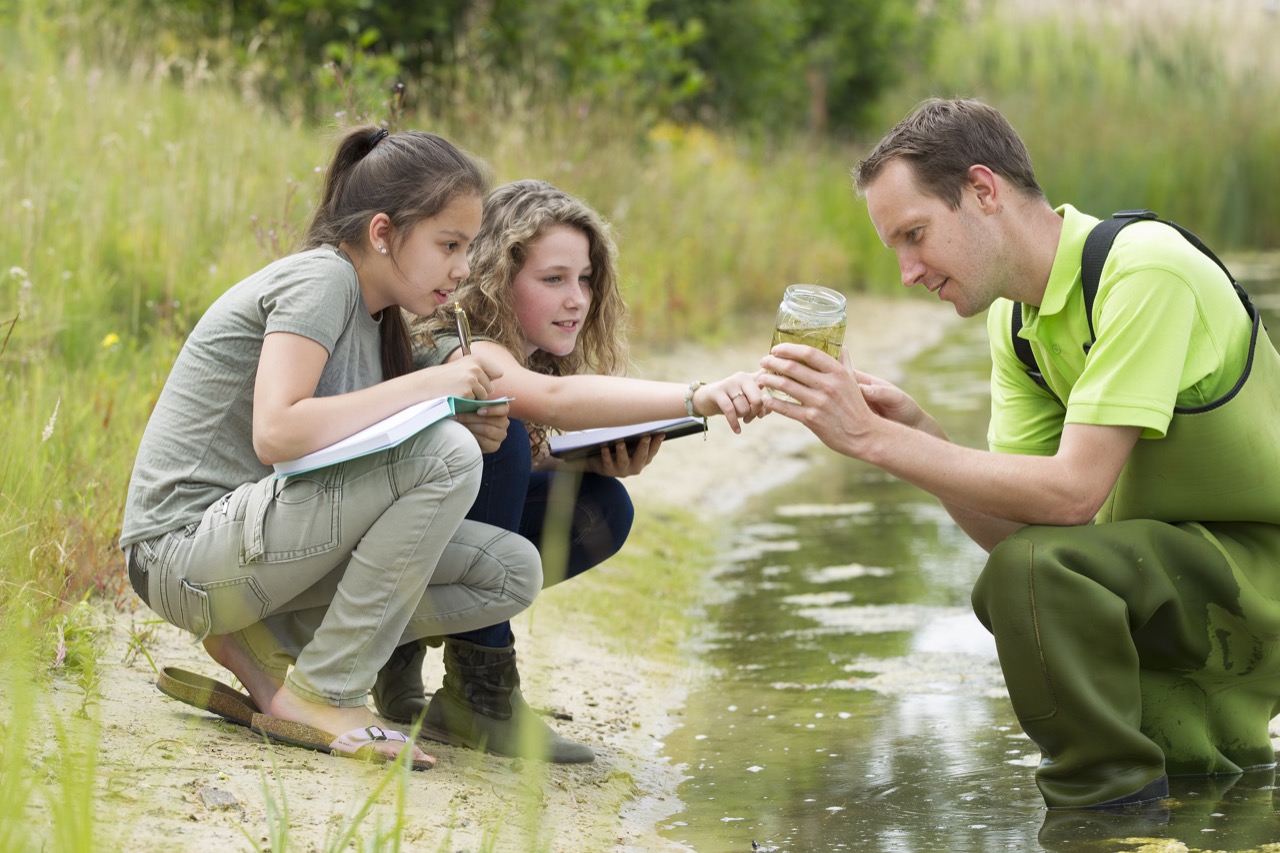
A global view also highlights Indigenous and local knowledge systems that have long been scientific in practice, even when they were not labeled that way by outsiders. Detailed understanding of ecosystems, animal behavior, medicinal plants, and navigation can come from generations of observation and testing in real environments. Today, more researchers recognize that respectful partnerships can improve outcomes, whether in conservation, wildfire management, or public health. The challenge is to collaborate without extracting knowledge, misrepresenting it, or ignoring the rights and priorities of the communities who hold it.
Seeing science as many stories told in many accents does not weaken its reliability. It strengthens it by reminding us that methods evolve, evidence is interpreted by humans, and progress often depends on exchange. When you trace how calendars were refined, how star maps were drawn, how laboratories were built, and how standards were negotiated, you start to notice that discovery is rarely isolated. It is a border-crossing activity, shaped by the world it seeks to understand.