Record-Setting Tech Feats You Won’t Believe











Quiz Complete!
Record-Setting Tech Feats You Won’t Believe

Some technology records sound like exaggerations until you see the numbers. Take supercomputers, for example. The fastest machines on Earth now perform calculations on the exascale level, meaning they can execute more than a quintillion operations per second. That kind of speed is not just for bragging rights. It helps researchers model climate systems, simulate nuclear fusion, design new materials, and train large AI models. The catch is that raw performance comes with a real-world price tag in electricity and cooling. A top-tier system can draw power comparable to a small town, and much of the engineering effort goes into moving heat away from densely packed processors without wasting energy.
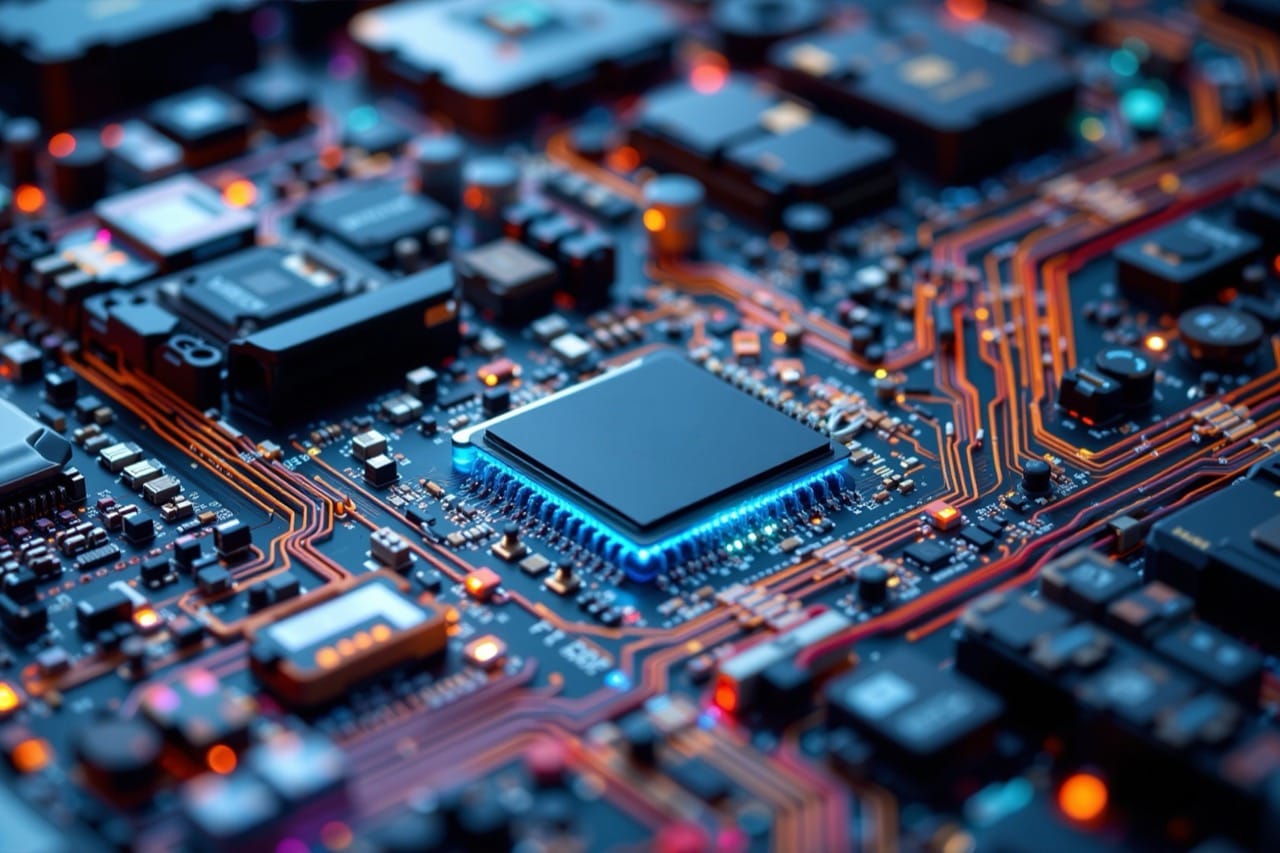
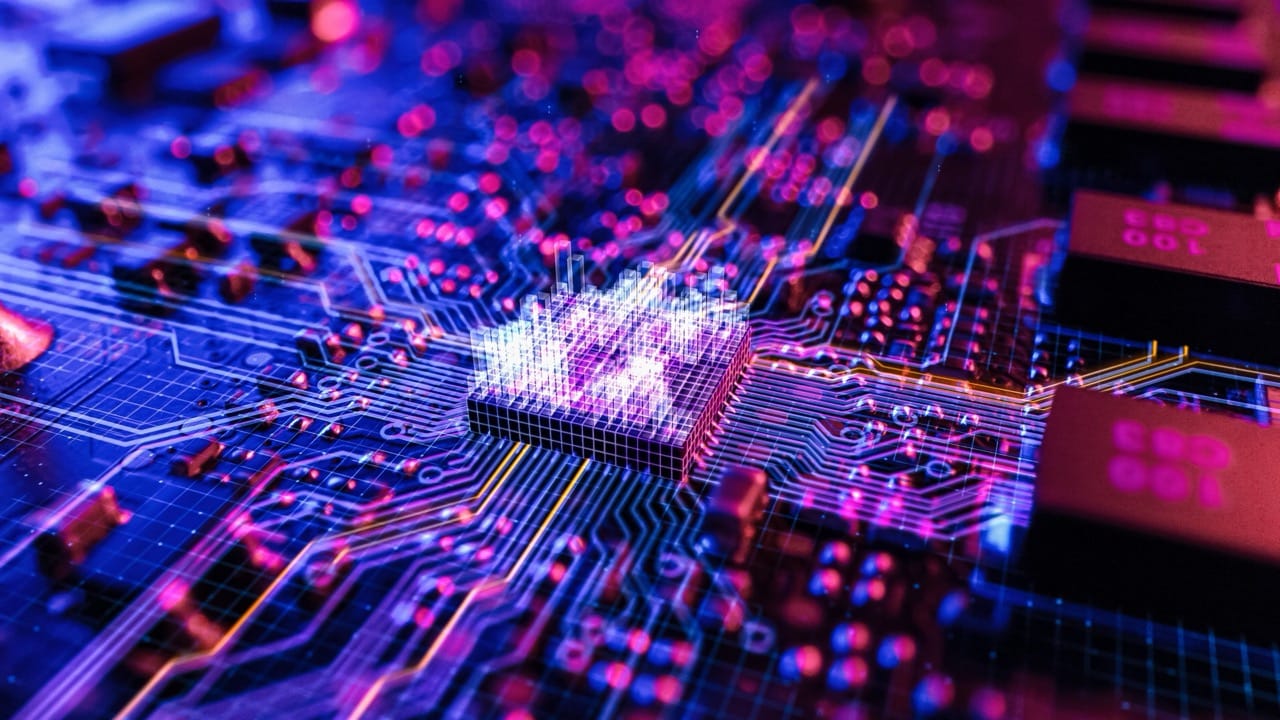
At the other extreme are chips so tiny that their key features are measured in nanometers, which are billionths of a meter. Modern manufacturing nodes are described with numbers like 5 nm or 3 nm, but those labels are marketing shorthand rather than a single physical dimension. Still, the trend is real: transistors have become unimaginably small and numerous, with tens of billions on a single high-end processor. As parts shrink, engineers fight new problems, such as electrons leaking through barriers that used to be insulating, and tiny variations that matter more when everything is close to the atomic scale. New transistor designs, advanced materials, and complex 3D packaging help keep progress moving even as physics pushes back.
Speed records are not limited to computation. Internet and networking feats can be equally mind-bending. In laboratories, researchers have demonstrated astonishing data rates over optical fiber using sophisticated modulation and multiple wavelengths of light. Those experiments can reach many terabits per second, far beyond typical home connections. Real-world networks focus on reliability and cost, but the same ideas trickle down over time. Even within data centers, the fastest links are constantly evolving, because moving data between servers efficiently can matter as much as the speed of the processors themselves.
Then there are data centers, the quiet giants behind streaming, search, and cloud computing. The largest facilities span enormous floor areas and consume vast amounts of electricity, not only to run servers but also to keep them within safe temperature limits. Operators chase efficiency with better airflow design, liquid cooling, custom power systems, and strategic placement near cheap energy or cooler climates. The goal is often a metric called power usage effectiveness, which measures how much extra energy is spent beyond the computing equipment. Small improvements add up when you operate at massive scale.
Record-setting machines also include devices that push the boundaries of measurement and time. Atomic clocks are so precise that they would lose or gain less than a second over timescales longer than human civilization has existed. That precision supports GPS, telecommunications, and scientific experiments that test the laws of physics. In imaging, telescopes and microscopes use clever techniques to see farther or smaller than once thought possible, from capturing faint light from distant galaxies to mapping structures inside materials.
What makes these feats so surprising is that they are rarely achieved by a single breakthrough. They come from thousands of incremental improvements in materials, manufacturing, software, and design, all stacked together. The quiz you are about to take is a tour of those extremes, where the numbers are big, the parts are tiny, and the engineering creativity is even larger.